Business Jet Revenue Rises While Delivery Volumes Stay Modest, Reports Show Large-Cabin Makers Leading
Why It MattersRevenue and backlog growth outrunning delivery growth marks a segment where large-cabin pricing and demand, not unit volume, drive results, leaving manufacturers with smaller cabins less exposed to that upside.
What happened
Business jet market data for the first half of 2026 show revenue and order backlogs growing faster than unit deliveries, with strength concentrated in the large-cabin segment. The National Business Aviation Association (NBAA) says industry-wide firm order backlogs rose 13% year-on-year in the first six months of the year, while new deliveries rose 5%. Forecast International reports that six major business jet manufacturers delivered a combined 728 aircraft through 2025 and a further 317 in the first half of 2026.
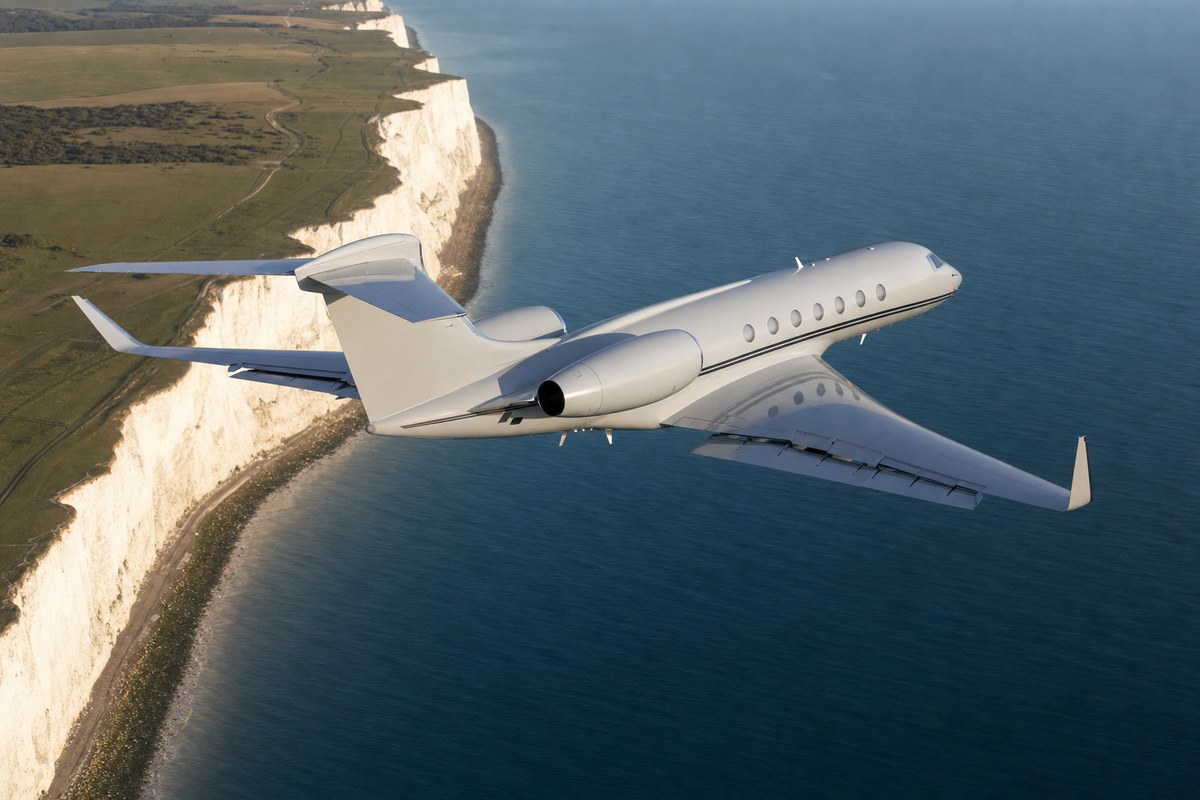
At General Dynamics' aerospace division, which includes Gulfstream, second-quarter 2026 revenue rose 15.1% year-on-year to US$3.525 billion and profit rose 26.6% to US$510 million, Aviation International News reports. First-half aerospace revenue totalled US$6.8 billion, up 11.8%. Forecast International reports that Gulfstream's backlog grew 17% year-on-year in 2026 and Bombardier's backlog grew 43% year-on-year in the first quarter of 2026.
Embraer's executive aviation backlog was essentially flat year-on-year in the first quarter of 2026, according to its filing with the US Securities and Exchange Commission. Its first-quarter revenue reached US$1,447 million, up 31% and a first-quarter record, and its total firm order backlog hit an all-time high of US$32.1 billion, up more than 22%. Embraer is targeting 160 to 170 executive aircraft deliveries for the full year, with consolidated revenue guidance of US$8.2 to US$8.5 billion. It delivered 44 aircraft in the first quarter, including 10 commercial jets and 29 executive jets.
Industry figures quoted by the NBAA offered explanations. Jay Mesinger of Mesinger Jet Sales said higher fuel costs and uncertainty are not hurting sales as they previously would, while Rolland Vincent of Rolland Vincent Associates said a new generation of entrepreneurs wants bigger, faster aircraft. Keith Hayes of PNC Aviation Finance cautioned that buyers stretching into large-cabin aircraft at today's prices and financing terms could become overleveraged when they later seek to trade up.
Industry impact & what to watch
The gap between a 13% backlog increase and 5% delivery growth is the signature of a supply-constrained segment: order books lengthen faster than factories can convert them into aircraft, and revenue follows price and mix more than unit count. Large-cabin programmes sit at the top of that dynamic, with higher-priced aircraft lifting revenue per delivery. Embraer's quarter fits the same reading from the other side, with record revenue and a record total backlog alongside an executive backlog that did not grow.
The buyer profile described by the NBAA sources points to demand driven by ownership appetite rather than by short-term operating cost. Fuel prices and general uncertainty no longer slow purchases the way they once did, and newer entrepreneur buyers are reaching for bigger and faster aircraft. That supports the order books at the top of the market, but it also concentrates risk there. Hayes's warning about overleveraged buyers is a financing-side concern: owners who stretch into a large-cabin aircraft at current prices and terms may find it harder to trade up later.
The next concrete checkpoint is Embraer's full-year target of 160 to 170 executive deliveries against its 29 executive jets in the first quarter, which will show how quickly its deliveries ramp through the remaining quarters. Whether the large-cabin backlogs at Gulfstream and Bombardier continue to widen the gap over deliveries will show up in the next quarterly filings.