China Plans Around 15 New Civil Airports in 2026–2030 Five-Year Plan Period
Why It MattersA state-directed buildout of airport clusters, secondary international hubs and border-region airports signals that infrastructure capacity, not just fleet growth, is being set as the pacing factor for Chinese aviation demand.
What happened
China will build around 15 new civil transport airports over the next five years, Xia Xin, head of the infrastructure development department at the National Development and Reform Commission, said at a press conference in Beijing on Wednesday. The plan covers the 15th Five-Year Plan period from 2026 to 2030, during which the country also intends to bring its aviation safety standards, service capacity and infrastructure up to world-class levels.
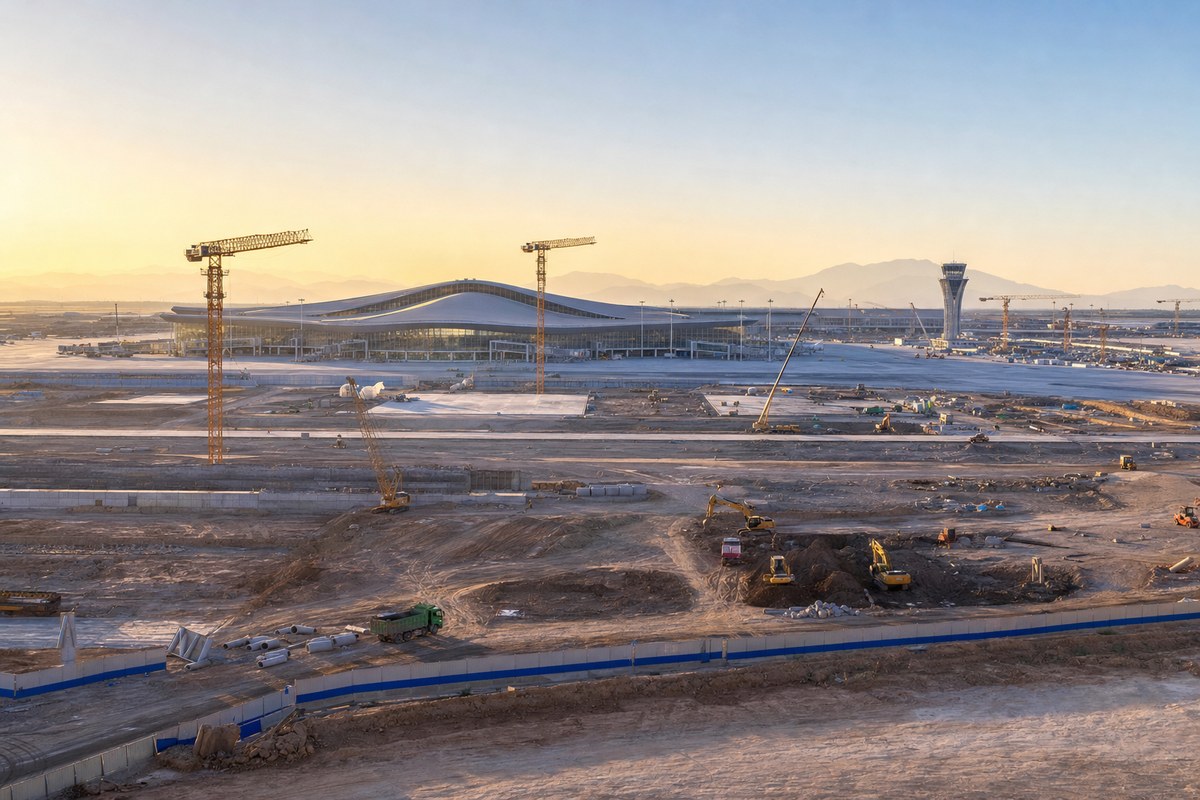
The plan calls for world-class airport clusters centered on Beijing, Shanghai, Guangzhou, Shenzhen, Chengdu and Chongqing, with major and supporting airports working together to serve both passenger and cargo traffic. Urumqi, Xi'an, Kunming and Harbin are to have their roles strengthened as international aviation hubs serving their respective regions. Major airports facing capacity constraints are to be expanded, the layout of regional and general aviation airports improved, and the healthy development of international air cargo services supported.
Named projects include completing new airports in Hohhot, Xiamen and Dalian, starting construction of new airports in Guangzhou and Nantong, and advancing preliminary work on new airports in Sanya and other locations. China will also expand a number of major hub airports and build airports in border regions.
Industry impact & what to watch
A five-year commitment of this shape describes a network being planned top-down: six anchor clusters for passenger and cargo flow, four regional gateways that give inland and northern provinces their own international access, and border-region airports at the edge. For operators of every kind, airport capacity and location are decided by the state rather than the market, and the sequence of openings sets where new traffic can physically appear.
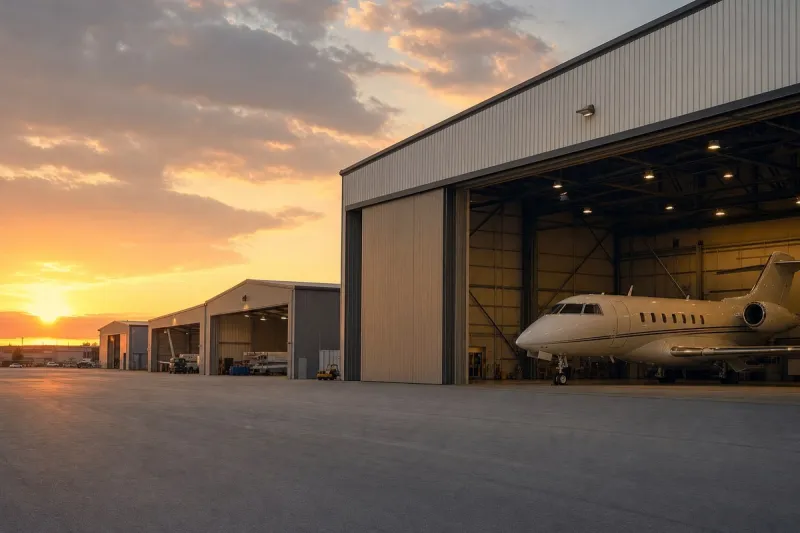
The explicit mention of regional and general aviation airports matters for the business-aviation segment. General aviation activity depends on having fields that can accept it, and a plan that treats that layout as a distinct task is relevant to anyone judging how much usable infrastructure the Chinese market will offer beyond the large commercial hubs.
The milestones that will test the plan are the ones already named: completion of the Hohhot, Xiamen and Dalian airports, the start of construction at Guangzhou and Nantong, and the preliminary work at Sanya. Their progress will show whether the five-year schedule is being kept.