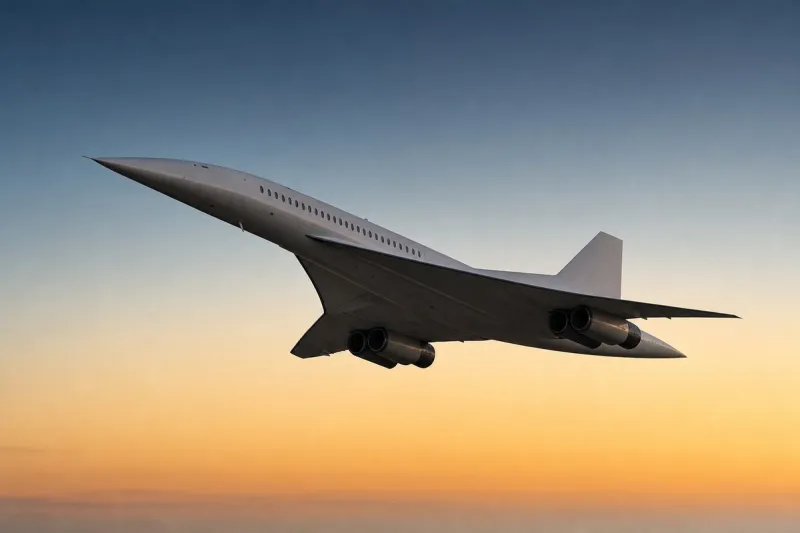
Magnifica Air Plans Early-2028 Launch With 54-Seat Cabins, Private Suites and Per-Seat Booking
Why It MattersA per-seat product positioned between first class and private flying tests whether a premium cabin can sustain its own pricing tier, a space JSX and fractional operators already approach from different directions.
What happened
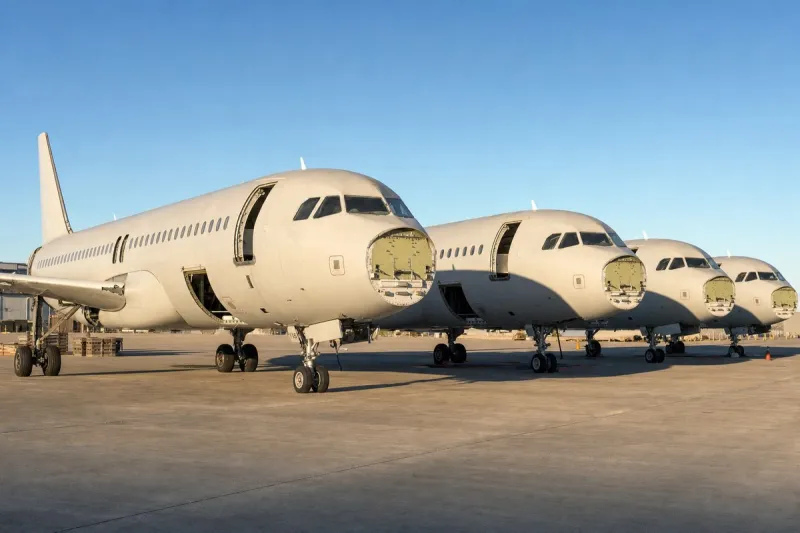
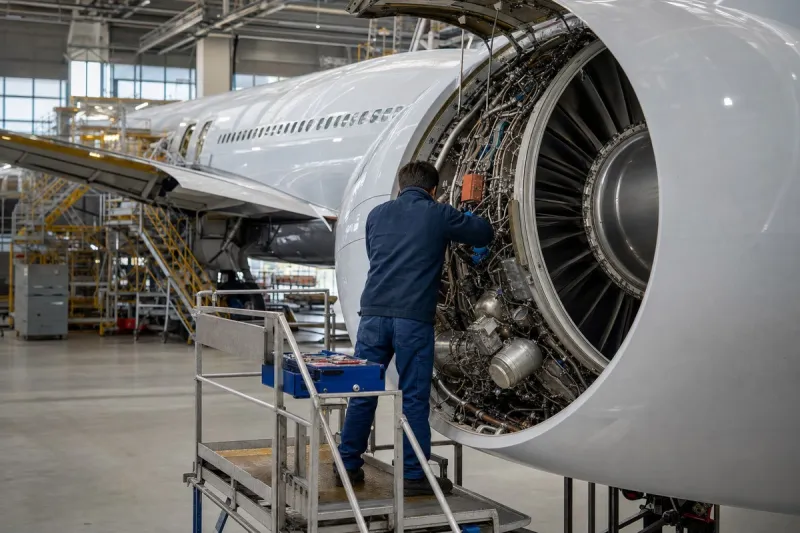
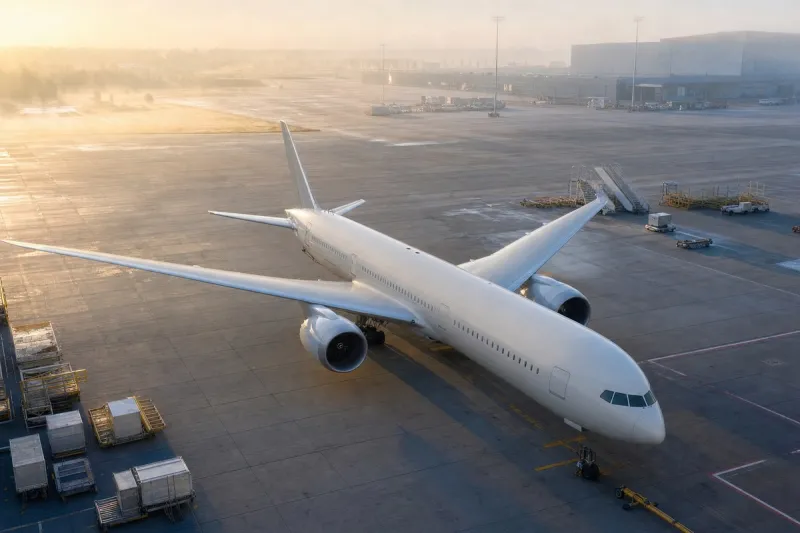
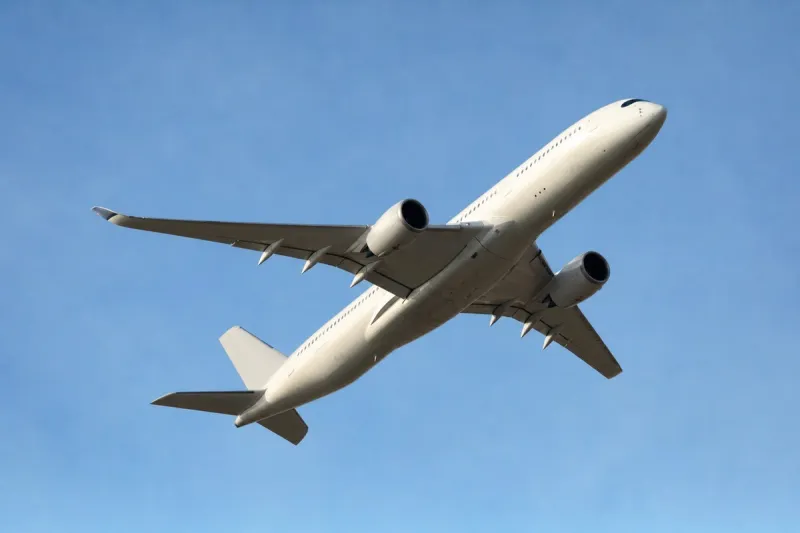
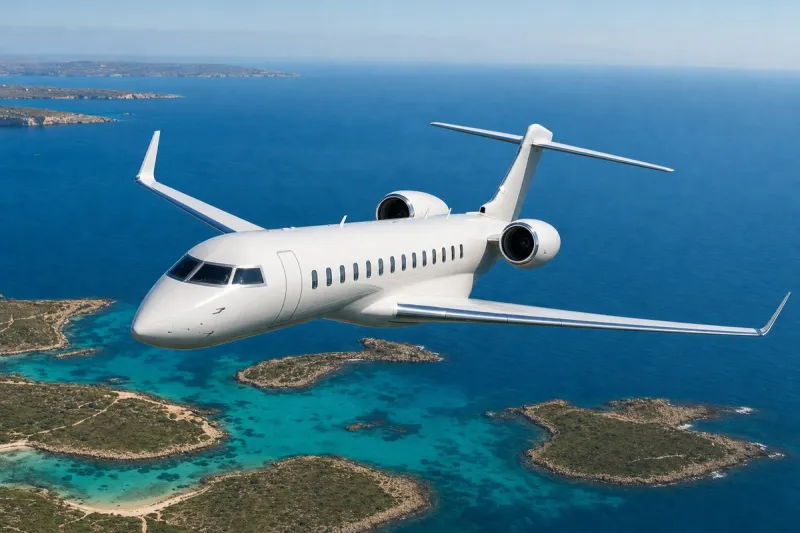
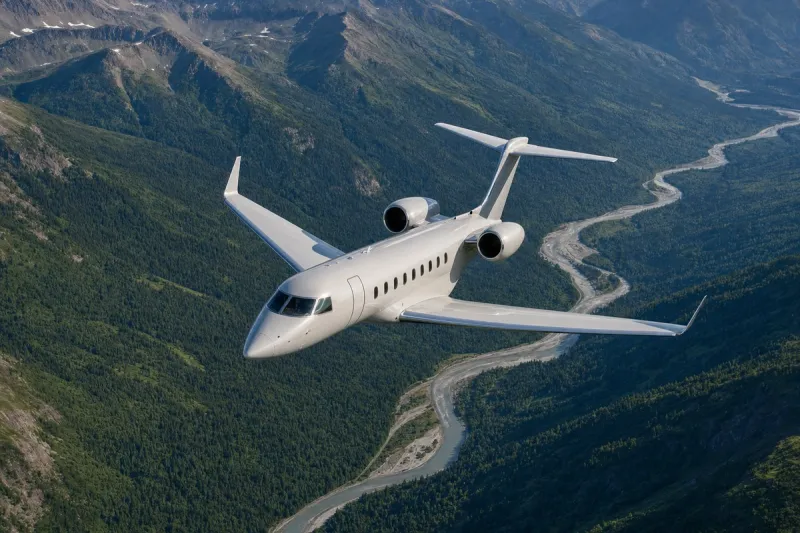
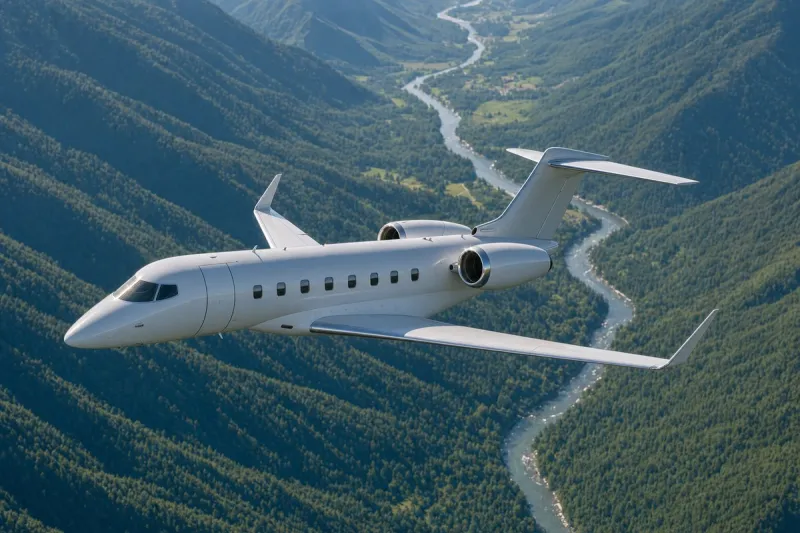
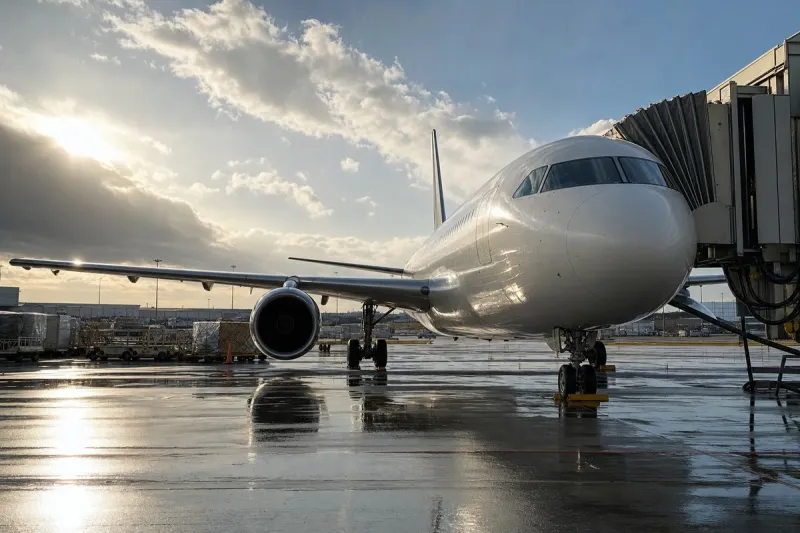
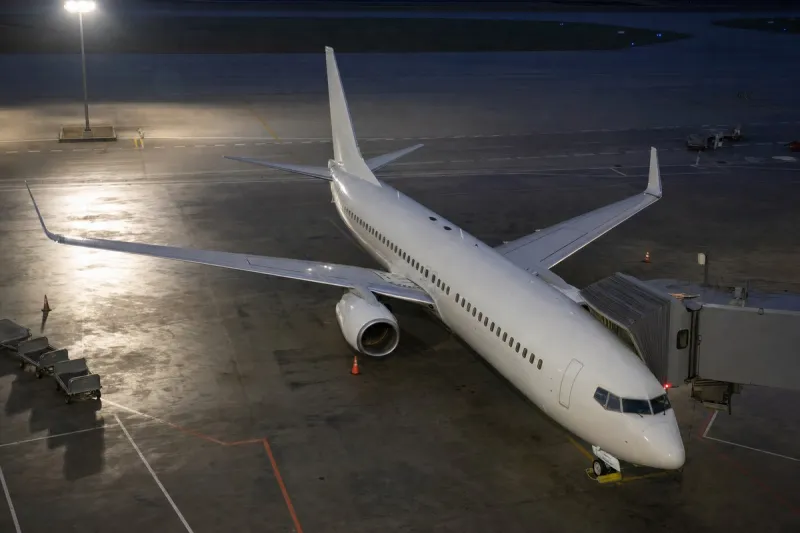
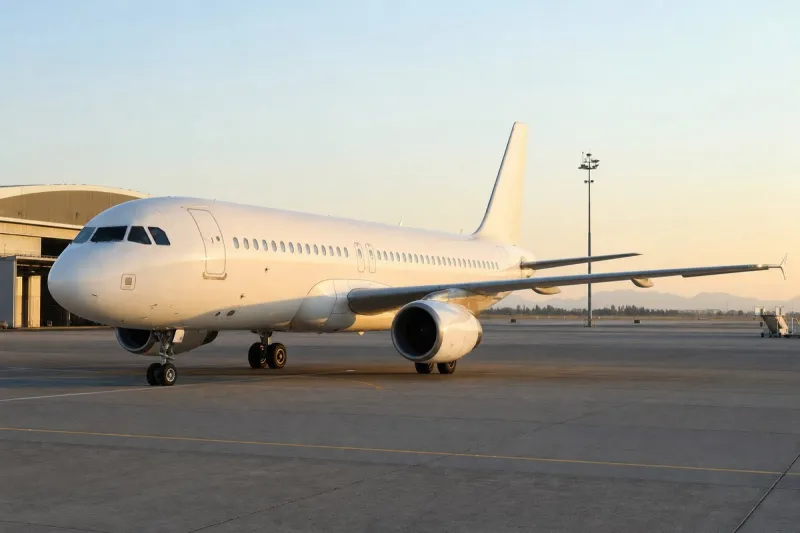
Magnifica Air will launch its first flight in early 2028, the company told Travel + Leisure. The planned fleet is made up of Airbus A220-300 and A321neo aircraft, each configured as a low-density cabin carrying up to 54 guests with several private suites. A company announcement dated October 14, 2025 put the figure at 45 to 54 passengers per aircraft, with two to four private suites each.
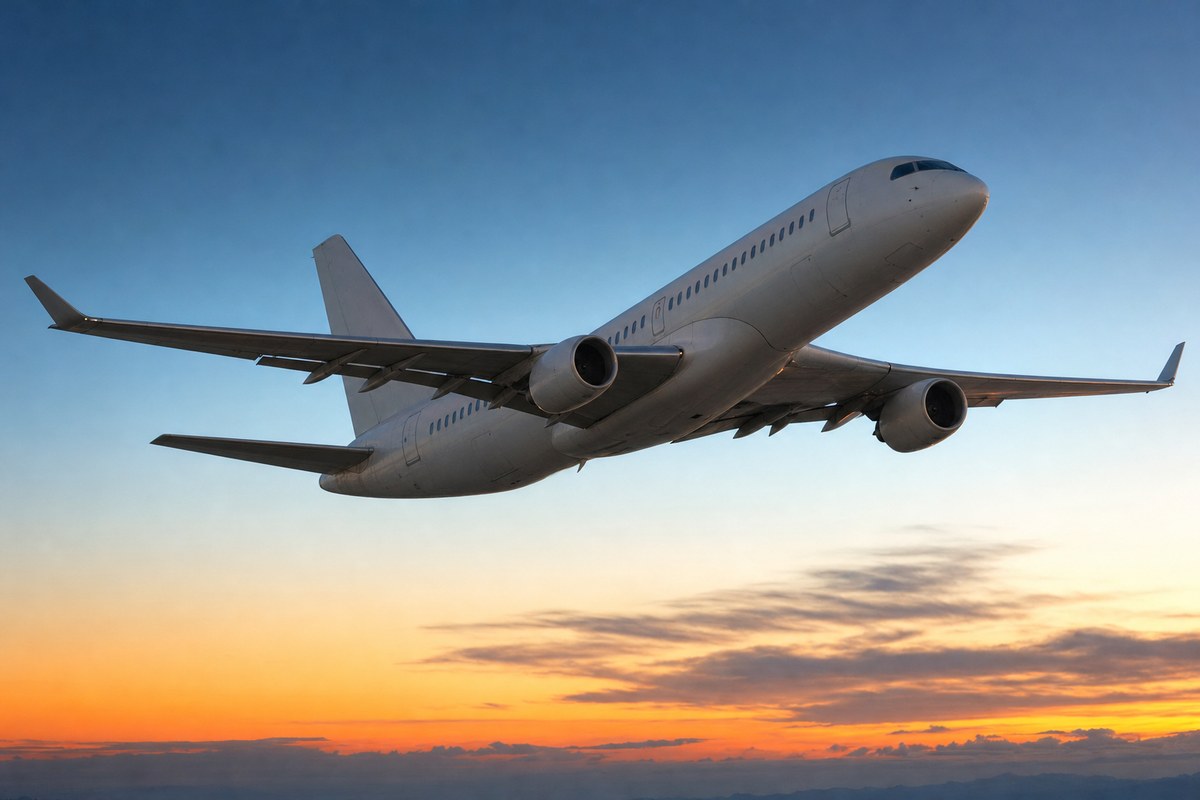
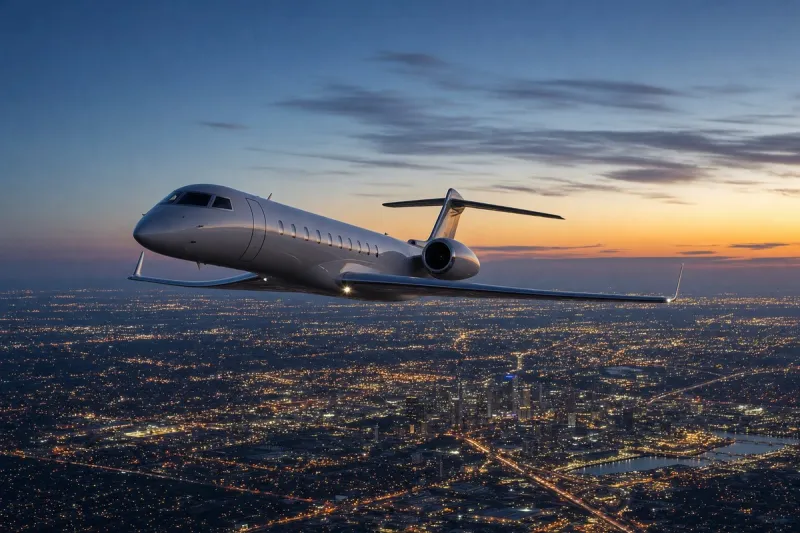
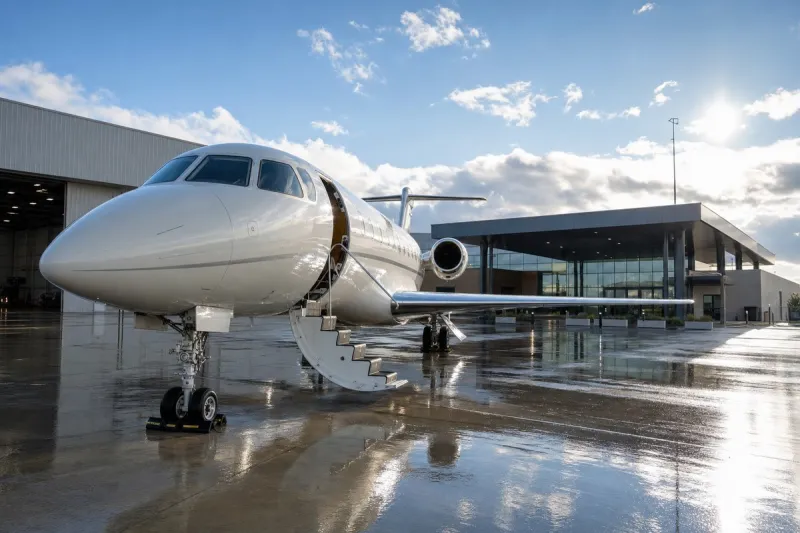
The airline aims to bridge the gap between private aviation and commercial first class. Travelers will be able to book online or through a concierge and depart from private terminals. Tickets can be booked individually for each flight, and seats will be priced at roughly 1.5 to 2 times first-class fares, according to the company. Initial routes will include New York City, Miami, Houston, Dallas, Palm Beach, Los Angeles and San Jose, with a phased expansion planned afterward.
Alongside the airline, the company will launch The Seven Club by Magnifica Air, a private membership platform with invitations to special events, such as artist-led in-flight curation at Art Basel and tailored packages at sporting events including the Masters. Members will receive fixed pricing on certain flights. Family memberships start at $14,950 and corporate memberships at $29,950.
The October 2025 announcement said the fleet would be completed with VIP cabin outfitter Comlux and FBO specialist Sky Harbor and delivered through Air Lease Corp. CEO Wade Black said the first year had focused on laying foundations and that the next would bring together the aircraft, cabin, service, technology and people behind what the airline calls Private Class.
Industry impact & what to watch
Magnifica Air sits in a segment that already has reference points on both sides. JSX operates a public charter service from private terminals with 30 seats per aircraft, while Flexjet runs a fractional-ownership model with on-demand private flights. A 54-seat cabin priced per seat, with the ticket fixed at roughly 1.5 to 2 times first-class fares, lands between those two models and between private aviation and commercial first class.
The economics of that position depend on filling a larger aircraft than a charter operator would use while holding a fare premium over first class. That puts weight on the route list: the initial network is concentrated in business and leisure markets in the United States, and the phased expansion that follows will show where demand actually supports a premium per-seat product.
The next concrete milestone is the early-2028 first flight, which is also when the fleet configuration, the Comlux cabin work and the Air Lease delivery arrangement have to come together in service.