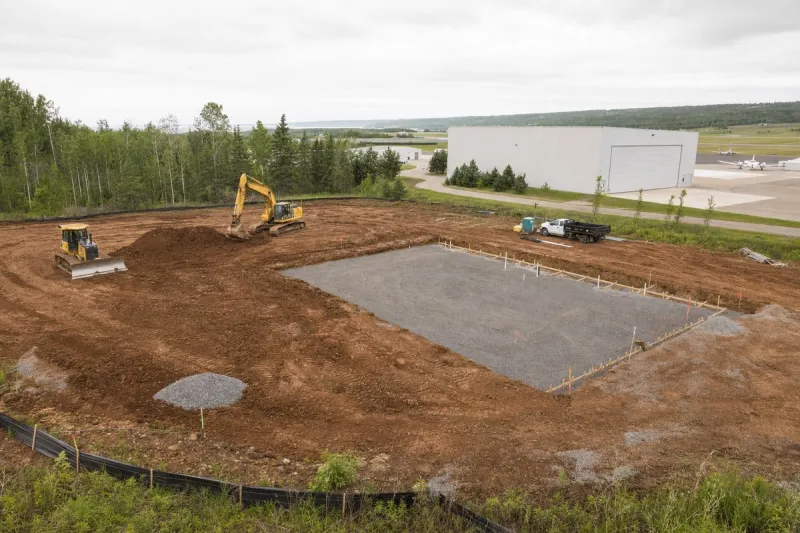
SR Aviation Infrastructure Breaks Ground on 75,000-Square-Foot Hangar Project at Harry Reid International Airport
Why It MattersThe build shows hangar capacity at busy leisure-and-convention airports being replaced and enlarged for bigger corporate jets, with developers redeveloping decades-old sites into individually leased units rather than adding new land.
What happened
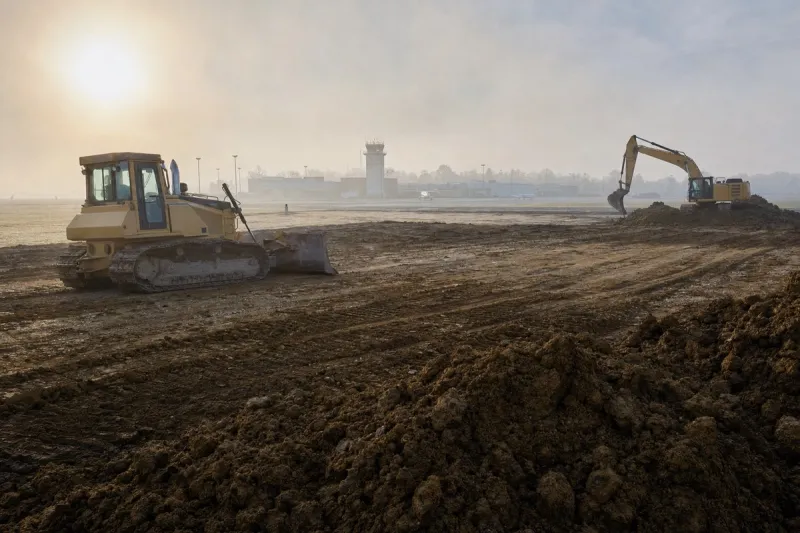
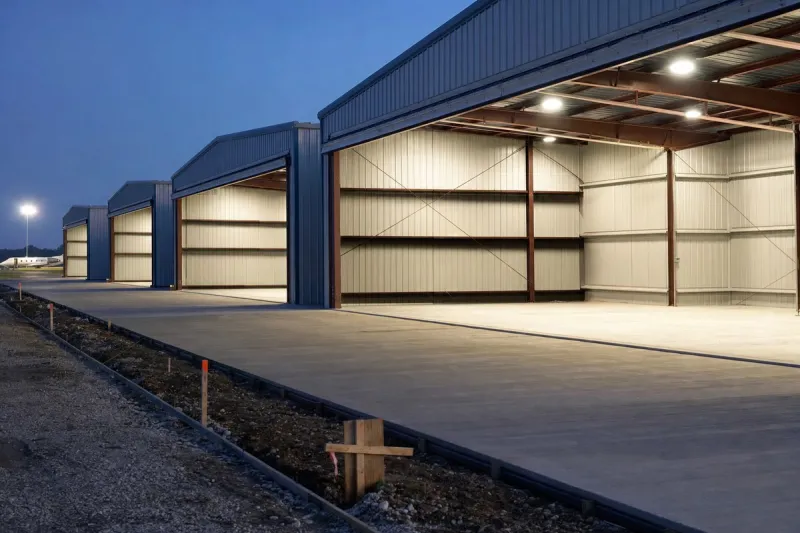
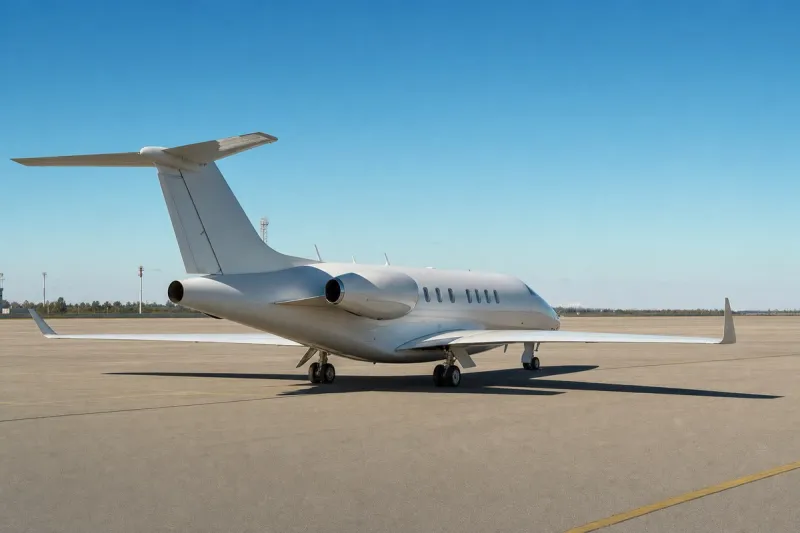
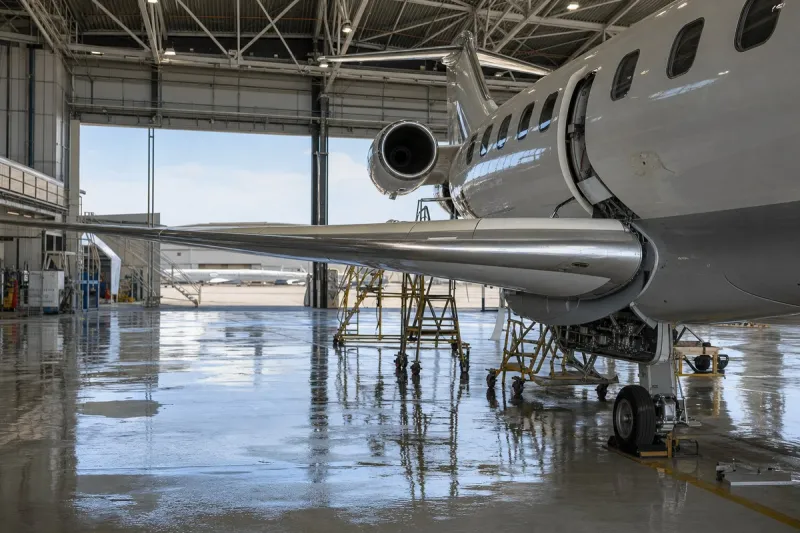
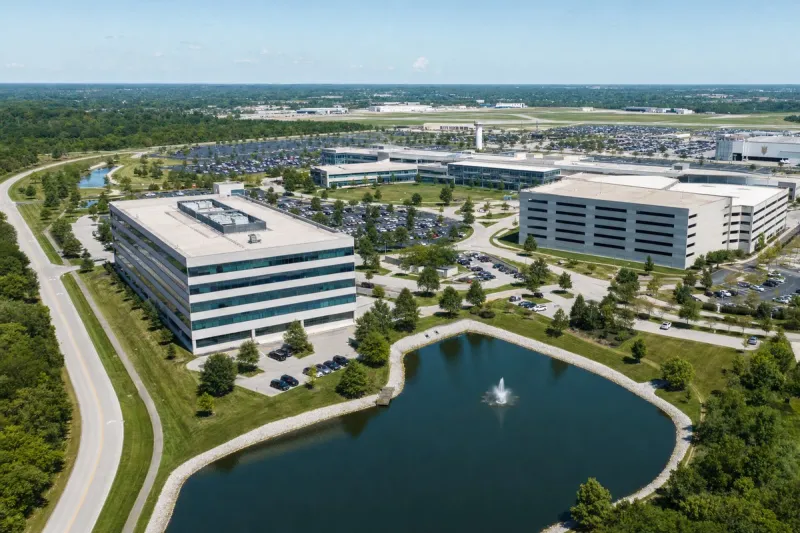
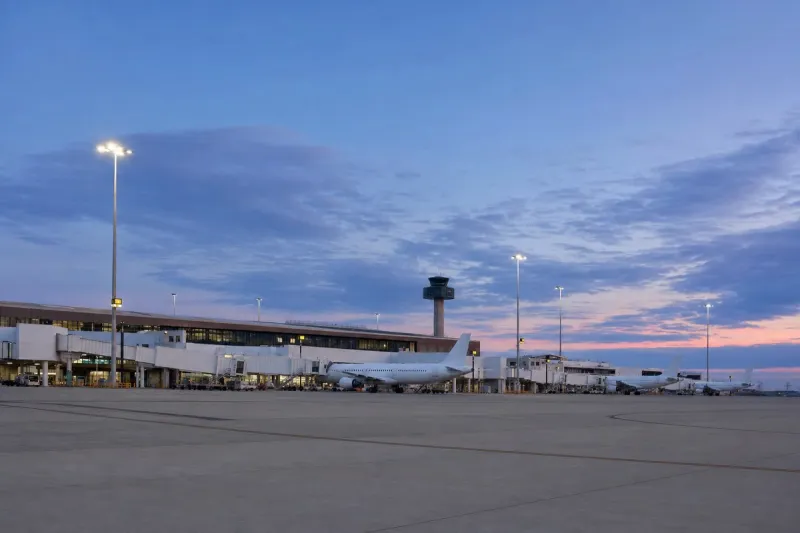
SR Aviation Infrastructure, a subsidiary of New York- and Nashville-based real estate investment and development firm SomeraRoad, has broken ground on three new 25,000-square-foot hangars at Harry Reid International Airport in Las Vegas. Together the 75,000-square-foot SRAI Las Vegas hangars can house up to six moderately sized corporate aircraft. They are being built on Reno Avenue, adjacent to the Las Vegas Strip. Financial terms were not disclosed.
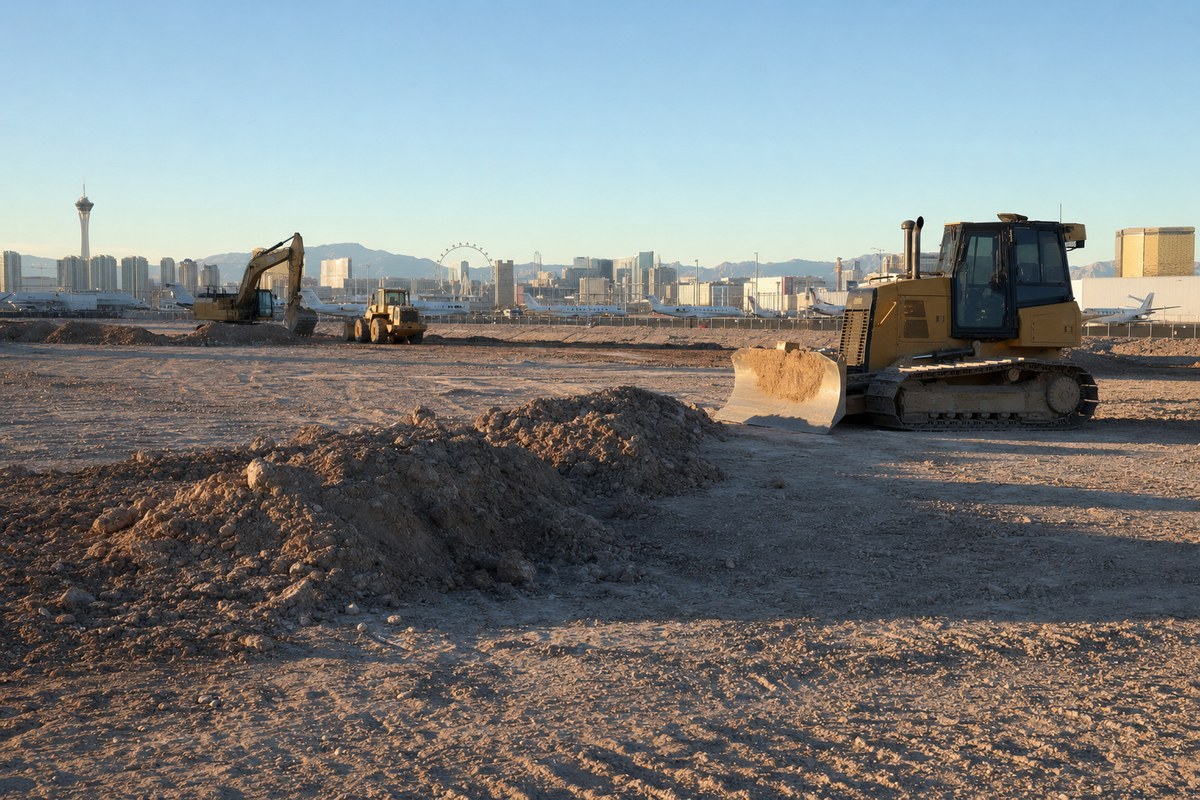
The project redevelops part of an existing 23-acre complex, replacing 14 of its 37 hangars. When complete, expected by the first quarter of 2028, the site will comprise 26 individually leased hangars totaling about 315,000 square feet, all with direct runway access.
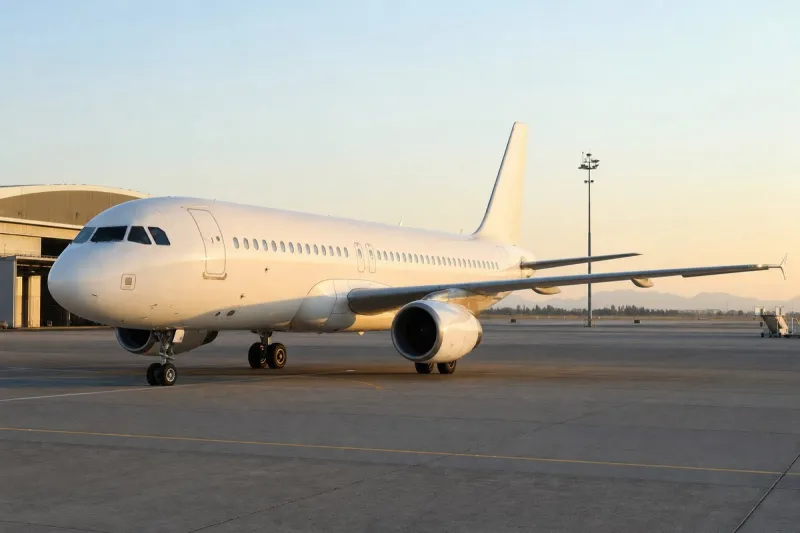
Jonathon Reeser, president of SR Aviation Infrastructure, said demand for additional hangar space is being driven by rapid growth in corporate flying to and from Las Vegas and by corporate executives attending leisure events. He said the hangars will serve larger private jets used by corporations, high-net-worth individuals and government, and will replace infrastructure built in 1985. He cited Las Vegas becoming home to three major professional sports franchises and the city's convention business as additional factors, and noted the airport's ranking as the sixth busiest in the country.
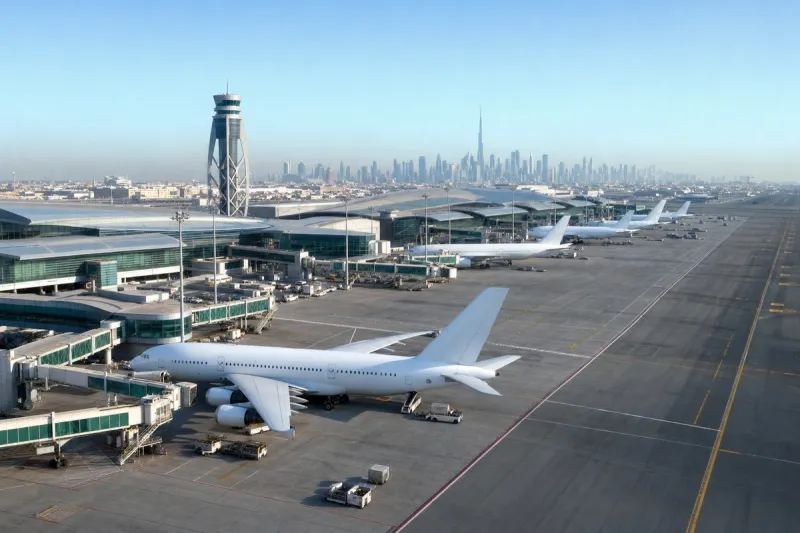
Reeser said one lease has already been signed, with significant interest in the other two hangars. The timing coincides with Clark County terminal and ramp improvements on the airport's west side.
Industry impact & what to watch
Hangar supply at busy airports tends to lag the aircraft it has to hold. Structures built in 1985 were sized for a different generation of business jets, and as fleets move toward larger cabins, older buildings lose usefulness even when the land under them remains valuable. A developer that swaps 14 older hangars for three larger ones, then leases the units individually, is converting that obsolescence into rentable space for the heavier aircraft corporate and government flight departments now operate.
The demand drivers Reeser names, event-driven and convention travel plus new sports franchises, point to a market where aircraft arrive in bursts and need somewhere to sit between trips. Hangar space matters most to owners and management companies who base aircraft locally or need covered parking during multi-day events. With one of three leases already signed, early uptake offers a first read on whether tenants will pay for new, larger bays.
The next checkpoints are the remaining two leases and construction progress toward the first-quarter 2028 completion date. The Clark County terminal and ramp work on the west side, running in parallel, will shape how smoothly aircraft move on and off the field while the site is under construction.