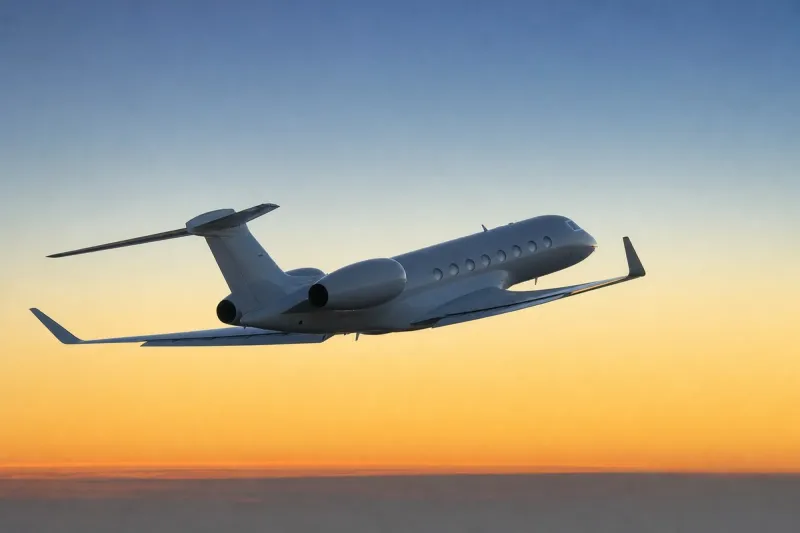
Burnham's Manchester stopover on Antigua trip stirs row over UK prime ministerial jet use
Why It MattersGovernment-operated executive aircraft remain defensible mainly on security and logistics grounds, but their tolerability depends on visible national-interest outcomes, since public scrutiny falls on perceived perks rather than the underlying lease economics.
What happened
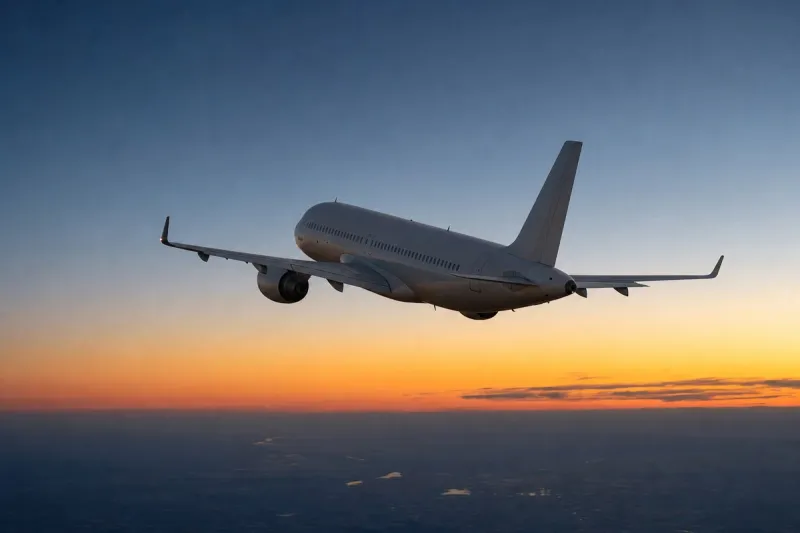
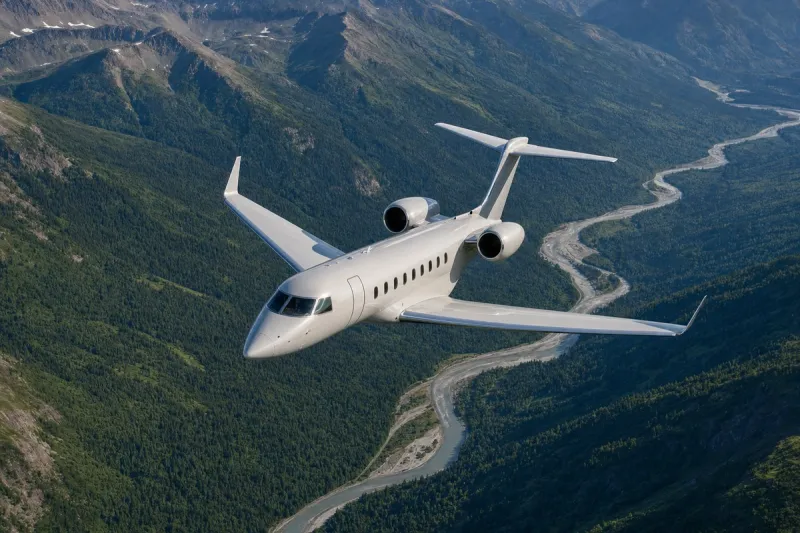
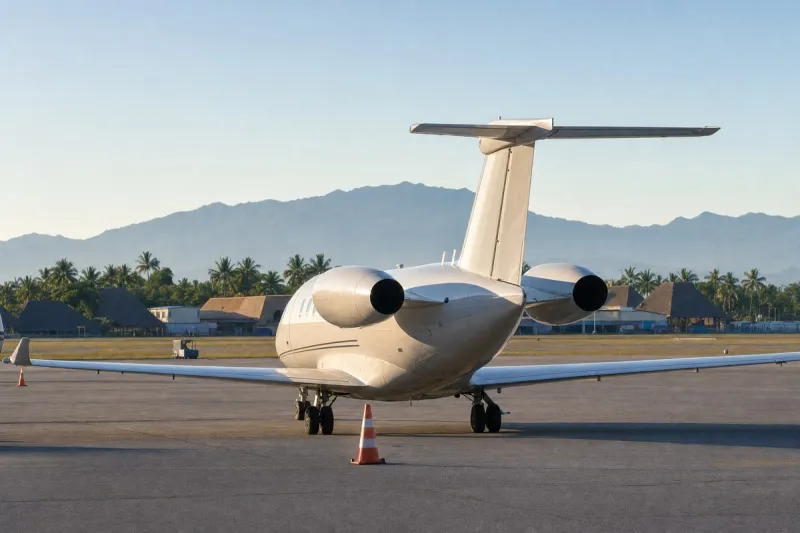
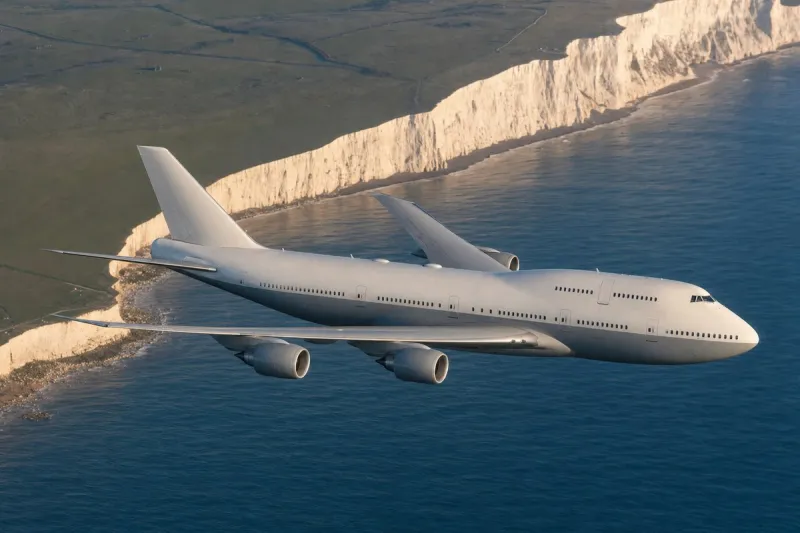
The prime ministerial aircraft made a stopover in Manchester on its way to Antigua, carrying Andy Burnham, and the stop has generated anger. An opinion column by political strategist James Sorene, published by LBC, describes it as blurring the boundary between official travel and personal convenience.
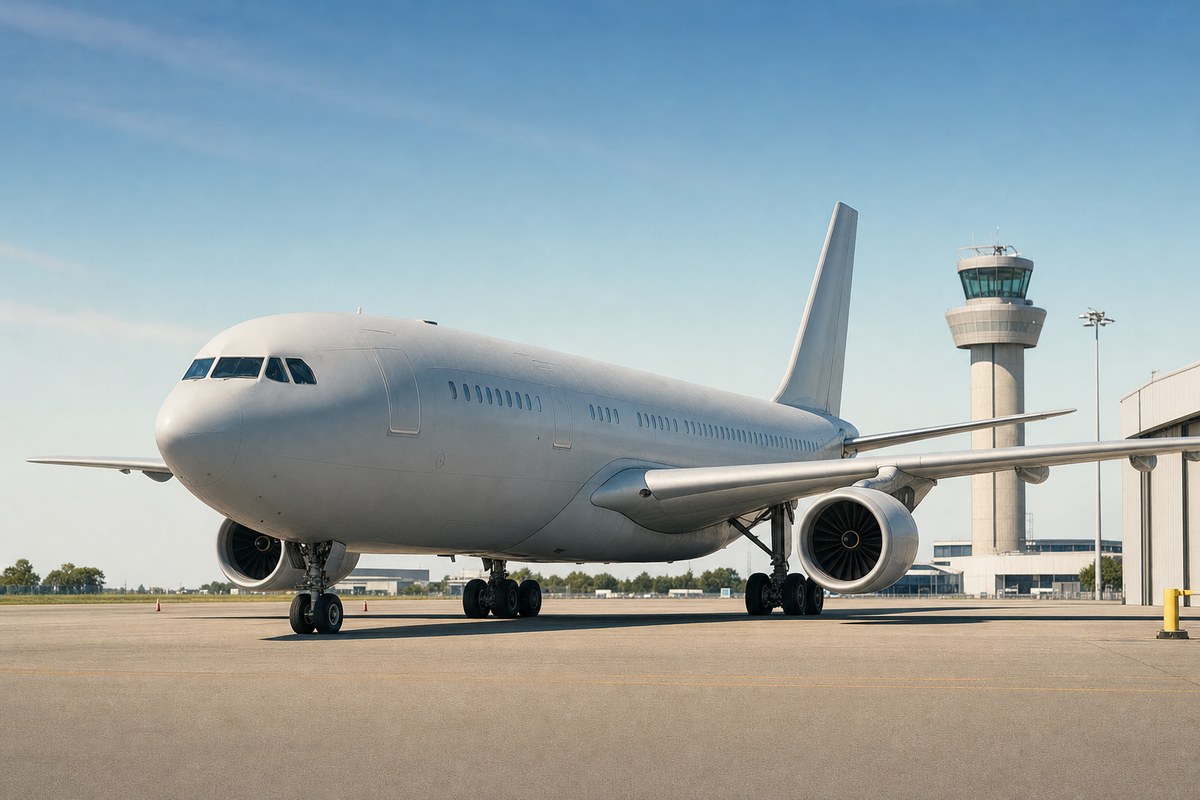
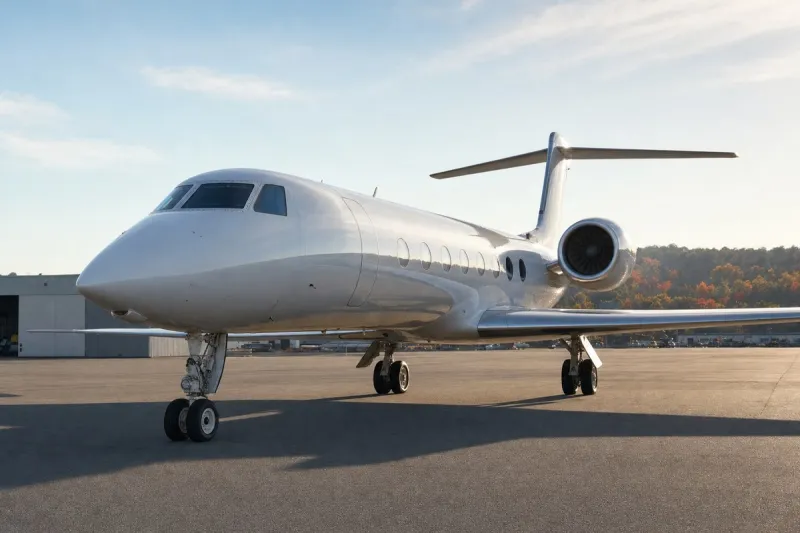
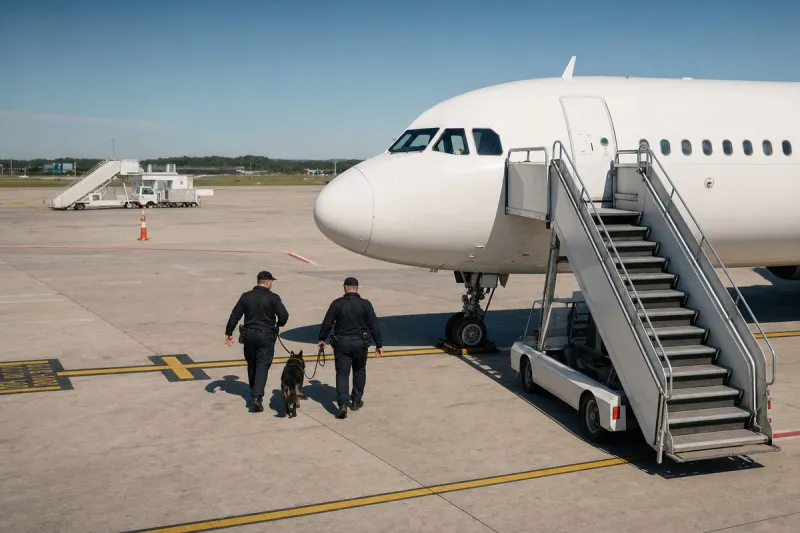
Sorene sets out the case for official private-jet travel. It eases security for the Metropolitan Police protection team by allowing the prime minister to move from car to private terminal to tarmac. It allows a vetted, invite-only passenger list, gives control over scheduling, and projects the UK's soft power.
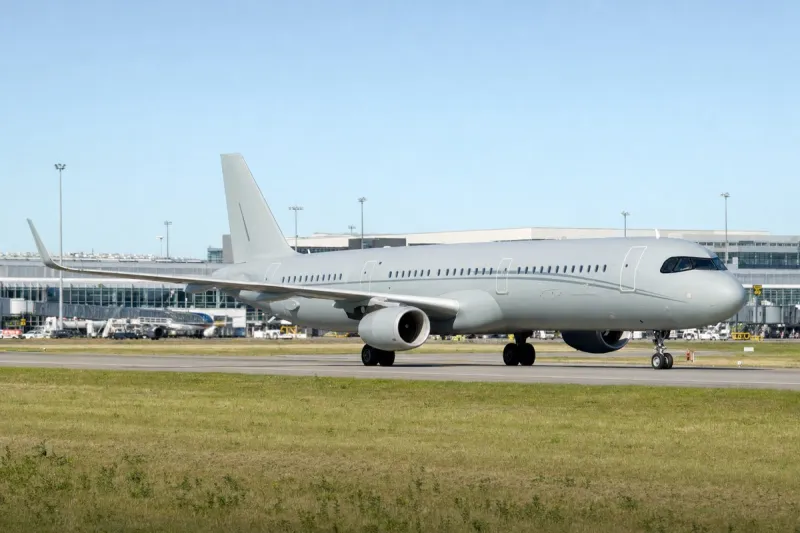
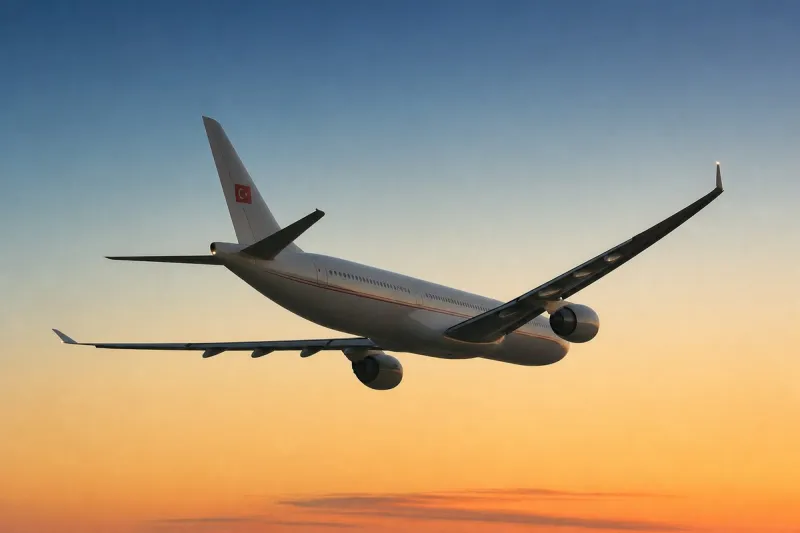
On cost, the column says the current contract to lease an Airbus A321 from Titan Airways costs more than £30m a year. Major long-haul trips cost in excess of £300,000, according to Cabinet Office details documenting travel by Prime Minister Keir Starmer.
Journalists on such trips pay for their own flights. For the Antigua trip, Number 10 took a small select group of journalists and excluded the wider press group, which the column says may have fuelled the story. Sorene is a Strategic Advisor at PLMR and a former Government Director of Communications.
The unofficial contract with the public
Sorene argues there is an unofficial contract between the public and government. Under it, travel resembling the lifestyle of the super rich is tolerable during a cost-of-living crisis if it advances the national interest and delivers tangible outcomes.
He says the contract breaks when a prime minister and his team appear to exploit the perks of office. The risk is greater for Burnham, he writes, because his 'man of the people' image is central to his identity and political legitimacy. His conclusion is that Burnham should focus on how his actions appear to ordinary people.
Industry impact & what to watch
For the business-aviation market, the episode shows how government-operated executive aircraft are judged. The operational case rests on protection, passenger control and scheduling certainty, and those arguments hold regardless of who sits in the cabin. The political case is different, because a stopover that looks like personal convenience draws attention to the whole arrangement, including a lease that runs above £30m a year, rather than to the single trip.
That pattern matters for anyone supplying or leasing aircraft to government. The lease is a fixed, visible cost line, and each flight is scrutinised against it, so passenger lists, routing and press access all become part of how the aircraft's value is argued in public.
The next test is how Number 10 handles the line between official and personal travel on later trips, and whether its handling of journalist access on those flights changes.