Solace Global Gulf Update: Airspaces Open as US Midterms Raise Risk of Renewed Strikes on Iran
Why It MattersOpen Gulf airspace sits beside a live strike risk, so the exposure is concentrated in Saudi airports and in fares and schedules tied to Gulf-wide escalation.
What happened
Solace Global's 3 November 2026 Gulf States update says the US midterm elections held that day could remove a key political constraint on renewed US military operations against Iran. Gulf governments have been briefed on possible strikes as early as 4 November. President Donald Trump said on 2 November that he was in no hurry to resume strikes, and Secretary of State Marco Rubio said on 31 October that no decision had been made.
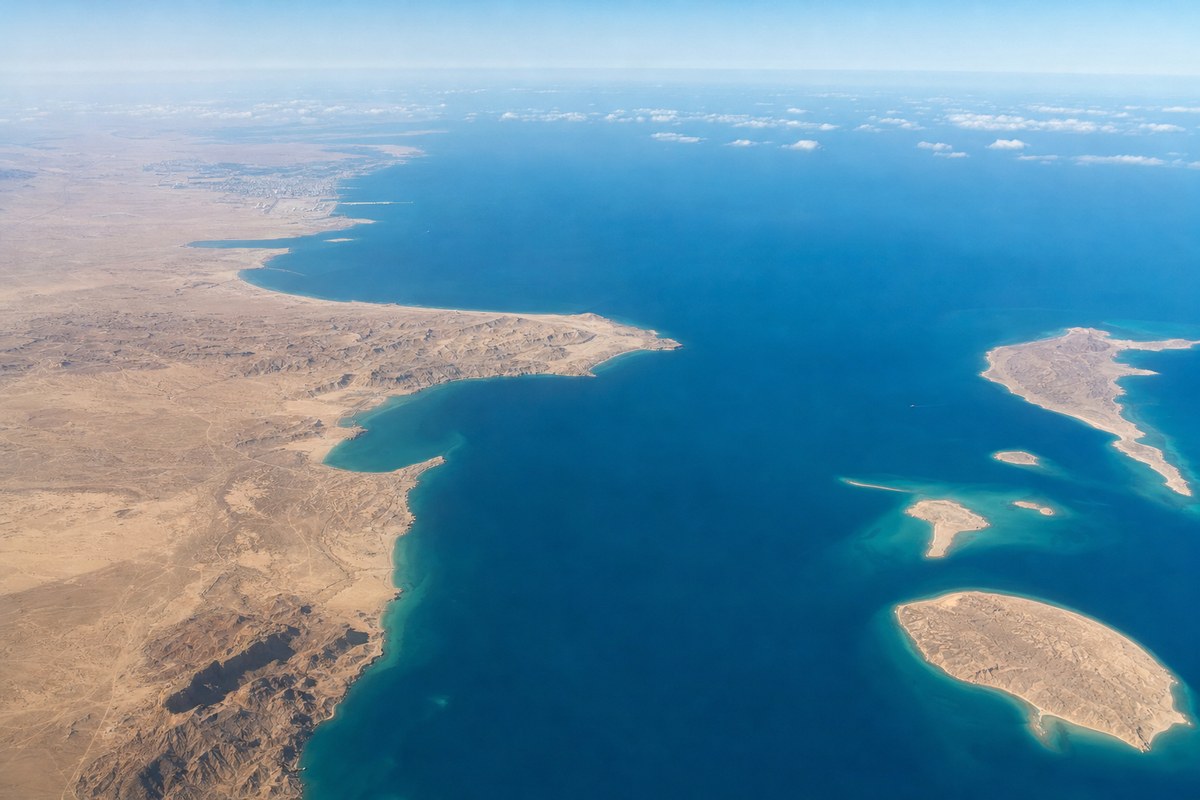
On 2 November, US forces struck radar installations and surface-to-air missile launch sites on Iran's Qeshm Island after Iranian forces were claimed to have fired surface-to-air missiles at a US fighter jet; US officials described the strikes as defensive. Iranian retaliation has not yet been observed. The Islamic Revolutionary Guard Corps claimed the same day to have downed or captured three US drones near the Strait of Hormuz, a claim that remains unverified. On 31 October, Supreme Leader Mojtaba Khamenei ordered an immediate response without geographical limitations to any renewed US attack.
Qatari-mediated talks have continued without agreement. Iran's delegation left Doha on 1 November after three days of talks, though Tehran said indirect exchanges were continuing. On 31 October, Foreign Minister Abbas Araghchi announced a revised proposal to reopen the Strait of Hormuz within two days, conditional on the lifting of US restrictions on Iranian oil exports, the release of frozen assets and recognition of a new shipping corridor agreed with Oman. Attacks on commercial shipping have continued, including a Qatari-owned LNG carrier struck south of Lavan Island on 30 October.
Houthi missile and drone attacks on Saudi Arabia have continued at high intensity, with interceptions reported between 30 October and 3 November over Riyadh, the Mecca and Medina regions, the Eastern Province and southern Saudi Arabia. The Houthis claimed drone attacks on King Fahd International Airport in Dammam and on military aviation infrastructure in Jazan; these claims are unconfirmed. On 1 November, the Saudi-led coalition launched an operation targeting Houthi missile and drone support resources, with Houthi media reporting strikes on Ras Isa port in Hodeidah.
As of 3 November, the airspaces of Jordan, Saudi Arabia, Kuwait, Bahrain, Qatar, the UAE and Oman are open. King Khalid International Airport in Riyadh operates limited domestic and some international flights, with many foreign airlines continuing to suspend services to Riyadh and Dammam, some until late November. Jazan and Najran airports remain closed and Abha airport is only partially operational. No attacks were reported in Jordan, Kuwait, Bahrain or Qatar between 30 October and 3 November, and none in the UAE or Oman other than in their territorial waters.
Industry impact & what to watch
Open airspace across the Gulf does not mean the region is operating normally. The picture is split: most states report no attacks, while Saudi Arabia absorbs sustained Houthi fire and keeps several airports closed or limited. For operators and charter planners, risk in this region is local and uneven, and a single status line for the whole Gulf hides the airports where service is actually suspended.
When a state-level strike decision is pending, airspace status can change faster than airline schedules. Foreign carriers have suspended Riyadh and Dammam services, some until late November, which shows that commercial decisions already sit more cautiously than the airspace notices themselves. Routing, crew positioning and insurance questions follow the carriers' stance rather than the open-airspace headline.
The next markers are whether strikes begin from 4 November, whether Iran carries out the response Khamenei ordered, and whether the Qatari-mediated exchanges produce any agreement on the Strait of Hormuz proposal.