Cessna Citation Latitude Reaches 500th Rollout as Planning Range, Cabin and Cost Figures Detailed
Why It MattersA 500-unit run with 261 fractional and 224 whole-ownership aircraft shows a midsize type sustained by fleet-program demand, whose utilisation and per-hour cost, not delivery volume, now set its value.
What happened
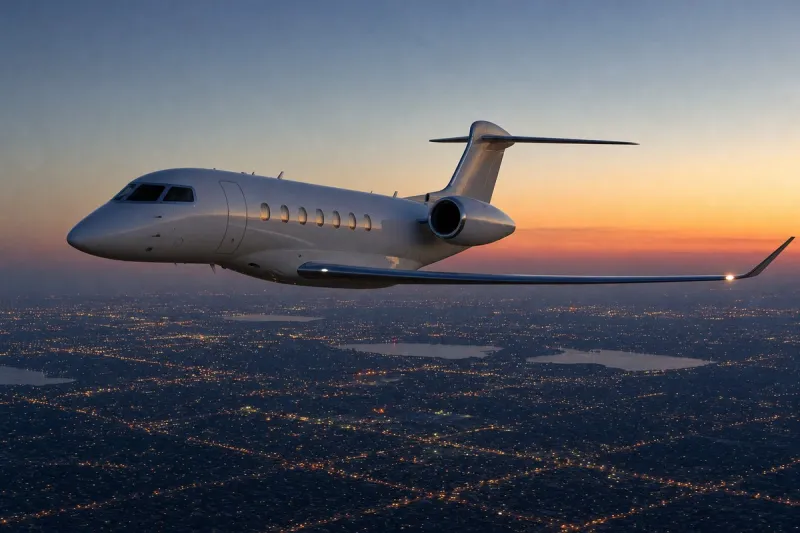
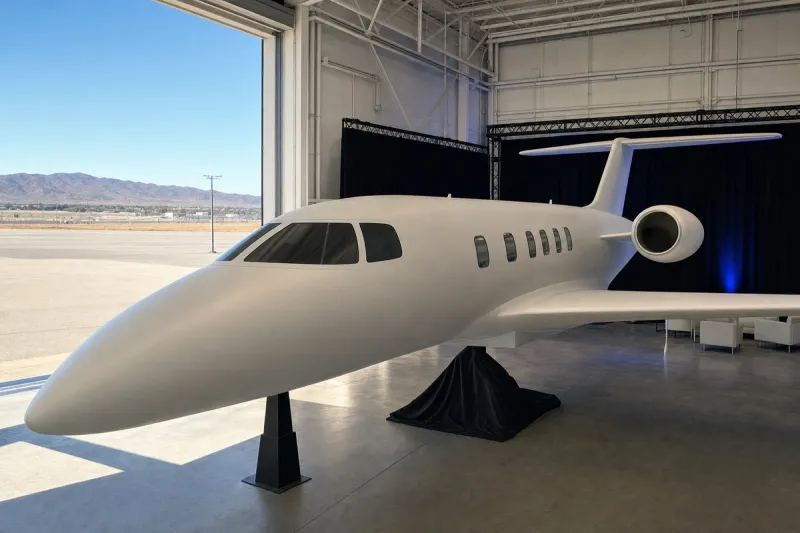
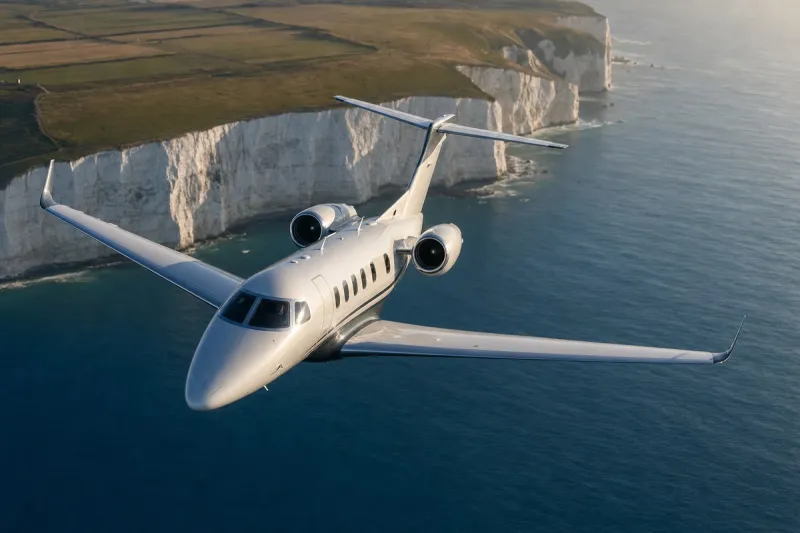
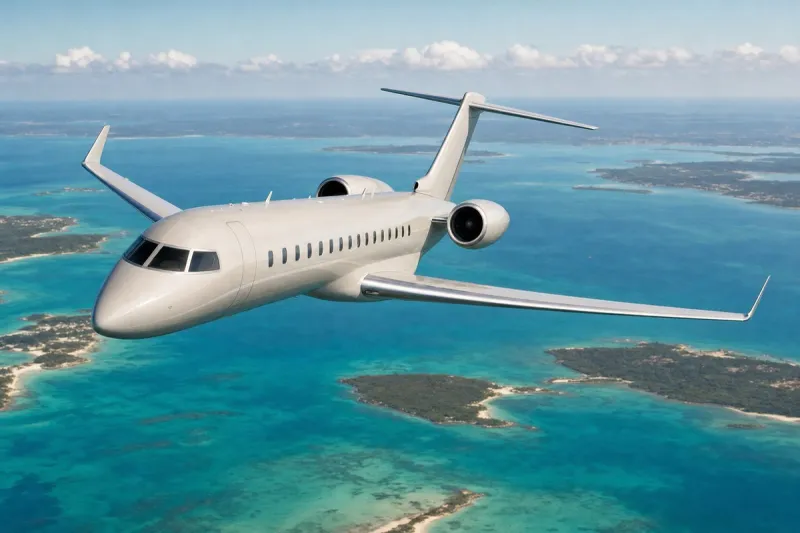
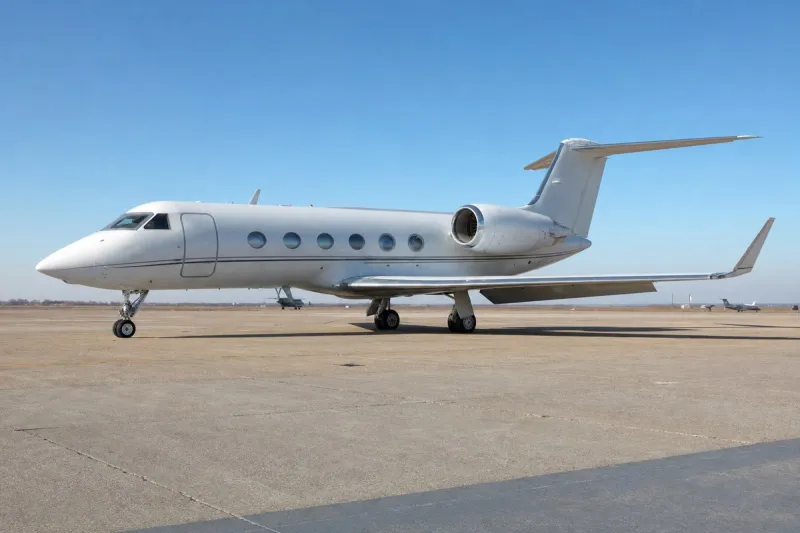
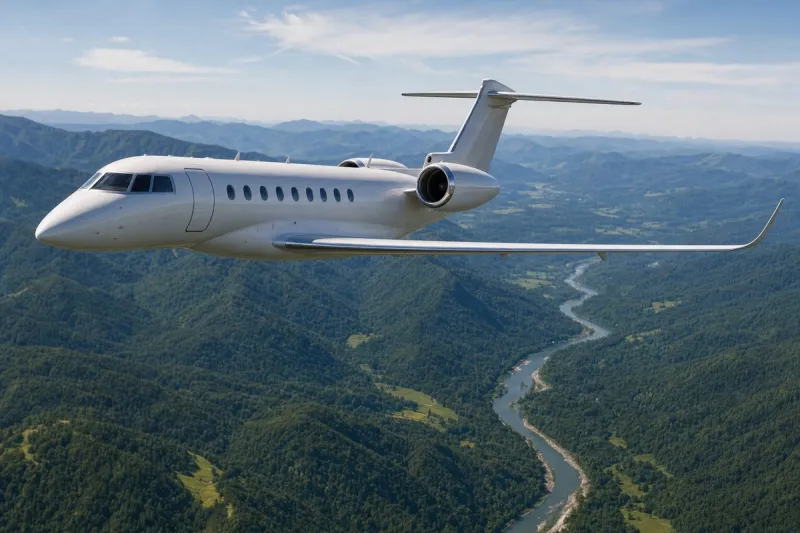
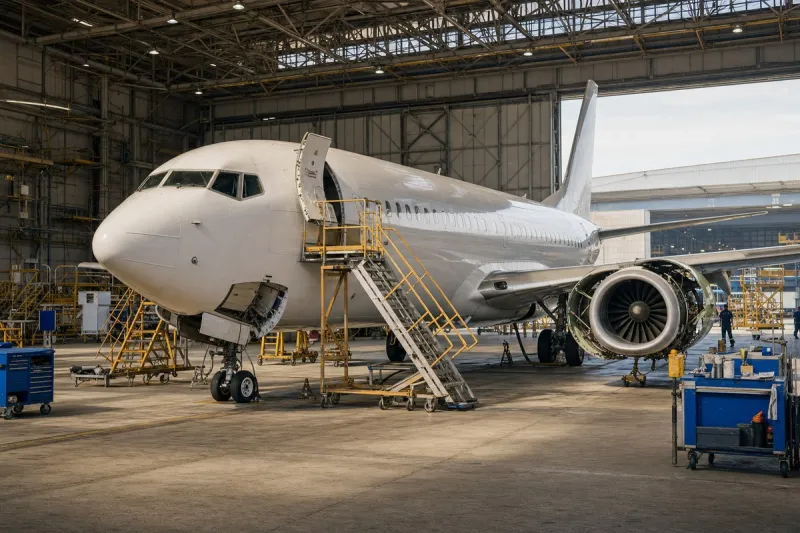
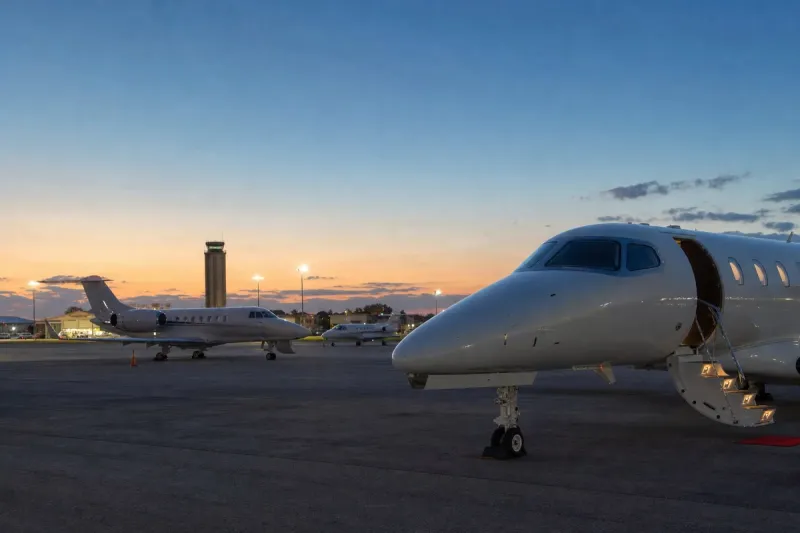
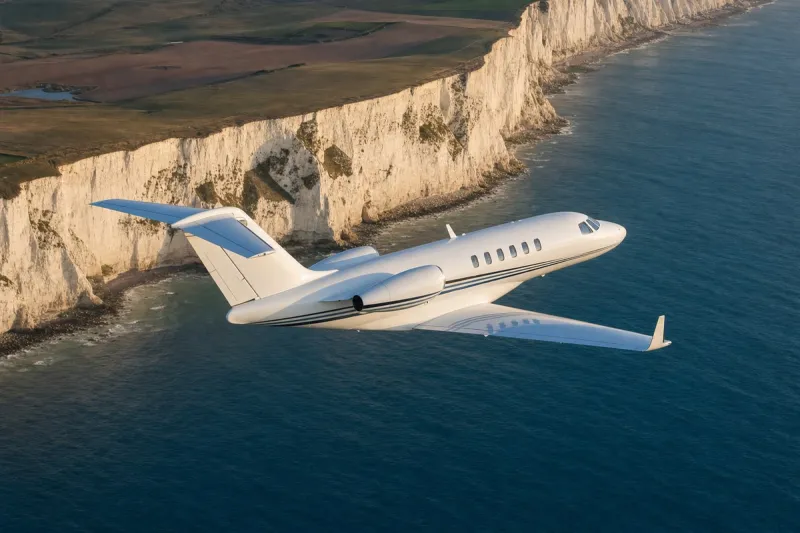
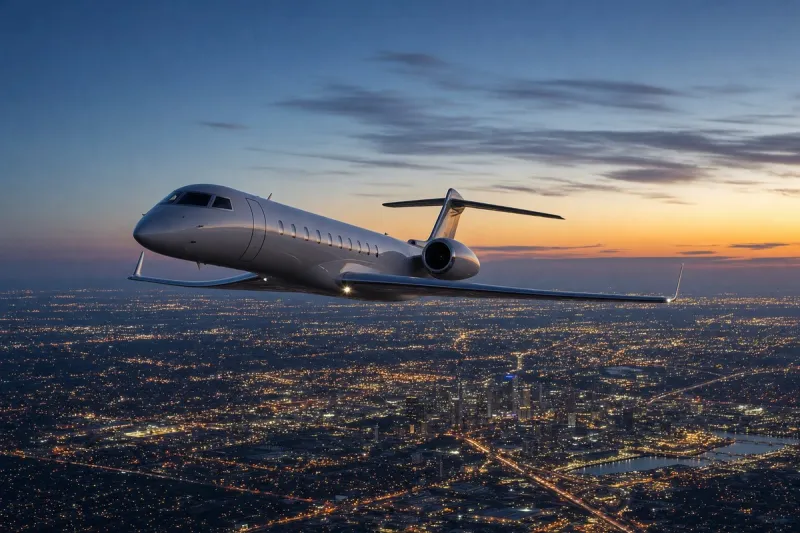
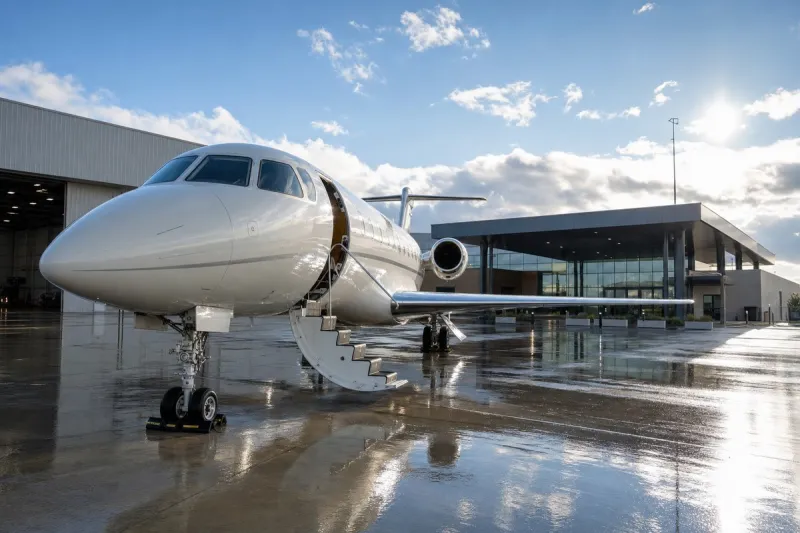
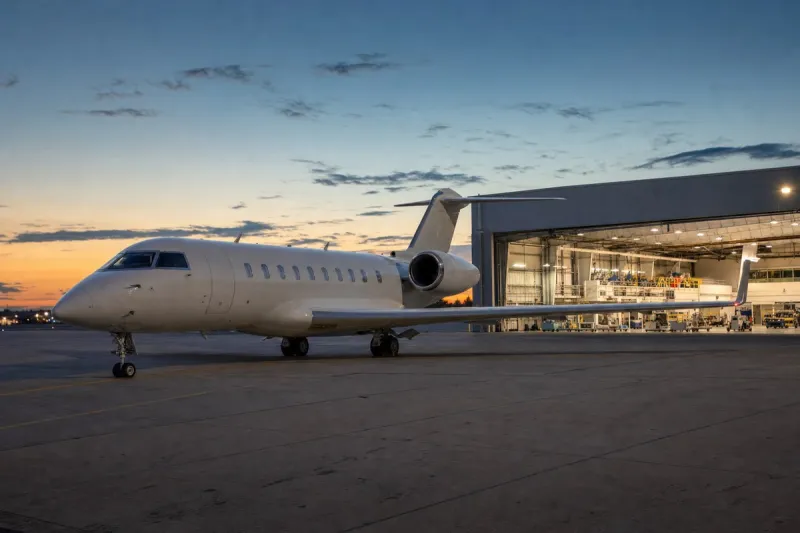
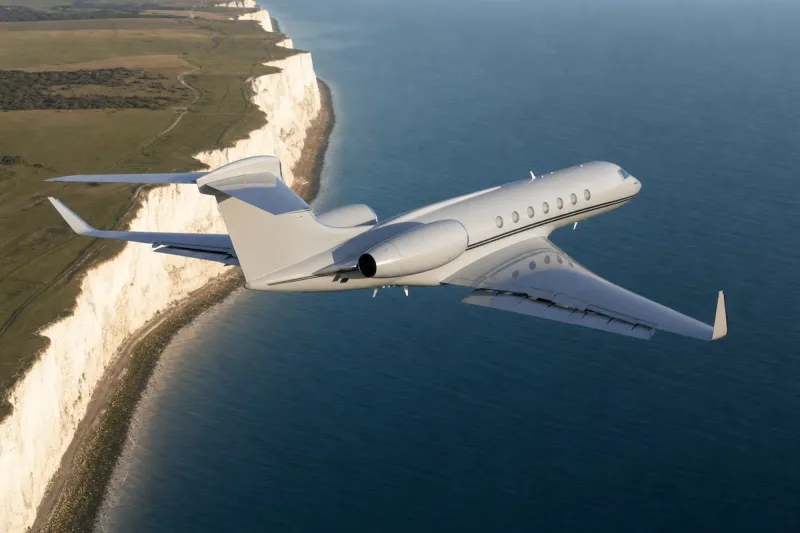
Textron Aviation announced the rollout of the 500th Cessna Citation Latitude from its Wichita, Kansas, facility, a production milestone for what the company calls the world's best-selling midsize business jet. GAMA counted 47 Latitude deliveries in 2025, and Textron delivered 11 Latitudes in the third quarter of 2026, unchanged from a year earlier.
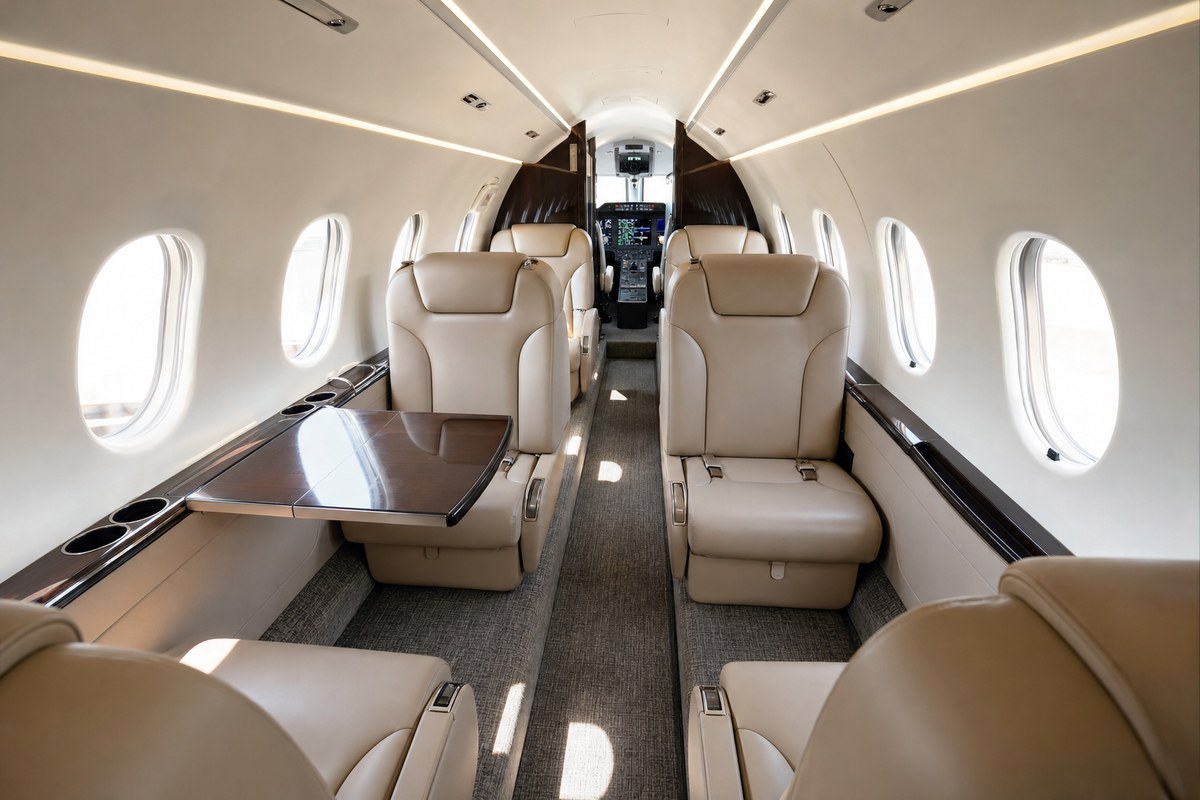
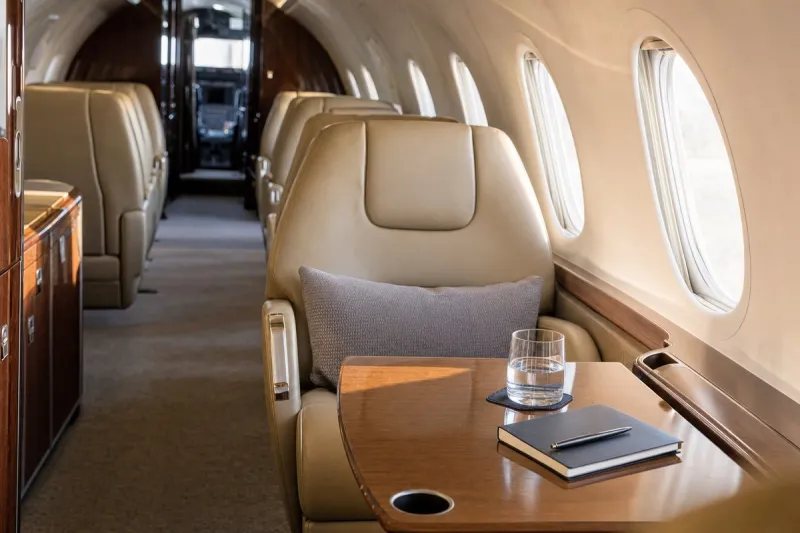
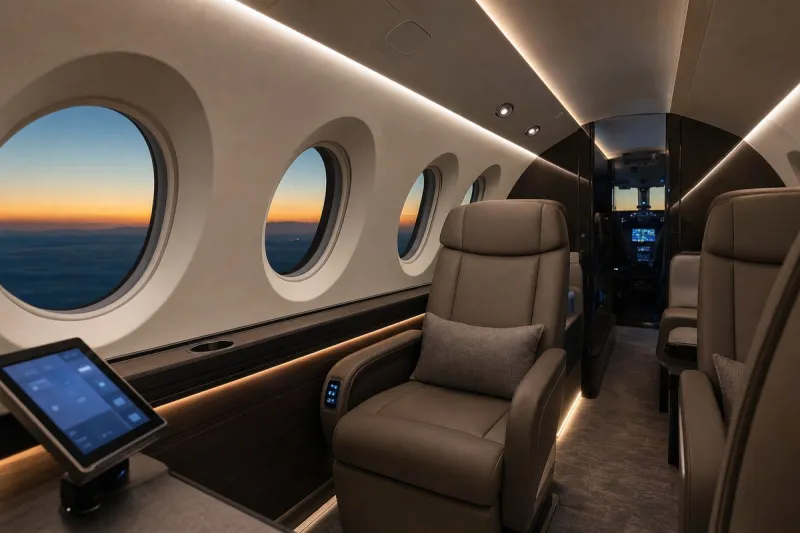
Textron gives the cabin as 72 in (1.83 m) high, 77 in (1.96 m) wide and 21 ft 9 in (6.63 m) long, with a flat floor and seating for up to nine passengers. Duncan Aviation lists 587 cubic feet of cabin space and 127 cubic feet of baggage space, of which Textron says 100 cubic feet is in the external hold. Maximum cruise speed is 446 ktas and the full-fuel payload is 1,000 lb. Power comes from two Pratt & Whitney Canada PW306D1 engines, with a Garmin G5000 flight deck and autothrottles.
Textron quotes a four-passenger range of 2,700 nm (5,000 km) at high-speed cruise. Duncan Aviation's planning figures are 2,455 nm NBAA IFR range with all seats full and 2,870 nm ferry range with no passengers. Textron lists a take-off field length of 3,580 ft (1,091 m) at maximum take-off weight and a landing distance of 2,480 ft (756 m).
JETNET data published by AvBuyer count 492 Latitudes, of which 476 are in operation: 261 fractionally owned and 224 in whole ownership. NetJets Europe, which took its first Latitude in 2016, is the largest European operator. Avi-Go data put the Latitude fourth among European models in January–August 2025 with 17,461 movements (4.46%), and Europe's most-utilised model in June 2026 at 66.72% across 61 aircraft. Globally it led 2025 utilisation at a 52.2% active rate.
Operating cost and resale values
Duncan Aviation estimates total variable cost at $4,681 per hour, against $3,815 for the Citation XLS+, $4,769 for the Praetor 500 and $5,421 for the Challenger 350. Average fuel burn is 303 gallons per hour.
Duncan's indicative values for Latitudes built from 2015 onward run from $12.761m to $21.995m. In June 2026 The Jet Agent counted 7 available for sale, 1.5% of the fleet, and 10 sold in the prior six months at $12.5m to $16.05m.
In October 2026 the FAA certified Gogo Galileo HDX for the Latitude, to be installed at no charge on factory-new aircraft delivered from 2028.
Industry impact & what to watch
With 261 of 476 operating aircraft in fractional hands, the Latitude's profile is shaped as much by fleet programs as by individual owners. Fractional operators run aircraft at high utilisation, and that is consistent with the type topping both the European June 2026 table and the 2025 global active-rate ranking. In the midsize class, a type's standing tends to rest on how hard the installed base is flown, not only on how many units leave the factory.
The cost comparison also shows where the aircraft sits. At $4,681 per hour it costs more to fly than the XLS+ and less than the Praetor 500 and Challenger 350 on Duncan's figures, and it offers a 2,455 nm planning range with a full cabin. Resale tells a similar story: only 1.5% of the fleet was listed for sale in June 2026, a thin supply against 10 recent sales.
Production pace is the number to track. Eleven third-quarter deliveries, equal to the prior year, suggest output is steady rather than ramping, and the Gogo Galileo HDX install on factory-new aircraft from 2028 gives that delivery stream a dated milestone.