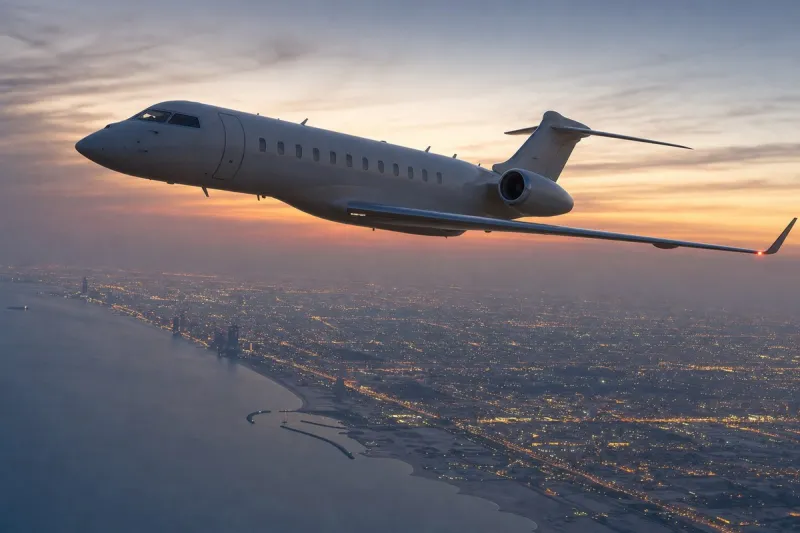
Bombardier Global Express: From 1991 Concept to 1999 Service Entry and a Four-Model Family
Why It MattersThe Global Express shows how business-jet makers can open a new long-range segment by consolidating acquired airframes and engineering teams under one roof and pairing them with international risk-sharing partners.
What happened
Bombardier Aviation, a division of the Canadian corporation Bombardier Inc., expanded rapidly in the late 1980s and early 1990s. It acquired Canadair in 1986, Short Brothers in 1989, Learjet in 1990 and de Havilland Canada in 1992.
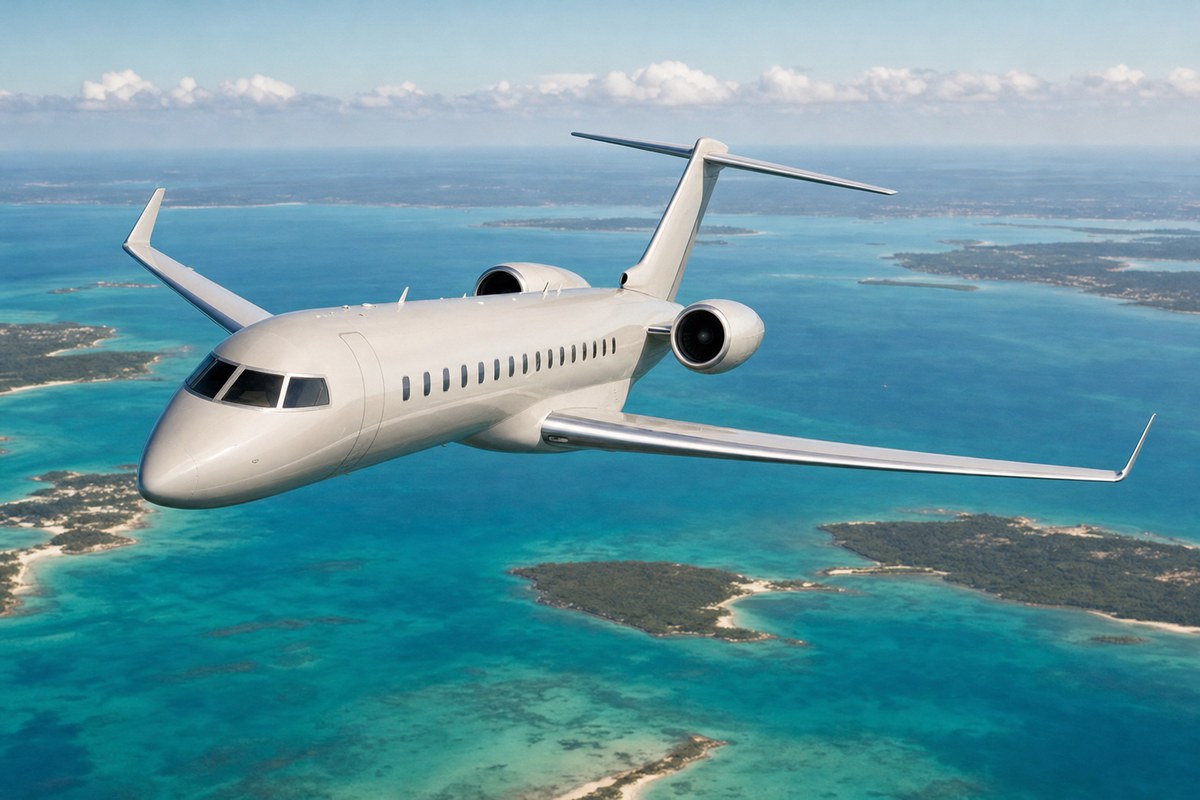
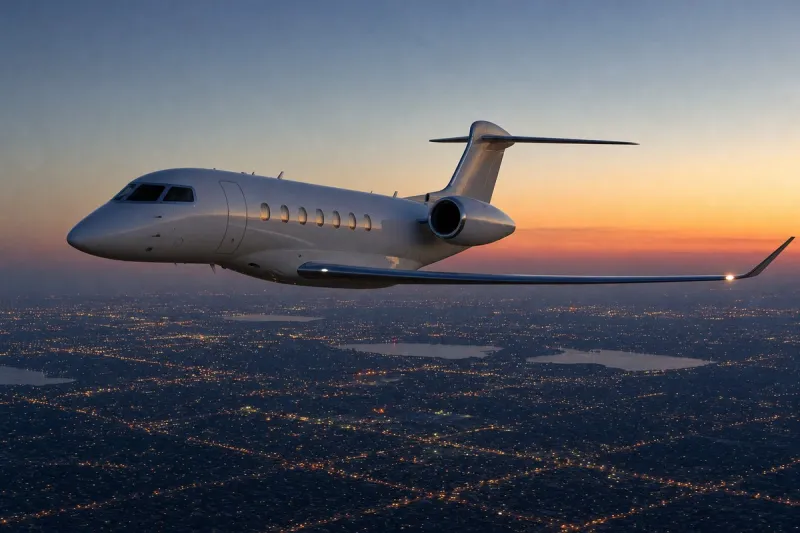
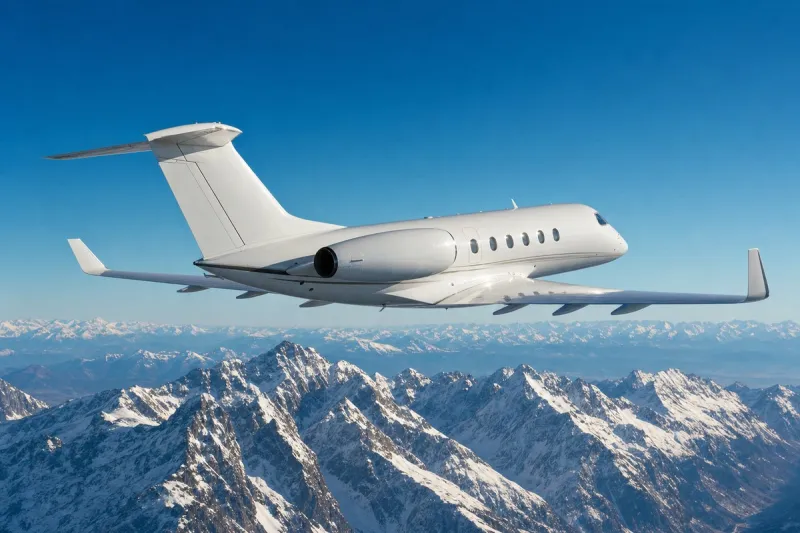
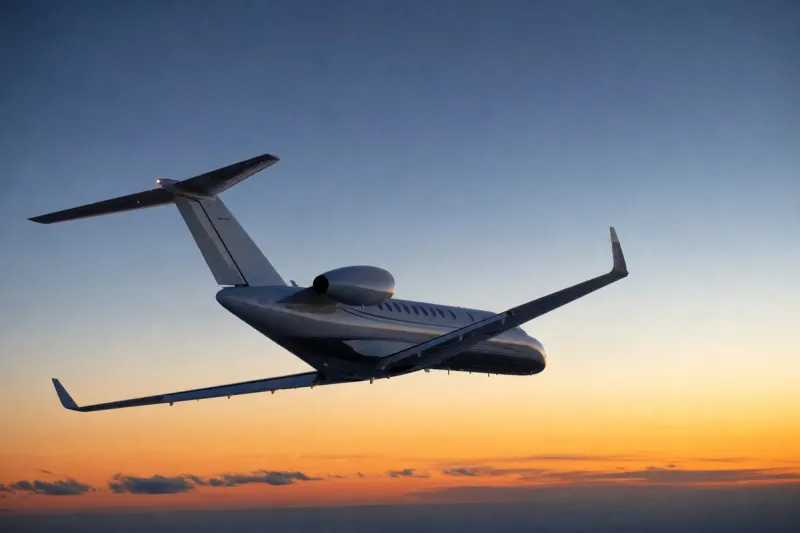
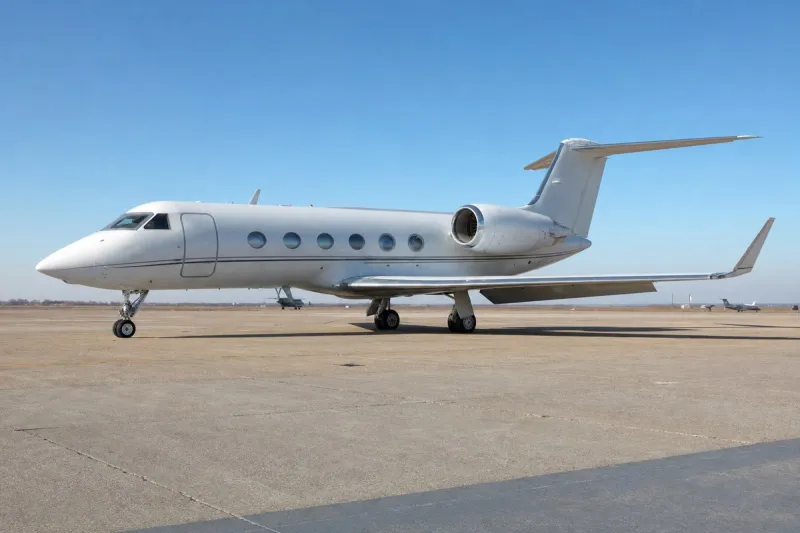
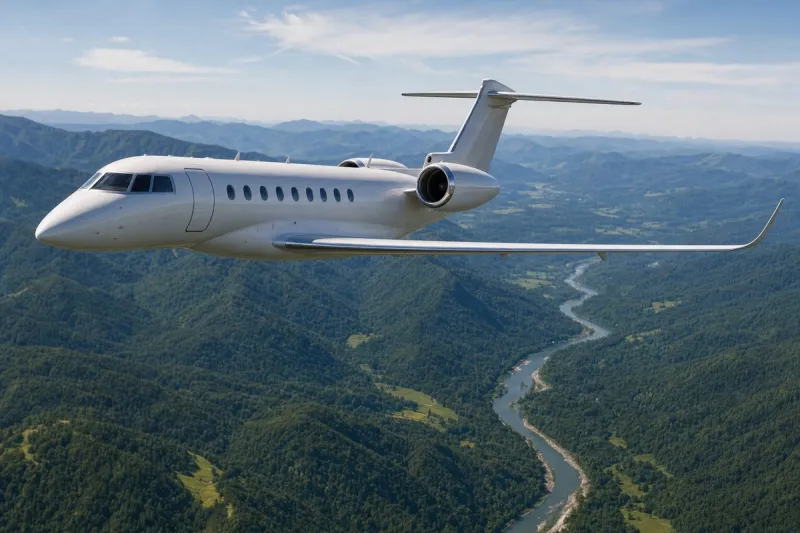
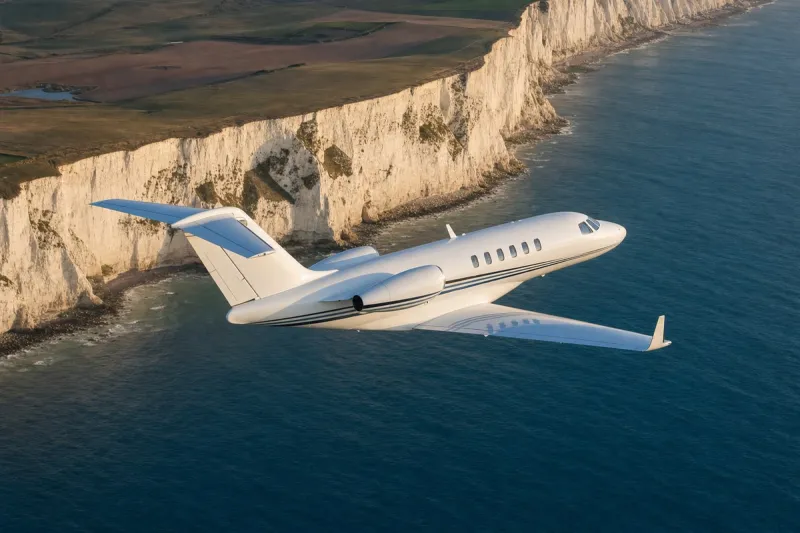
The Canadair deal brought the Challenger 600 into the Bombardier portfolio. That aircraft inspired development of a long-range business jet designed to carry eight passengers over a range of approximately 12,000 kilometres.
Development began in the early 1990s with partners including Mitsubishi Heavy Industries and the Anglo-German joint venture BMW Rolls-Royce.
Industry impact & what to watch
The sequence of acquisitions behind this programme is a common route to a new aircraft class: a manufacturer collects established airframe lines and engineering teams, then uses one of those designs as the starting point for a clean-sheet product aimed at a higher-value segment. Here the Challenger 600 supplied the lineage, and the range and passenger targets defined the market the new jet was meant to reach.
The partner structure also reflects how long-range business jets are typically financed and engineered. Bringing in Mitsubishi Heavy Industries and BMW Rolls-Royce spread development work and risk across companies in different countries rather than loading everything onto the airframe maker.
The headline's reference to a four-model family and a 1999 service entry marks the milestones against which the programme's long-run commercial result is judged.