Electric aircraft find early use in rural emergency response and climate monitoring, ahead of air taxis
Why It MattersSmall electric aircraft are finding their first working roles in rural emergency response and atmospheric monitoring, where landing sites and costs are easier to manage than in urban air-taxi service.
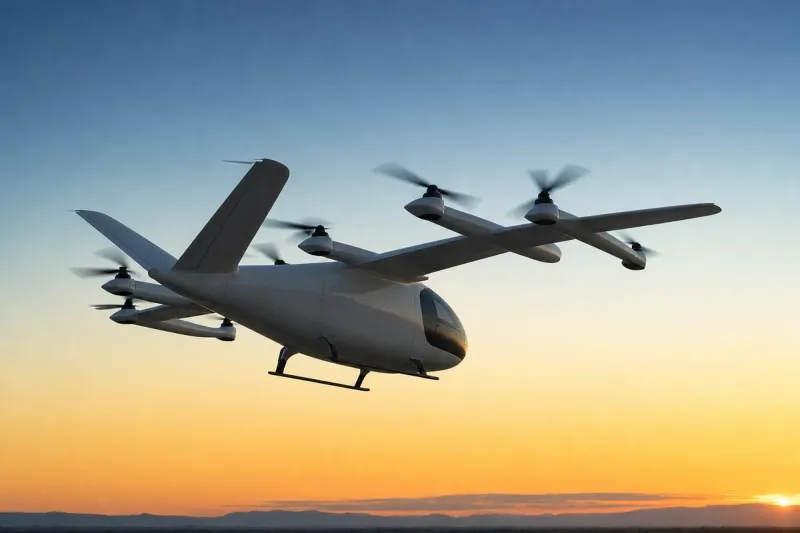
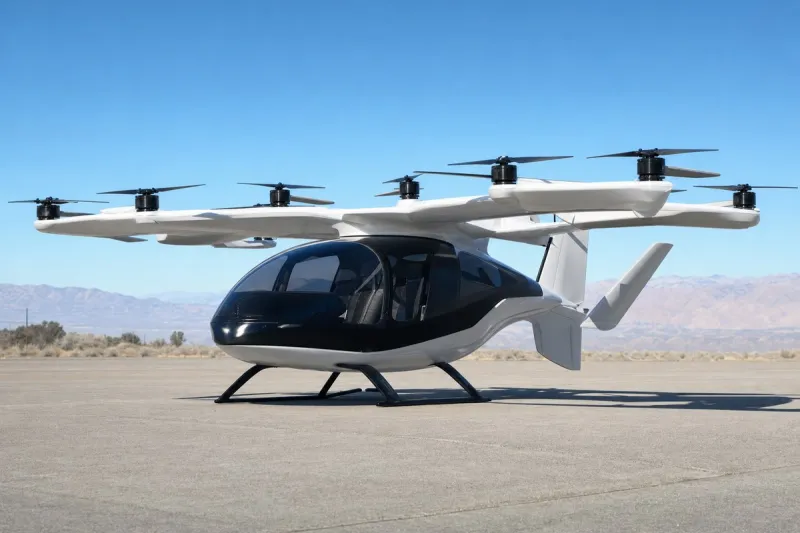
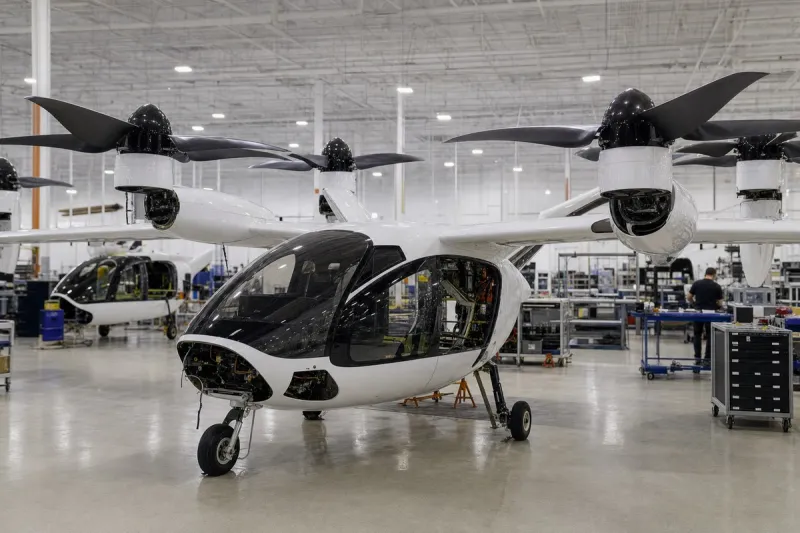
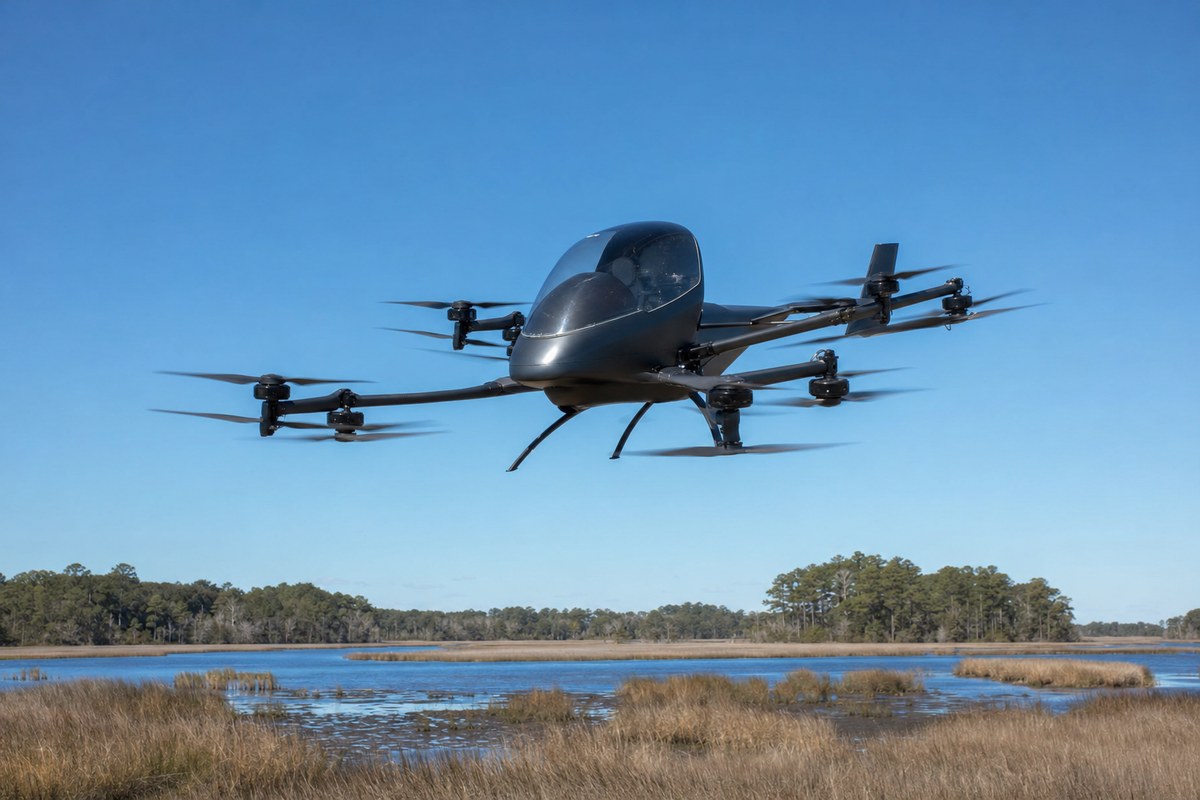
Hyde County, North Carolina, a rural area of coastal farmland and marsh covering 1,459 square miles of land and water, began a six-month trial in March of an electric aircraft called the BlackFly, built by Pivotal, to help paramedics reach patients faster. The BlackFly is a single-seat aircraft with eight propellers, about 14 feet long, that takes off like a helicopter and flies like an airplane. It can travel 20 miles on a charge and carry 200 pounds. The county conducted more than 300 training flights before using it on two 911 calls. On one of them, paramedic Quinn Reece flew toward the emergency at about 60 mph when she realized the county's emergency response app had given the wrong location. Having flown over the area before, she identified the correct spot, confirmed it from the air and relayed it to paramedics en route. She was on scene and treating the patient 20 minutes before they arrived. The aircraft is not meant to transport patients but to reach an emergency quickly and stabilize them until an ambulance arrives; Reece carried a cardiac monitor, airway supplies and a primary response bag. Pivotal's Kristina Menton said simplified controls let one person act as both pilot and medic, and that other counties are looking at Hyde County's experience.
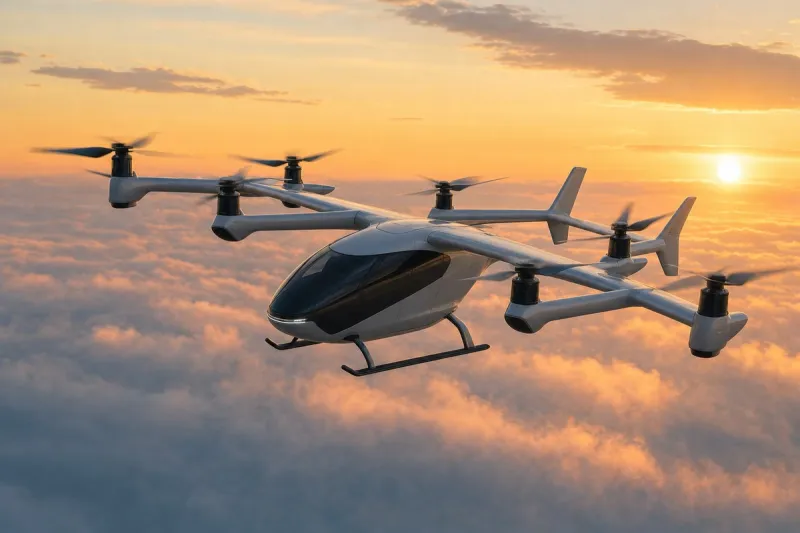
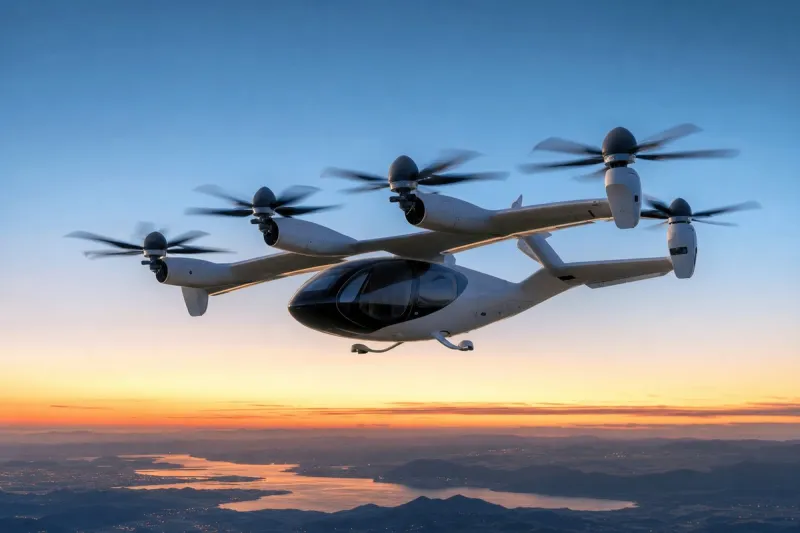
Carl Dietrich, who founded Jump Aero in 2019, is developing the JA1 Pulse, which he expects to reach 288 mph, versus 63 mph for the BlackFly, with a 70-mile range and 350-pound capacity. He said electric vertical takeoff and landing aircraft (eVTOLs) add a new tool to emergency response rather than replace helicopters or ambulances. EMS aims to arrive within eight minutes of a call, while rural response times average nearly 15 minutes. April Zhang of the University of South Florida's Center for Urban Transportation Research said rural areas may offer an easier path than cities, where finding landing and takeoff sites is harder, and cited traffic surveillance and cargo delivery as other possible uses. Andrew Mearns, a commercialization consultant at Multicopter Aerospace Consulting, said EMS organizations can often operate under the FAA's public aircraft rules, which could let them fly without commercial pilot credentials. Pivotal's model sells for $190,000, versus $500,000 to $10 million for helicopters.
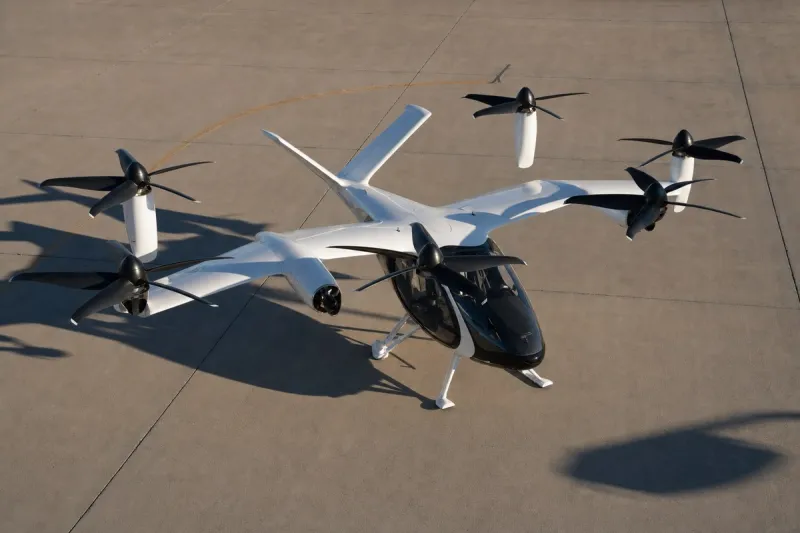
The Federal Aviation Administration's eVTOL Integration Pilot Program works with manufacturers to test the aircraft in real-world settings and treats emergency medical response, particularly in rural areas, as an important application. Archer Aviation announced plans for aerial taxi services in three Texas cities, and Joby Aviation began demonstrations in Florida as part of the program. Joby said its week of piloted flights from Tampa to Orlando and the Space Coast, in partnership with the Florida Department of Transportation, are Florida's first flights under the program.
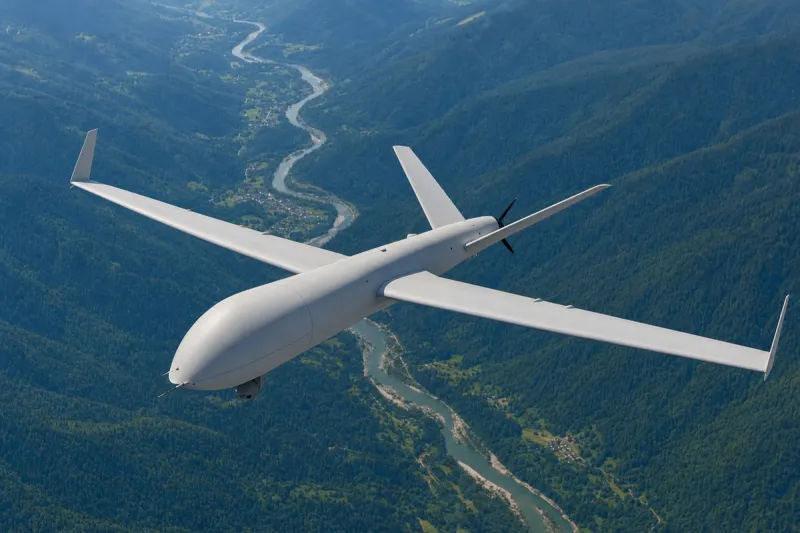
Solar-powered unmanned stratospheric aircraft, which can reach 65,000 feet, about twice as high as commercial aircraft, and stay aloft for weeks or months, are being developed for environmental monitoring. Craig Mascarenhas, an aerospace researcher at Harvard University, leads engineering research for Harvard's branch of the Stratospheric Airborne Climate Observing System and is helping develop and deploy solar-powered electric aircraft with Electra. He said they could improve wildfire risk models, spot and map fires faster, and track hurricanes, methane emissions and ice dynamics.