179 tracked private flights emitted 1,574.2 tonnes of CO2; Brisbane-to-Seoul leg of Matt Latimore's jet tops the day
Why It MattersDaily emissions tallies like this show how long-haul ultra-long-range legs and a few heavy emitters dominate the carbon footprint of tracked private flying, making per-flight figures the segment's emerging accountability metric.
What happened
A Celebplanes daily digest for Wednesday, November 4, 2026 reports that 179 tracked private flights closed on 2026-11-04 (UTC). Together they covered 161,491 miles over 355.7 hours and emitted 1,574.2 tonnes of carbon dioxide.
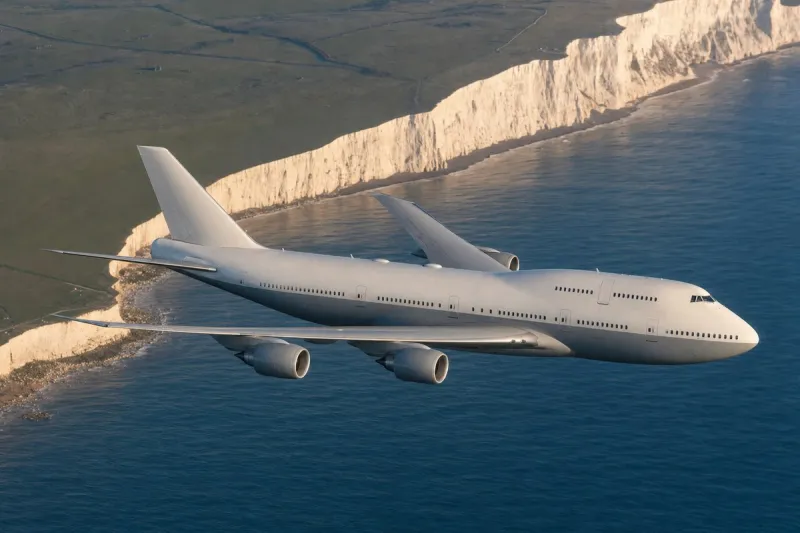
Honeywell had the heaviest corporate schedule of the day, with two flights totaling 15 hours 50 minutes in the air. One of them was an 8-hour-46-minute leg from Barcelona to Charlotte that produced 97.3 metric tons of CO2, the second-largest single-flight figure of the day. The largest single emitter was Air Force One, whose Boeing 747-2000 produced 177.6 metric tons on an undisclosed run. Teterboro Airport (KTEB) was the busiest destination, with eight arrivals.
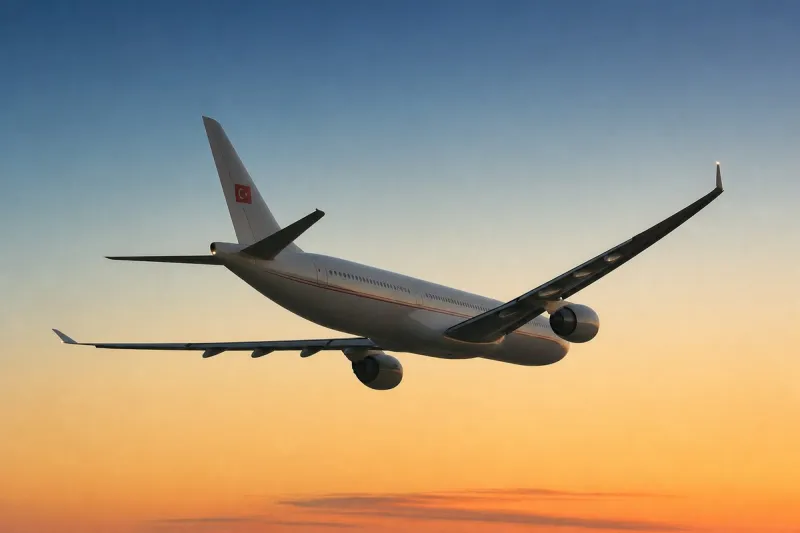
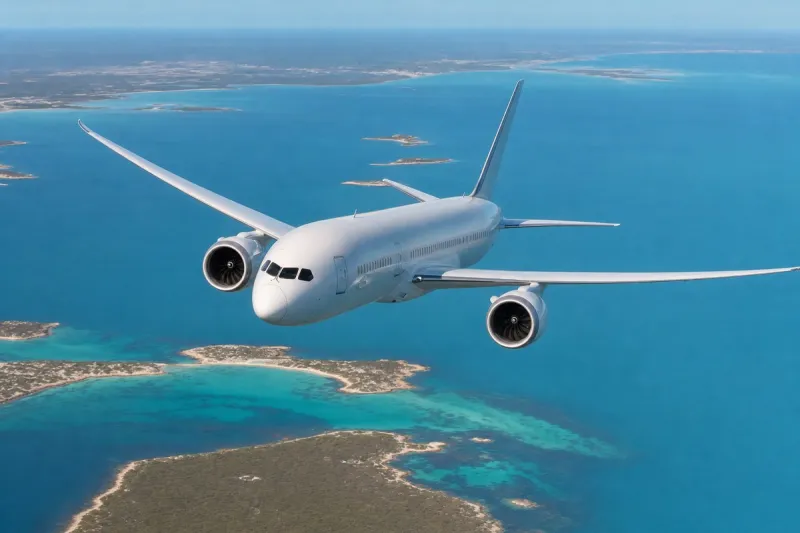
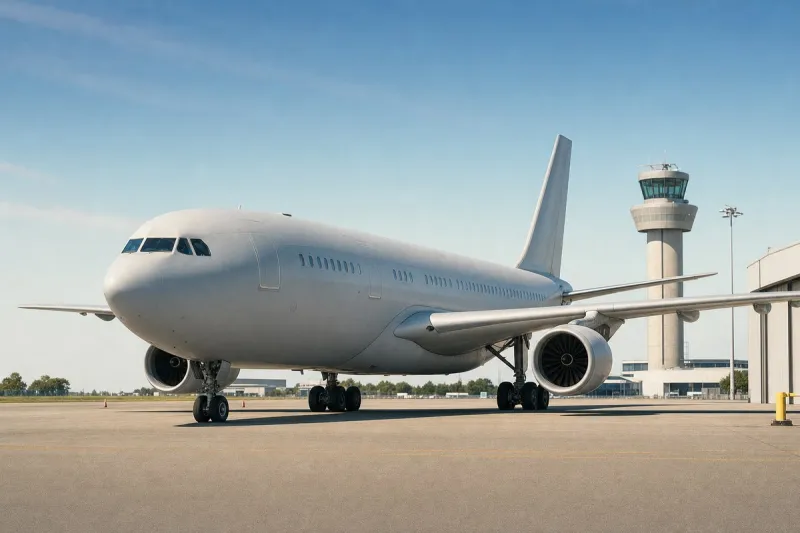
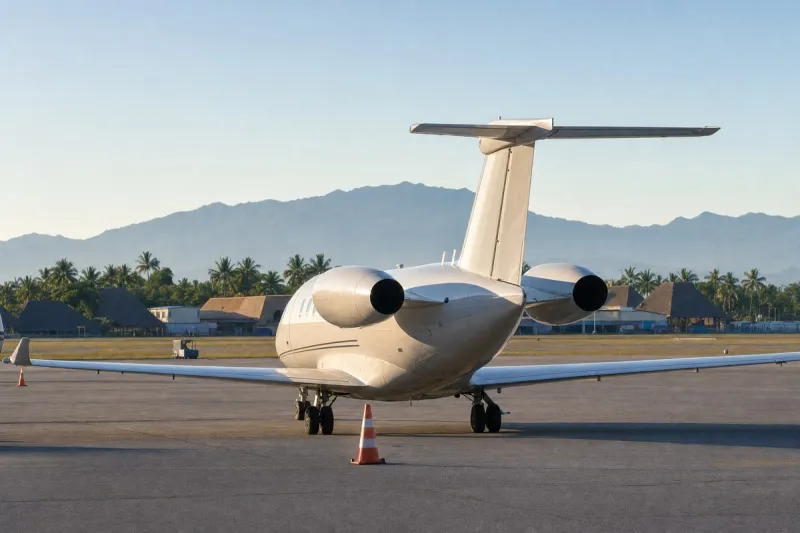
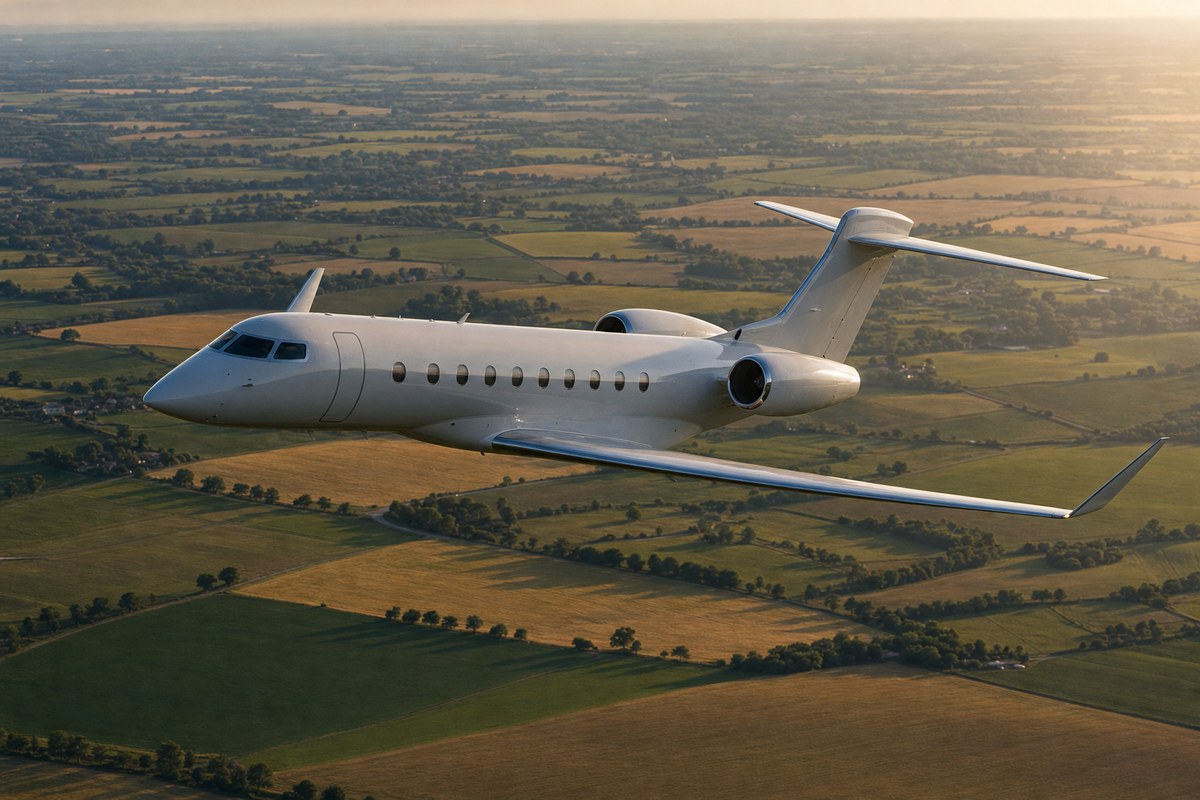
The digest highlights a 9-hour-55-minute Brisbane-to-Seoul (GMP) leg flown by Matt Latimore's Global 6000, registered VH-8MR. The Global 6000 is described as a 17-seat ultra-long-range jet with a top speed of Mach 0.89. Latimore's fleet logged nine flights in the past 30 days, with Brisbane the most common departure point, and the arrival followed a 22-day layover in Queensland. The digest links the trip to a new round of critical-minerals partnership talks between South Korea and Australia, citing Reuters.
Other notable movements
Honeywell's Gulfstream G650ER, N161B, flew Doha to Barcelona in 7 hours 4 minutes, covering 3,006 miles. Marc Anthony's N513MA flew from coordinates -25.26°, -57.46° to Miami.
Elon Musk's Gulfstream G550, N272BG, flew a 37-minute, 274-nautical-mile hop from Conroe to Port Isabel on Tuesday evening, near SpaceX's Boca Chica site. The digest cites an FAA NOTAM indicating a Starship test window opening the following day.
Jared Isaacman's Bombardier Global Express XRS, N82EM, flew Washington to Titusville in 1 hour 41 minutes, covering 642 nautical miles, on Tuesday, ahead of a Falcon 9 launch.
Industry impact & what to watch
A single day's tally shows how unevenly emissions are distributed across tracked private flying. One government heavy and a handful of long-haul legs account for a disproportionate share of the 1,574.2 tonnes, while the 179 flights overall are dominated in count by shorter positioning and domestic hops. In the business-aviation segment, ultra-long-range cabins such as the Global 6000 convert endurance into a daily carbon footprint that is easy to quantify, because fuel burn scales with hours aloft.
Per-flight CO2 figures published alongside tail numbers and routes are becoming a routine reporting format for the segment. Operators with corporate flight departments, such as Honeywell in this digest, are visible in the same tables as individuals, which keeps the sustainability question attached to named aircraft rather than abstract fleet averages.
The trip-purpose links in the digest, such as the critical-minerals talks and the Starship and Falcon 9 schedules, illustrate how event calendars drive demand for point-to-point private movements. The next dated markers are the Starship test window and the Falcon 9 launch the digest points to, which will show whether those positioning flights repeat around the events.