Hamburg Flying Club Switches Three Cessna 172s to Renewable Diesel Made from Waste Cooking Oil
Why It MattersThe switch shows renewable diesel serving only the diesel-engine slice of piston aviation, so Cessna 172 fleets on avgas-class engines gain no direct route from this fuel and remain bound to 100LL.
What happened
The Hanseatic Flying Club introduced renewable diesel fuel in three Cessna 172 aircraft at Hamburg Airport on Monday, Nov. 2. The move followed technical evaluations and manufacturer approvals.

The fuel is marketed as Cair XTL, a hydrotreated vegetable oil (HVO) product made from used cooking oils, plant residues and hydrogen. The club's aircraft carry Continental diesel engines rather than conventional gasoline-powered piston engines. Continental approved the fuel after technical testing, and the club also obtained authorization from the aircraft manufacturer.
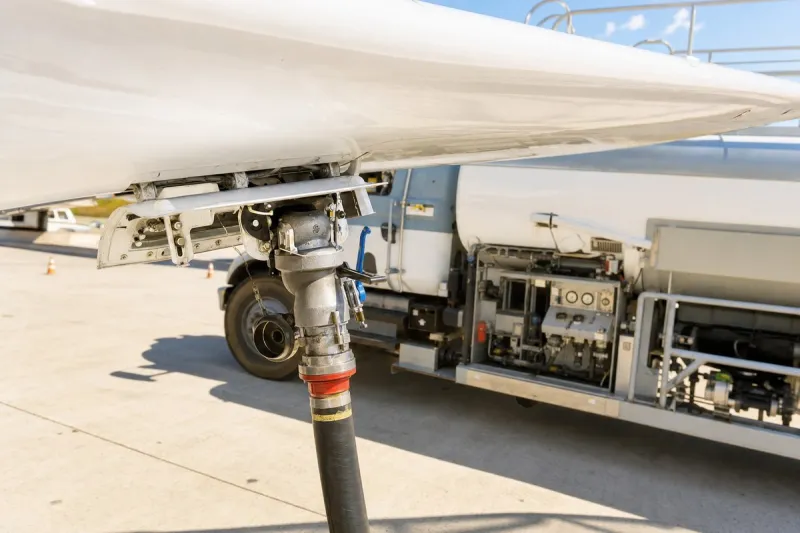
The club estimates its diesel-powered aircraft burn about 20 liters (5.3 gallons) of fuel per hour. Hamburg Airport is providing a dedicated fueling truck for the operation.
Club board member Enrico Hemling said alternative aviation fuels are being advanced on many fronts, and that, as a volunteer-run training organization, the club wants to support this development and show that alternative fuels can already be used in practical flight operations.
Hamburg Airport has used HVO in its ground vehicle fleet, including airport firefighting equipment and ground handling vehicles, since 2016. The airport estimates the program has cut carbon dioxide emissions by about 15,000 metric tons over the past decade. HVO is a diesel fuel and cannot directly replace 100LL in conventional gasoline-powered aircraft.
Industry impact & what to watch
The Hamburg case sits in a narrow corner of general aviation. Because HVO is a diesel-type fuel, it is usable only in aircraft with diesel engines such as the Continental units in these Cessna 172s. Training fleets built around gasoline piston engines cannot adopt it, so the lower-carbon option on offer here depends on the engine type a club already operates.
For flight schools and clubs, the practical gating items in this example were engine-maker approval and aircraft-manufacturer authorization, both obtained before the first fill. Fuel supply logistics, in this case a dedicated truck supplied by the airport, are the third piece. A club weighing a similar step would need all three to line up.
The airport's decade of HVO use in ground vehicles shows the fuel is already established on the apron, which is the groundwork that made an aircraft pilot straightforward to host. Wider piston-fleet impact will depend on the gasoline-engine side, where HVO offers no direct path.