India Proposes 1% Mandatory Sustainable Aviation Fuel Blending for International Flights From January
Why It MattersA statutory SAF blending floor in a large aviation market shifts fuel-supply planning for carriers and oil marketing companies toward obligation-driven demand, while production cost remains the stated constraint.
India has proposed mandatory blending of sustainable aviation fuel (SAF) for international flights starting in January. The Ministry of Civil Aviation has circulated a draft policy that sets an initial blending mandate of 1% for international flights. The roadmap has two phases: blending is targeted to rise to 5% by 2030 in the first phase and to 20% by 2040 in the second.
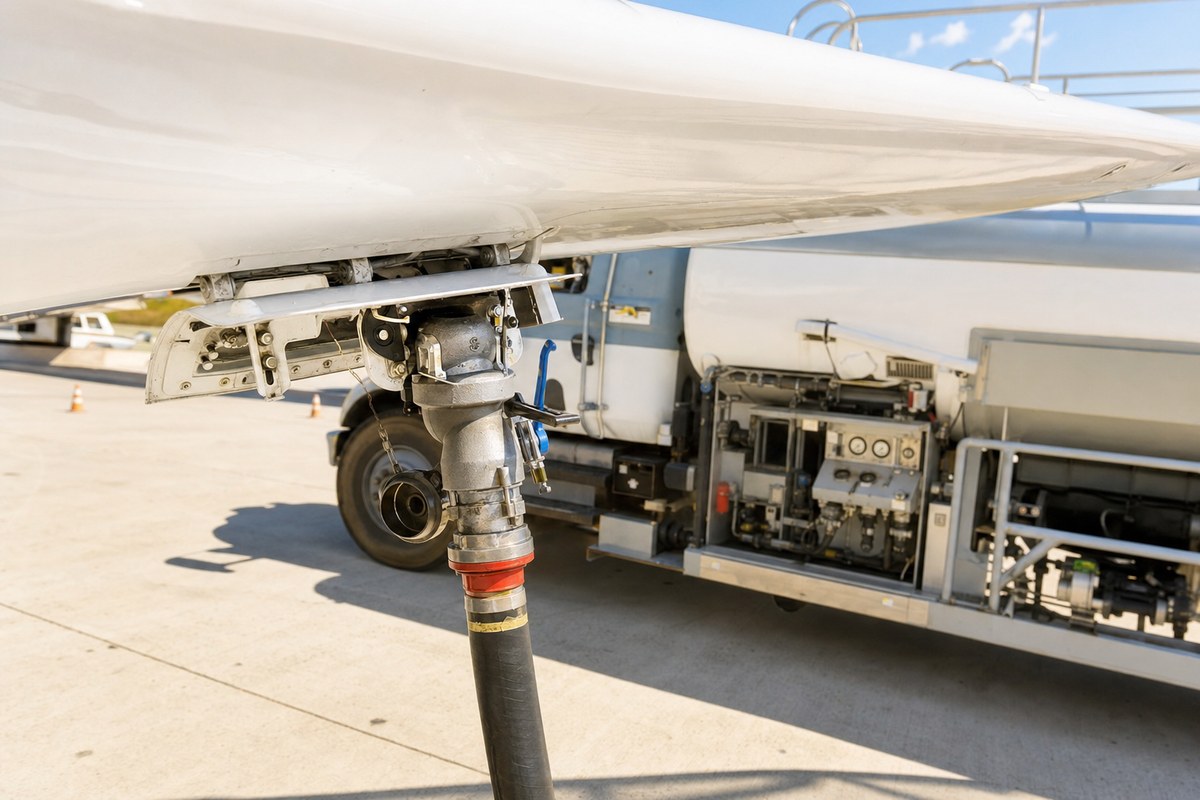
SAF is a liquid fuel that can be blended with aviation turbine fuel (ATF) without the need to develop new aircraft or engines, and it can potentially reduce carbon emissions by up to 80%. In October 2022, member states of the International Civil Aviation Organization (ICAO) agreed a long-term aspirational goal of net-zero carbon dioxide emissions from aviation by 2050.
The draft also requires domestic and international airlines to uplift nearly 90% of their annual ATF needs from international airports in India. The government says this is intended to prevent "economic tankering", in which airlines carry extra fuel from another airport to avoid buying fuel at a more expensive destination, which affects fuel demand and airport operations.
Airlines and oil marketing companies could face penalties for failing to comply with the proposed blending requirements. Airlines in talks with the government have said that, despite the policy push, it will be difficult to reach emission targets unless the production cost of SAF is brought down.