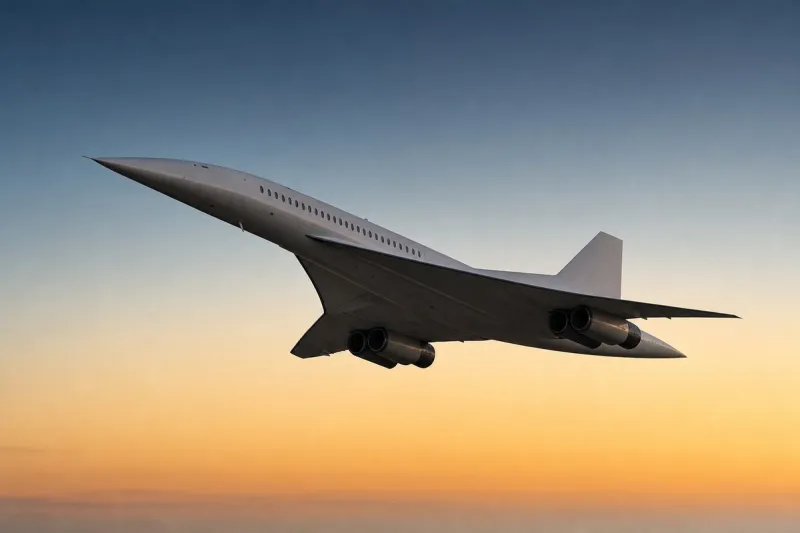
NASA X-59 Quiet Supersonic Aircraft Flies Six Times in One Week and Reaches Mach 1.53
Why It MattersProgress on the X-59's flight envelope expansion builds the ground-noise evidence regulators would need before deciding whether quieter supersonic flight over land could ever be permitted.
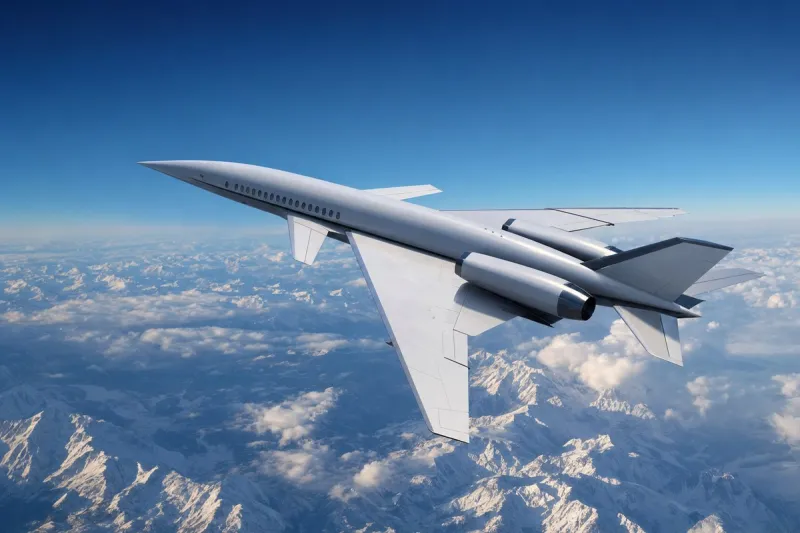
NASA's X-59 quiet supersonic aircraft completed a record six flights in a single week, flying twice on Sept. 22 and twice each on Sept. 24 and 25. The run beat the aircraft's previous single-week record by two flights and brought its total to 38 test flights.
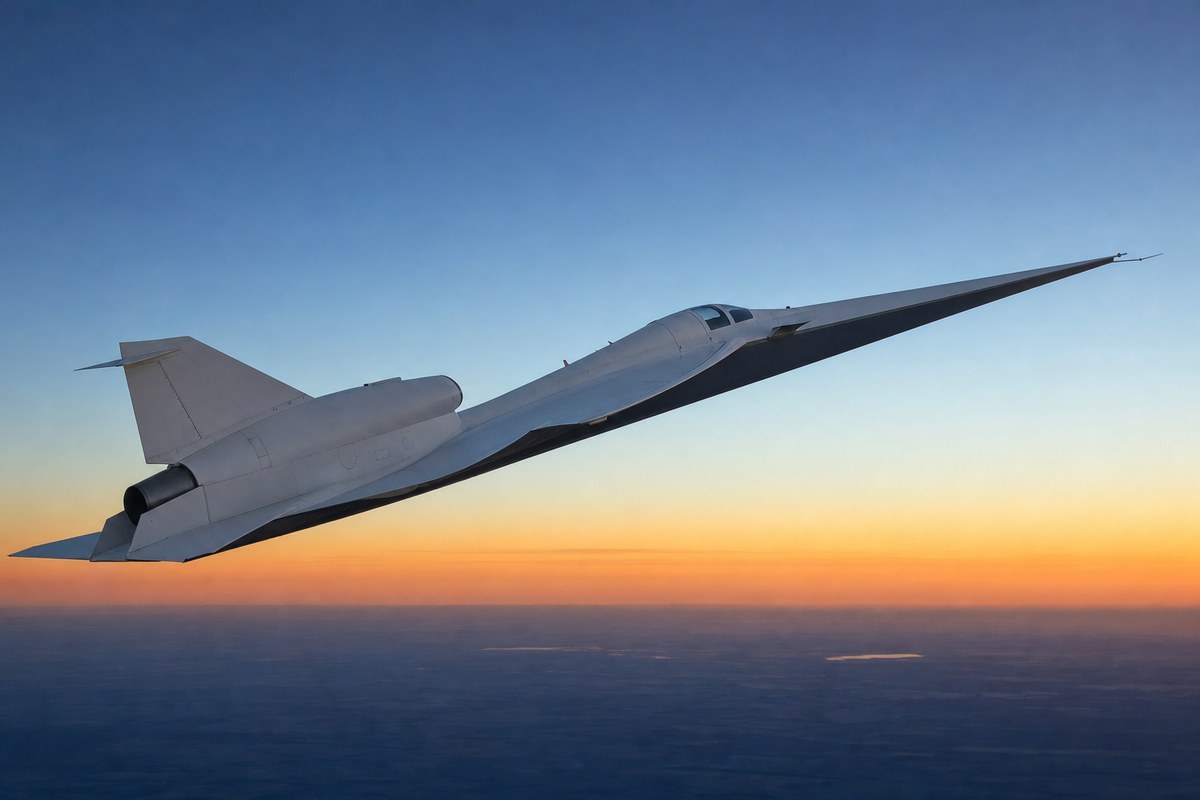
On one of those flights the X-59 reached Mach 1.53, approximately 1,010 mph, its fastest speed to date and well above the Mach 1.4 cruise speed at which it will typically fly. The flights are part of flight envelope expansion, a test phase in which NASA explores how the aircraft performs across a range of speeds, altitudes and maneuvers under expected flight conditions. After the busy week, the aircraft entered a scheduled maintenance period expected to last roughly three weeks, followed by a regular systems review, after which the team plans to return it to flight and resume its fast test cadence.
The X-59 is a single-seat experimental aircraft built by Lockheed Martin Skunk Works for NASA's Quesst mission. It is designed to fly at about Mach 1.4 and 55,000 feet while turning a loud sonic boom into a much quieter "thump", with a noise target of about 75 PLdB on the ground. The aim is to produce data on how loud a shaped supersonic aircraft is and how people on the ground react, evidence that could inform regulators on whether quieter supersonic flight over land should be allowed in the future. The X-59 first flew on 28 October 2025 and made its first supersonic flight on 5 June 2026.