Cirrus SR22 Fatal Rate Fell From Twice the Industry Average in 2004 to Below It After Parachute-Focused Training Overhaul
Why It MattersThe record suggests a single-type training doctrine built around a pre-briefed emergency decision can reshape a fleet's fatal-accident profile, though exposure estimates and differing counting methods keep cross-fleet comparisons contested.
What happened
An AeroCorner review of published figures finds that the Cirrus SR22's fatal accident rate ran about twice the general aviation average in 2004 and later fell below it. The change followed new training from Cirrus and the Cirrus Owners and Pilots Association (COPA), focused on when to pull the Cirrus Airframe Parachute System (CAPS).

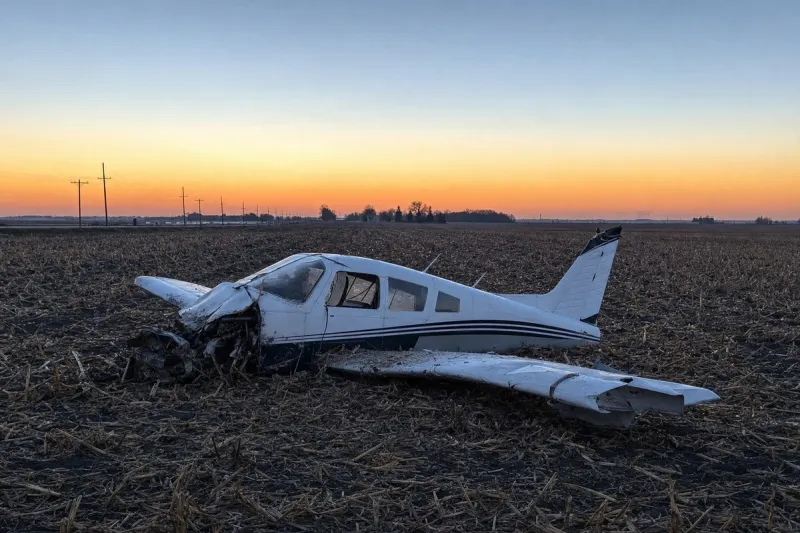
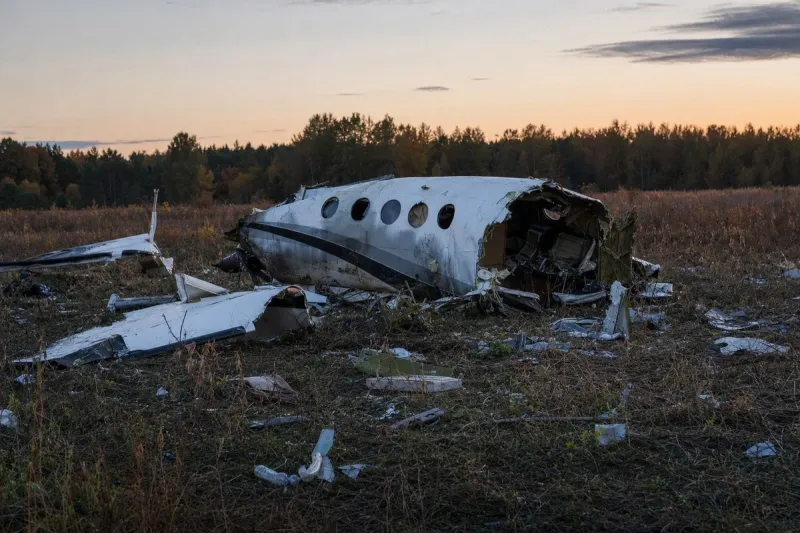
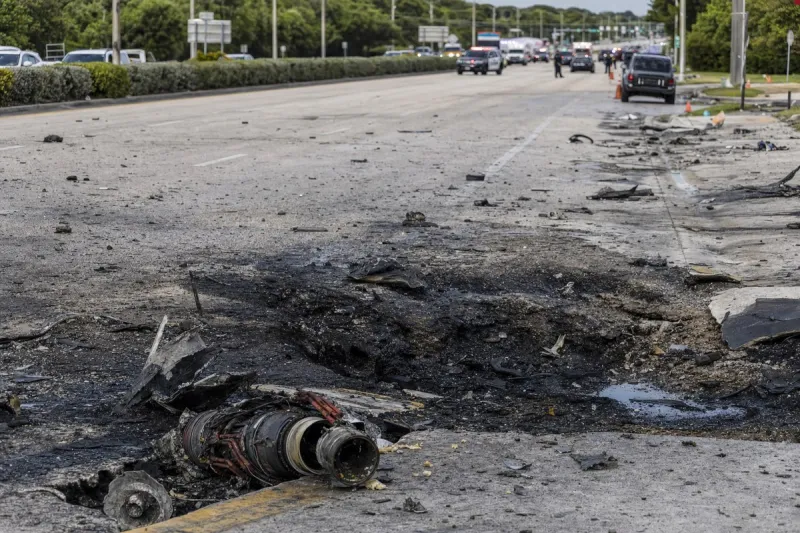
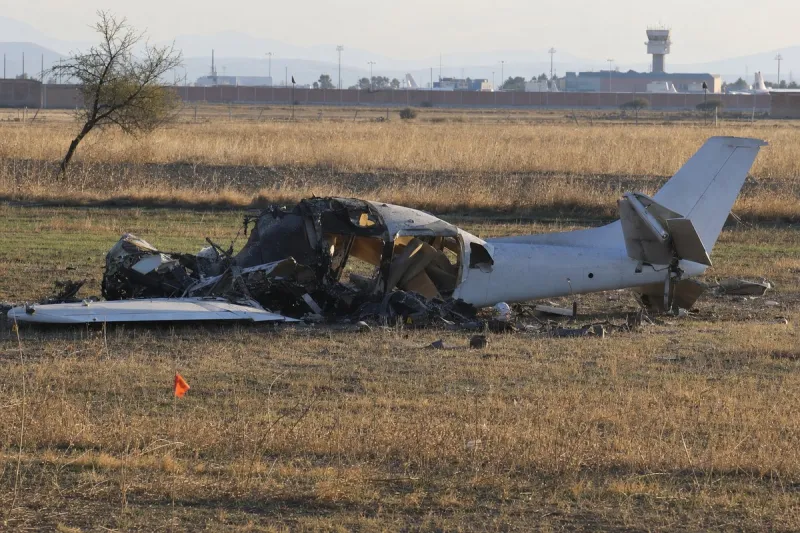
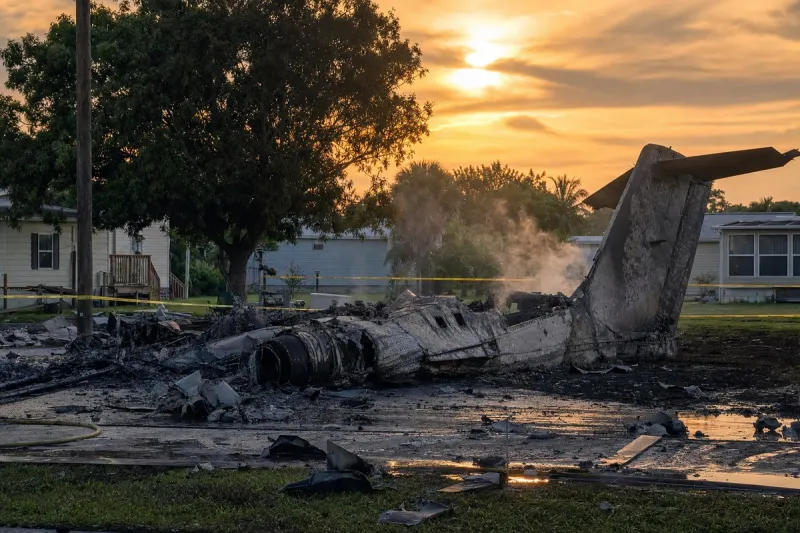
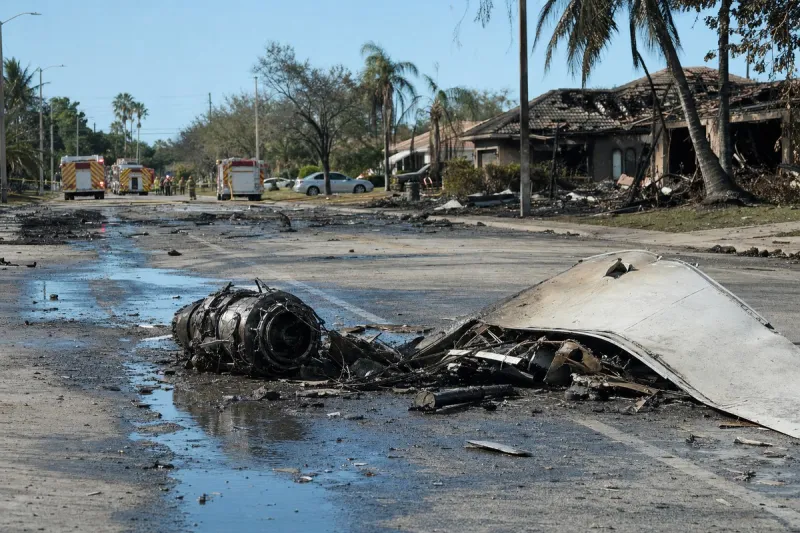
The question resurfaced after an SR22 crashed near Lee C. Fine Memorial Airport at Lake of the Ozarks, Missouri, on November 3, 2026, killing both people on board. The NTSB investigation has just begun and the cause is not known.
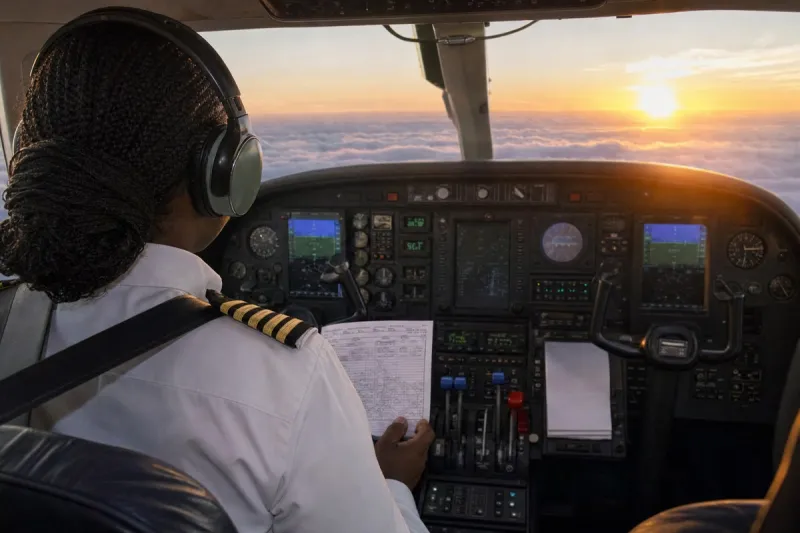
The SR22 was certified in November 2000 and entered production in 2001. From February 2003 Cirrus fitted the Avidyne Entegra display, making it one of the first light aircraft with a full glass cockpit. Cirrus executive Travis Klumb said in 2014 that the fleet's 2004 fatal rate was about 2.6 per 100,000 flight hours, about twice the industry average. In 2007, AVweb reported a fleet fatal rate of 1.4 per 100,000 hours against 1.2 for general aviation, and 4.1 accidents of all kinds per 100,000 hours against 6.2 for general aviation overall: fewer crashes, but more deadly ones.
Explanations cited include pilots new to an unfamiliar airplane and owners buying it for transportation rather than recreation. Richard Collins, writing in Air Facts in 2012, pointed to cloudy-day IFR flights by newly rated pilots and low-speed loss of control, in an airplane whose only approved spin recovery is the parachute. Aviation Consumer's 2019 review added landing accidents, loss of control in turbulence or from distraction, and stall-spin events.
The training overhaul
Cirrus estimated in 2014 that two of every three fatal accidents could have been prevented by a timely parachute deployment, and COPA's Rick Beach put the toll at more than 125 lives lost where the parachute would likely have worked.
Cirrus responded with a type-specific training program, Cirrus Approach, built around deciding in advance when to use CAPS. Pilots add the parachute to their takeoff briefing and make a "flaps and CAPS" callout in the climb. CAPS decision-making was added to the standard factory course for new owners, and Cirrus later launched a free program, Embark, for buyers of the aircraft.
How the numbers moved
The fatal rate fell to 1.01 per 100,000 hours by the end of 2013, below the 1.2 industry average. In 2014 there was a four-fold increase in CAPS pulls, and Cirrus pilots pulled the parachute more often than they had fatal accidents for the first time. The fleet had three fatal accidents that year while almost 6,000 aircraft logged more than 1 million hours. In October 2014, COPA's 12-month rolling fatal rate was 0.32 per 100,000 hours.
According to AOPA, 2015 had the fewest fatal Cirrus accidents since 2001, and in 2016 its Air Safety Institute gave Cirrus the first Joseph T. Nall Safety Award.
The figures are not uniform. Flight hours must be estimated, and Aviation Consumer noted in 2019 that Cirrus declined to release yearly hours data. COPA counts all known fatal accidents worldwide, more than the NTSB investigates; its current page shows 0.84 per 100,000 hours over 12 months and 0.78 over 36 months but is undated. The third-party site PlanePhD puts the SR22 family at 1.92 fatal accidents per 100,000 hours from 2005 to 2024 against 1.30 for all certified piston airplanes, using an estimate of roughly 6.5 million hours over 20 years.
Industry impact & what to watch
The Cirrus record is one of the clearer cases in light aviation of a safety problem being attacked through training rather than hardware. The parachute already existed; what changed was the expectation that pilots decide in advance when to use it, rehearse that decision in the takeoff briefing, and treat deployment as a normal option rather than a last resort. The jump in CAPS pulls alongside a falling fatal rate is the pattern that approach was meant to produce.
The comparisons also show how fragile fleet safety statistics are. Rates depend on estimated flight hours, on whether a source counts only NTSB-investigated accidents or every known fatal accident worldwide, and on which peer group is chosen. The same aircraft family appears below the industry average in COPA's figures and above the piston-airplane benchmark in the third-party PlanePhD estimate. Any claim that a type is safer or riskier than its peers carries the denominator and counting method with it.
For the Lake of the Ozarks crash, the NTSB investigation will determine what happened, and nothing about its cause is established. Findings on whether the parachute was available or used would be the details that connect this accident to the training question.