Horizon Aircraft signs MoU with Constance Lake First Nation on Cavorite X7 medevac service
Why It MattersAgreements of this kind tie eVTOL and hybrid vertical-lift development to a defined mission need in remote regions, where speed and runway independence are the case for the aircraft over helicopters.
What happened
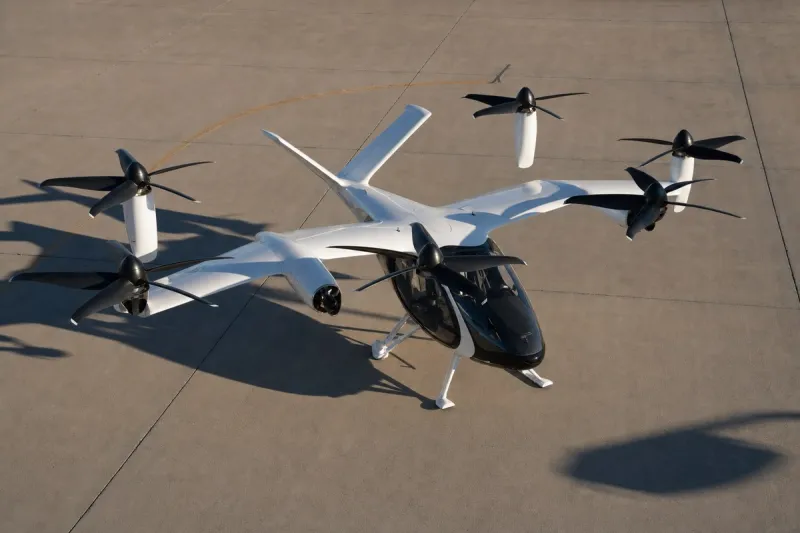
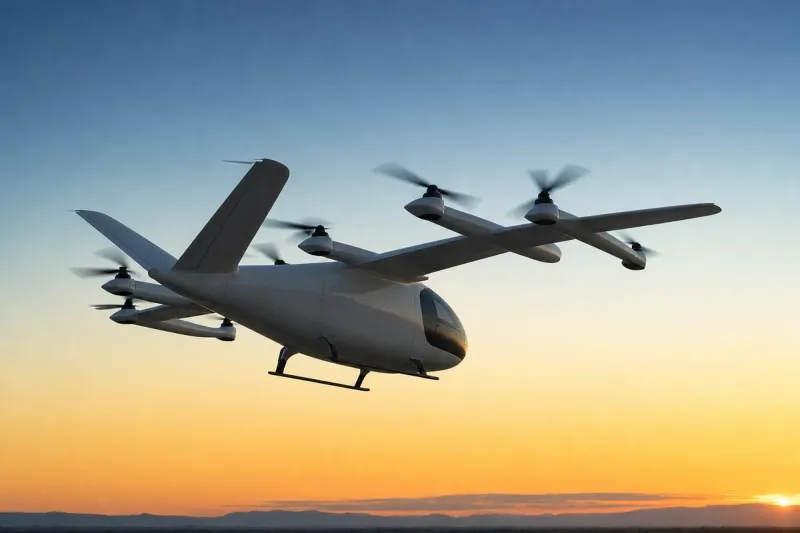
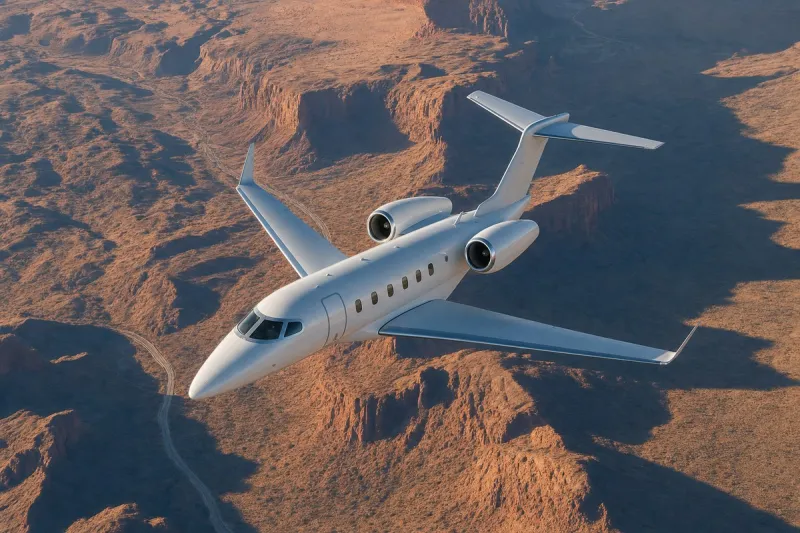
Horizon Aircraft has signed a memorandum of understanding (MoU) with Constance Lake First Nation (CLFN) in Northern Ontario. The agreement is to explore using the Cavorite X7 aircraft for emergency medical transport and other vital services in remote Indigenous communities.
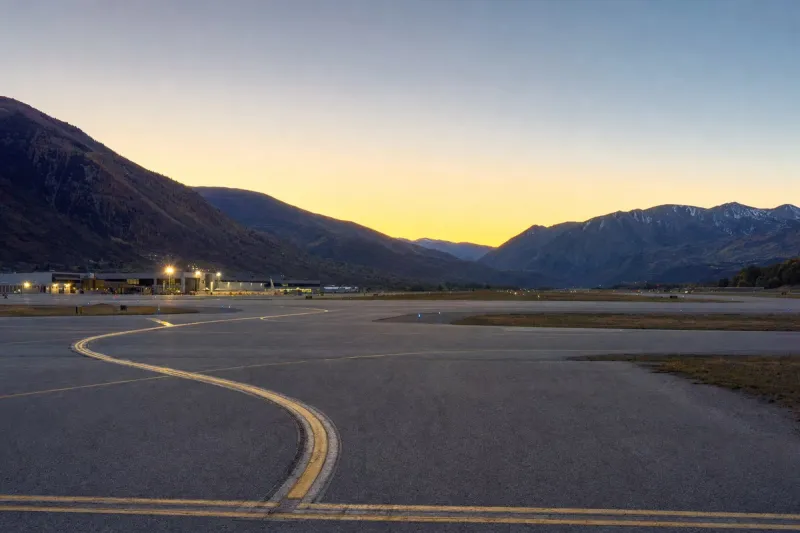
CLFN and other First Nations in Northern Ontario are located far from advanced medical care. They currently rely on helicopter medevac services, which cannot always reach patients in time.
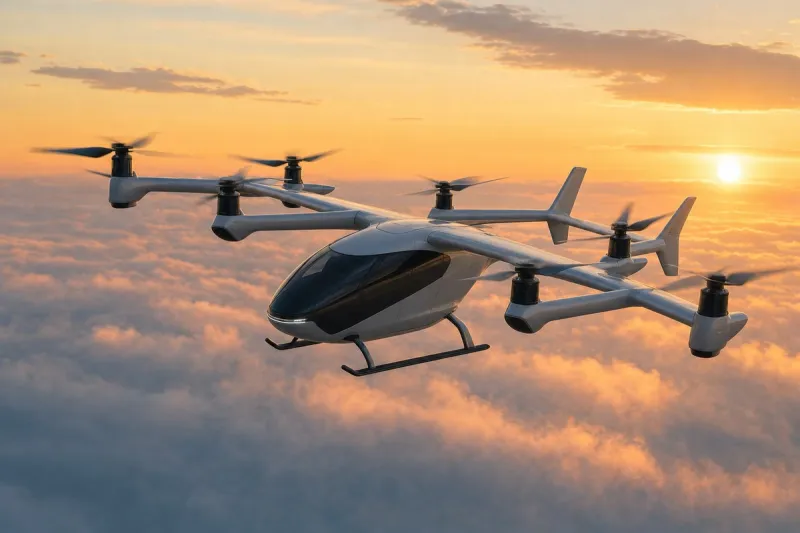
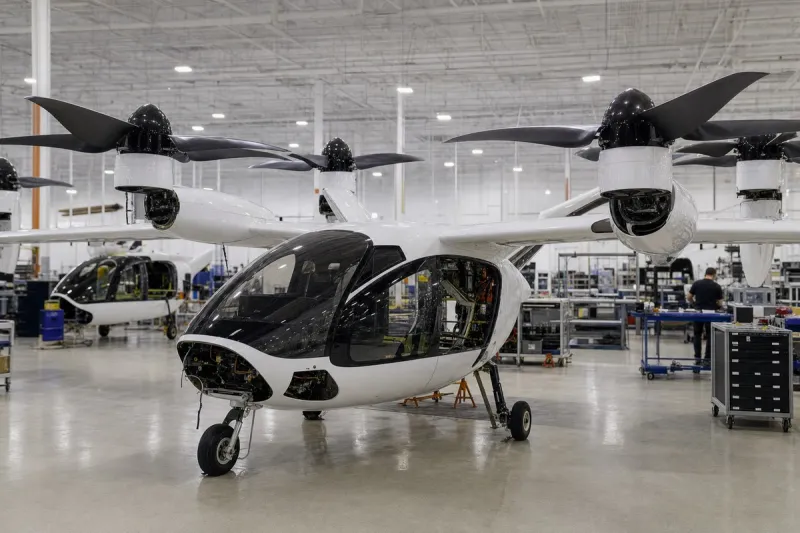
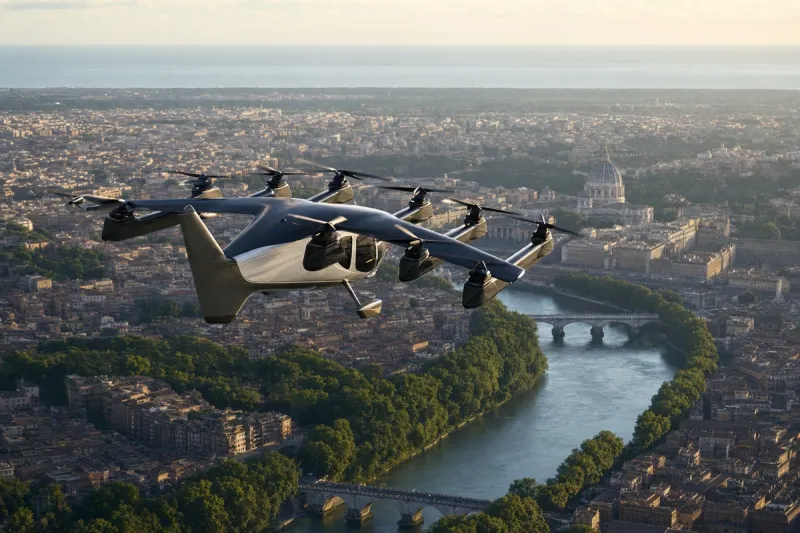
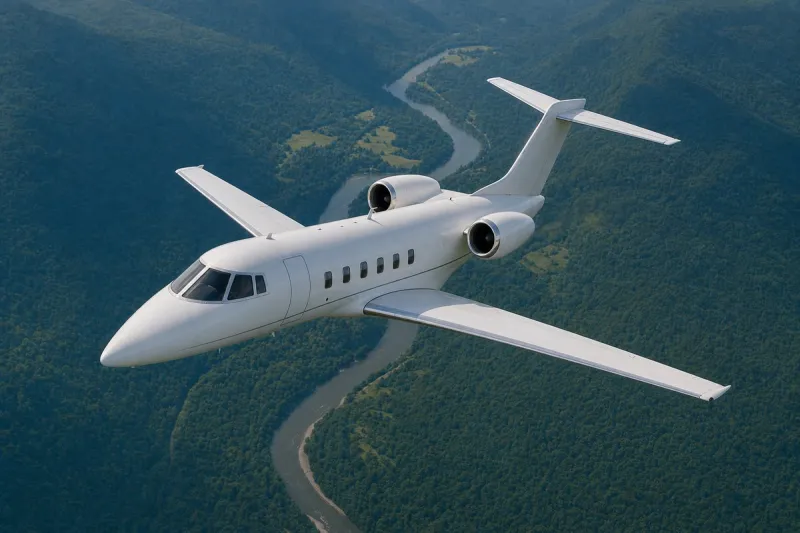
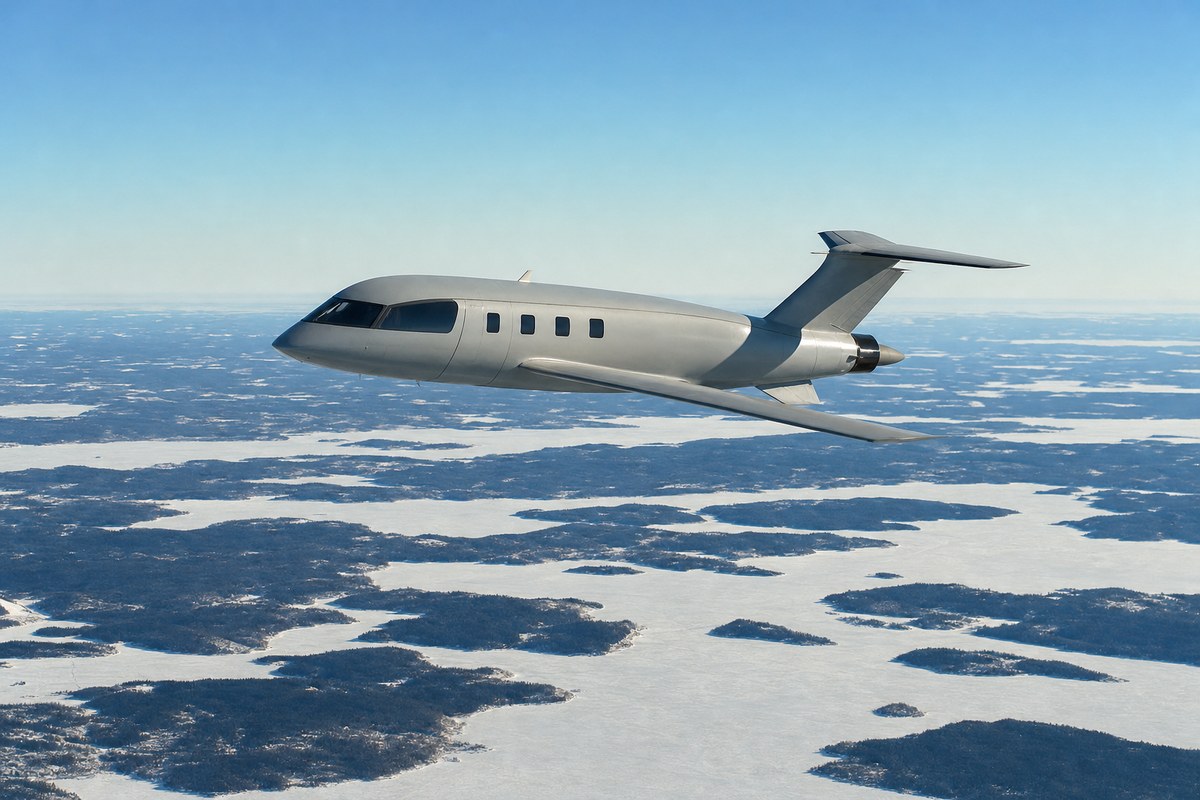
The Cavorite X7 is designed to fly the same routes as those helicopters at twice the speed, and without needing a runway. The aircraft is also being developed for further uses beyond medical transport.
Industry impact & what to watch
The pairing shows where Horizon is pointing the Cavorite X7: a mission in which distance to care, not passenger volume, sets the value of the aircraft. Remote medevac is a segment where response time is the central measure, so a platform claiming twice the speed of the helicopters now flying the routes, with no runway requirement, is aiming at a concrete operational gap rather than a generic air-mobility market.
An MoU is an agreement to explore, not an order or a service contract. The practical markers that would move this beyond intent are the ones that normally follow such agreements: a defined operating arrangement with the community, and progress on the aircraft's own development and certification path.