Electra and VertiPorts by Atlantic Sign MOU to Assess Ultra Short Aircraft Infrastructure in New York City
Why It MattersPairing a short-takeoff aircraft developer with an FBO network shows regional air mobility being tested against urban real-estate and surface constraints, with infrastructure access shaping where new services can operate.
What happened
Electra and VertiPorts by Atlantic, a wholly owned subsidiary of Atlantic Aviation, announced a Memorandum of Understanding on Nov. 5, 2026, to assess infrastructure opportunities for bringing Ultra Short aircraft operations closer to where people live and work. The two companies will explore how forms of infrastructure such as barges, piers or elevated surfaces could enable Ultra Short operations at new and existing VertiPorts by Atlantic sites in New York City. The MOU is described as the first step in a broader collaboration to identify Ultra Short access points across multiple regions.
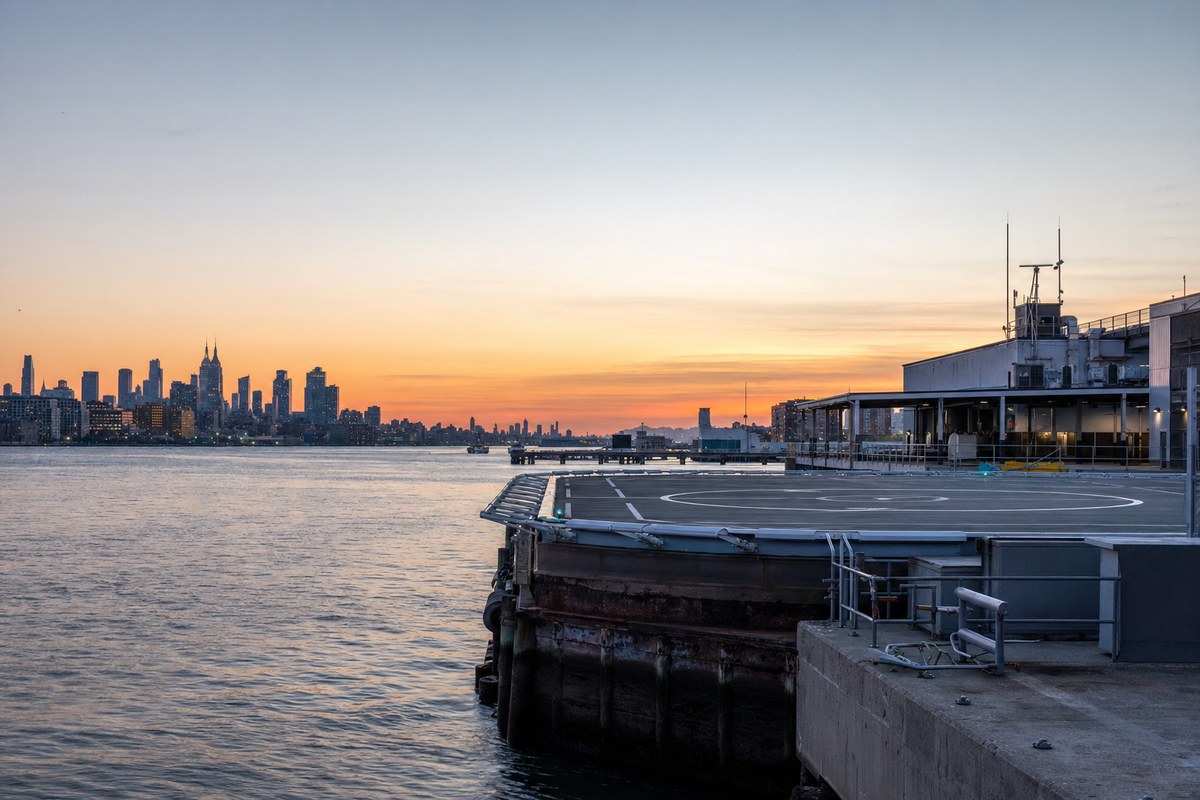
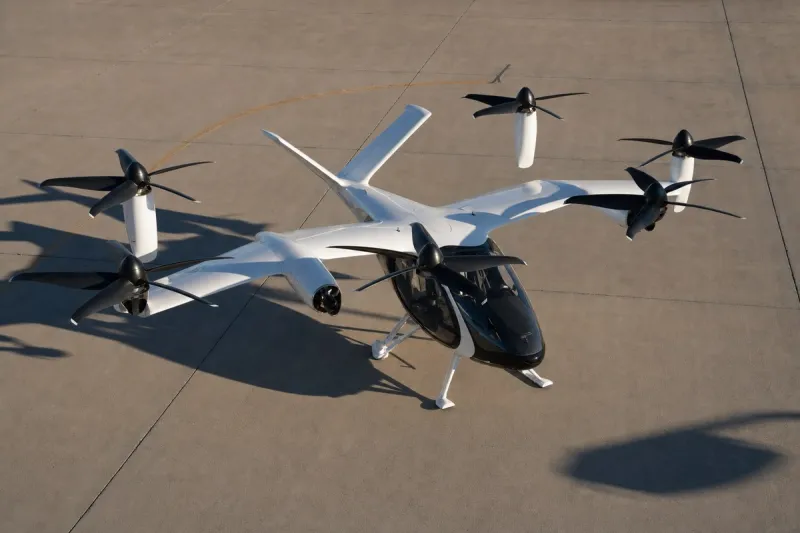
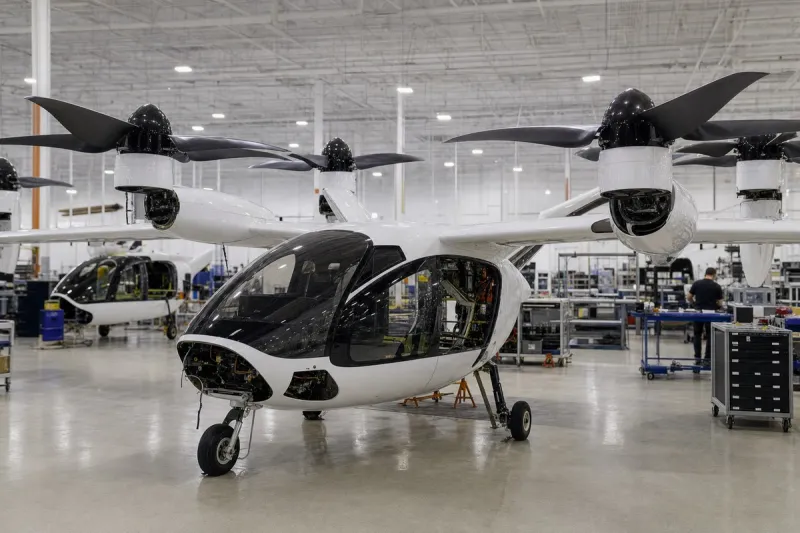
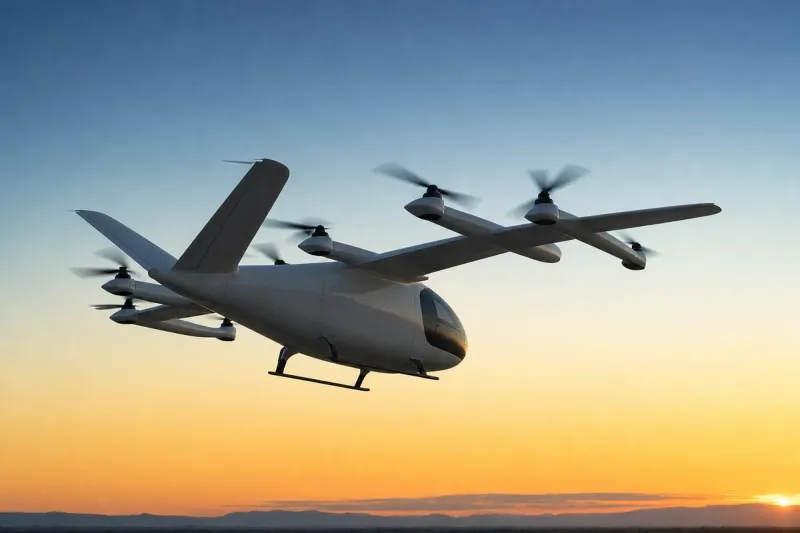
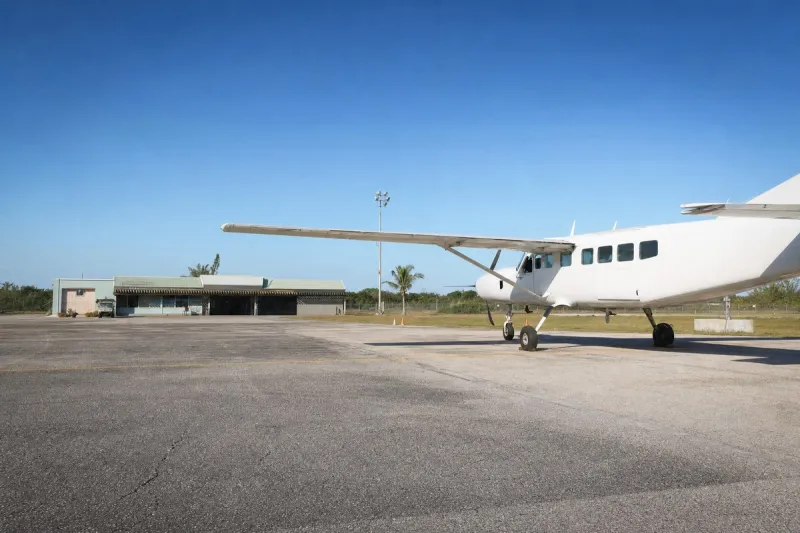
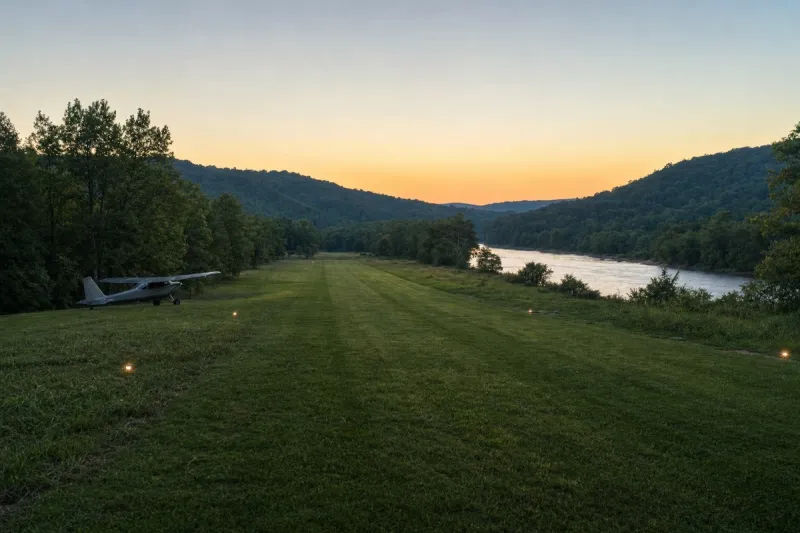
The initiative follows Electra's demonstration at Downtown Skyport in Lower Manhattan, believed to be the first time a fixed-wing aircraft without vertical takeoff capability has landed at the heliport. Electra's EL9 Ultra Short is a nine-passenger hybrid-electric aircraft designed to take off and land in as little as 150 feet.
Electra is advancing Direct Aviation, a point-to-point regional travel model that complements the hub-and-spoke system with distributed access points. Its inaugural Direct Aviation Market Outlook, an analysis of nearly one billion trips, identified 35 million passenger trips per day over distances of 50 to 500 miles. The outlook estimates potential time savings of about 3 hours 45 minutes from New York City to Boston and 3 hours 30 minutes to Washington, D.C.
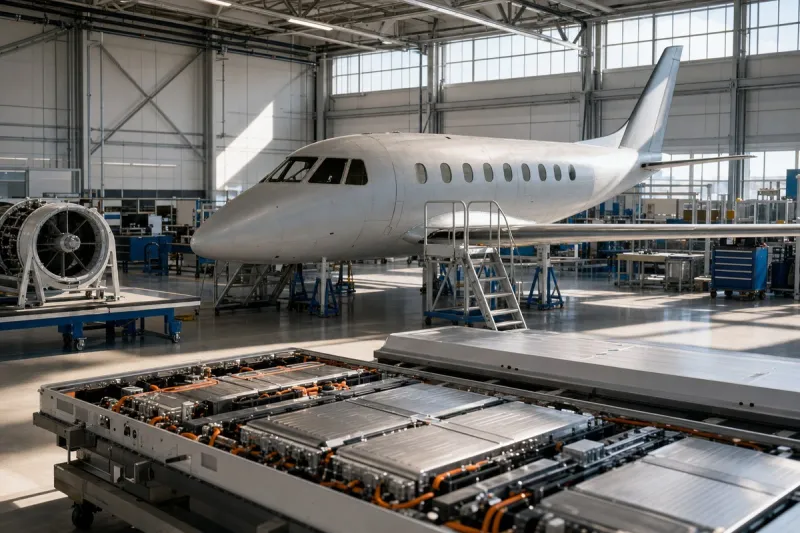
Electra recently selected Springfield, Ohio, as the site of its first EL9 production facility, a planned $850 million development expected to create nearly 2,000 jobs and support production of up to 800 aircraft annually. The company said it has contracted customers including the U.S. Air Force, U.S. Army, U.S. Navy and NASA, along with over 2,200 letters of intent from more than 60 commercial customers. Atlantic Aviation operates 108 fixed base operation locations across North America.
Industry impact & what to watch
Ultra Short aircraft change the infrastructure question more than the aircraft question. A fixed-wing aircraft that needs roughly 150 feet to take off and land does not require a runway, but it does require a surface that is level, approved and reachable by passengers. Locations such as piers, barges and elevated decks are therefore less a design curiosity than the practical test of whether point-to-point regional travel can be served from dense urban edges.
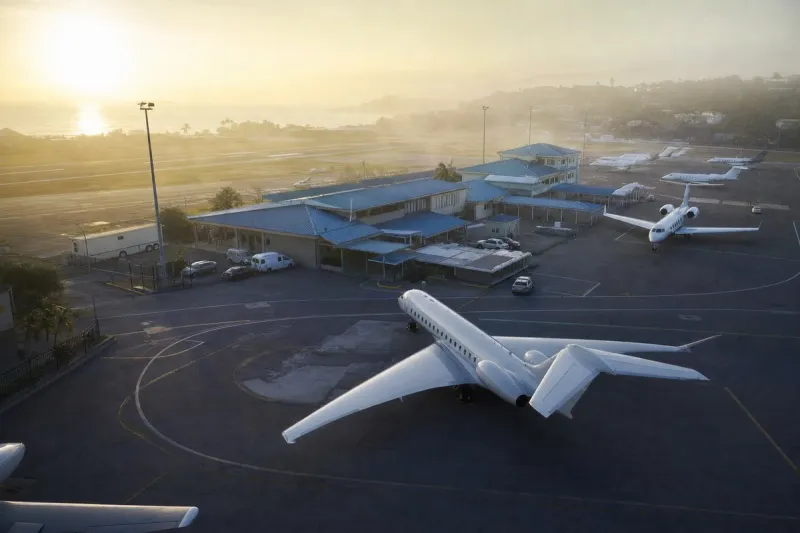
For the FBO and vertiport side of the industry, the MOU illustrates how an existing ground-handling and facility network can become the access layer for a new category of aircraft. Operators with sites in constrained metropolitan areas hold something an aircraft developer cannot build alone: established relationships with landowners, local authorities and customers who already expect terminal-style service.
The next concrete milestone is the output of the assessment itself, which would name which New York City sites and which surface types prove workable, and whether the same approach carries over to the other regions the collaboration intends to cover.