Gulfstream delivers 40 jets in Q3 2026 as General Dynamics aerospace profit rises 19%
Why It MattersHigher aerospace profit and margin on nearly flat unit deliveries show that, in this segment, mix and services revenue now move earnings more than aircraft count, while supplier capacity governs growth.
What happened
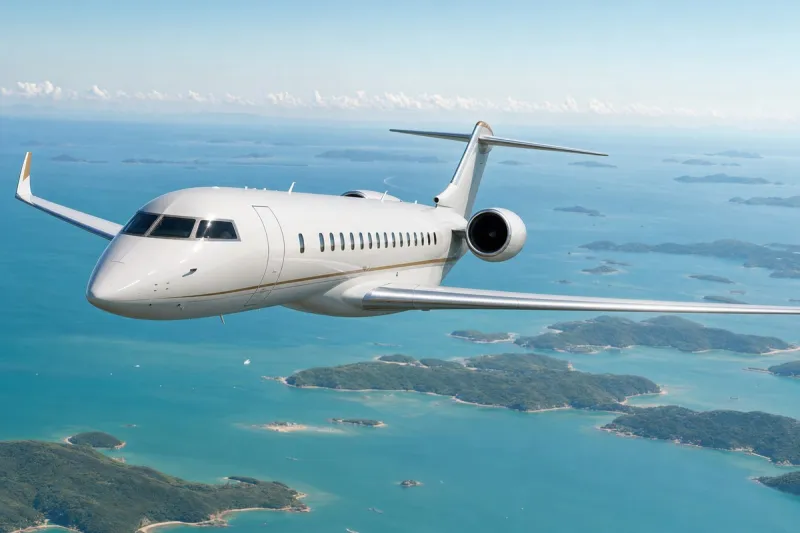
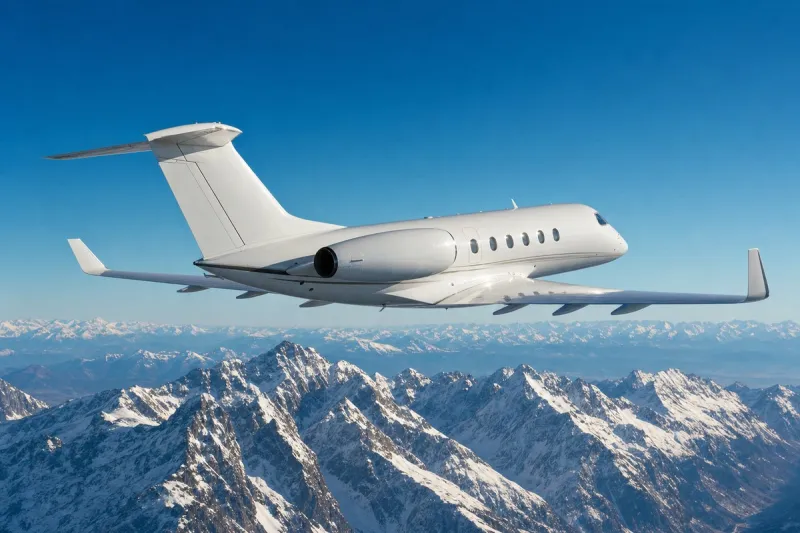
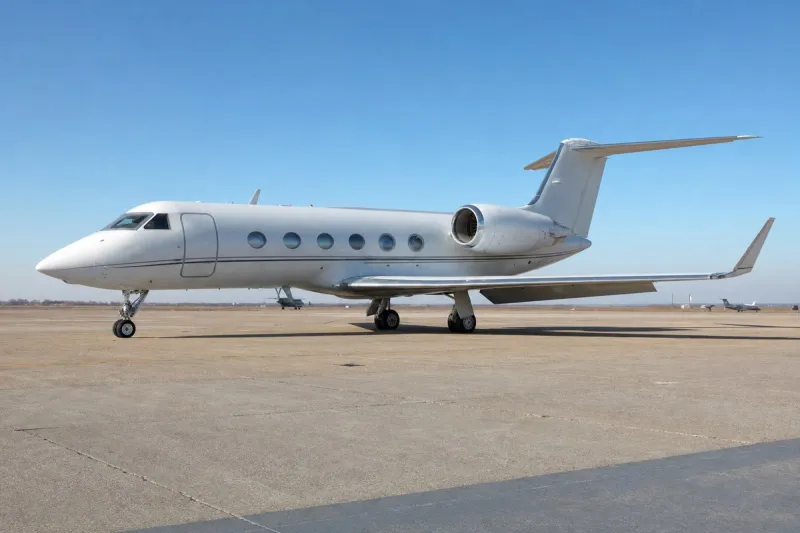
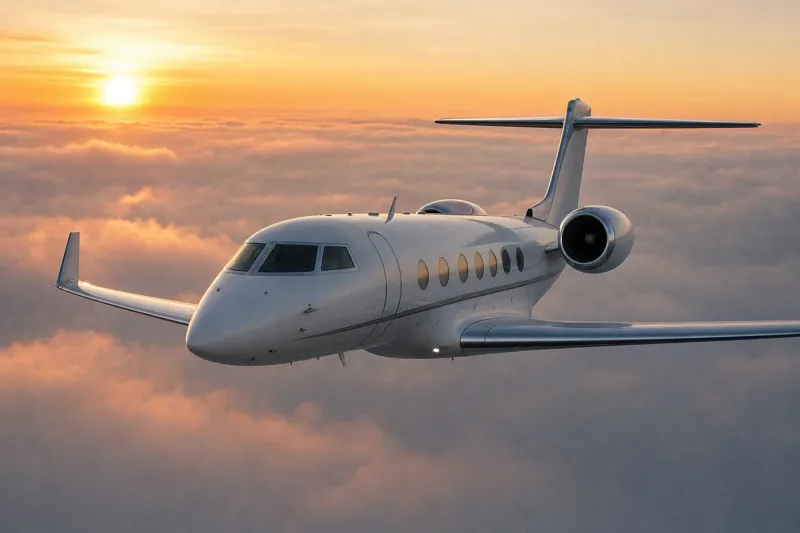
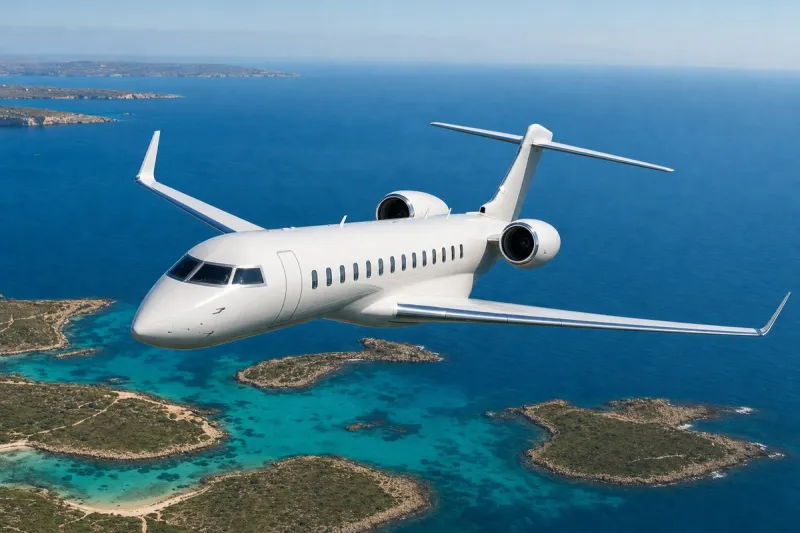
Gulfstream delivered 40 business jets in the third quarter of 2026, against 39 a year earlier. Parent company General Dynamics reported the figure in its Q3 earnings on October 30, 2026, alongside a 19% increase in aerospace profit. The aerospace division, which includes Gulfstream and Jet Aviation, earned $513 million on revenue of $3.54 billion, up 9.3%. Operating margin rose to 14.5% from 13.3%.

Deliveries comprised 35 large-cabin aircraft and five midsize jets, compared with 33 and six a year earlier. Gulfstream's deliveries for the first nine months reached 119 aircraft, up from 113. Aerospace orders totaled nearly $5 billion during the quarter, exceeding revenue by approximately 40%, and the division's backlog reached $25.4 billion, about $1.4 billion more than in the previous quarter.
On the earnings call, Chairman and CEO Phebe Novakovic attributed the revenue growth to a more favorable mix of aircraft deliveries and increased services revenue at both Gulfstream and Jet Aviation. President Danny Deep said manufacturing and cabin-completion work was becoming more efficient, particularly on the G700 and G800. Gulfstream delivered its 33rd G800 during the quarter. Maintenance activity also increased, and Jet Aviation's US fixed-base operations reported particularly strong business.
Gulfstream handed over its first customer G800 in August 2025 and delivered its 100th G700 in the second quarter of 2026, a little over two years after that model entered service. Chief Financial Officer Kim Kuryea said new-aircraft orders through September were more than 30% higher than a year earlier, and Novakovic described strong interest across the US, Western Europe and Southeast Asia.
The 2030 delivery target
Looking further ahead, Deep said Gulfstream intends to deliver 200 aircraft annually by 2030. He said the company has the workforce and facilities to support that output, but suppliers will need to keep pace.
Deliveries beyond that level would require additional investment in facilities and equipment.
Industry impact & what to watch
The quarter shows how large-cabin economics work at the top of the market. Unit deliveries rose by one aircraft, yet profit rose 19% and margin widened by 1.2 points. In this segment, the mix of aircraft handed over and the weight of services work (maintenance, completions, FBO activity) can move earnings further than the raw delivery count does.
Orders running well ahead of revenue, and a backlog that grew by about $1.4 billion in a single quarter, mean near-term output is constrained by production capacity rather than by demand. That makes supplier throughput, workforce and cabin-completion efficiency the variables that decide how quickly a booked order becomes a delivered aircraft. Deep's own framing of the 2030 target points the same way: the aircraft count is a function of the supply chain keeping pace.
The next checkpoints are the fourth-quarter deliveries that will complete the 2026 total and any announcement of facility or equipment investment tied to output beyond 200 aircraft a year.