Wheels Up Signs Agreement to Buy Six Factory-New Embraer Phenom 300E Jets for 2027 Delivery
Why It MattersA fractional and membership operator committing to factory-new light jets signals that fleet standardisation and owned-aircraft control are again being prioritised over leased capacity in the premium on-demand segment.
What happened
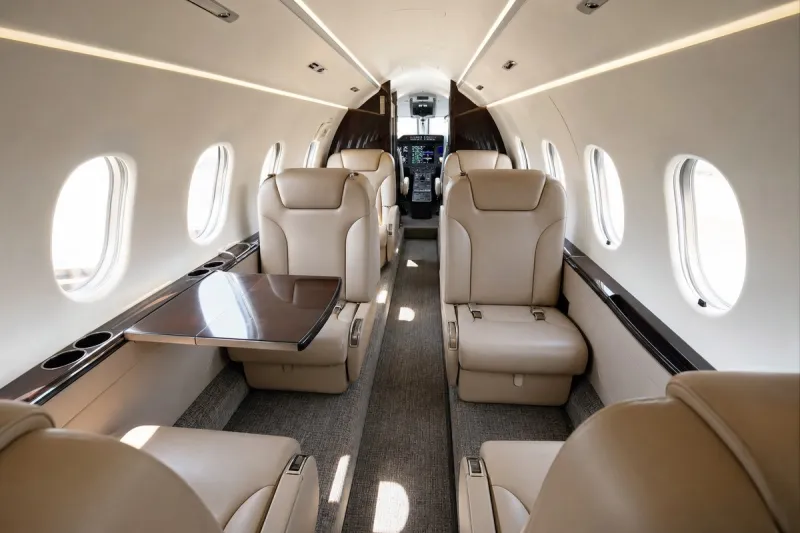
Wheels Up Experience Inc. (NYSE: UP) announced on Nov. 5, 2026 that it has signed a definitive agreement with Embraer (NYSE: EMBJ) to purchase six factory-new Phenom 300E premium jets, with delivery scheduled for the second half of 2027. The deal is Wheels Up's first direct purchase of new aircraft from Embraer and follows nearly three years of discussions about acquiring new aircraft.

The six aircraft will join the 29 Phenom 300/300E jets and 15 Bombardier Challenger 300 series aircraft that currently make up Wheels Up's premium controlled fleet. The new jets will arrive with satellite Wi-Fi already installed, matching the Phenom and Challenger fleets, which are 100% satellite Wi-Fi-equipped.
Wheels Up CEO George Mattson said the company completed its fleet modernization program earlier this year, more than 18 months ahead of schedule, and has welcomed more than 1,500 Signature members in the first year since the membership program launched. He said the purchase reflects strong demand trends and a commitment to a consistent premium customer experience. Michael Amalfitano, President & CEO of Embraer Executive Jets, said planning to bring new Phenom 300E aircraft into the Wheels Up fleet began in 2024.
The company said that over the past three years it has streamlined and modernized its fleet, improved operational reliability, unified its global sales and service teams, and strengthened its strategic partnership with Delta Air Lines. The announcement describes the Phenom 300 series as the world's best-selling light jet for more than a decade.
Industry impact & what to watch
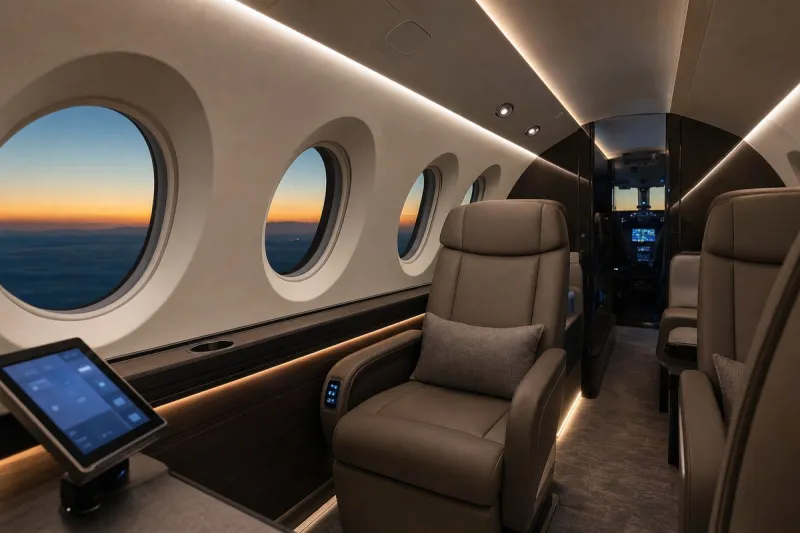
For a membership and fractional-style operator, the cost of a mixed or ageing fleet shows up in dispatch reliability and in how consistent the cabin product feels from one flight to the next. Adding new aircraft to a fleet already built around one light-jet family, with the same connectivity standard on every airframe, is a way of protecting that consistency while the premium customer base grows. The choice of a type already flying in volume at the company also keeps crew training, maintenance planning and spares logistics within known territory.
The order also says something about how operators in this segment now source capacity. After a period in which many on-demand providers leaned on third-party and leased lift to meet peaks, a direct purchase of six new airframes from a manufacturer with three years of preceding talks points to a preference for controlled aircraft where demand visibility allows it. Whether that preference spreads depends on how members and owners respond to a more uniform, operator-controlled product.
The next concrete milestone is the second half of 2027, when the first of the six Phenom 300E aircraft are due to enter the fleet and the company's description of demand will meet real utilisation.