Flyte Aviation Launches Flyte Club Prepaid Per-Trip Program With Discounts of Up to 30%
Why It MattersPrepaid per-trip pricing moves flight-count certainty to the buyer and pulls revenue forward for the operator, positioning a third option between hourly jet cards and fractional ownership in light-jet charter.
What happened
Flyte Aviation has launched Flyte Club, a prepaid program in which one credit covers one one-way flight for the customer's entire party on an eligible route. Members request dates and times as needed, and each departure remains subject to availability and confirmation.

The pricing is tiered by package size. On a route with a one-way retail rate of $4,900, a 10-trip package works out to $4,410 per flight, a 20-trip package to $3,920 and a 30-trip package to $3,430. At the 30-trip tier, the customer pays $102,900 for flights with a combined retail value of $147,000, a saving of $44,100.
Flyte positions the program as an alternative to jet cards and fractional ownership. Hourly jet card programs require buyers to translate purchased hours into an estimated number of flights, whereas Flyte Club states the number of flights at purchase, and ordinary variations in flight time do not change the contracted route price. Unlike fractional ownership, members purchase transportation directly, without committing capital to an aircraft share or taking on ownership administration or resale risk.
Flyte's technology roadmap plans to connect its website, web app and mobile app so members can compare packages, see per-trip prices and savings, purchase credits and request flights from one account. The planned features also include saving frequent routes and travelers, distinguishing pending requests from confirmed reservations, and showing remaining trips.
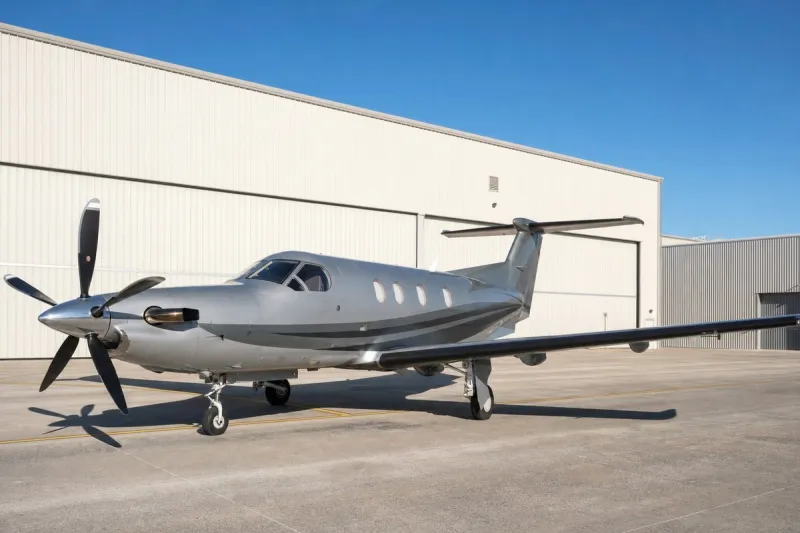
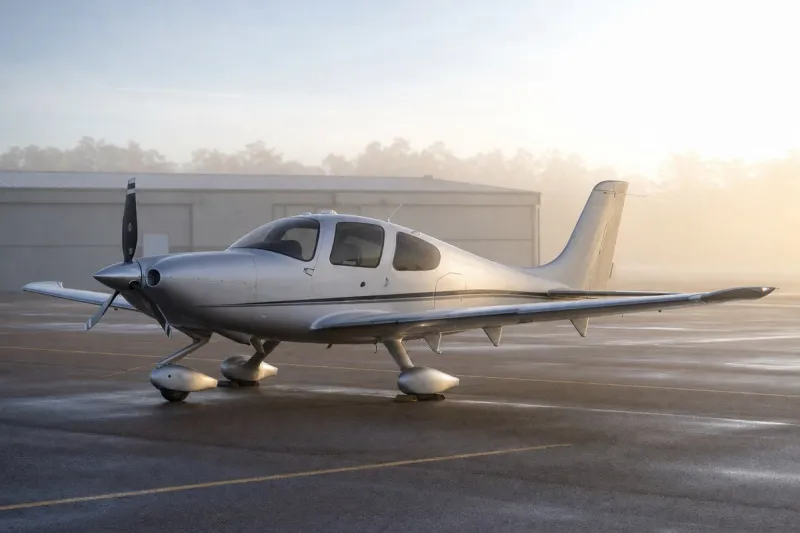
Flyte's operated charter services are conducted through Ponderosa Air, LLC, an FAA-certified Part 135 air carrier. The company aims to increase repeat bookings and improve utilization of its Cirrus Vision Jet fleet.
Industry impact & what to watch
Prepaid per-trip programs sit between two established products in private aviation. An hourly jet card sells flight time, so the number of trips a buyer actually gets depends on routing and block-time variation. Fractional ownership sells an asset share and carries capital and resale exposure. Pricing the flight itself, with the route rate fixed at purchase, moves the uncertainty about how far the money goes out of the buyer's hands and onto the operator.
For the operator, the structure is a cash-flow and planning tool as much as a pricing one. Flyte designed Flyte Club to collect cash at purchase, ahead of the flights it covers, and says the program gives it an early view of where customers expect to travel again, which it can use to plan aircraft and crew positioning. A discount of up to 30% against retail is the price paid for that forward visibility and for the repeat bookings the company is seeking on a single-type Cirrus Vision Jet fleet.
The company describes its statements about the anticipated effects on cash collections, repeat bookings and aircraft utilization as forward-looking. Whether the discount tiers translate into higher utilization is therefore a claim to test against Flyte's later results, and the connected account experience its roadmap describes will determine how easily members can actually use the credits they buy.