Vaeridion Raises €30M Series A2 and Is Selected for €94.5M EU Innovation Fund Grant
Why It MattersPairing private equity with a still-conditional public grant shows how electric regional aircraft developers fund the long gap between ground-rig testing and certified production capacity before any revenue arrives.
What happened
German electric aircraft startup Vaeridion has secured €30 million ($34 million) in a Series A2 equity round to build the first conforming prototype of its nine-passenger Microliner. The money will also fund integrated battery and propulsion testing. SHIFT Invest and Invest-NL led the round, joined by existing investors World Fund, Project A and Vsquared Ventures, alongside Payback founder Alexander Rittweger and others.
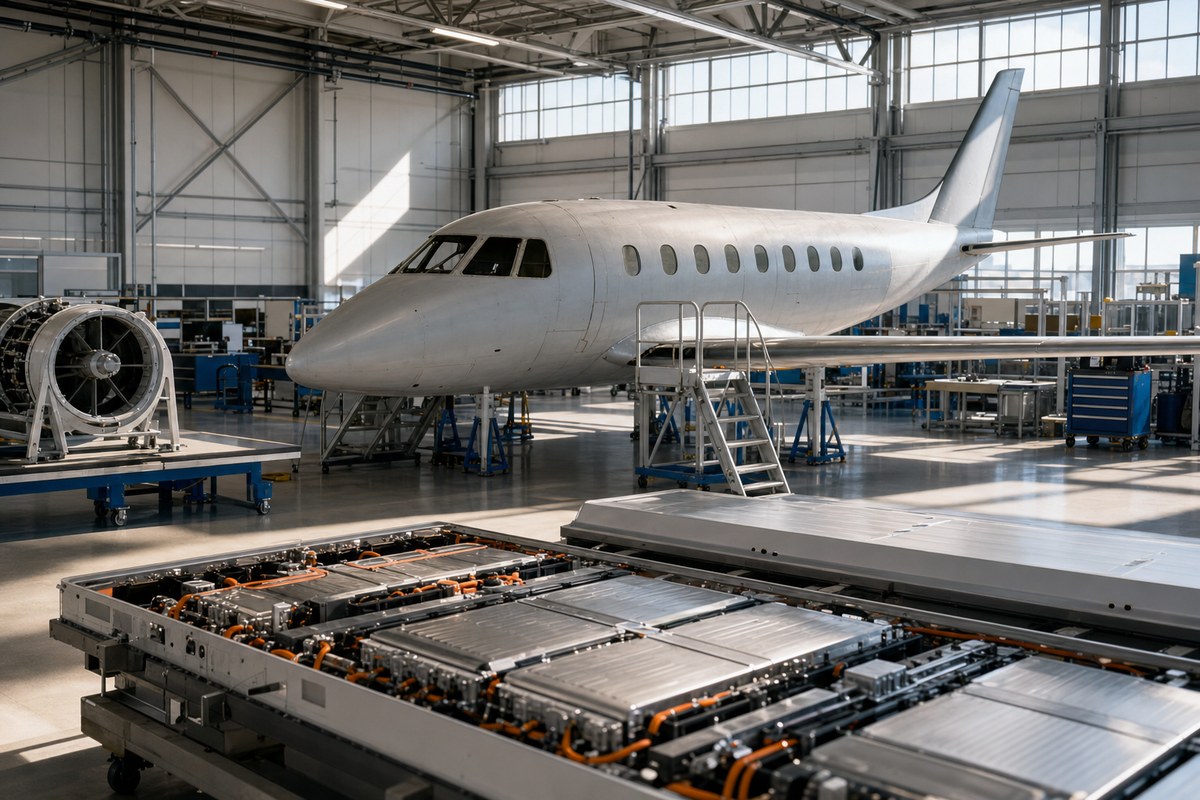
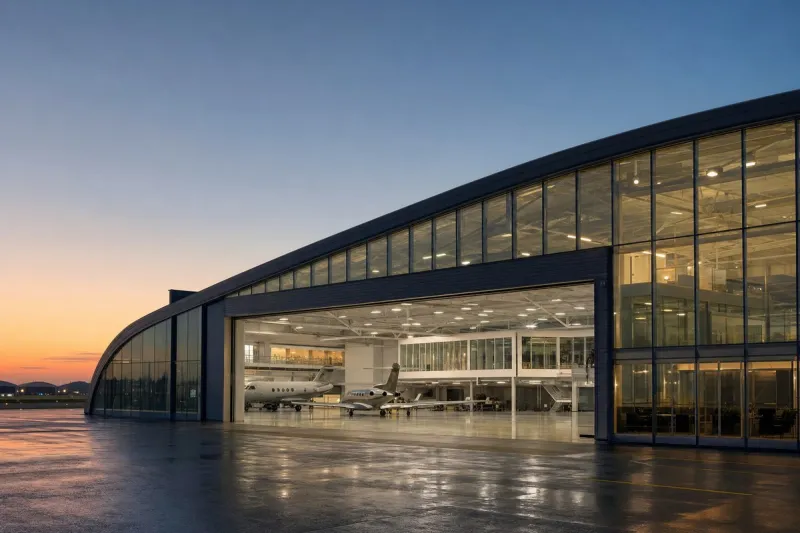
Separately, the company has been selected for a €94.5 million EU-backed grant. The proposed EU Innovation Fund money would support the Carolus project to build out and ramp up a final assembly facility at Oberpfaffenhofen Airport near Munich. The grant remains subject to completion of an agreement the company expects to sign in 2027. Including the new round and earlier public funding, Vaeridion says it has raised approximately €60 million to date, not counting the proposed grant.
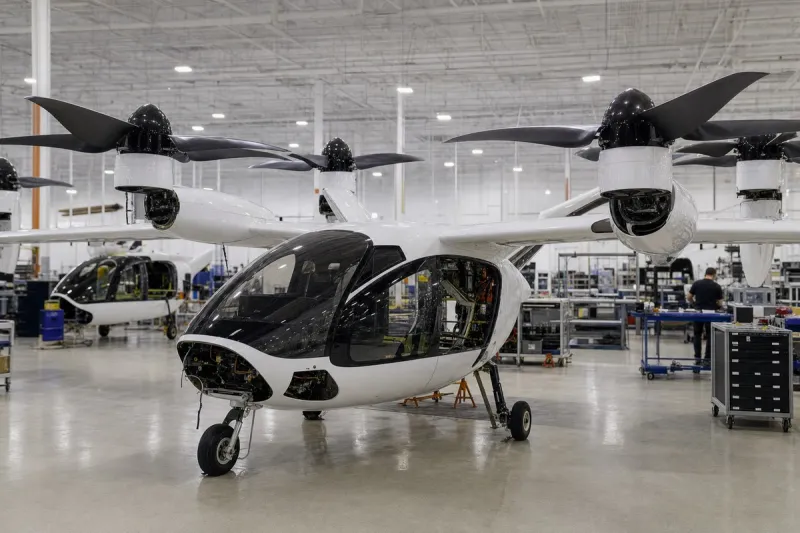
The company is moving from design work into hardware testing. It opened its production and test facility at Oberpfaffenhofen in March and recently powered on its electric engine for the first time. The next step is integrating battery packs and the propulsion system on a ground test rig known as the "copper bird." Those tests, together with wind-tunnel work, will support development of the conforming aircraft and preparations for flight testing. CEO and co-founder Ivor van Dartel said the propulsion and battery technology is now being tested at the company's own facility.
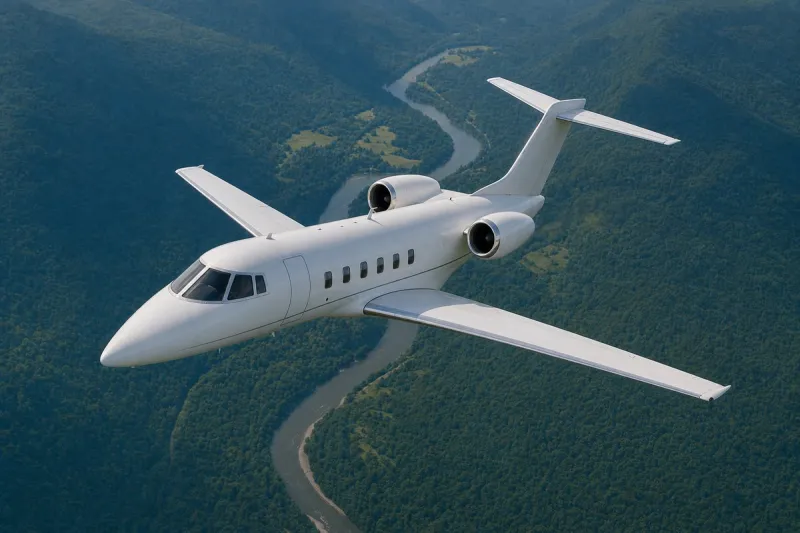
The clean-sheet, all-electric Microliner combines a glider-inspired wing containing modular integrated battery packs with multiple electric motors driving a single propeller. Vaeridion targets a range of 400 km (216 nm) with nine passengers under instrument flight rules, or up to 550 km with four passengers under visual flight rules. Passenger and cargo versions are planned. The preliminary design review was completed in June, and the company is targeting commercial service in 2030. The aircraft is designed to European Union Aviation Safety Agency (EASA) CS-23 requirements.
Vaeridion reports conditional orders for more than 130 aircraft, valued at over €730 million, from customers including regional airlines, charter operators and lessors.
Industry impact & what to watch
The financing split is typical of how electric and hybrid regional aircraft programs are built. Private equity pays for the engineering phase: a conforming prototype, battery and propulsion integration, and the move from simulation to hardware. Public innovation money is aimed at the heavier, later cost of standing up a final assembly line. A grant that has been selected but not yet signed gives the company a funding path for the factory, but not cash it can spend today.
Conditional orders play a particular role in this segment. Orders from regional airlines, charter operators and lessors are not firm commitments, and they are generally used to show investors and public funders that a market exists before the aircraft has flown. Their value as a demand signal depends on how many convert once a flying, certifiable aircraft exists, which cannot be judged from the order count alone.
The next dated milestone is the grant agreement the company expects to sign in 2027. Before that, the copper bird integration tests and wind-tunnel work are the steps that would show whether the battery and propulsion design performs as a combined system, ahead of flight testing and the 2030 service target.