Signature Aviation and UrbanV Form Signature UrbanV Alliance to Build U.S. Advanced Air Mobility Network
Why It MattersPlacing electric-aircraft charging and passenger services inside existing business-aviation terminals suggests advanced air mobility infrastructure may grow out of established airport networks before standalone vertiports.
What happened
Signature Aviation and UrbanV have formally established the Signature UrbanV Alliance (SUVA), a U.S. joint venture dedicated to developing and managing advanced air mobility (AAM) infrastructure in the United States. The initiative was first announced in June 2025 and previewed at NBAA-BACE 2026, and it is now entering the implementation phase.
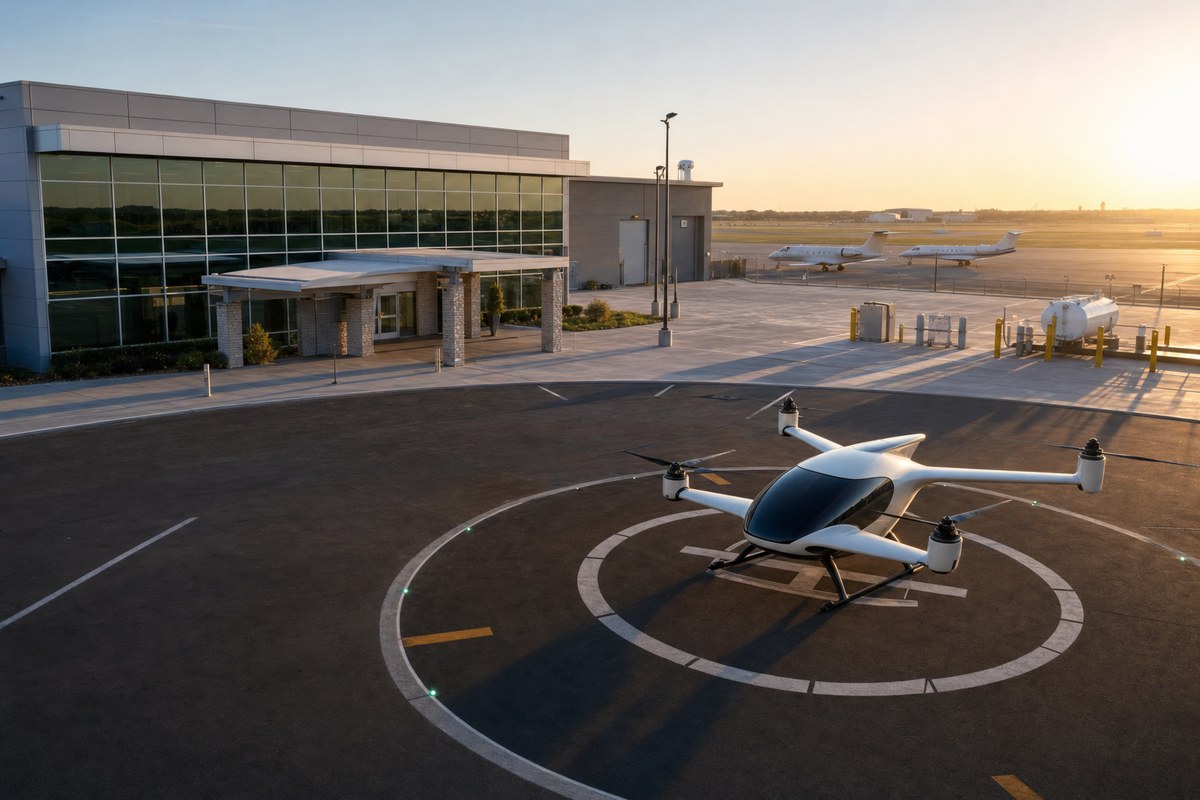
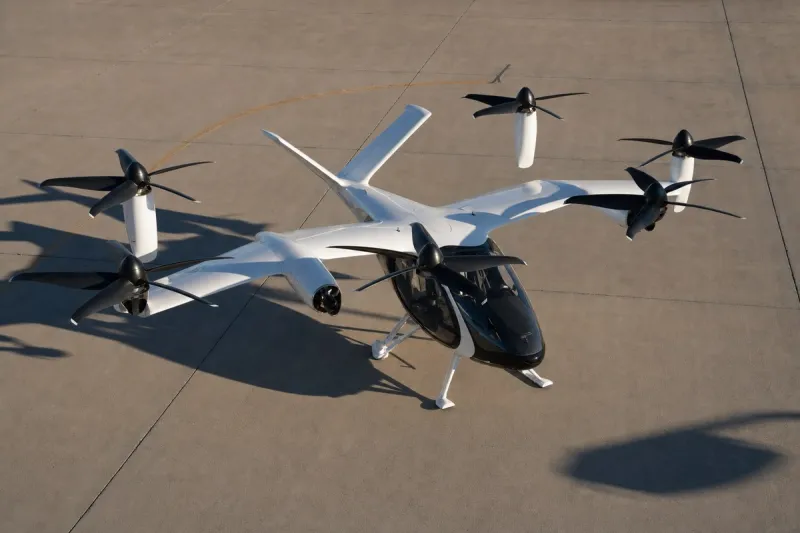
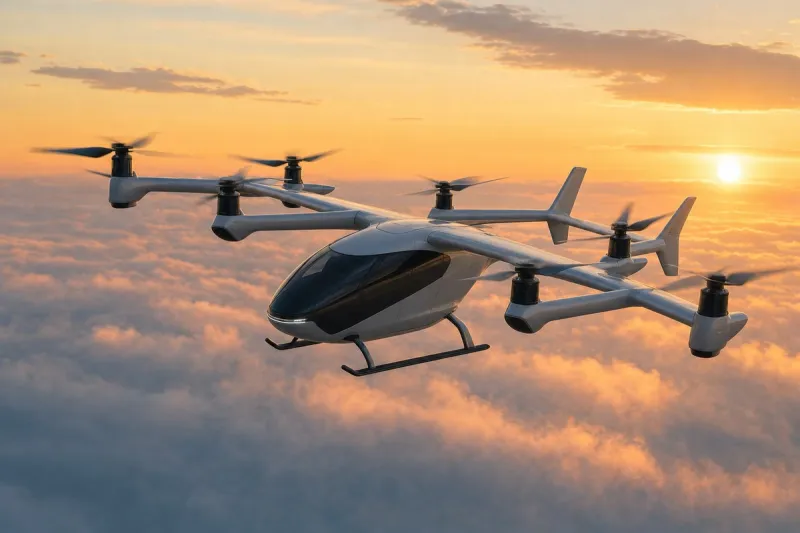
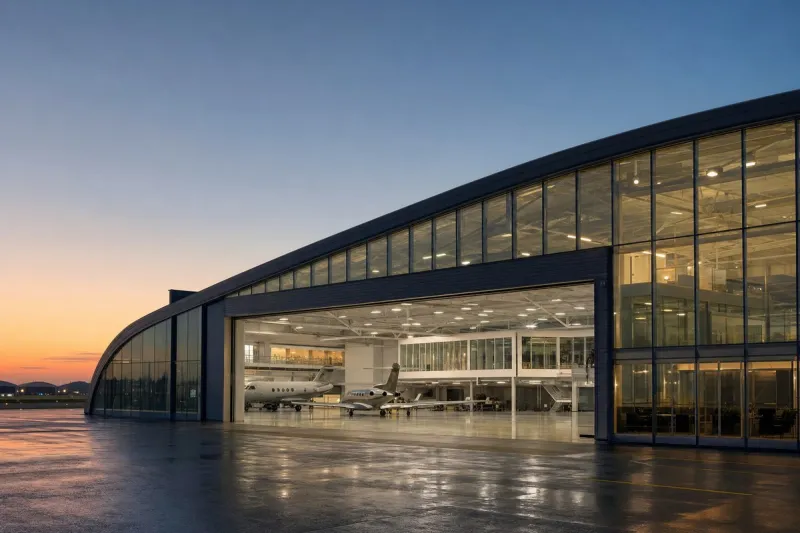
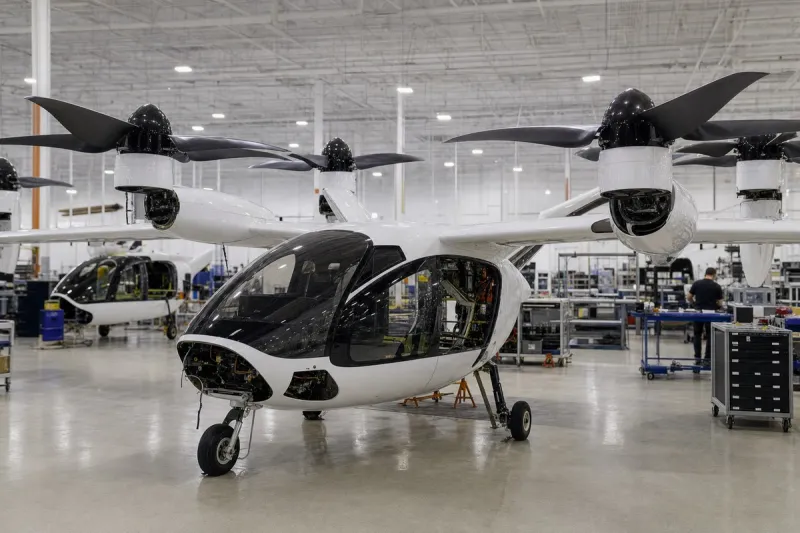
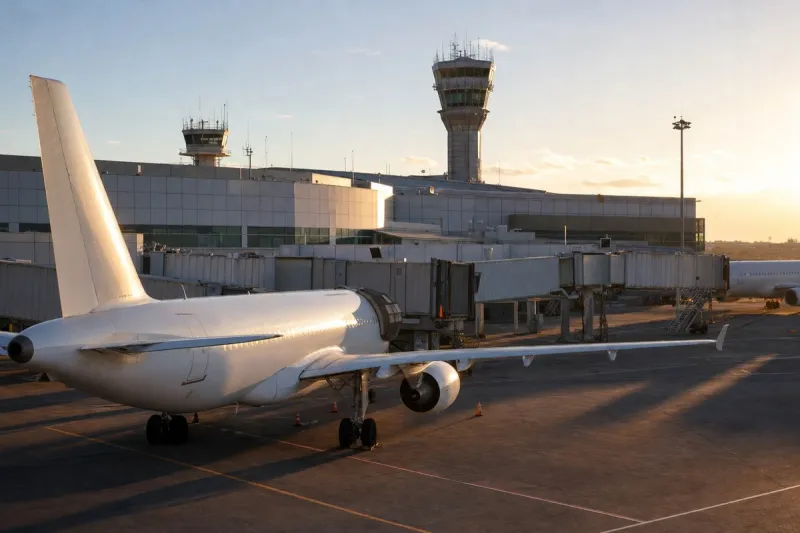
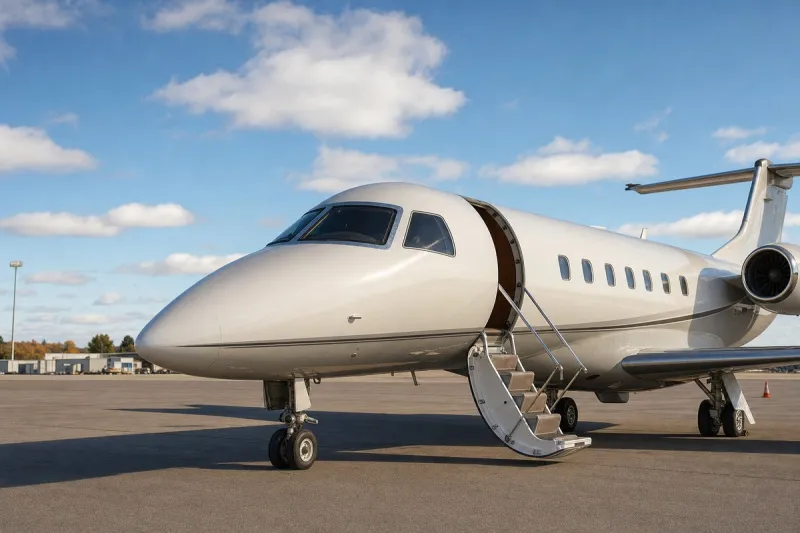
SUVA plans to start from existing airport infrastructure, in particular Signature terminals, and progressively integrate services and facilities for electric aircraft. First implementations are expected to combine charging, aircraft management and passenger services within already operational facilities.
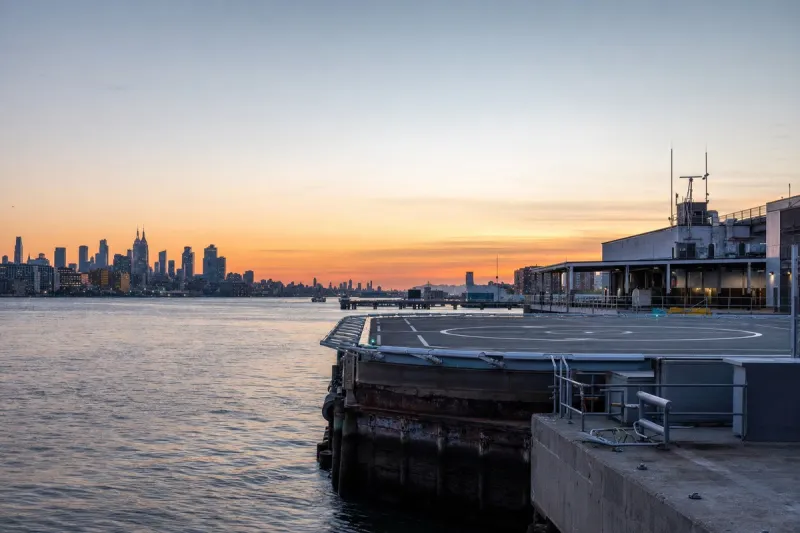
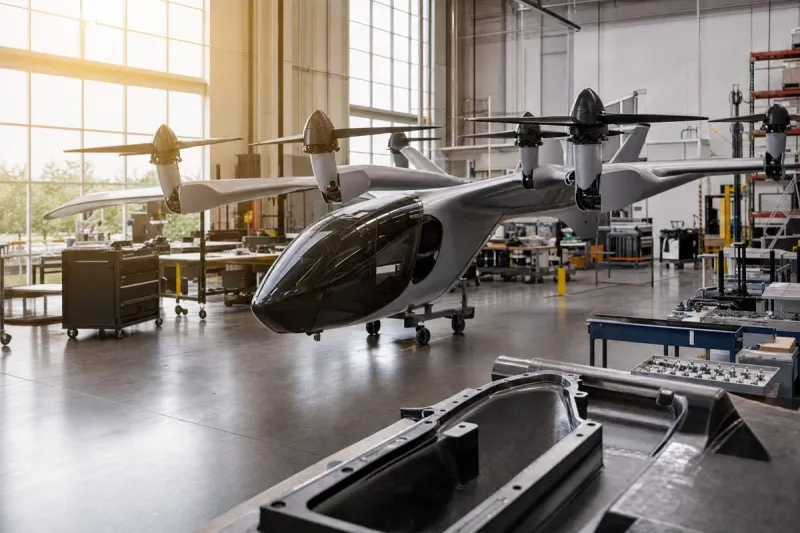
As demand grows, the network is expected to expand through dedicated vertiports and new purpose-built infrastructure. Vertiports would later be added in urban and regional destinations to form a mixed network of airport and non-airport locations.
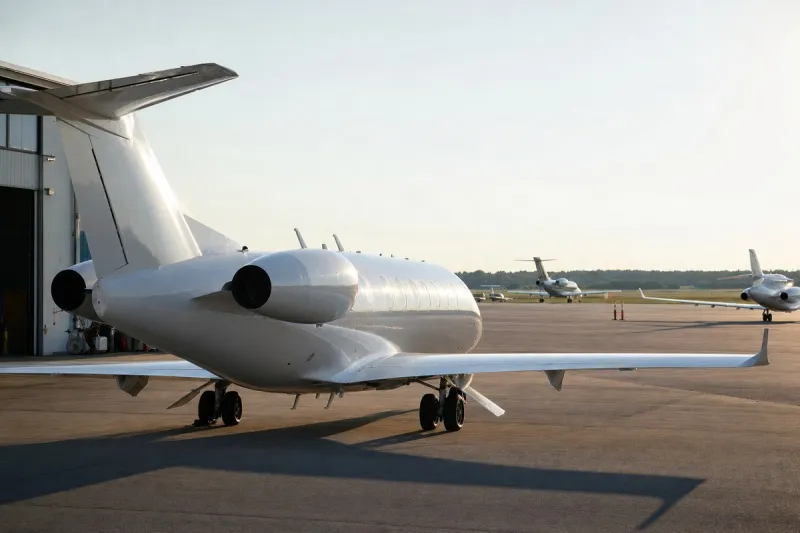
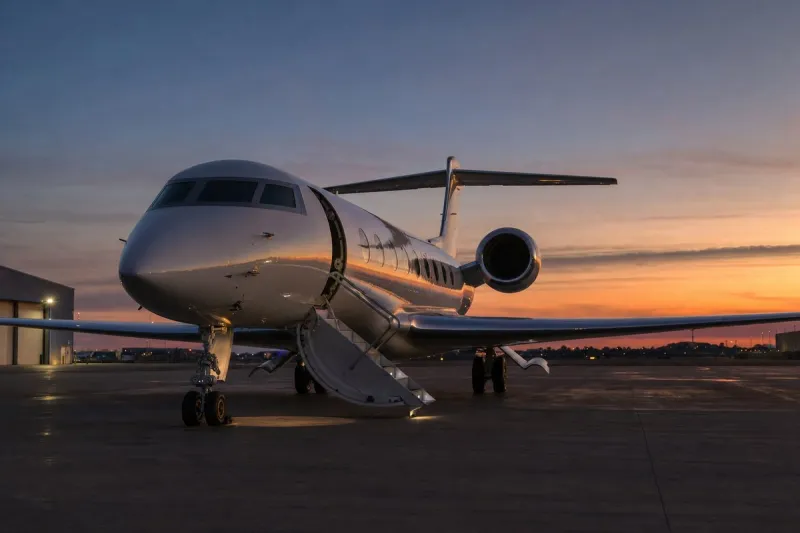
The joint venture combines two sets of competencies. Signature Aviation contributes its U.S. network, operational capabilities and relationships with private and business aviation customers; the company operates more than 200 private aviation terminals in 27 countries. UrbanV contributes expertise in the planning, development and operation of AAM infrastructure and vertiport networks.
Industry impact & what to watch
The phasing described for SUVA reflects how new aircraft categories tend to reach the ground: services are first bolted onto facilities that already have ramp access, customers and operating routines, and only later supported by purpose-built sites. For a segment whose aircraft are still entering service, that sequencing lets infrastructure spending follow actual demand rather than precede it.
The split of roles also illustrates how AAM networks are likely to be assembled. A terminal operator brings locations and business-aviation customer relationships, while a specialist brings planning and vertiport operating know-how. Neither piece is easy to build alone, which is why partnerships of this kind are a natural structure for the segment.
The next milestones are the first implementations inside operational Signature facilities, where charging, aircraft management and passenger services are meant to be combined, and the point at which demand justifies the first dedicated vertiports in urban and regional destinations.