University of Wyoming Receives $14.8 Million NSF Grant to Operate New King Air B300 Research Aircraft
Why It MattersSustaining a university-run research turboprop depends on multi-year federal funding that covers pilots, mechanics and instruments, which shows how scarce and institution-dependent airborne atmospheric science capacity is in the United States.
What happened
The University of Wyoming (UW) has received a $14.8 million U.S. National Science Foundation (NSF) grant to fund operation and maintenance of its new NSF/King Air atmospheric research aircraft, which flew its first study mission in summer 2026. The five-year grant runs from Sept. 1 through Aug. 31, 2031. UW is the only academic institution in the United States that provides a research aircraft facility to the atmospheric science community.
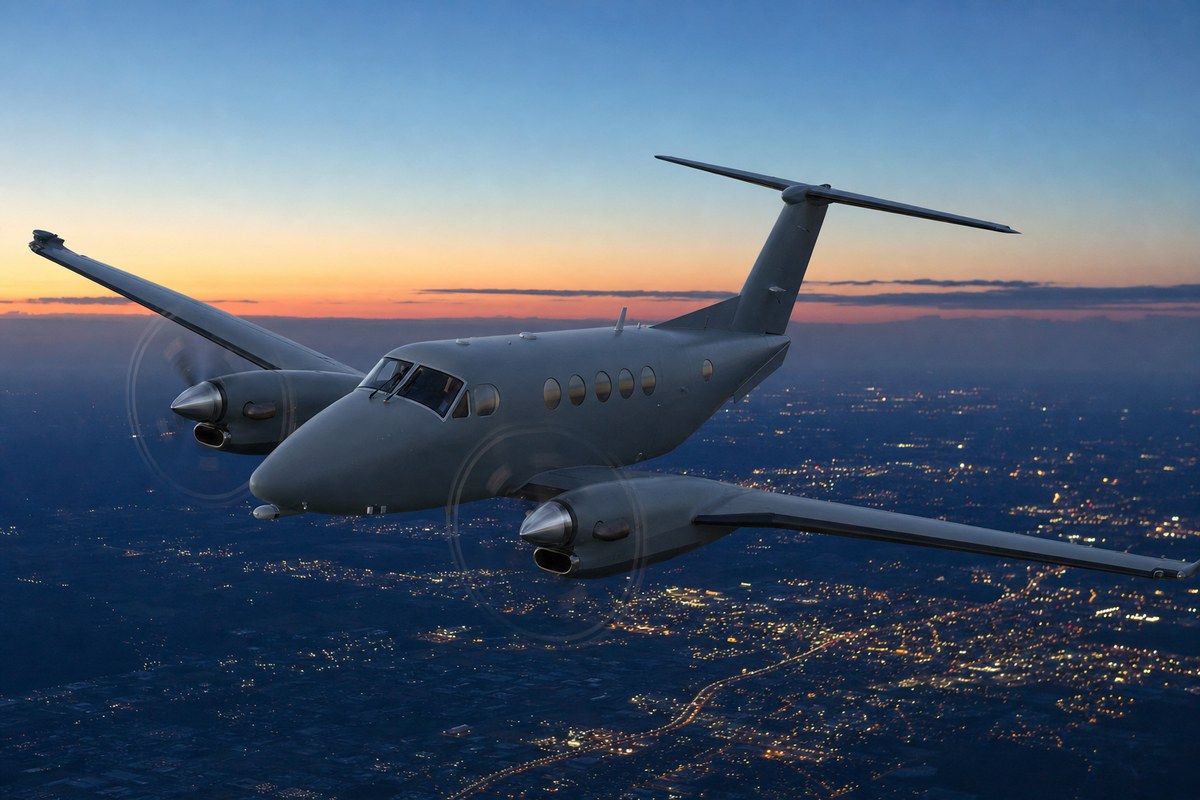
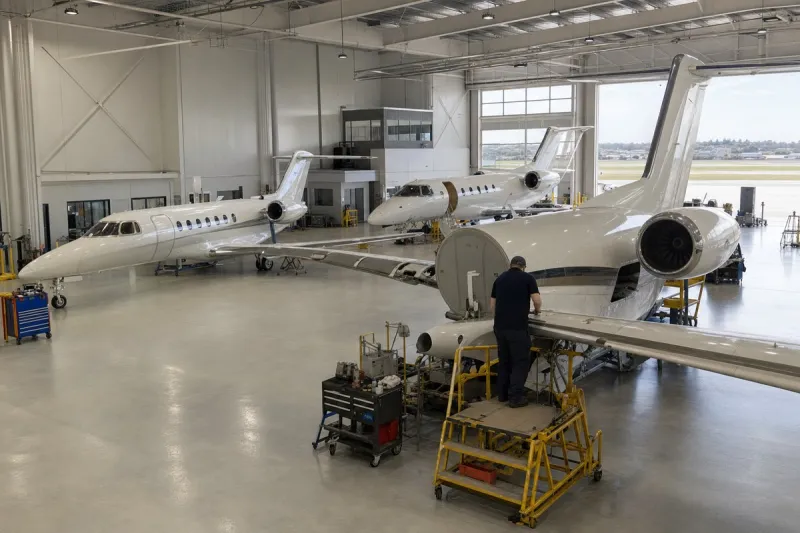
The aircraft is a 2013 King Air B300, serial number FL-862, which replaces UW's 1977 King Air 200T. That aircraft retired in August 2022 after 45 years and roughly 9,000 research hours. UW bought FL-862 in 2020, and it spent four years at Avcon Industries Inc. in Newton, Kansas, for design, installation and certification of more than 60 modifications. Jeff French, professor and head of UW's Department of Atmospheric Science, said the combined purchase and modification was an approximately $20 million project funded jointly by the NSF and UW.
The grant funds the infrastructure needed to operate and maintain the aircraft, including its scientific instruments, and supports 18 people funded full-time or half-time: three professional pilots, two aircraft mechanics and 13 research scientists, engineers and technicians. Since 1988 the King Air platform has been part of the NSF Lower Atmospheric Observing Facilities Program, under which the NSF provides nearly $3 million in base funding annually to UW.
The B300's first research mission, in summer 2026, measured summer ozone formation in the Salt Lake Valley in collaboration with Colorado State University, the University of Utah, the University of Montana, NASA and the Utah Division of Air Quality. The aircraft flew twice a day from mid-July through August. Historically, about 50 percent of research with UW's King Air relates to cloud physics and about 30 percent to aerosols and air quality.
Industry impact & what to watch
A research aircraft of this kind is not a commercial asset, and its economics work differently from charter or fractional ownership. Acquisition cost, years of modification work and the staff who fly, maintain and instrument the airplane are carried by public funding and a host university. This case shows that stack in one place: an approximately $20 million purchase-and-modification project shared by the NSF and UW, then a five-year operating grant on top of the base funding the program already receives.
For the wider King Air ecosystem, the story is a reminder that the type's second-hand market and its modification shops serve non-airline, non-charter buyers too. A 2013 airframe spending four years at a Kansas modification facility for more than 60 changes is a long, specialised programme, and it ties up a certification-capable shop for the duration. Segments that depend on that kind of one-off engineering work, from instrument integration to supplemental certification, are shaped by a very small number of such projects.
The next milestone is the grant period itself, which ends Aug. 31, 2031. Between now and then, the research community's use of the B300 across the cloud physics and aerosol work that has historically dominated the King Air's flying will show how the new aircraft is being scheduled and by whom.