NASA and Space Florida Announce CapeWeek Aerospace Expo for March–April 2028 at Kennedy Space Center
Why It MattersA new annual U.S. venue competing with biennial European and Gulf airshows would shift where deal-making, product launches and supplier meetings are concentrated, provided exhibitors and anchor manufacturers commit to the format.
What happened
NASA and Space Florida, the state's aerospace finance and development authority, officially announced CapeWeek, also called The Great American Aerospace and Technology Expo, on Friday. The inaugural event is scheduled for March and April 2028 and is expected eventually to accommodate more than half a million people per year, organizers said.
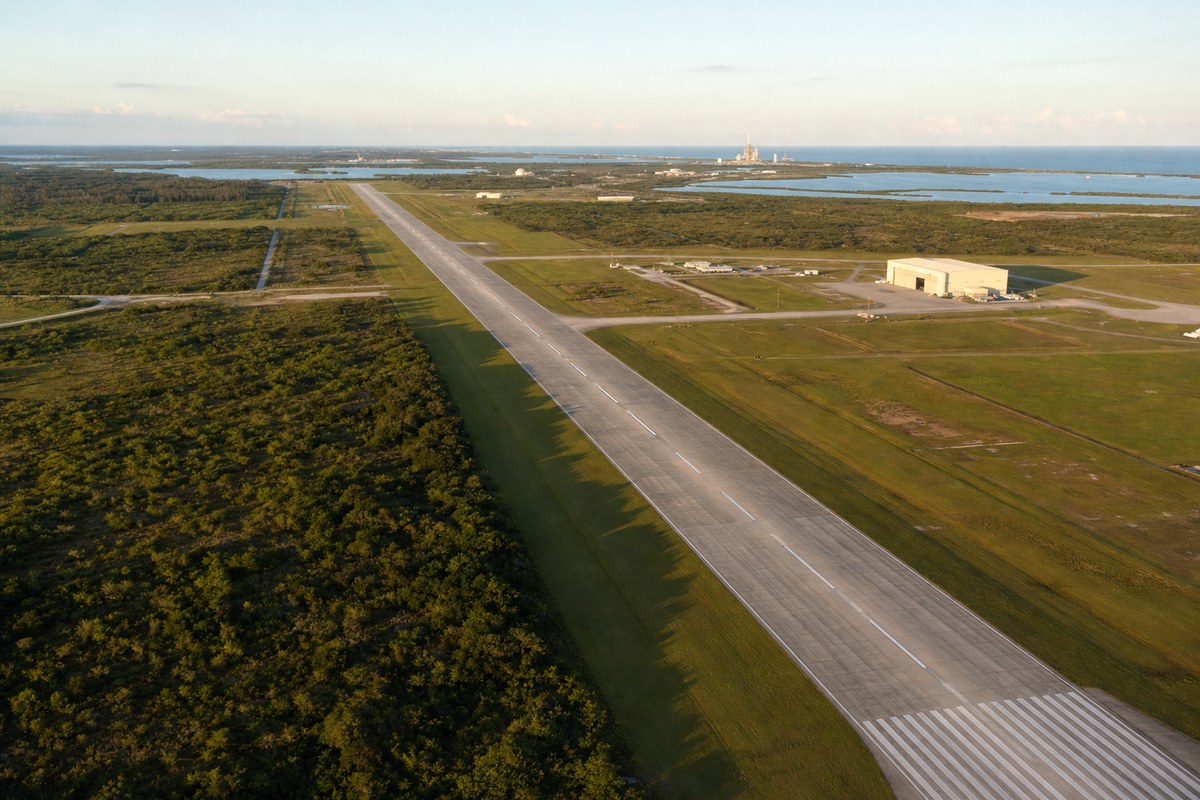
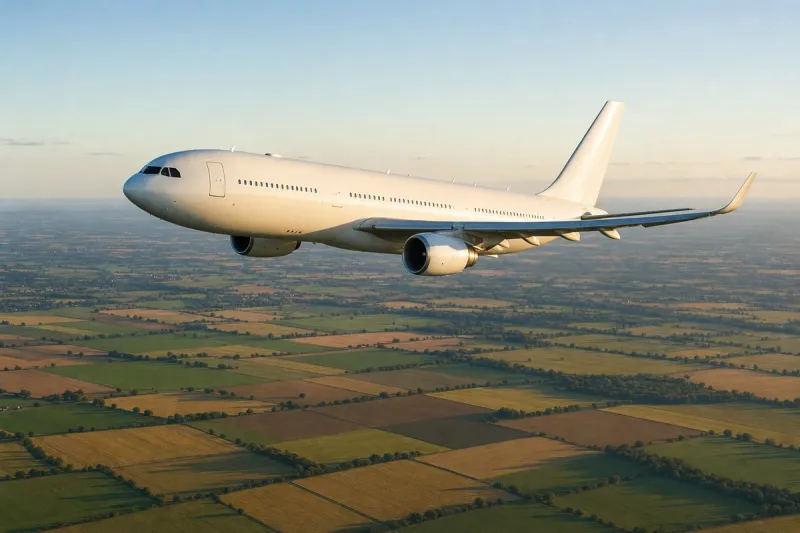
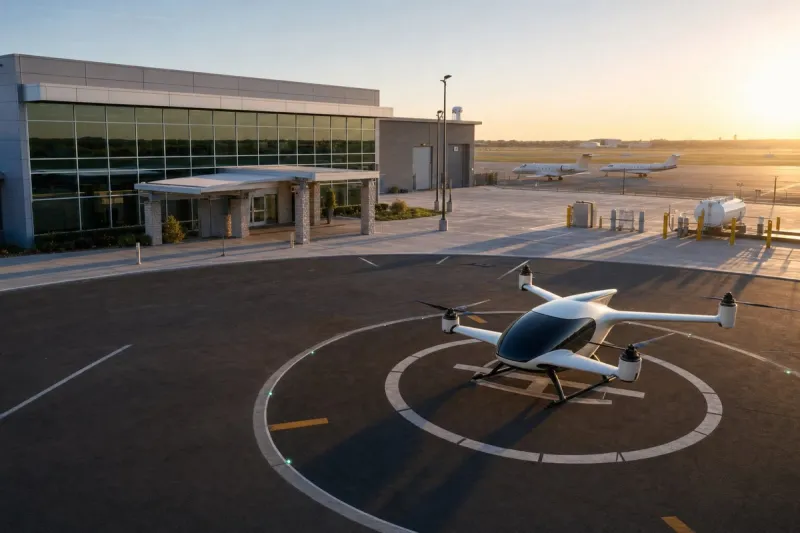
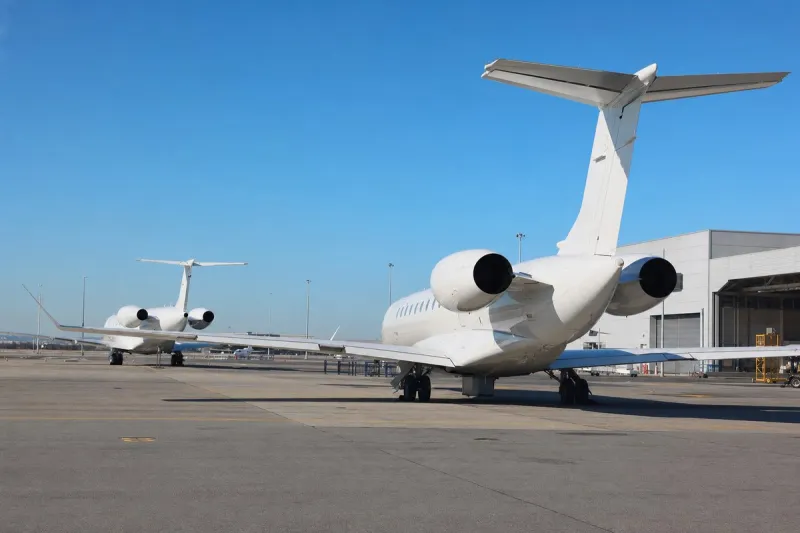
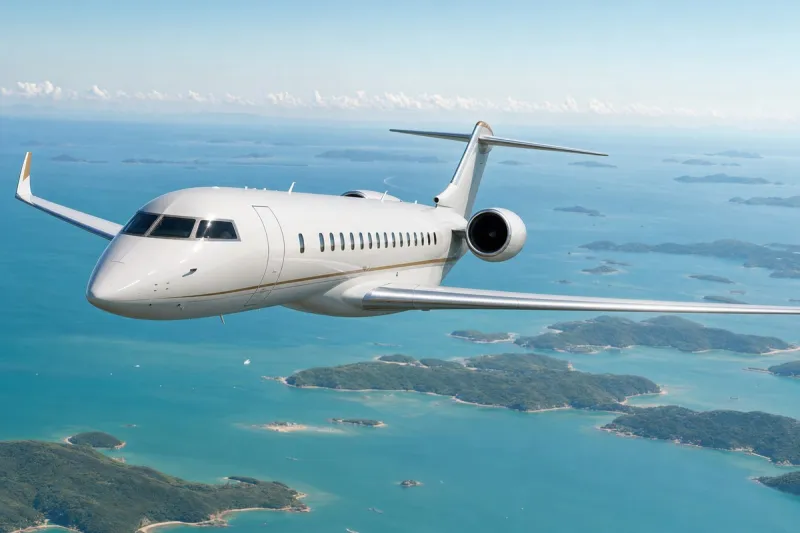
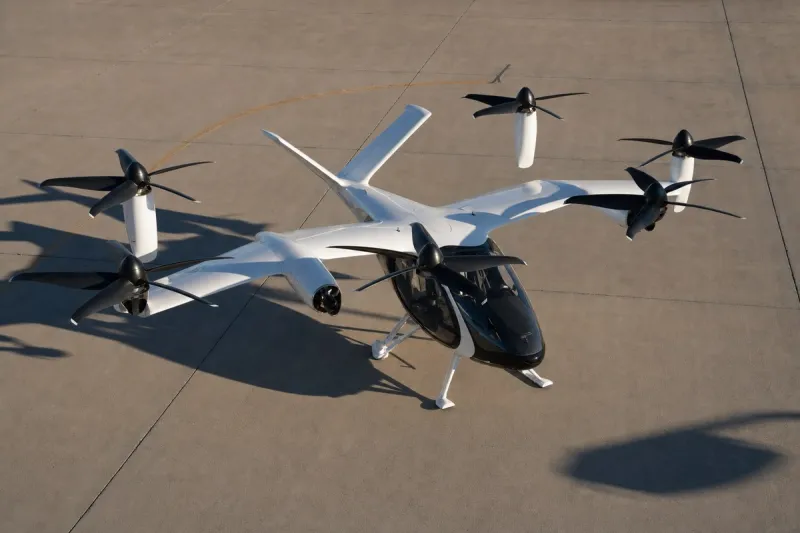
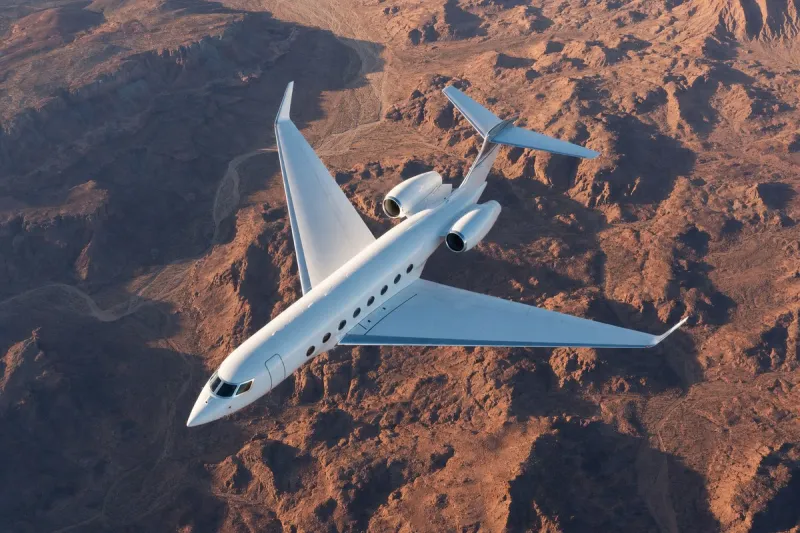
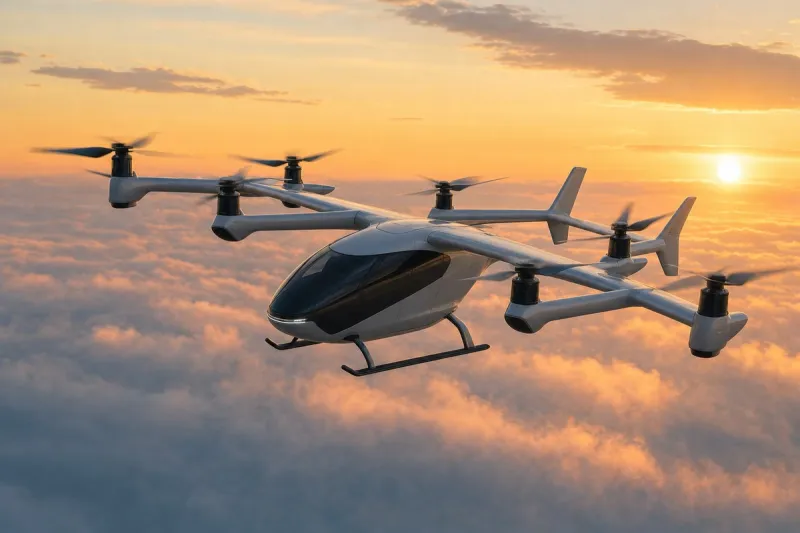
CapeWeek will be held on the 15,000-foot former space shuttle landing runway at NASA's Kennedy Space Center in Florida. Organizers describe it as a national annual gathering covering aerospace and technologies across defense, superintelligence, energy, autonomy, robotics, and advanced air mobility. Planned features include a leadership forum, an international industry exhibition, and two public days with flight demonstrations and displays, spanning rockets, fighter jets, electric air taxis, and self-flying delivery drones.
According to the event website, the leadership forum will run March 27-29 for industry executives, investors, and government officials. The exposition on March 29-31 is intended as a venue for companies to strike deals, unveil products, and connect with customers and suppliers, with flight demos and status displays. Public days on April 1 and 2 will include fighter jet demos, rocket launches from nearby pads, and displays of commercial airliners, electric air taxis, defense aircraft, and spacecraft. Tickets are not yet available.
NASA and Space Florida project CapeWeek will generate $5 billion in economic impact for Florida over its first decade. For comparison, the Paris Air Show drew about 300,000 visitors, the 2026 Farnborough International Airshow about 141,000, and the Dubai Airshow about 248,000 in 2025. Unlike those biennial shows, CapeWeek would be annual. Its projected attendance would still fall short of EAA AirVenture in Oshkosh, Wisconsin, which draws about 700,000 annually, and China's Zhuhai Airshow, which Chinese media reported had nearly 600,000 in 2024.
NASA Administrator Jared Isaacman said America should have a place where the people building the future can meet the public that supports them, calling Kennedy Space Center and the shuttle runway fitting. Cyrus Sigari, co-founder of UP.Partners and JetAviva and founder of CapeWeek, said the event gives America a stage of its own alongside the world's great airshows. Officials including Secretary of the Air Force Troy Meink also issued statements welcoming the announcement.
Separately, NASA is hosting its Max Power airshow and exposition at Kennedy on Sunday and Monday. Announced flyovers include U.S. Air Force Thunderbirds F-16s, F-5s flown by Isaacman's NASA Freedom 250 aerial team, Isaacman's personal MiG-29, Navy F/A-18 Super Hornets, an Air Force C-17 Globemaster III, Coast Guard C-27J Spartan and MH-65 Dolphin helicopters, NASA's F-15D and 777-200ER flying laboratories, and a Rooster Aerobatics Pitts S2-B. NASA aircraft including the X-59 quiet supersonic demonstrator will be on display.
How it unfolded
Public days with fighter jet demos, rocket launches from nearby pads, and displays of airliners, electric air taxis, defense aircraft, and spacecraft.
Exposition for deals, product unveilings, and meetings with customers and suppliers, with flight demos and status displays.
Leadership forum for industry executives, investors, and government officials.
Industry impact & what to watch
Aerospace trade events have long clustered in Europe, the Gulf and China, with the largest Western shows running every other year. An annual U.S. gathering that fuses an executive forum, a trade exhibition and public days would give American manufacturers and suppliers a recurring domestic stage, and it explicitly pulls defense, autonomy, advanced air mobility and space into one calendar slot rather than leaving them to separate shows.
The case for the model rests on attendance and exhibitor commitment. The projected half-million visitors sits above Paris, Farnborough and Dubai but below Oshkosh and Zhuhai, so the business-to-business value will depend less on crowd size than on whether major airframers, defense primes and eVTOL developers choose to time product reveals and customer meetings around late March. Annual frequency also changes the economics for exhibitors: a yearly show competes with their existing biennial commitments rather than slotting into the gaps between them.
The next dated milestones are the opening of ticketing and the announcement of exhibitors and anchor participants, which would show how much of the leadership forum and exhibition is filled by commercial customers versus government and public-facing displays.