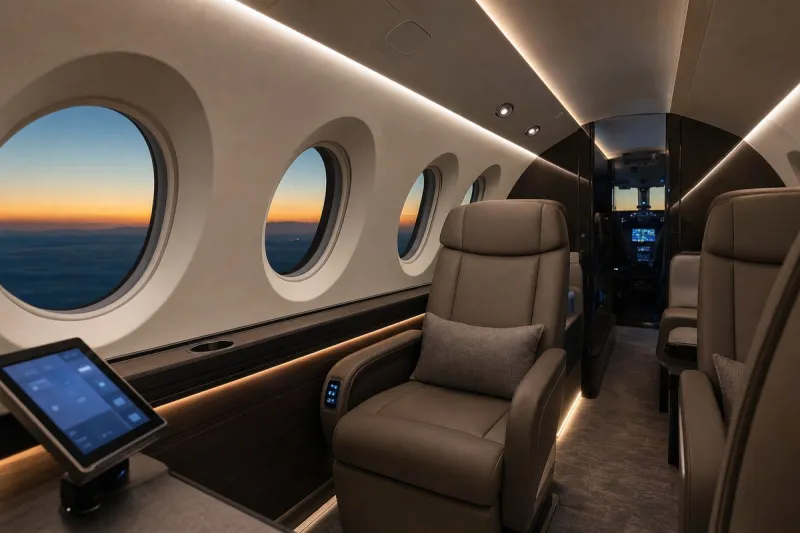
Forecast International: Widebody ACJ/BBJ Deliveries Seen at 3 to 4 Units a Year Through 2030, With Airbus Leading in Either Scenario
Why It MattersA segment with no purpose-built business-jet rival is now effectively an Airbus market, and any Boeing revival depends on unannounced completion contracts rather than an order backlog that neither airframer discloses.
What happened
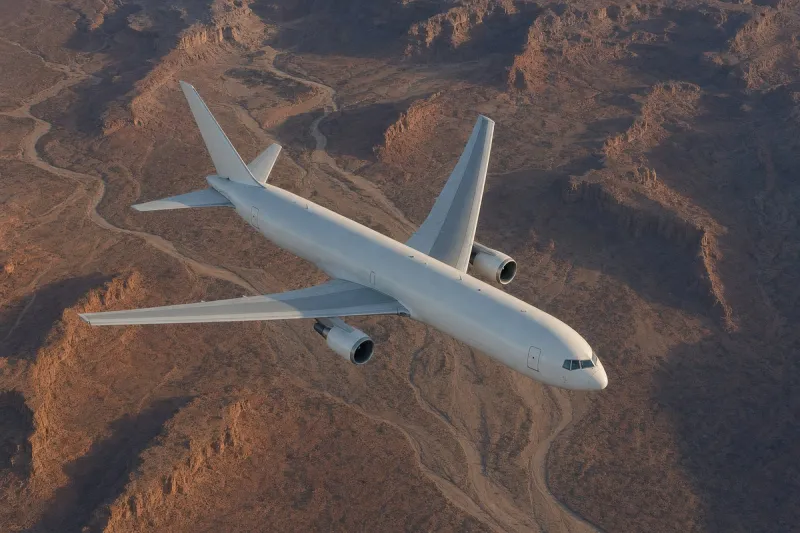
Forecast International's Flight Plan series, in Part 2, covers the widebody VIP market: Airbus Corporate Jets built on the A330, A340 and A350 platforms (ACJ330-200/300/800, ACJ340, ACJ350-900) and Boeing's widebody VIP line (747-8, 767, 777 and 787). Together they delivered 3 units in 2025, all of them ACJ widebodies and none from Boeing. Over 2021-2025 deliveries averaged 3.4 units a year, starting with 6 units in 2021 and 5 in 2022 before falling to between 1 and 3 a year.
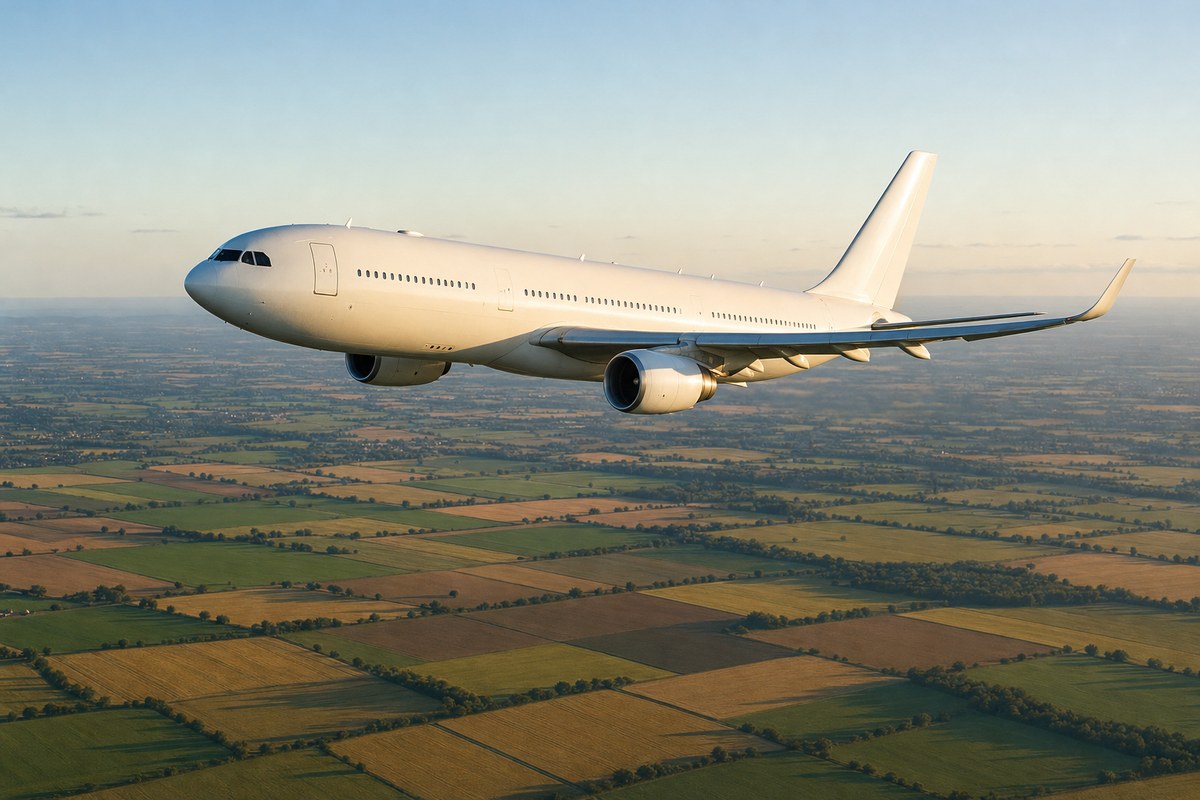
Using publicly disclosed industry information and JETNET data as of October 13, 2026, combined ACJ330/350 and Boeing widebody VIP production peaked at 10 units in 2012 (eight Boeing and two ACJ330) and at 9 units in 2017 (all Boeing). Airbus led in the 2000s with 12 widebody units to Boeing's 4 (75% vs. 25%). Across 2012-2019, Boeing delivered 34 units to Airbus's 5 (87% vs. 13%), led by the 747-8 and 787. Including 2010 and 2011, the totals are 37 for Boeing against 8 for Airbus (82% vs. 18%). The two were level at two units each in 2020.
Neither Airbus nor Boeing discloses a backlog for this segment, so the model uses a rolling five-year trailing average. With only one Boeing widebody VIP delivered in 2021-2025, that average gives Boeing 0.2 units for 2026 and close to zero for 2027-2029 absent a confirmed order. The 2030 figure is probability-weighted: a 10% chance of a 10% recession shock (2.5 units) blended with a 90% no-recession case (2.7 units). The model's 2026 forecast for the ACJ widebody is 3.2 units.
One Boeing order is already public: in May 2023, Boeing announced orders from undisclosed VIP customers for two BBJ 787-8s, plus an option on a BBJ 777-9, the first VIP commitment for the 777X. No delivery dates or option exercise have been announced, and no Boeing widebody VIP has appeared in the data through the first half of 2026, so none of these aircraft is in the baseline forecast. The 777-9 is not expected to enter service until 2027. In Scenario A, both BBJ 787-8s ship in the first half of 2027, lifting 2027F from 2.9 to 4.9 units and raising Boeing's share of that year to 42%.
Through the first half of 2026, 1 ACJ widebody unit and zero Boeing widebody units have been delivered. Simple annualization points to roughly 2 ACJ widebody units for the full year, somewhat below the 3.2 forecast, while Boeing's zero is in line with its 0.2 forecast. This interim data point is not yet folded into the trailing average.
Why Boeing's gap is hard to read
The article cautions that Boeing's near-zero should not be read purely as collapsed demand. The gap since 2020 coincides with the 737 MAX program's extended disruption and 787 production-quality issues, with 787 deliveries paused from May 2021 to August 2022. The 747 program completed production in 2022, and the 777X is not expected to enter service until 2027.
The production data cannot distinguish a capacity or product-gap explanation from a demand-driven one. On the Airbus side, ACJ350s are built on the same production line as commercial A350s, so Airbus's commercial A350 backlog could cap VIP output.
Industry impact & what to watch
This segment has no direct competitor among purpose-built business jets, so its economics are set by two airframers and by whether a buyer wants an airliner-sized cabin at all. Volumes of 3 to 4 units a year mean a single order moves a year's totals and market shares sharply, as the swing in the 2027 forecast from 2.9 to 4.9 units under Scenario A shows.
That sensitivity cuts differently for the two makers. Airbus has delivered 16 of the 17 widebody units since 2021, and its output shares a line with commercial A350s, so VIP deliveries depend on the airline backlog as much as on VIP demand. Boeing's position depends on aircraft that are not yet in the baseline: the two BBJ 787-8s and the BBJ 777-9 option from May 2023.
The earliest visible signal would be a third-party completion contract for a BBJ 787-8 or 777-9, since completion centers typically see their order pipeline 30-48 months ahead of a reported delivery. Until one appears, the Boeing forecast stays near zero and the forecast rests mainly on Airbus.