Gulf States' Aviation Hub Strategy Exposed to Missile Risk From Iran and Allied Militias
Why It MattersA hub model built on geographic position ties the region's aviation value to security conditions, so missile exposure becomes a structural variable for carriers, insurers and lessors rather than a passing headline.
What happened
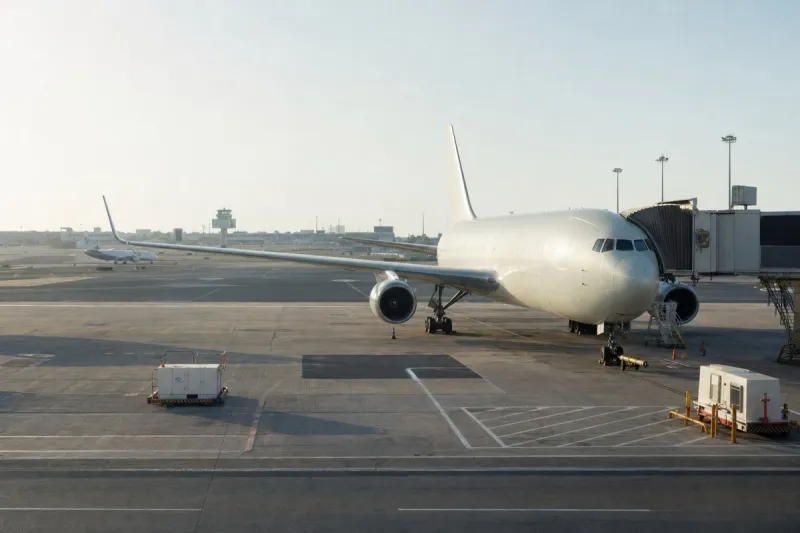
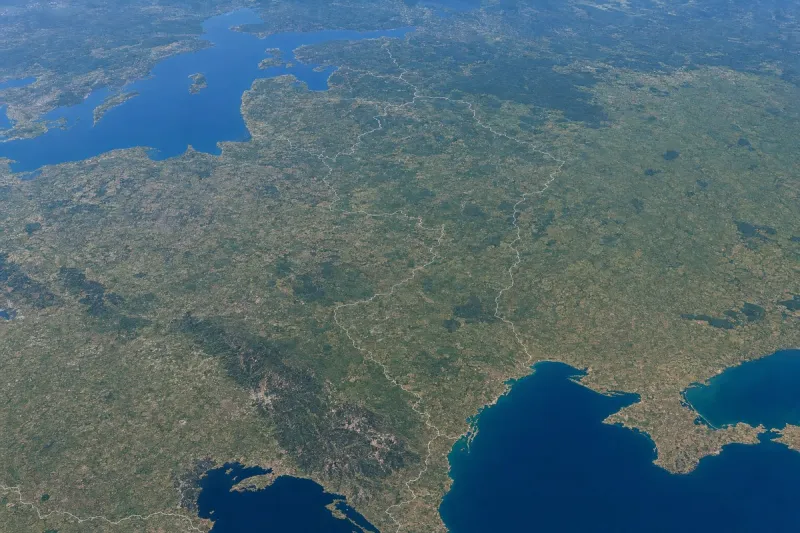
The Gulf states have invested hundreds of billions of dollars in building airports positioned between the major air markets of Europe and Asia. The stated aim is to become the world's dominant aviation hubs.
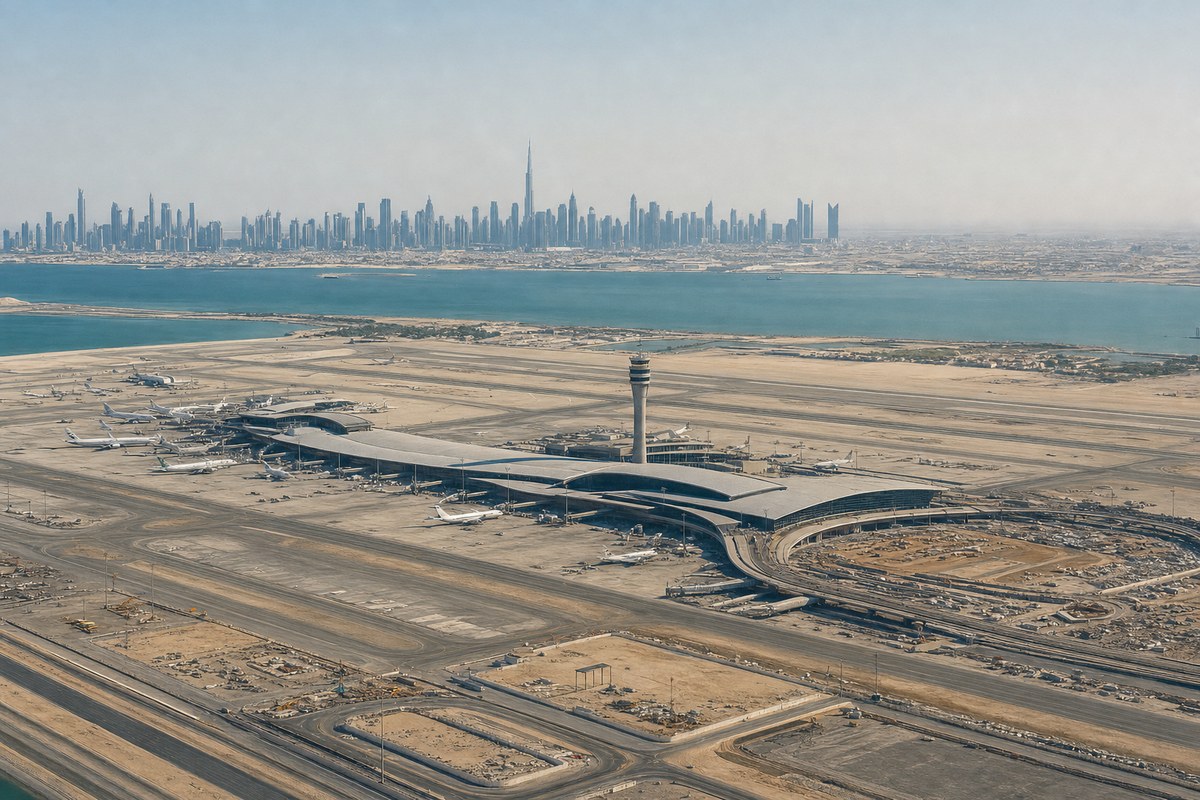
The region's location puts it within a four-hour flight of one-third of the world's population. That same positioning leaves the Gulf well within range of missile attacks from Iran and its militia allies from around the region.
Industry impact & what to watch
The hub strategy rests on one asset: geography. A airport that captures transfer traffic between Europe and Asia earns its value from sitting on the route, and the same coordinates that make the Gulf a natural connecting point also place it inside the reach of Iran and the militias aligned with it. The advantage and the exposure are one fact viewed from two sides, so neither can be separated from the other.
For a transfer-based model, the exposure matters because the product is reliability of connection. Hub economics depend on banks of arrivals and departures running to schedule, and on passengers and airlines being willing to route through a single point. Any change in how travellers, carriers, insurers or lessors price regional risk feeds directly into the cost and attractiveness of that routing, which is why security conditions act as an operating variable for the segment and not a background concern.
The practical thing to follow is how airlines, insurers and aircraft financiers treat Gulf operations as conditions evolve: changes in war-risk cover terms, route choices on Europe-Asia flows, and the posture of the airports themselves. Those signals will show whether the geographic bet continues to hold its value.