CASA Repeals 18 Australia-Only Structural Fatigue ADs for Ageing General Aviation Aircraft
Why It MattersAustralia's shift from national fatigue life limits to manufacturer and State of Design requirements moves ageing-aircraft airworthiness risk onto owners' own documented maintenance assessments, narrowing the gap between local and international practice.
What happened
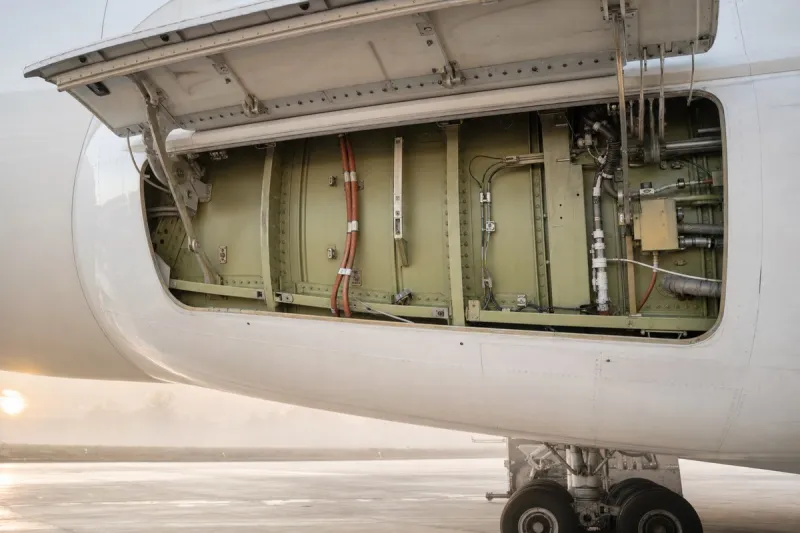
The Civil Aviation Safety Authority (CASA) has repealed 18 structural fatigue airworthiness directives (ADs) that were unique to Australia. They applied to a range of ageing general aviation aircraft under 5,700 kg, and the repeal simplifies continuing airworthiness requirements for those types.

The repealed ADs imposed fatigue life limits that applied only in Australia and were not reflected in manufacturer requirements or State of Design ADs. After a policy review and public consultation earlier this year, CASA concluded the requirements were no longer necessary, saying ageing aircraft risks can be managed effectively through existing continuing airworthiness obligations.
The types covered by the review include the Beechcraft 55/61 and 90; Cessna 310, 320, 340 and 400 series; de Havilland DHC-2; Fuji FA-200 and FU-24; and Piper PA-23, PA-28, PA-31, PA-34 and PA-36.
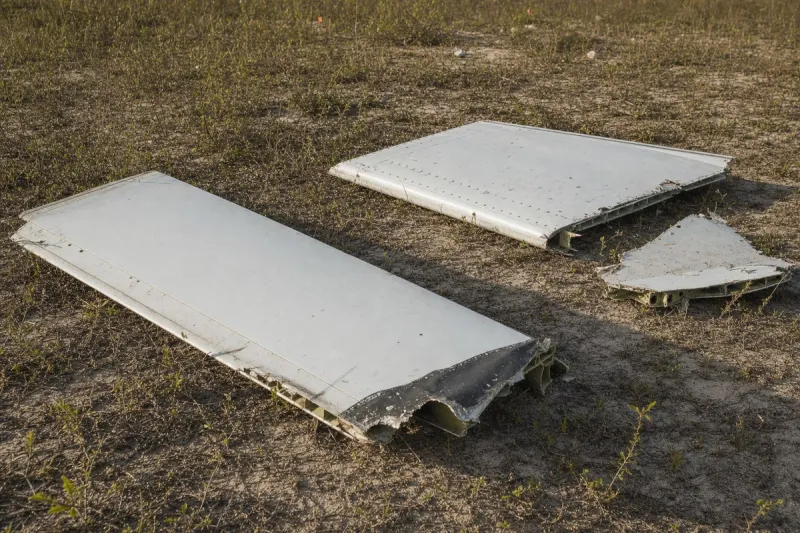
The review identified one type needing further action. CASA has issued a new AD for Cessna 400-series aircraft covering wing lower spar cap inspection and modification, aligning Australian requirements with those of the FAA. It recognises previously approved spar strap modifications and exempts aircraft that have already complied with the applicable Supplemental Inspection Documents (SIDs). CASA expects most operators already meet the requirements, with only limited inspection or verification work likely.
The repeal is backed by a new CASA continuing airworthiness management direction for ageing aircraft used in air transport operations. CASA states the direction does not create a new safety standard but clarifies how existing obligations apply, particularly for air transport operators not working under CASR Part 42.
What owners still have to do
The repeal does not remove owners' responsibilities. CASA says operators of affected aircraft should read its new continuing airworthiness guidance and review the manufacturer's instructions for continued airworthiness (ICAs), State of Design ADs, and structural inspection requirements and life limits.
They should then update maintenance programs where needed and document their assessments and decisions on service information. For some types, this will mean reviewing manufacturer structural inspection programs such as Cessna's Supplemental Inspection Documents (SIDs).
Industry impact & what to watch
The change reflects a regulator choosing to align with the aircraft's State of Design and the manufacturer rather than maintain a layer of national life limits. For older piston and turboprop types, the working reference for structural life now becomes the manufacturer's inspection programs and the foreign ADs, which makes the quality of an operator's own records and assessments the main safeguard.
For maintenance organisations and owners, the practical effect is a shift in workload: less compliance against Australia-specific limits, more documented review of manufacturer programs. Aircraft that sat under local fatigue limits can now be maintained to the same structural baseline as the same types flown elsewhere, which matters for resale and for import or export of these aircraft.
The pending point is how the new air transport direction and the Cessna 400-series AD play out in practice. CASA expects only limited inspection or verification work for most 400-series operators, so the first compliance records on spar caps and spar straps will show whether that expectation holds.