GAO: FAA Lacks Real-Time Tools to Detect GPS Spoofing and Jamming Threatening Air Travel Communications
Why It MattersGPS interference now counts as a standing operational risk in the air traffic system, and the gap between known threat hotspots and live detection shows how far monitoring capability trails the exposure.
What happened
The U.S. Government Accountability Office (GAO) has found that the Federal Aviation Administration (FAA) needs to do more to prevent cyberattacks on aviation communications systems. The findings come from a new report, summarized in a GAO WatchBlog post dated November 5, 2026. More than 44,000 passenger flights take off or land in U.S. airspace each day, coordinated through interconnected communications systems in flight and on the ground. Past attacks on these systems, including signal spoofing and jamming, have delayed flights and put safety at airports at risk.
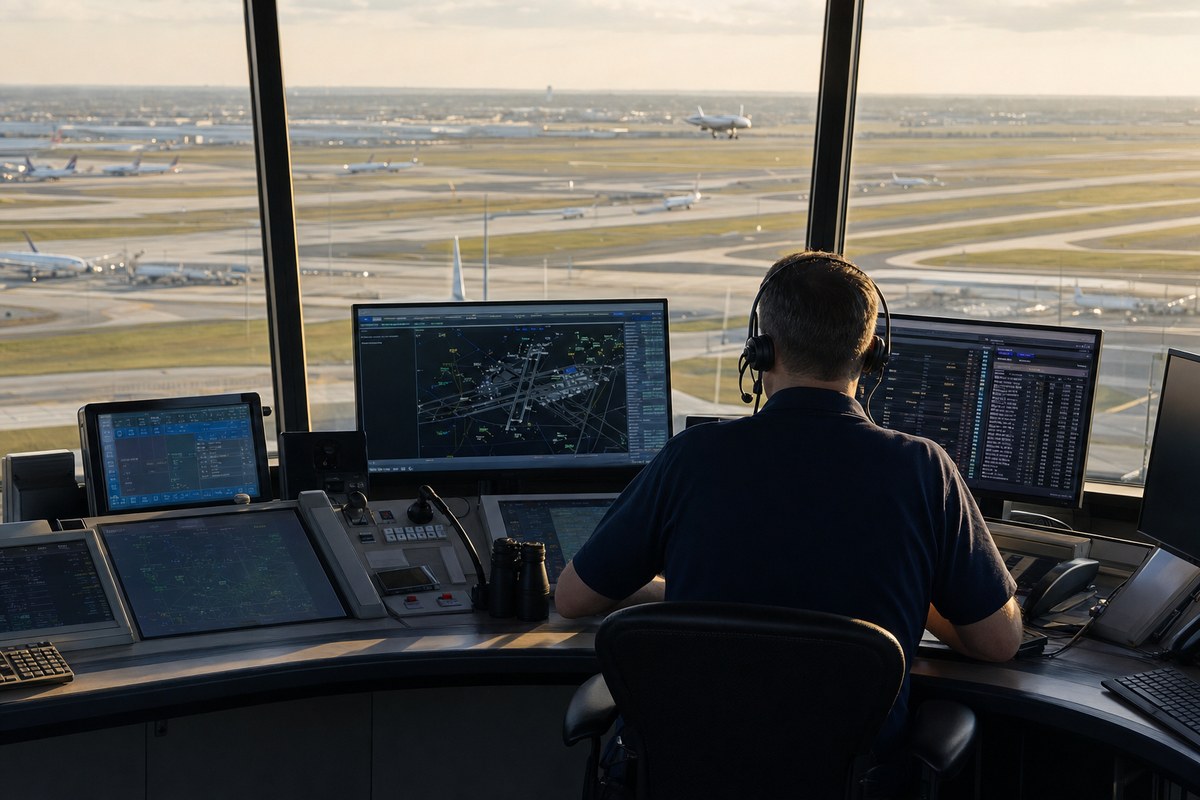
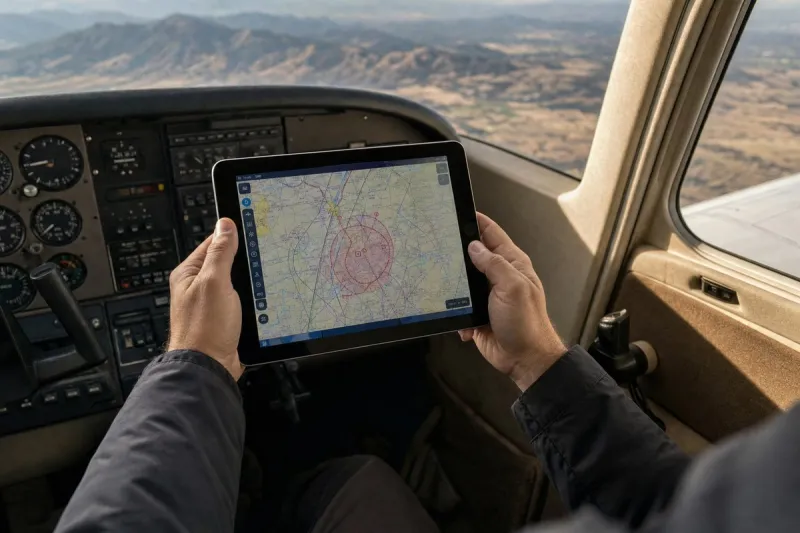
The FAA has identified three key threats to air travel communications systems, which rely on radio frequency signals: spectrum interference, spoofing and jamming. All three involve efforts to disrupt airport GPS transmissions. Interference can be unintentional. In 2012, a truck driver passing near Newark Airport accidentally disrupted the airport's GPS transmission used to track departures. In 2022, spoofing caused GPS and Global Navigation Satellite System (GNSS) interference around Dallas airport, confusing air traffic controllers and leading to more than 230 flight-departure delays.
The FAA is responsible for aviation security and works with other federal agencies, airlines and industry partners. Through those collaborations it has identified global hotspots where attacks are increasing, including the Middle East, Eastern Europe, Southeast Asia and the Baltic region.
GAO found that the FAA lacks real-time monitoring and detection capabilities. Tools for continuous, 24/7 monitoring exist, but FAA officials said they do not have them or the specialized tools needed to detect interference or spoofing as it occurs, citing budget constraints as a key challenge.
GAO made nine recommendations to strengthen the FAA's ability to monitor, detect and prevent attacks on aviation communication systems. It recommends the FAA start with a comprehensive assessment of the threats and what is needed to address them, and improve collaboration with federal and other aviation stakeholders.
Industry impact & what to watch
The Dallas episode shows how GPS interference reaches operations: a single spoofing event confused controllers and produced more than 230 departure delays without any aircraft being lost. For business aviation, which leans on GPS-based navigation and flexible access to many airports, interference of this kind is a schedule and dispatch problem before it is anything else. The FAA's own identification of hotspots in the Middle East, Eastern Europe, Southeast Asia and the Baltic region means the exposure is already mapped, while the ability to see an event as it unfolds is not.
The gap GAO describes is one of detection rather than awareness. Continuous monitoring tools exist, and FAA officials cited budget constraints as the obstacle to acquiring them. Until detection happens as events occur, the first signal of an interference problem tends to be an operational one, such as controller confusion or delays, rather than a system alert.
The sequence GAO lays out gives the next milestone: a comprehensive assessment of the threats and of what is needed to address them, followed by closer collaboration with federal and other aviation stakeholders. Which of the nine recommendations the FAA moves on first, and whether funding follows, will show how quickly real-time detection can be put in place.