Aviation Expert: Cockpit Voice Recorder Could Aid Probe of South Florida Learjet 60 Crash if Recovered
Why It MattersLight corporate jets carry recorders of uneven completeness, so investigations of high-energy impacts can hinge on whether any recorder survives, which puts weight on wreckage recovery and on other evidence sources.
What happened
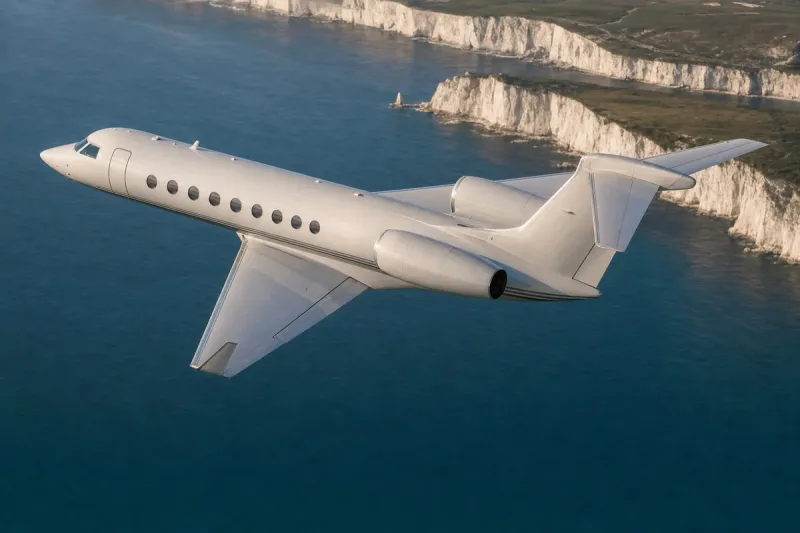
Aviation safety expert Anthony Brickhouse, who has nearly 30 years of experience, told PEOPLE that the cockpit voice recorder (CVR) of the Learjet 60 that crashed in South Florida on Sunday would be an important piece of wreckage to recover, because the device records until it loses power.
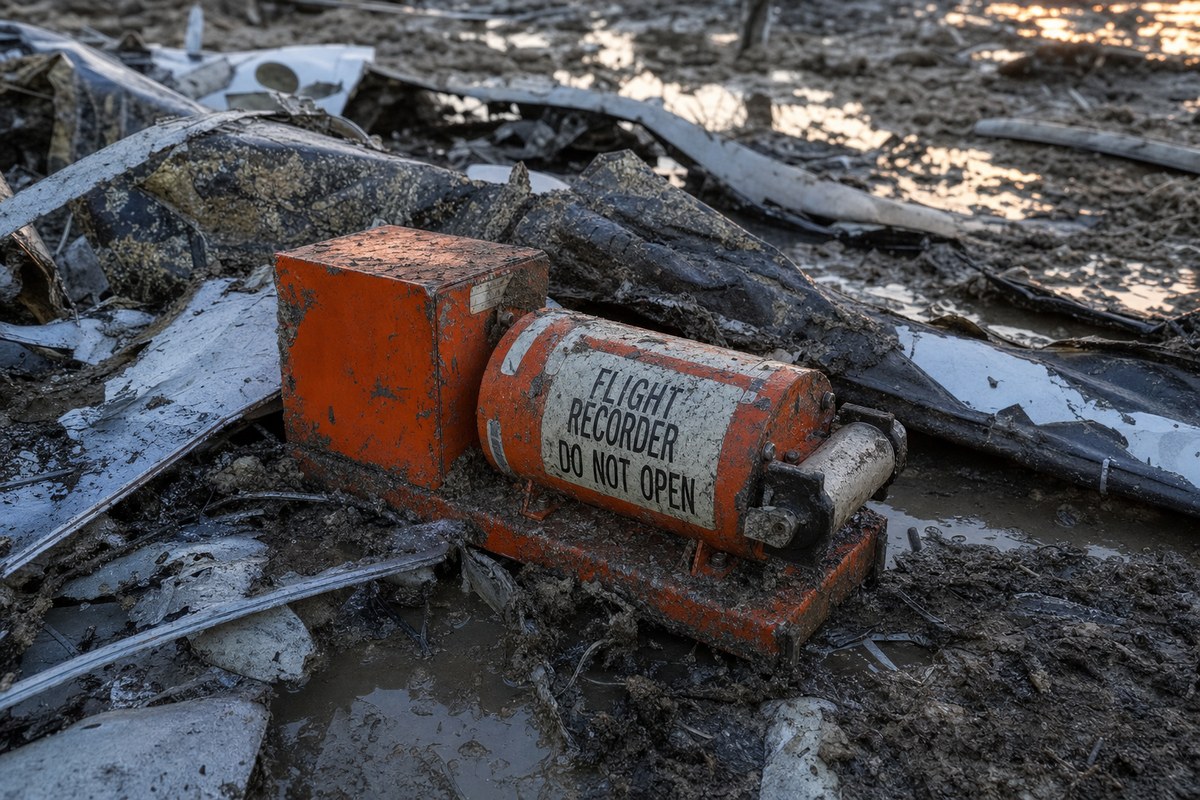
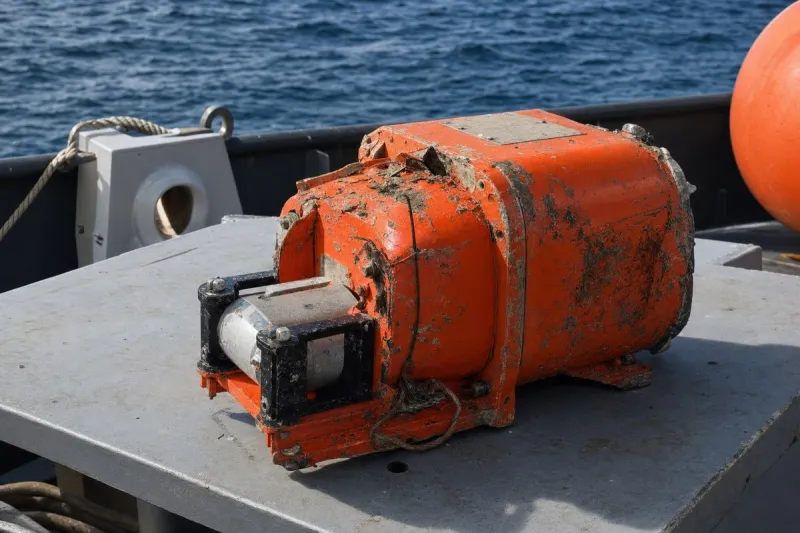
At a press conference on Nov. 2, National Transportation Safety Board (NTSB) member Tom Chapman confirmed that a cockpit voice recorder had been installed on the jet at one point, but officials were unsure whether it was still on board at the time of the crash. Chapman said investigators are hopeful of recovering the black box but are confident the NTSB can investigate without it if necessary.
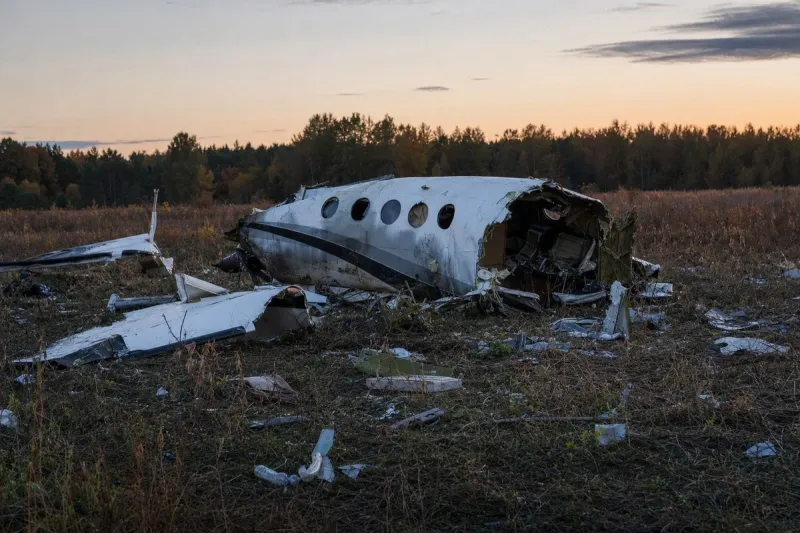
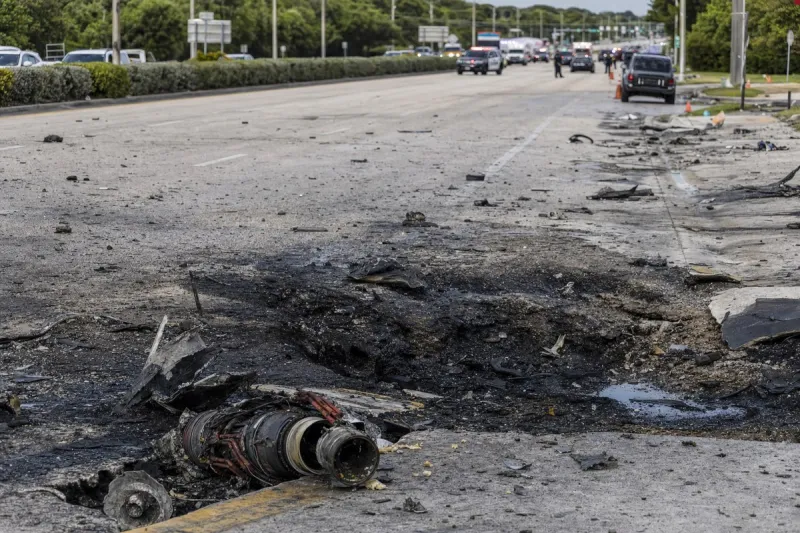
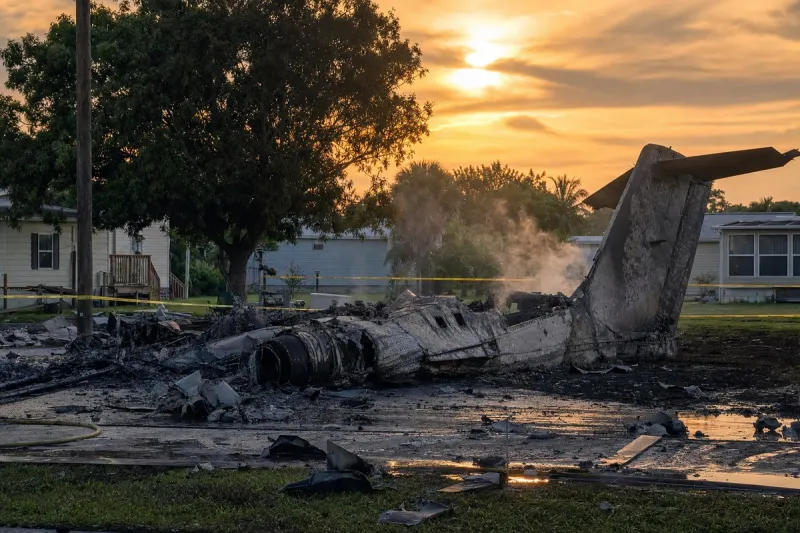
Brickhouse said a recovered CVR could give investigators more cockpit sound up to the moment of impact than the air traffic control recording, which captured the co-pilot's mayday call but only records when the microphone is keyed. He noted that black boxes are designed to be very robust but are not guaranteed to survive. If the recorder was aboard and is found, it could be too damaged to yield useful information. He previously described the crash as a high-angle, high-velocity impact, a 'smoking hole'-type accident.
NTSB investigator in charge Timothy Monville said the investigation is in its early stages with 'a lot of work to do' and that documentation has just begun. He said the biggest obstacle will be recovering the major wreckage from the impact crater on the roadway, which the NTSB says will take several days.
What the recorders capture
According to the NTSB, the Federal Aviation Administration (FAA) requires two black boxes on large commercial aircraft and some smaller planes such as corporate or private jets.
The cockpit voice recorder records radio transmissions and cockpit sounds such as pilots' voices and engine noises. The flight data recorder monitors parameters such as altitude, airspeed and heading. Both are installed in the most crash-survivable part of the aircraft, typically the tail section.
Industry impact & what to watch
The case shows how much an early investigation of a corporate-jet accident can depend on recorder status. The FAA requirement covers some smaller planes rather than all of them, so a business jet may carry one recorder, both, or a unit whose installation history is unclear. Air traffic control audio fills part of the gap, but it captures only transmissions made with the microphone keyed.
For a high-angle, high-velocity impact, survivability of the recorder is itself uncertain, and the investigators' stated confidence that they can proceed without it points to wreckage examination and other records carrying the load when audio is unavailable.
The next milestone is the multi-day recovery of the major wreckage from the impact crater on the roadway. That work will settle whether a recorder is found at all, and the NTSB's statements on its condition would be the first indication of what the investigation can draw on.