Char Dham Helicopter Operators Suspend Charter Services Until Nov 16 Over DGCA Two-Pilot Mandate
Why It MattersThe standoff shows how a post-accident crewing rule can collide with thin charter margins in terrain-limited pilgrimage markets, turning a safety mandate into a test of who bears the added cost.
What happened
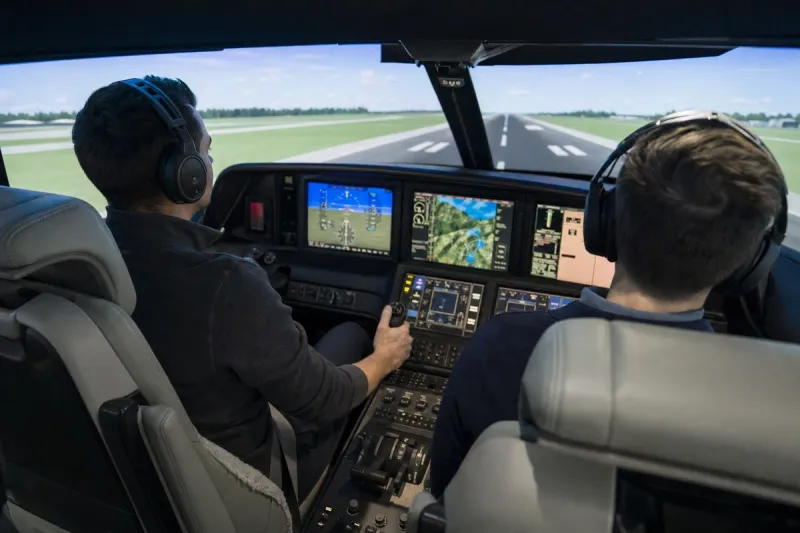
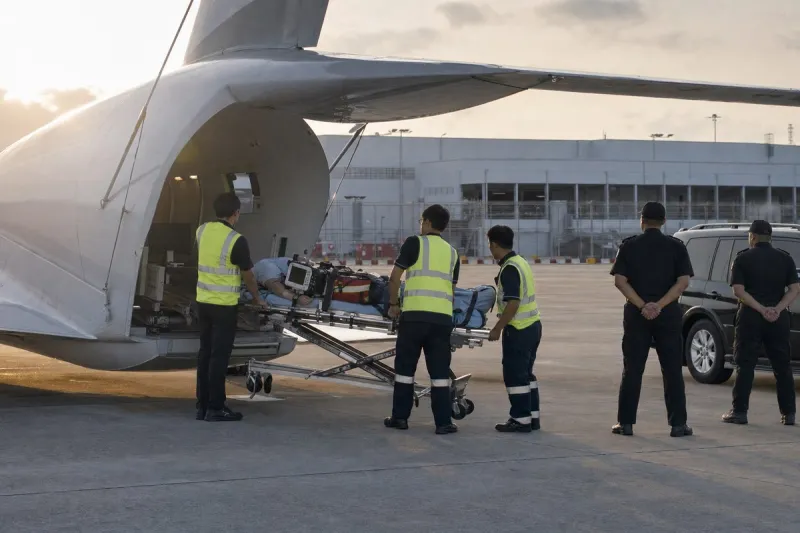
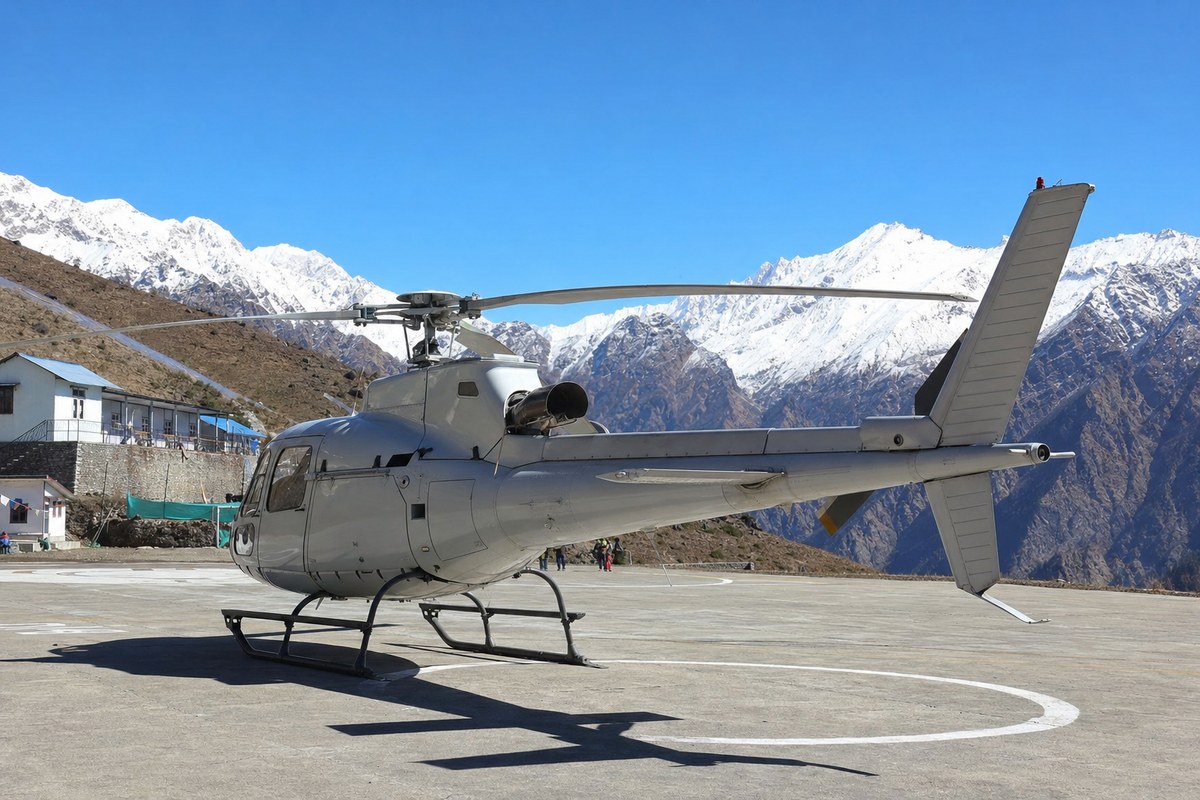
Helicopter operators serving Uttarakhand's Char Dham routes have suspended charter services until November 16, 2026, in opposition to a directive from India's Directorate General of Civil Aviation (DGCA) requiring two pilots on every sortie. The operators say the requirement is financially unviable under the existing commercial structure and have called for a review in consultation with industry stakeholders.
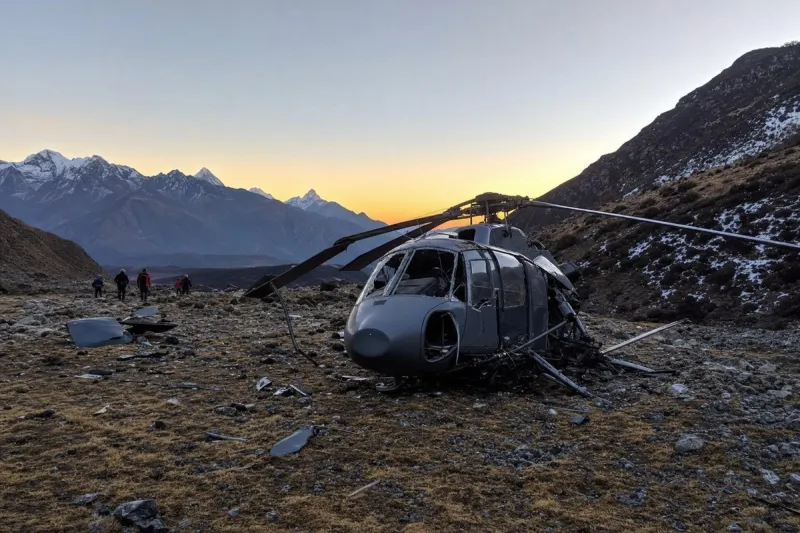
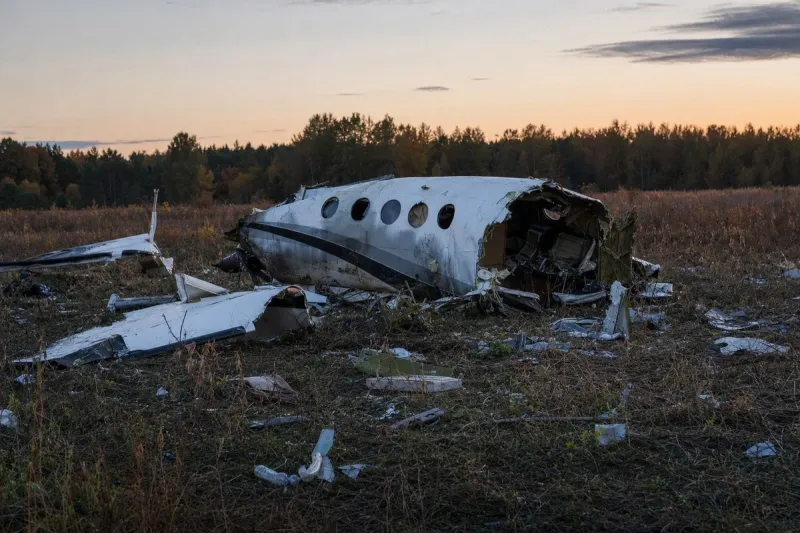
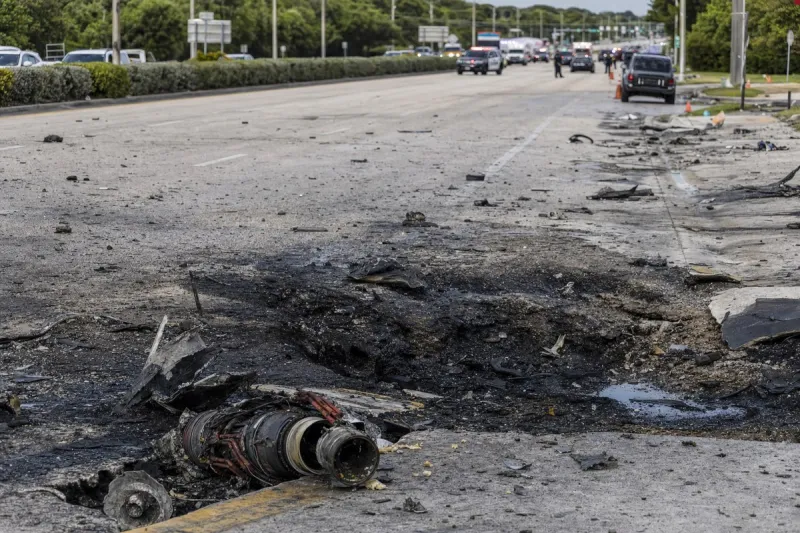
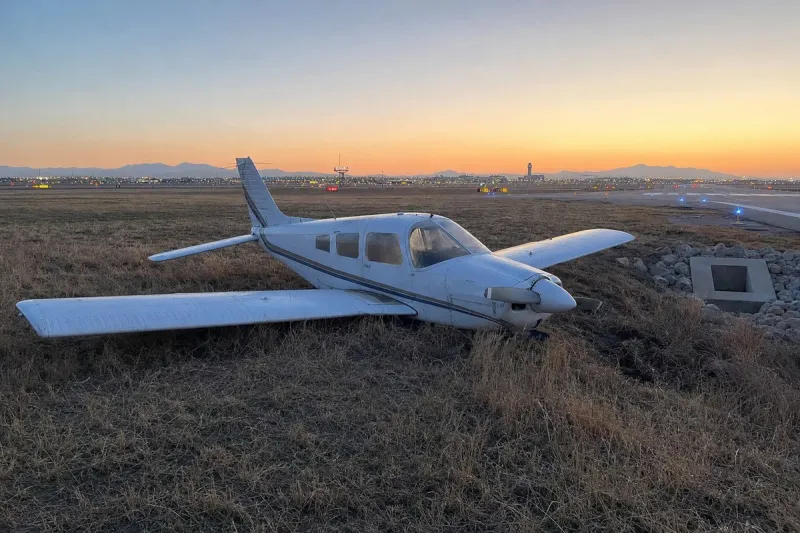
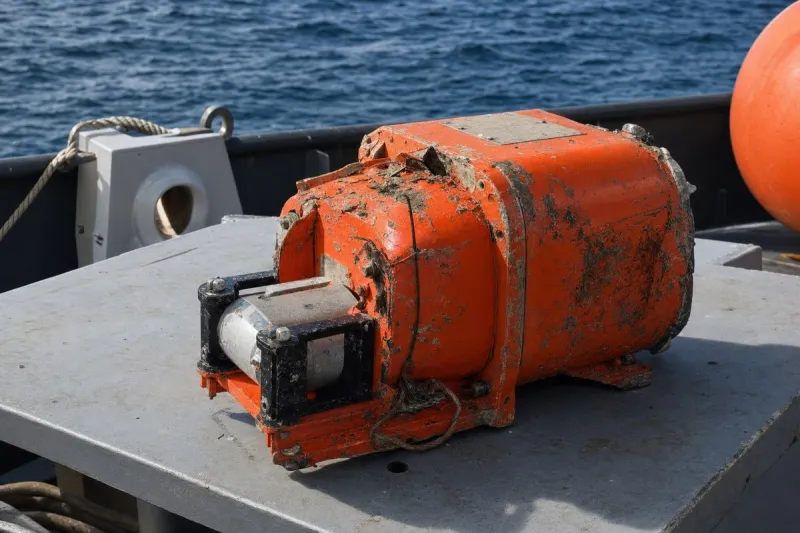
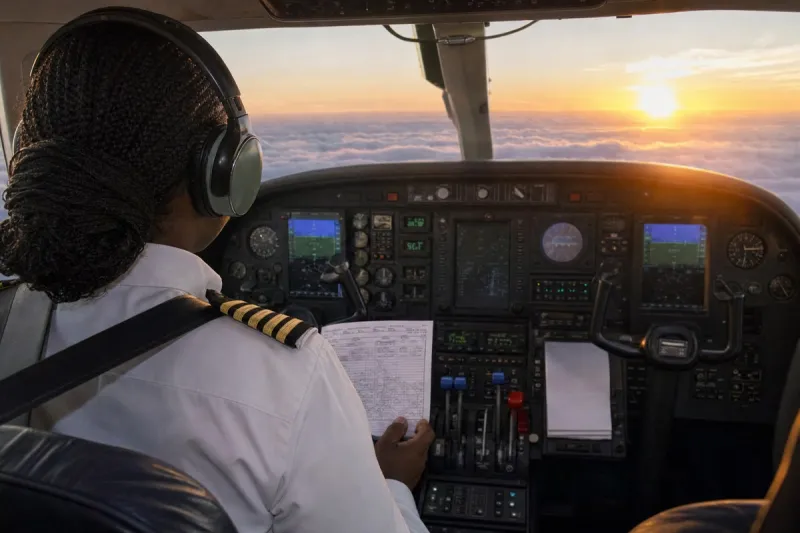
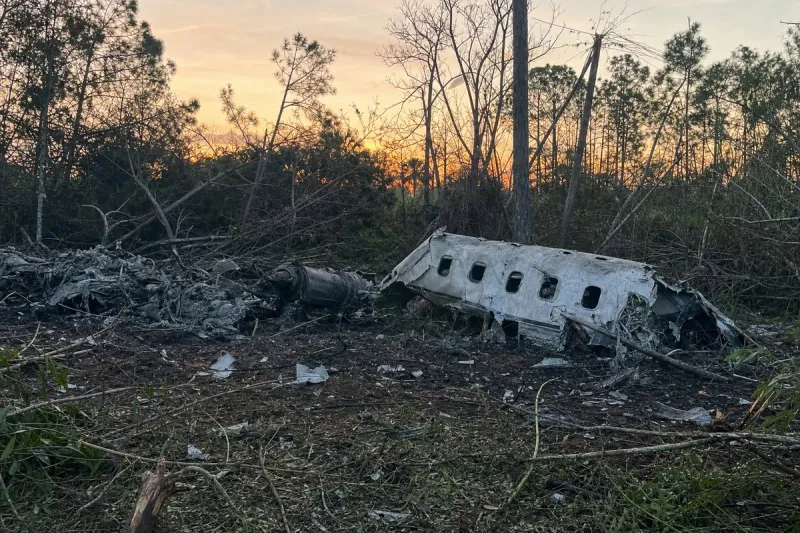
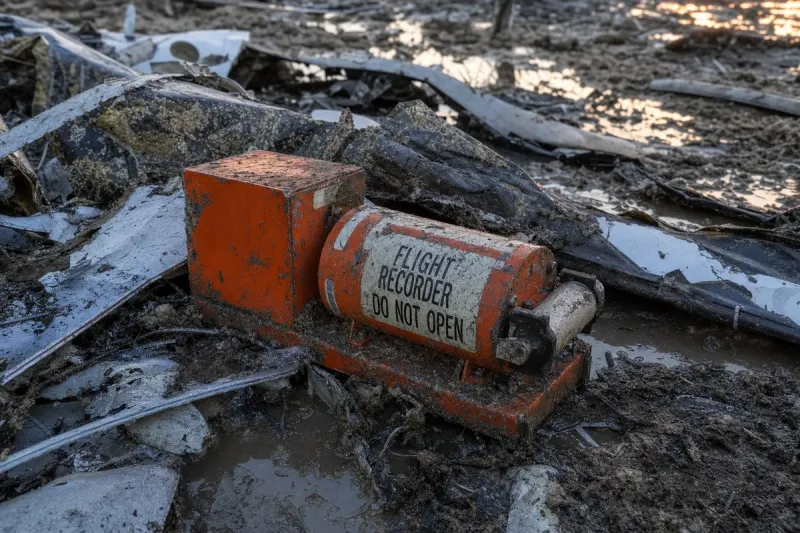
The DGCA introduced the twin-pilot requirement after a helicopter crash near Badrinath on October 30 that killed six people, the pilot and five passengers. The regulator directed operators on the Char Dham routes to deploy two pilots per flight from November 2 as part of efforts to strengthen aviation safety.
In a collective representation submitted to DGCA chief Vir Vikram Yadav on October 31, the operators said two pilots on every charter sortie would raise operating costs, crew requirements, accommodation expenses, logistical arrangements and overall operational commitments. They argued the added expenditure cannot be absorbed within prevailing charter rates and limited operating margins, and that passing the full cost increase on to passengers would not be commercially feasible.
The operators acknowledged the regulator's responsibility for flight safety but said any additional measures should be practical, proportionate and commercially sustainable, and developed in consultation with operating stakeholders. They maintained that they have consistently complied with applicable DGCA regulations and invested in safe, reliable helicopter services in challenging Himalayan terrain. They said suspension until a review was their only commercially viable option.
The operators have urged the DGCA and the Uttarakhand Civil Aviation Development Authority (UCADA) to reconsider the mandate, hold urgent consultations and explore an alternative framework that meets safety requirements while keeping helicopter operations commercially sustainable. The suspension is expected to remain in place pending discussions and a resolution with the authorities.
Industry impact & what to watch
Crewing rules imposed after an accident tend to land hardest on operations built around single-pilot economics. A second pilot adds salary, accommodation and scheduling load to every rotation, and in a seasonal pilgrimage market where charter rates are tied to short, repeated sectors, that cost has to be absorbed by the operator, the passenger or the regulator's willingness to compromise. The operators' stated position is that the first of those is not possible and the second is not commercially feasible.
The dispute also shows the tension in how safety measures are introduced in high-altitude, terrain-constrained flying. The regulator's authority over flight safety is not contested by the operators; what they contest is proportionality and the absence of consultation. A framework that satisfies both sides would most likely have to specify which flights, aircraft or conditions trigger the two-pilot requirement, rather than applying it uniformly to every sortie.
The next milestone is November 16, the date to which the suspension runs. Whether services resume then depends on whether the DGCA and UCADA open the consultations the operators have requested, and on any revised framework either body publishes.