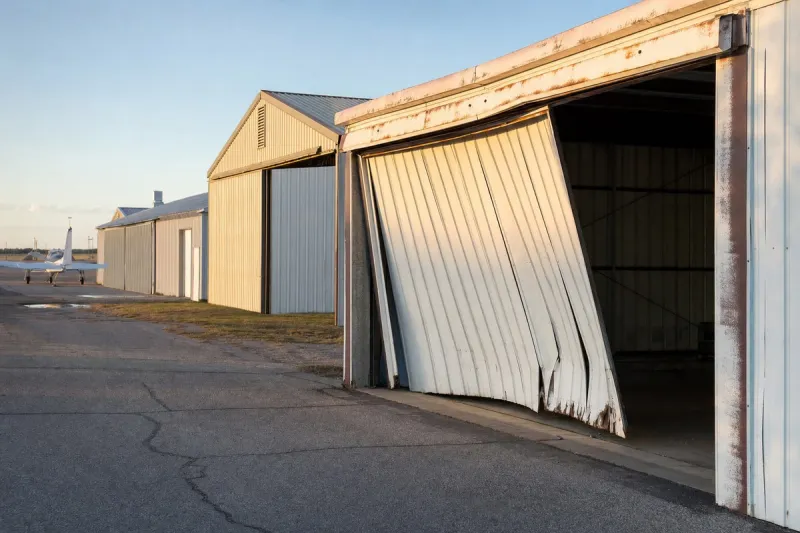
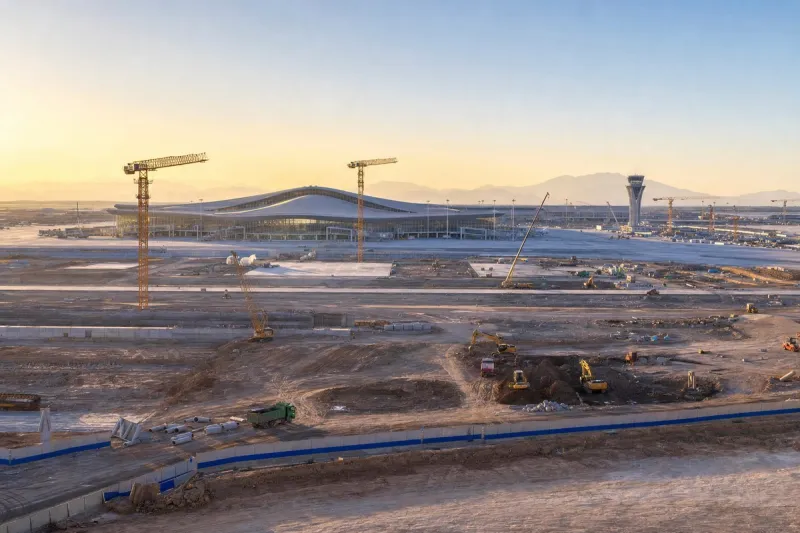
Beeville Transfers Municipal Airport to Bee Development Authority, Unifying Two Airfields Under One Regional System
Why It MattersFolding a small general aviation field and an industrial airfield under one authority shows how rural communities consolidate overhead and pool assets to compete for federal and state aviation grant funding.
What happened
The City of Beeville has formally transferred ownership of the 160-acre Beeville Municipal Airport to the Bee Development Authority (BDA), uniting the community's two airfields into a single regional system. The conveyance was finalized after City Council approval on Oct. 1. It places Beeville Municipal Airport and Chase Field Industrial Airport under unified BDA management at nominal or no cost.
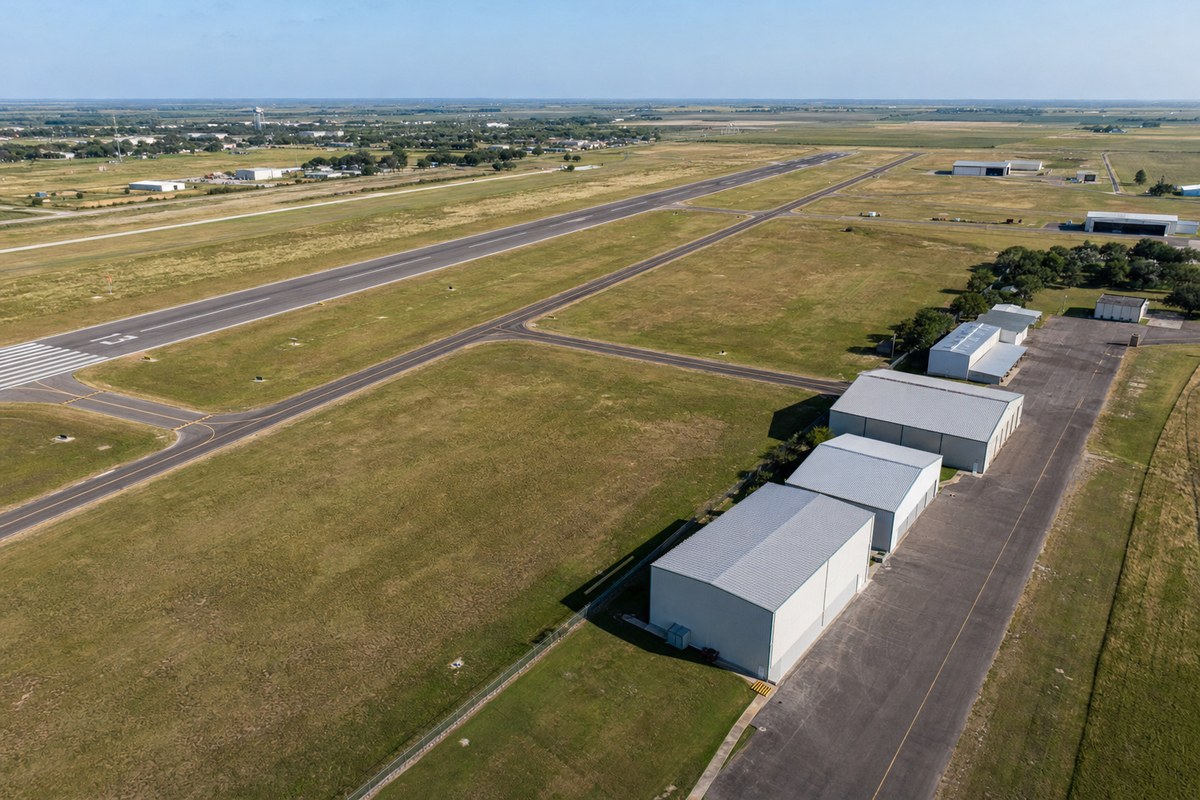
Under the regional structure, the municipal airfield will continue to serve general aviation, corporate travel, private pilots and flight training. Chase Field will remain targeted at large-scale operations such as aerospace manufacturing, defense logistics, cargo distribution and aircraft maintenance.
The arrangement is intended to eliminate duplicate municipal costs, streamline regulatory compliance and position Bee County more competitively for Federal Aviation Administration and Texas Department of Transportation aviation grants. It also aims to expand the local industrial tax base and build career pipelines for area students.
Vasquez said the BDA is in talks with BISD and CBC on programs that could be developed if entities in aerospace manufacturing, defense logistics, MRO operations or large-scale cargo distribution locate in the area, with the hope of creating pathways for students to hold well-paying jobs in Beeville and Bee County. Vasquez added that long-term commercial and industrial growth would strengthen the local tax base and support the financial stability of the school district.
The BDA also sought to dispel local speculation that the transfer was arranged for a secret buyer or tenant. Authority officials said the consolidation is a broader administrative alignment and not a transaction tied to an individual private developer. Current hangar leases, flight operations and state grant commitments will continue uninterrupted.
Industry impact & what to watch
Small municipal airfields rarely carry the staff, compliance capacity or grant-writing weight to compete on their own for federal and state aviation funding. Placing two fields with different roles under a single authority is a common way for smaller communities to pool that capacity. Here, one field keeps serving general aviation and flight training while the other is positioned for industrial and cargo users, so the combined system can present a broader case to grant programs than either field could alone.
For general aviation tenants, the practical question is continuity, and the authority says hangar leases and flight operations will carry on uninterrupted. Industrial recruitment is a longer game: the school-district talks on training programs are tied to aerospace, defense logistics, MRO or cargo employers actually locating in the area, so the workforce side depends on those tenants arriving.
The next milestone is the first grant applications filed under the unified structure, and any announced tenant at Chase Field, which would show whether the consolidation produces the investment it is meant to attract.