Philadelphia International Airport Becomes First to Deploy CBP's Updated Global Entry Arrival Processing
Why It MattersMoving trusted-traveler clearance from user-operated kiosks to camera-based biometric matching shows identity verification shifting from traveler self-declaration to automated checks, a change that will reshape how high-volume airports plan international arrivals flow.
What happened
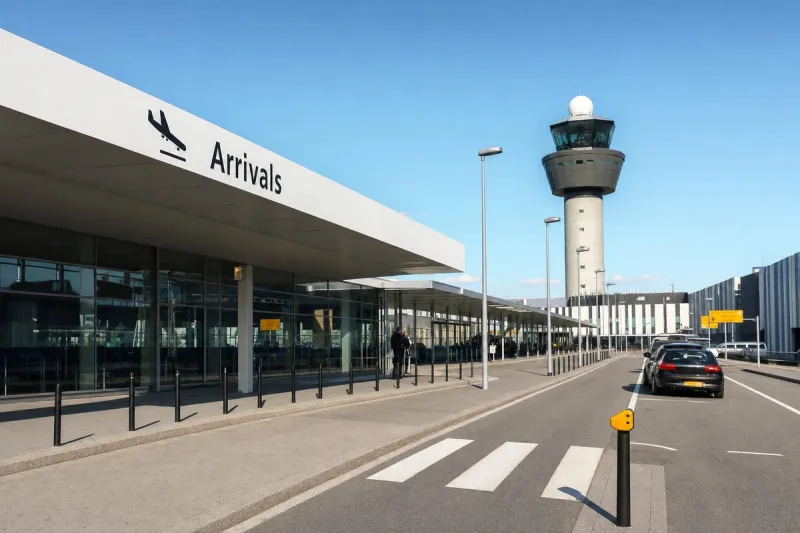
U.S. Customs and Border Protection (CBP) has deployed its updated Global Entry arrival processing experience at Philadelphia International Airport, the first airport to implement the new process. PHL began using it on Oct. 13.
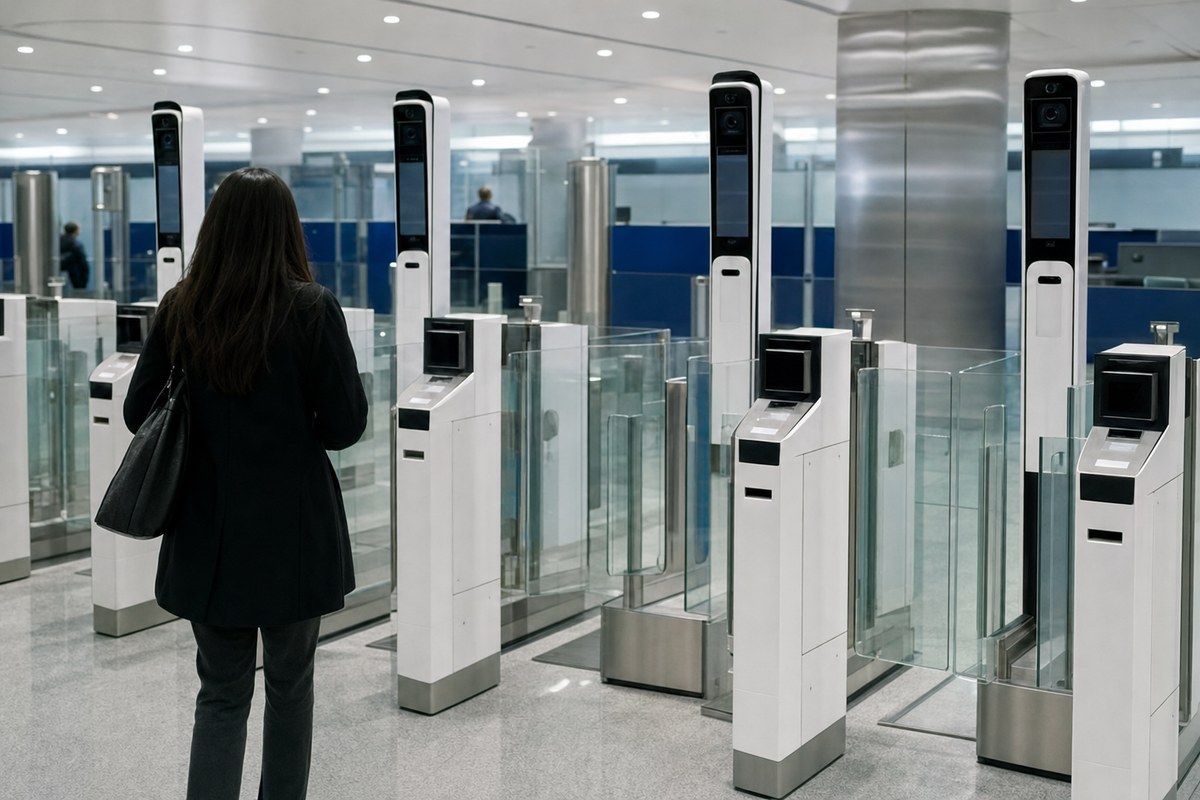
The process uses cameras with biometric facial comparison technology to verify Global Entry members' identities and membership status as they enter the Global Entry processing area. It replaces the previous user-operated kiosk process, in which members answered customs declaration questions on arrival. CBP says the update is designed to strengthen identity verification, streamline traveler flow, improve processing efficiency and support its enforcement and security mission.
Elliot N. Ortiz, CBP's area port director in Philadelphia, said the improved process reflects CBP's continued efforts to process travelers more efficiently, enhance the international arrivals experience and strengthen national security. Members may also continue to use the Trusted Traveler mobile application, at participating locations, to report their arrival in the United States and submit a customs declaration.
The program and the rollout
Global Entry is a CBP Trusted Traveler Program that provides expedited clearance for pre-approved, low-risk travelers arriving in the United States. All applicants undergo background checks and an in-person interview before enrollment. As of Oct. 1, 2026, the program had 15.6 million active members.
CBP expects to expand the new arrival processing experience to as many as 38 airport terminals at 30 high-volume airports, including some CBP Preclearance locations. The app also lets members manage their memberships, including applying, renewing, updating personal information and travel documents, and scheduling enrollment interviews.
Industry impact & what to watch
Replacing kiosks with cameras changes where the work of identity verification sits. At a kiosk the traveler supplies the answers and the system checks them; with facial comparison at the entrance to the processing area, the check happens as the member walks in. For a program with 15.6 million active members, that is a structural shift in how trusted-traveler clearance is delivered at the border.
For airports and the operators and passengers who rely on them, the practical consequence is on the arrivals side: processing area design, queue flow and staffing all follow from how quickly identity is confirmed. Philadelphia is the proving ground, and its results will shape the wider deployment CBP has outlined.
The next milestone is the expansion CBP has described: up to 38 terminals at 30 high-volume airports, including some Preclearance locations. Which airports follow Philadelphia, and in what order, will show how fast the kiosk model is retired.