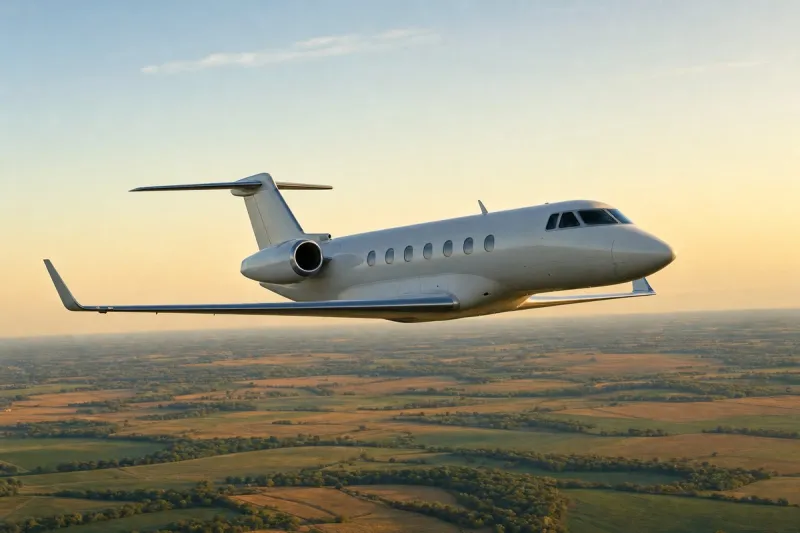
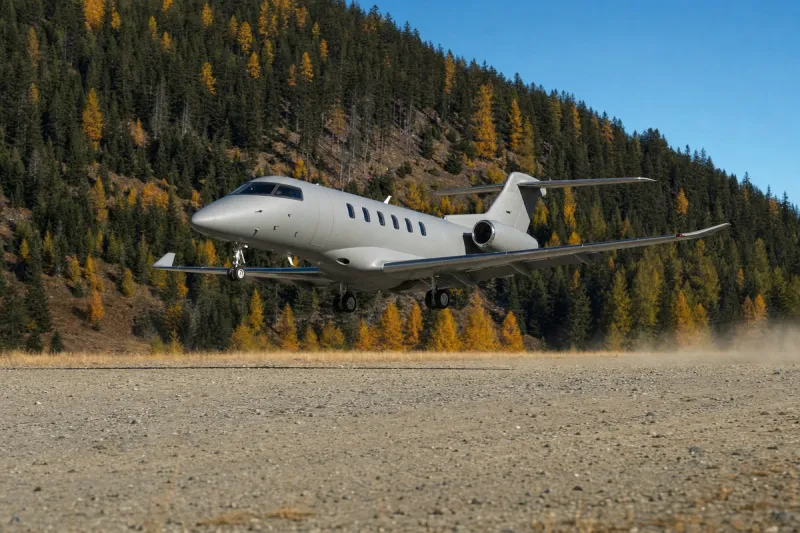
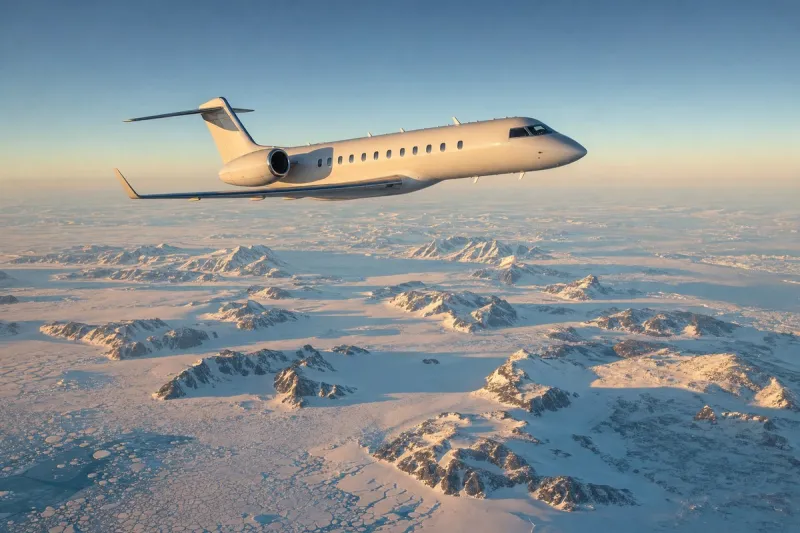
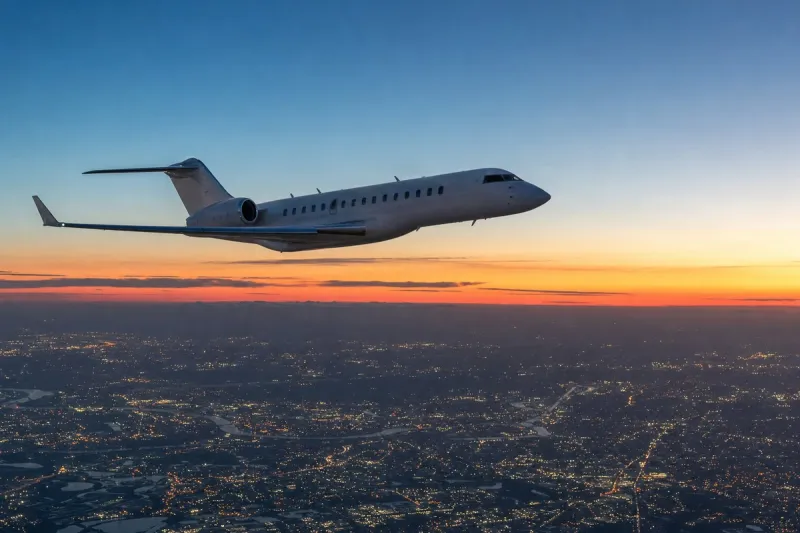
Full-Fuel Payload on a Citation Latitude Is Just 1,000 lb, So a Full Cabin Can Require a Fuel Stop
Why It MattersSeat count and headline range are poor proxies for what a jet can actually carry; payload-range loading shapes which aircraft fits a trip and where stops fall in a quote.
What happened
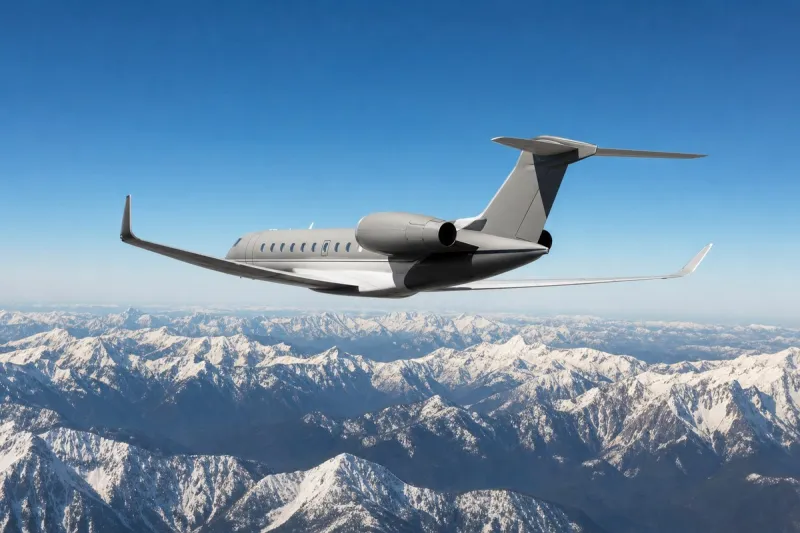
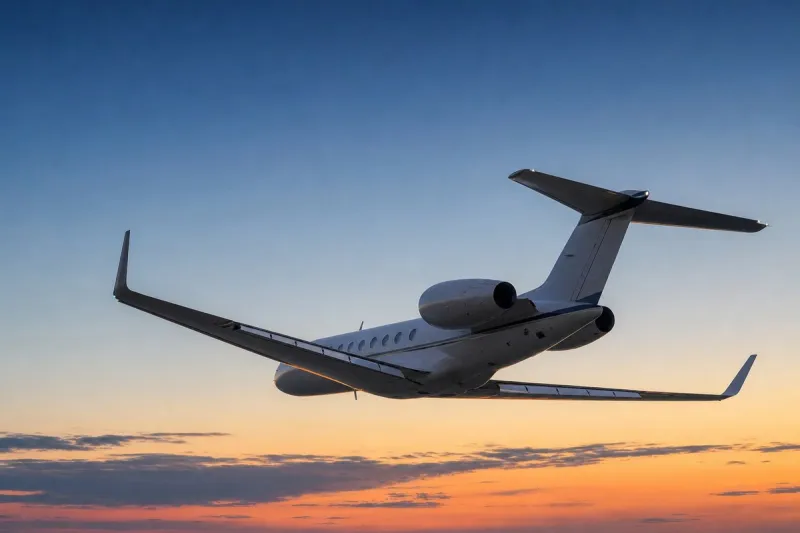
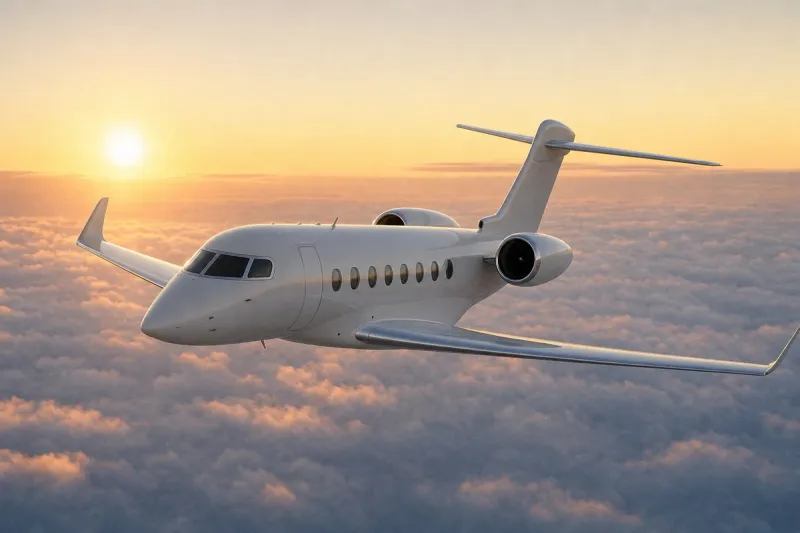
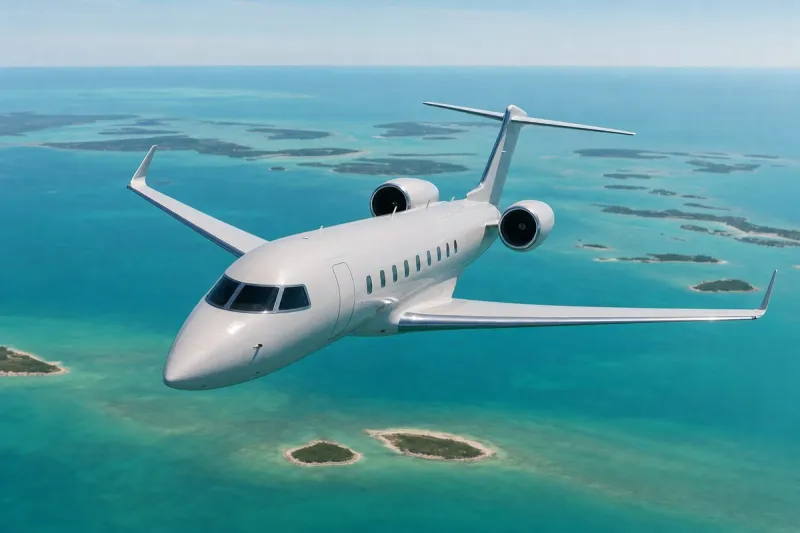
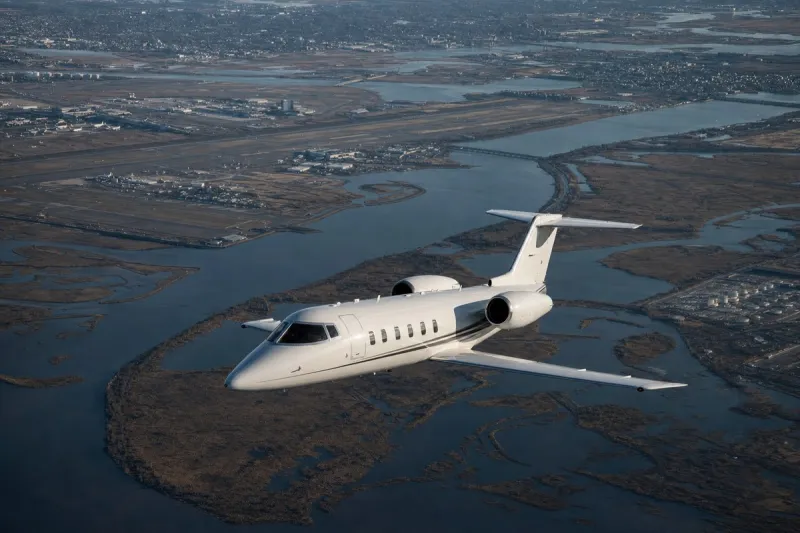
A business jet can have enough seats for a group yet lack the weight allowance to carry all passengers, baggage and maximum fuel at the same time. That is the argument of a BizJet Journal explainer published November 6, 2026. Seat count, it says, addresses accommodation only, while payload-range analysis ties the weight of travelers and belongings to the fuel a trip requires.
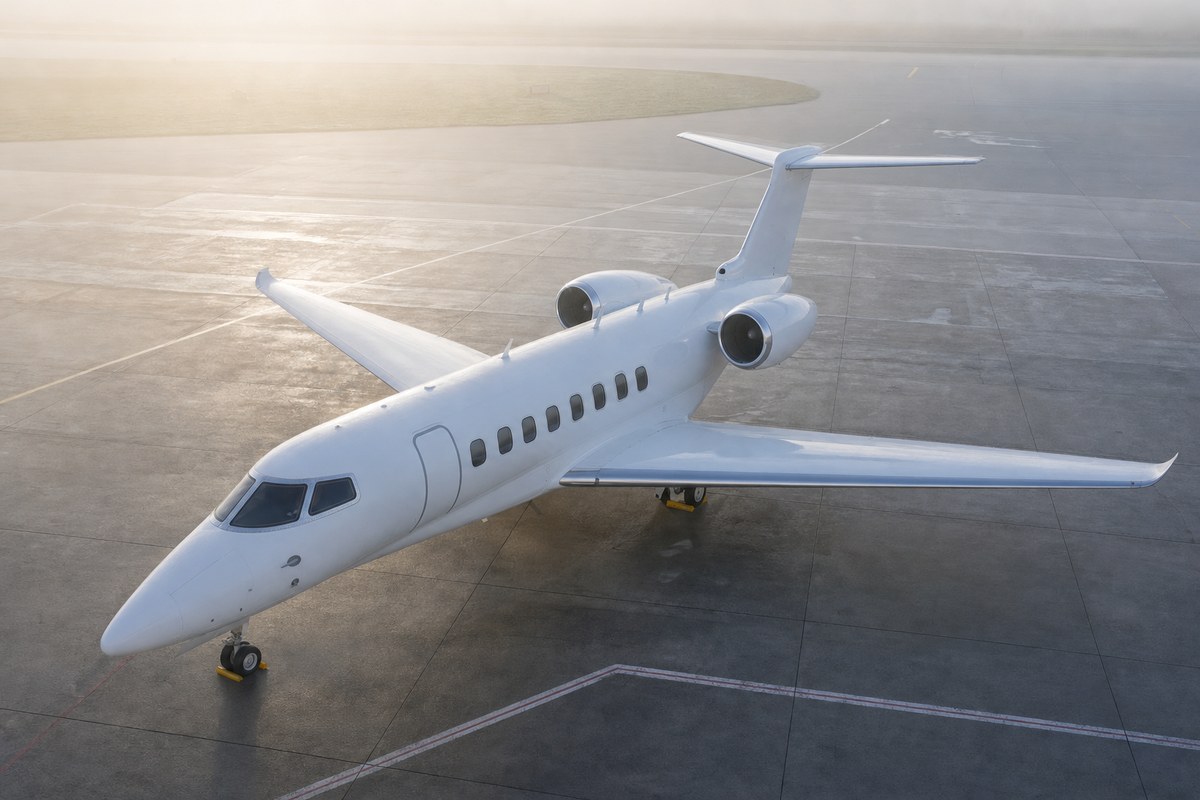
The article works from Textron's published Citation Latitude specifications: maximum ramp weight of 31,050 lb, basic operating weight of 18,656 lb, usable fuel weight of 11,394 lb, full-fuel payload of 1,000 lb and maximum payload of 2,774 lb. The ramp arithmetic runs 31,050 lb minus 18,656 lb, leaving 12,394 lb, and subtracting 11,394 lb of fuel leaves 1,000 lb. Maximum payload is a different loading case and cannot simply be added to maximum fuel. Ramp, takeoff and zero-fuel weight limits are related but not interchangeable, and weight distribution and aircraft records also matter.
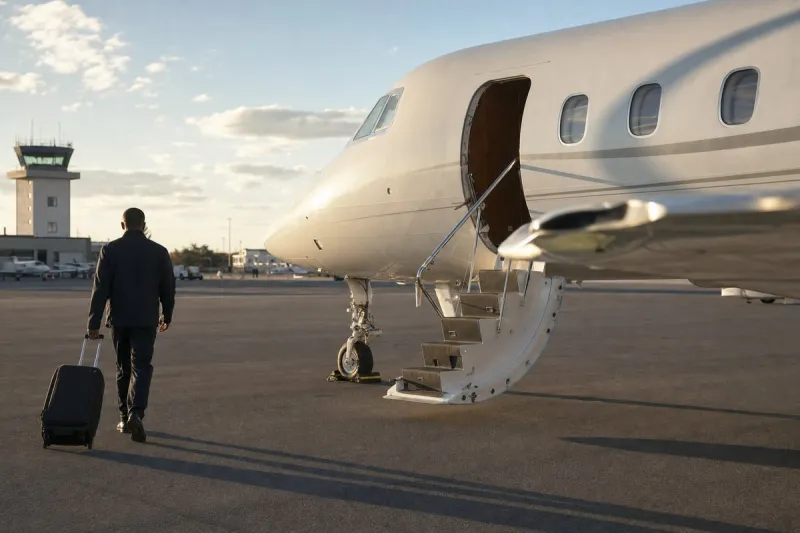
The explainer then applies a deliberately simple, illustrative assumption of 220 lb per traveler including baggage. Four travelers total 880 lb, six total 1,320 lb (320 lb above the 1,000-lb reference) and eight total 1,760 lb (760 lb above it). It states these figures are not an operational passenger-weight standard and do not determine the fuel reduction or range of a specific flight. Shorter missions may need less than full fuel, so exceeding the full-fuel-payload reference does not automatically mean a stop is required.
The Latitude's 2,700-nautical-mile range is labeled as a four-passenger mission at high-speed cruise, in standard conditions with zero wind and NBAA IFR reserves. Actual winds, routing, departure conditions and reserves affect what can be flown, and cutting fuel by a percentage does not cut range by the same percentage. For buyers, the article advises giving each provider the same brief (route, passengers, baggage, date, arrival time) and comparing a planned fuel stop against a different aircraft on total journey time and complete quote.
Industry impact & what to watch
The Latitude numbers illustrate a general feature of business aviation: the figure on the brochure and the figure that applies to a given flight are different things. Range is quoted for a defined mission profile, and cabin capacity is quoted in seats, but the binding constraint on a loaded trip is often weight. When weight limits bite, the usual lever is fuel, which is why a full cabin on a long leg can turn a nonstop into a stop.
For charter and fractional customers, this shifts where the real comparison sits. Two quotes for the same route can rest on different assumptions about passengers, baggage and fuel planning, so a single headline price or range figure is not like-for-like. A planned stop on a right-sized aircraft can compete with a nonstop on a larger one once total journey time and the complete quote are counted, and the explainer's advice to hand every provider an identical brief is what makes that comparison possible.
The same logic gives operators and brokers a reason to put the loading case up front. The aircraft's own records, weight distribution and the day's conditions determine what can actually be flown, so the useful question for any trip is which limit binds first, not how many seats the cabin has.