Boeing Field Tower Drainage Repairs Restrict Seattle Flights for About a Month
Why It MattersThe case shows how a failed building system at a single county-owned facility can throttle federally staffed air traffic control and, through shared airspace, spill onto a neighbouring major commercial airport.
What happened
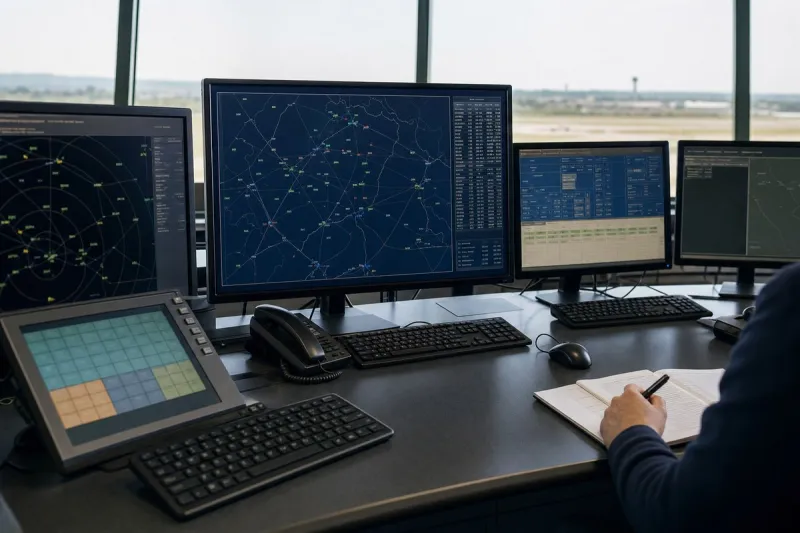
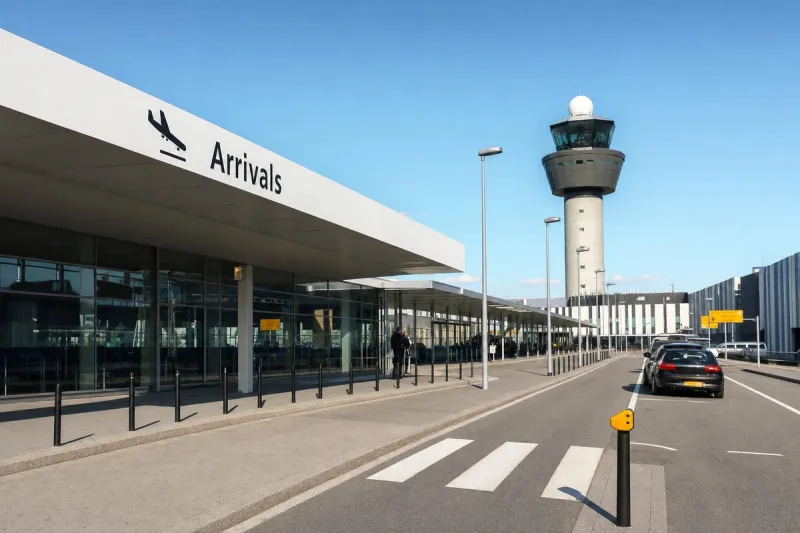
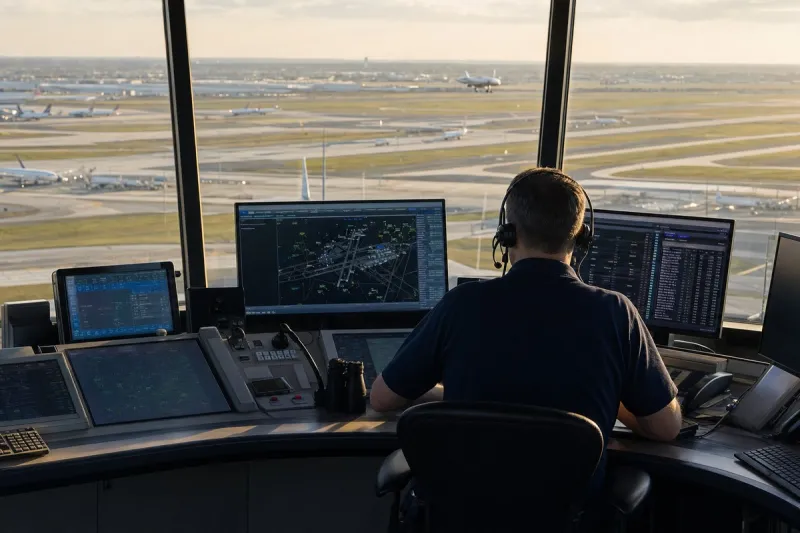
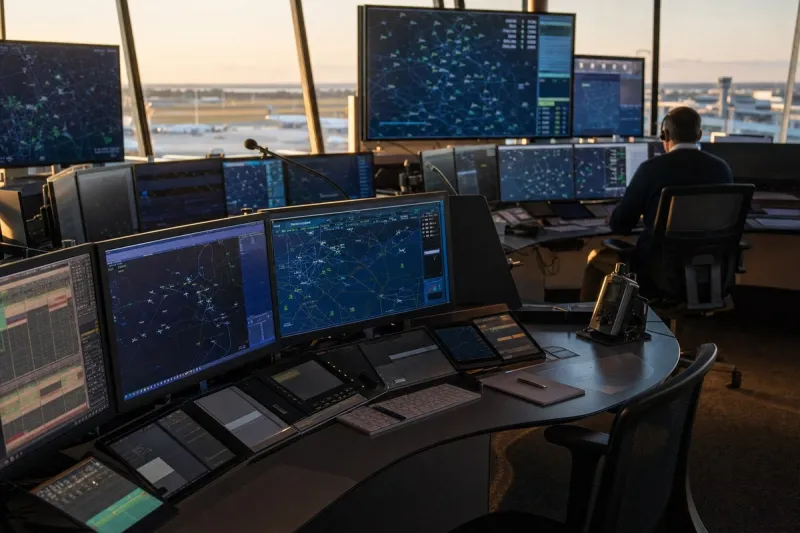
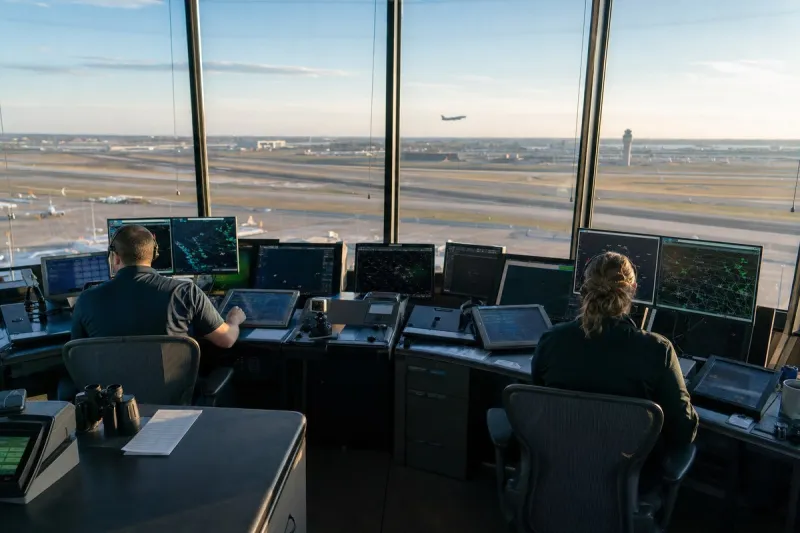
Aircraft operations at King County International Airport-Boeing Field are expected to be restricted for about a month while crews repair the air traffic control tower's stormwater drainage system. Air traffic controllers began working from a temporary tower on Wednesday, Nov. 4, according to King County. The temporary facility has limited capabilities, and the existing tower cab must be vacated during repairs.
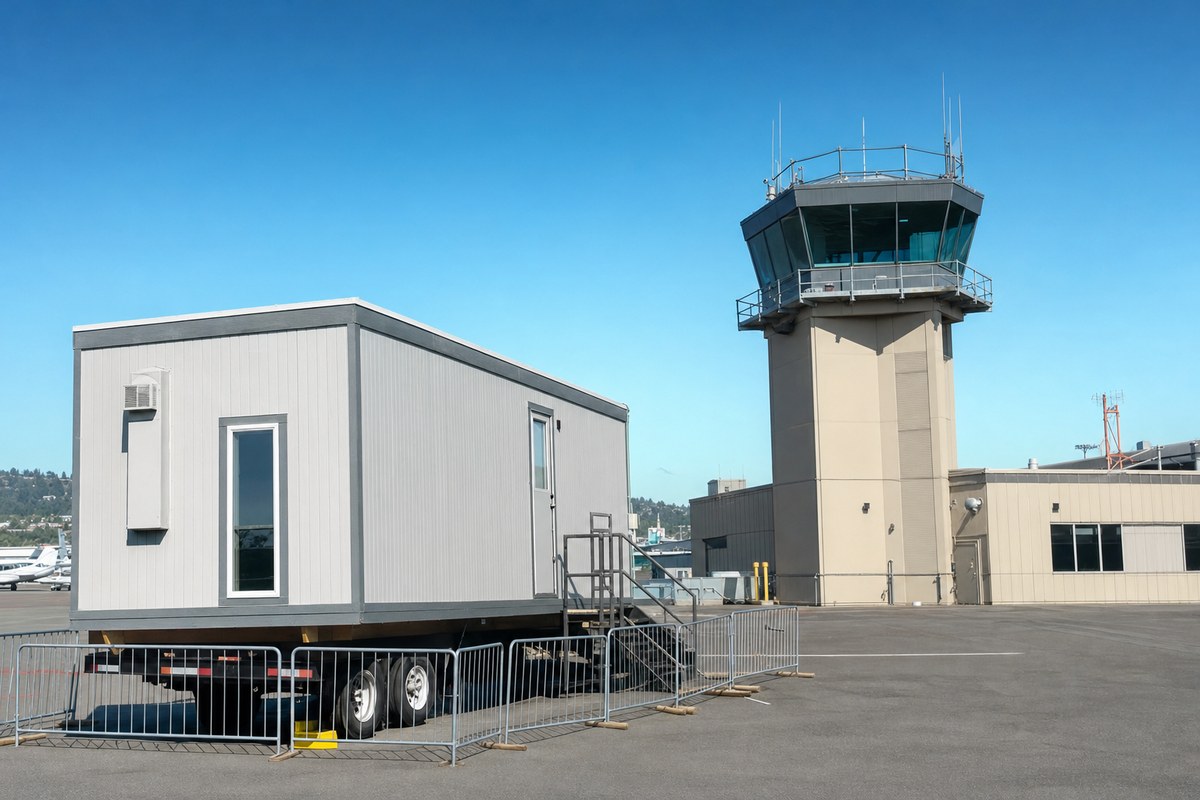
The problem began with a roof leak reported by controllers. The roof was patched, but water continued to enter the cab. Further investigation found that a section of the drainage system was blocked or damaged. Because the pipe runs through the cab and repairs require opening the roof, the cab must be emptied during construction. King County owns and maintains the tower, while FAA employees staff and operate it.
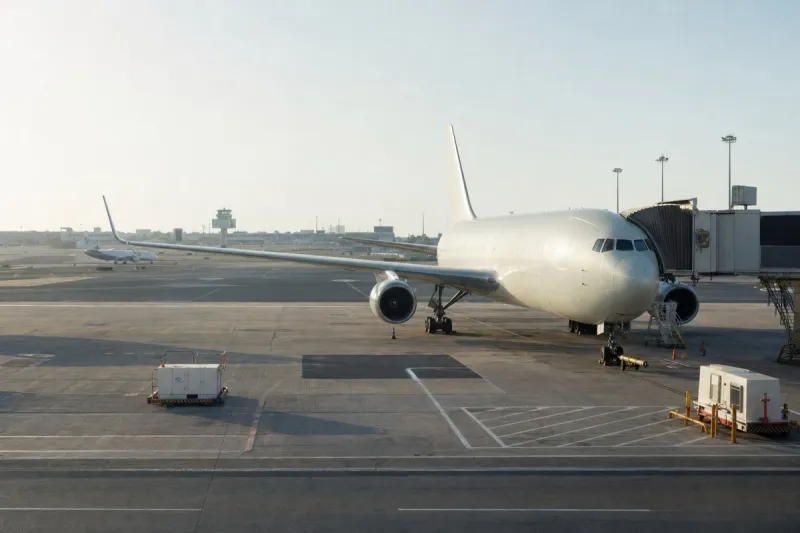
Arrivals at Boeing Field could be reduced to a few per hour, depending on conditions. Because the two airports coordinate and share airspace, arrivals at Seattle-Tacoma International Airport could be reduced to between 32 and 38 per hour.
Pilots should expect to use the RNAV approach at Boeing Field. Pattern work and VFR transitions through the airspace will not be permitted, and no automatic terminal information service will be available. Clearance-delivery delays are expected, and additional traffic restrictions or delays may be implemented as needed. The FAA advises pilots to check notices to airmen for current guidance.
The airport and the repair effort
King County says the airport handles small commercial airlines, cargo carriers, corporate and private aircraft, helicopters and military flights. It averages about 150,000 takeoffs and landings a year and supports more than 16,000 jobs. It sits about 4 miles south of downtown Seattle and is one of the nation's busiest non-hub airports.
The airport is coordinating with the Federal Aviation Administration to complete repairs and restore normal operations as quickly as possible. No exact completion date has been specified.
Industry impact & what to watch
The split of responsibility here is a structural feature worth noting: the county owns and maintains the tower, while FAA staff operate it. When the building fails, the operator cannot work around it without a temporary facility, and a temporary facility with limited capabilities means lower throughput. Maintenance of a small piece of infrastructure therefore becomes an airspace capacity problem.
The effects also cross airport boundaries. Boeing Field and Seattle-Tacoma coordinate and share airspace, so a constraint at the smaller field is passed to the larger one, with Sea-Tac arrivals potentially held to between 32 and 38 per hour. For business aviation, which relies on airports like Boeing Field for corporate and private traffic alongside cargo and military movements, the loss of pattern work, VFR transitions and ATIS removes much of the flexibility that makes such fields useful.
The next marker is a firm completion date, which has not been set. Until it is, the NOTAMs the FAA points pilots to are the authoritative source for what is actually restricted on any given day.