Pilots Flying Polar Routes Rely on Backup Navigation, Standard Contingency Offsets and ADS-C Reporting
Why It MattersPolar operations show that high-latitude flying is defined less by the aircraft than by procedure, datalink and flight-plan discipline, which makes crew qualification and dispatch capability the gating factors for any operator.
What happened
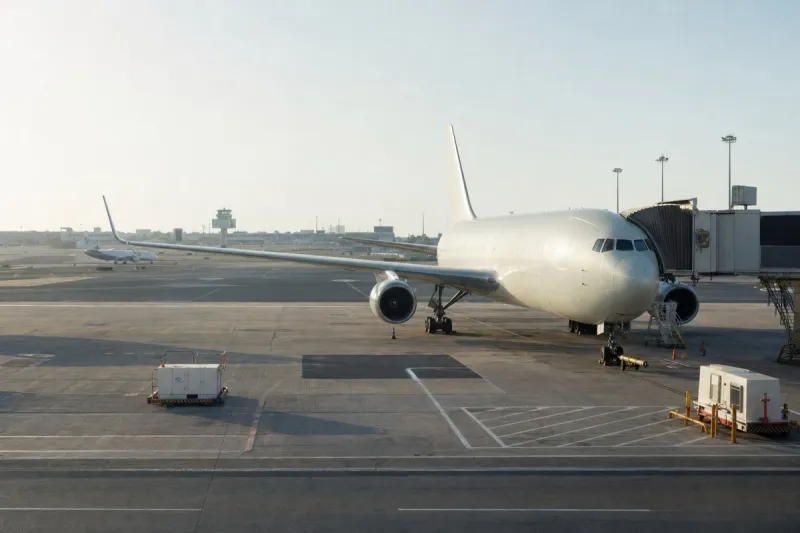
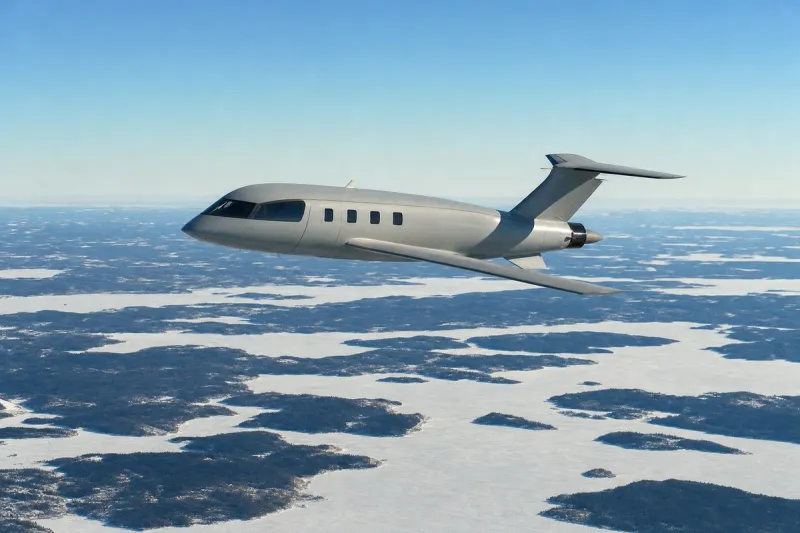
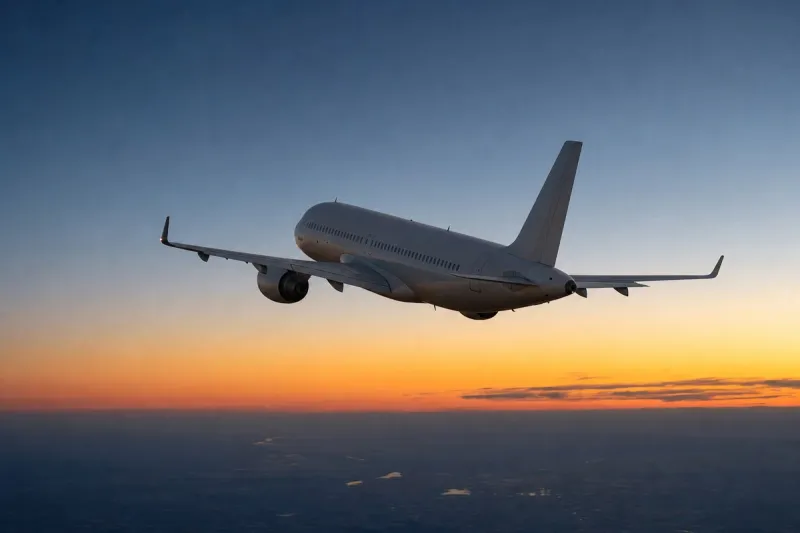
Aircraft flying from North America to Asia are commonly routed over the Arctic Circle because of the curvature of the Earth, while Antarctic flights are rare. Qantas operates sightseeing flights over the continent under its 'Antarctica Flights' brand. The remote location and harsh weather at the poles call for special operating procedures.

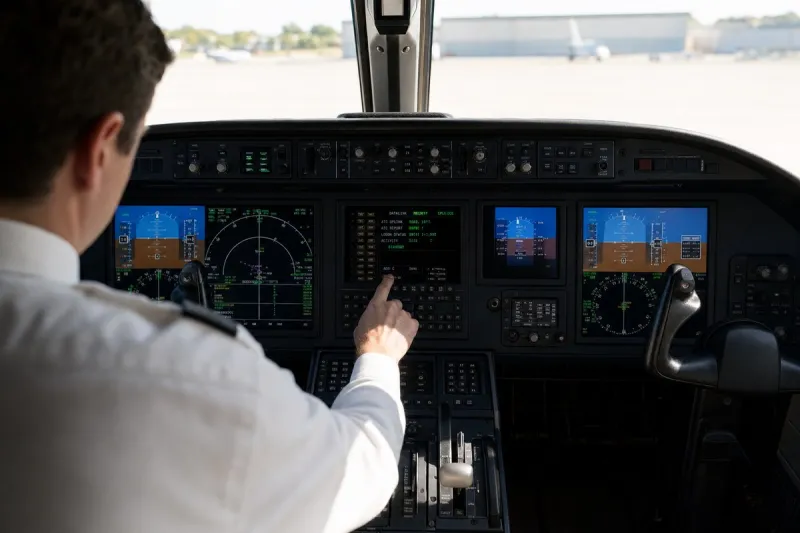
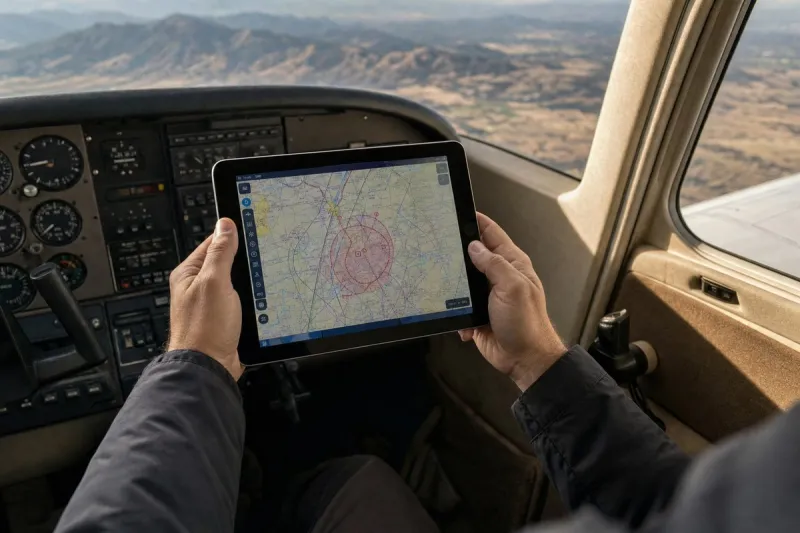
The South Pole is generally considered unsafe for a full crossing, but the North Pole is not subject to the same limitation, and Canada, Greenland, Iceland and Russia provide diversion options and air traffic control (ATC) services. On navigation, WAAS is not usable in polar regions because its geostationary satellites sit over the equator, leaving high latitudes with poor or no coverage. Polar flights rely on RAIM/ARAIM and true-north navigation, with RAIM serving as the primary GPS integrity method, and aircraft carry backup aids such as Inertial Reference System (IRS) navigation, VOR/DME and dead reckoning. Per FAA guidance (ENR 7.3), GNSS anomalies must be reported to ATC immediately.
When an aircraft cannot maintain its clearance, the ENR 7.3 contingency procedure calls for turning at least 30 degrees left or right, moving onto a track offset 5 NM from the original, holding altitude if possible (otherwise minimizing the descent rate), adding a vertical offset of 500 ft (1,000 ft above FL410), and broadcasting intentions on 121.5 and 123.45. The procedure originates with ICAO and was adopted by the FAA.
Crews also use the Strategic Lateral Offset Procedure (SLOP) under FAA guidance (ENR 7.1), which allows an offset of up to 2.0 NM right of the route centerline in 0.1 NM increments, giving 21 possible positions. Pilots must never offset left of centerline or more than 2 NM to the right. SLOP is used for traffic spacing and wake turbulence mitigation rather than weather avoidance.
Polar flights are filed on an ICAO flight plan, with all intended waypoints entered in Field 15. Position reporting uses ADS-C as the primary method, with no voice position reports while it is active; if it drops, crews fall back to CPDLC or HF voice. ARINC 424 five-character latitude/longitude entries are rejected by ATC, while formats such as 52N030W are accepted. Because magnetic variation is unusable at extreme latitudes, aircraft navigate by true heading and must file PBN/A1 or PBN/L1 plus datalink codes such as P2, D1 and J5/J7.
Industry impact & what to watch
Polar routing is a segment where the constraint is procedural rather than mechanical. Because satellite augmentation and magnetic references degrade toward the poles, an operator's ability to fly these routes depends on what the aircraft is equipped and approved to do: inertial backup, PBN approval, and datalink capability that must be declared correctly in the flight plan. For business-aviation operators and the dispatchers who plan their trips, that turns a long great-circle shortcut into a checklist of equipment, approvals and filing format.
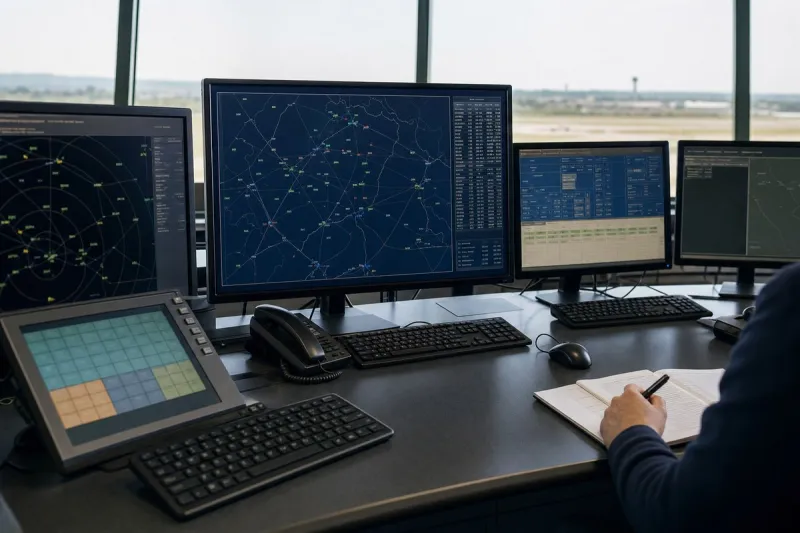
The contingency and offset rules also show how separation is preserved where radar is absent. Standardised responses such as the 5 NM offset and the vertical offset let every crew behave predictably when ATC contact is delayed, and SLOP spreads traffic laterally without any coordination. Since ADS-C and CPDLC carry the position-reporting load, a datalink drop becomes a procedural event with defined fallbacks, not a communication detail.
The items worth confirming on any specific polar trip are the aircraft's PBN and datalink codes as filed, the diversion options available along the route, and the ATC contact arrangements at each handoff.