Kyrgyzstan Drafts New Rules for Private Aircraft and Helicopters on International Flights
Why It MattersThe draft shows a smaller civil aviation authority aligning general-aviation rules with ICAO amendments after audit findings, tightening equipment, training and data-use expectations for non-commercial international flying.
What happened
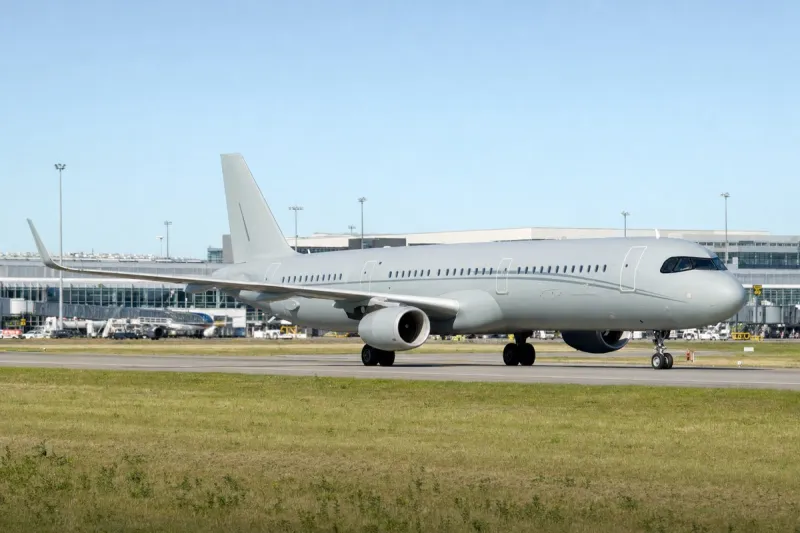
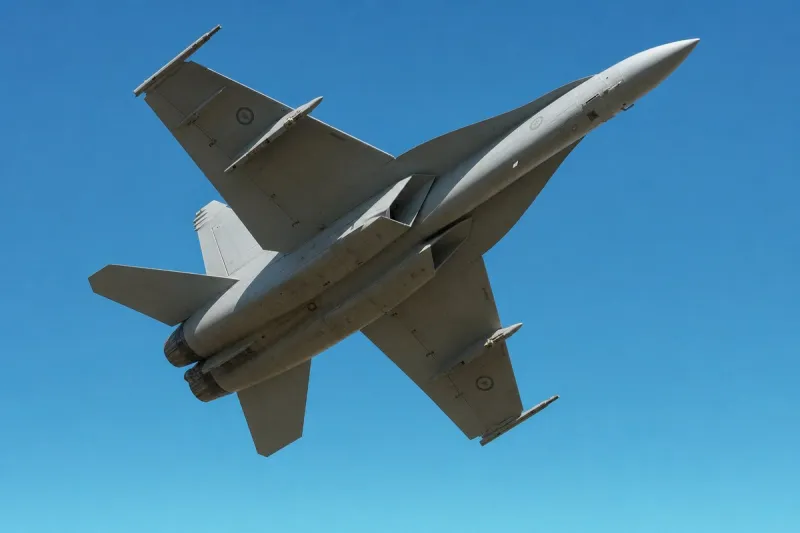
Kyrgyzstan's State Civil Aviation Agency has drafted a revised set of aviation regulations for aircraft and helicopters operating international flights outside commercial air transport. The draft order updates the rules governing general aviation, including private planes and helicopters, and is intended to bring national legislation into line with international safety standards.

One proposed change is a recommendation that large and turbojet aircraft be equipped with runway overrun awareness and alerting systems (ROAAS), which are intended to help flight crews identify potential risks during landing in a timely manner. The draft also proposes updating requirements for pilot training, aircraft airworthiness, onboard equipment, navigation systems and flight documentation.
The agency also proposes strengthening safeguards for information recorded by flight recorders, commonly known as black boxes. Recordings of pilot communications and flight parameters, as well as their transcripts, would be used exclusively for flight safety purposes. The revised rules would further clarify requirements for international flight planning, taking weather conditions into account, crew actions during flights and the use of electronic flight bags.
The agency said the current regulations do not fully reflect the development of modern aviation technologies or updated international standards. The new version was drafted in accordance with Amendment 43 to the standards of the International Civil Aviation Organization (ICAO), adopted on March 27, 2026, and is intended to address shortcomings identified during international aviation audits and assessment missions. According to the explanatory note, the draft underwent public discussion from September 11 to 26, 2026.
Industry impact & what to watch
Drafts like this one are how smaller civil aviation authorities absorb ICAO amendments into national rules, and the stated link to audit and assessment-mission findings points to a compliance motive as much as a technical one. For general aviation, that tends to mean the non-commercial segment, long treated lightly, picks up obligations familiar from commercial operations: equipment expectations, documented training and tighter handling of recorded data.
The ROAAS item is worded as a recommendation for large and turbojet aircraft, not a mandate, so the practical effect on private-jet and helicopter owners depends on how the final order phrases it and whether it carries compliance dates. Restricting flight-recorder recordings and transcripts to safety purposes follows the data-protection logic already common in ICAO-aligned regimes and narrows how operators and investigators may use that material.
Public discussion closed on September 26, 2026, so the next milestone is the agency's final order. Its text will show whether the equipment recommendation stays a recommendation and how the flight-planning and electronic flight bag provisions are worded for operators flying Kyrgyz-registered aircraft internationally.