Building a New Runway Does Not Guarantee More Flights: Apron, Airspace, Runway Spacing and Controller Staffing All Cap Capacity
Why It MattersAirport capacity behaves as a system limited by its tightest component, so runway projects deliver extra flights only where aprons, airspace, runway spacing and controller numbers expand alongside them.
What happened
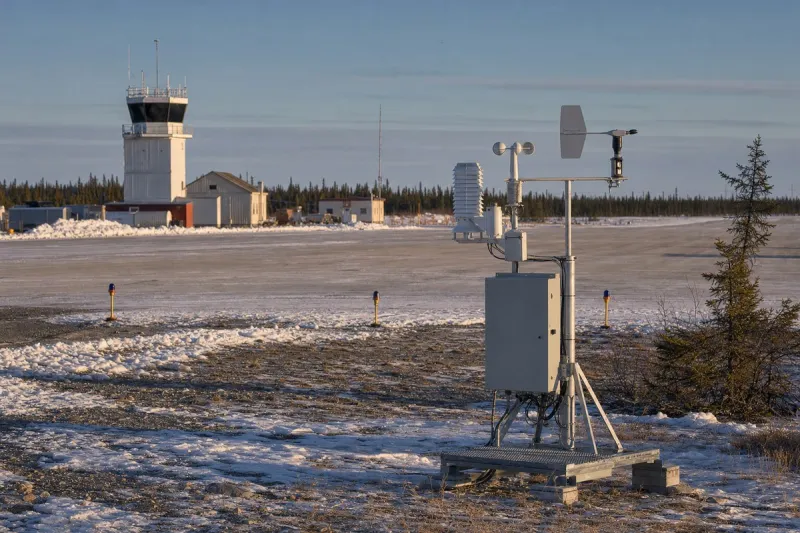
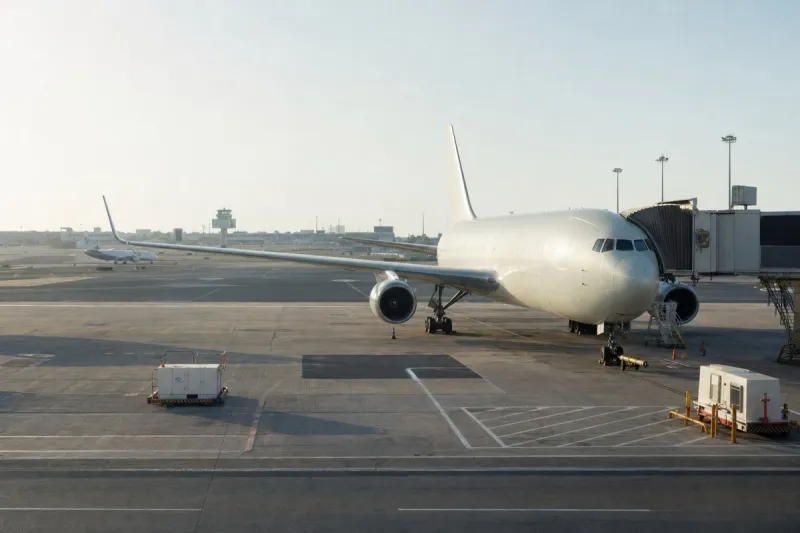
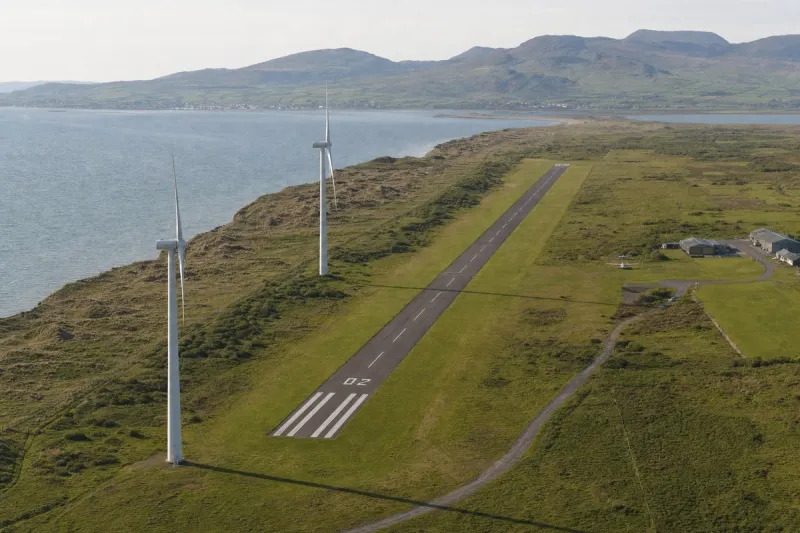
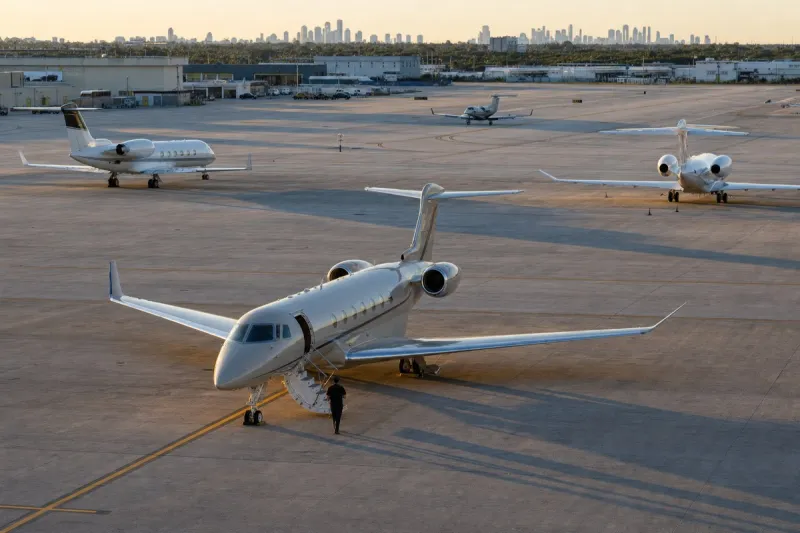
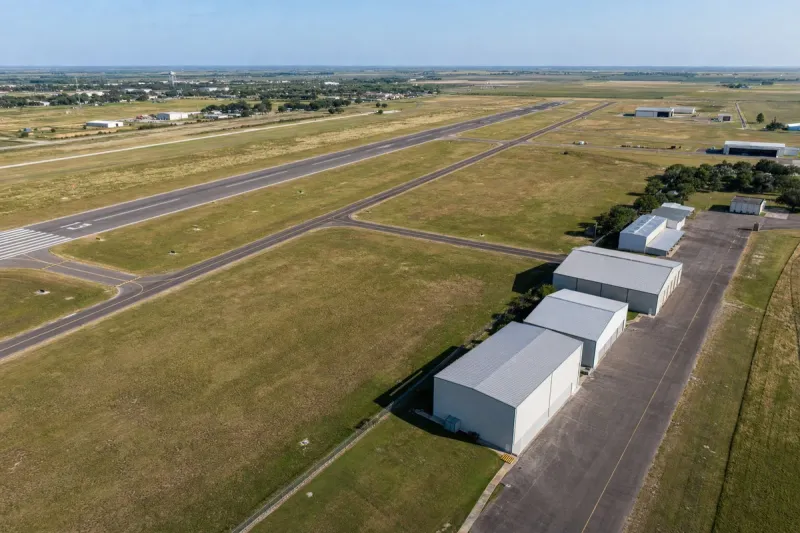
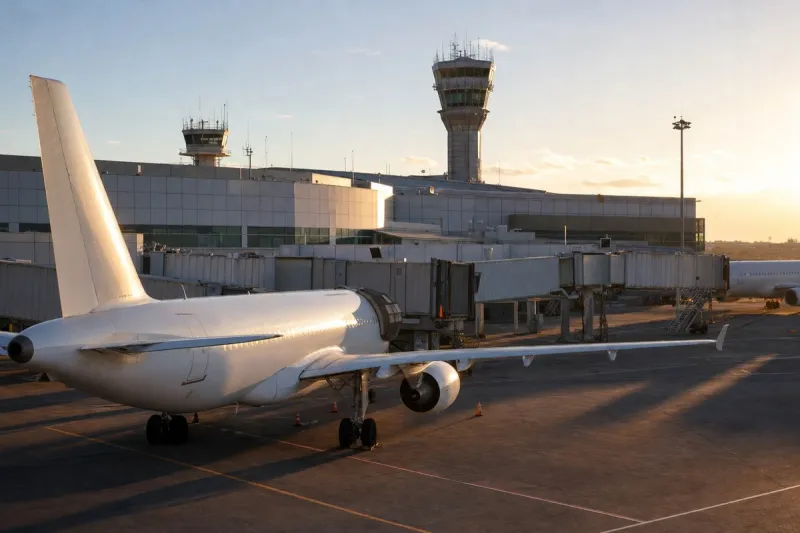
Airport expansion and new-build projects are under way in Australia, Asia, the Middle East and the United States, but adding a runway does not automatically raise an airport's flight capacity. Airports Council International (ACI) wrote in a 2019 research paper on air operations in Europe that the capacity provided by the airport system is determined by multiple factors, many of which are not directly within an airport operator's control. These factors primarily include an airport's runway or runways, its apron, terminal infrastructure and the surrounding airspace.
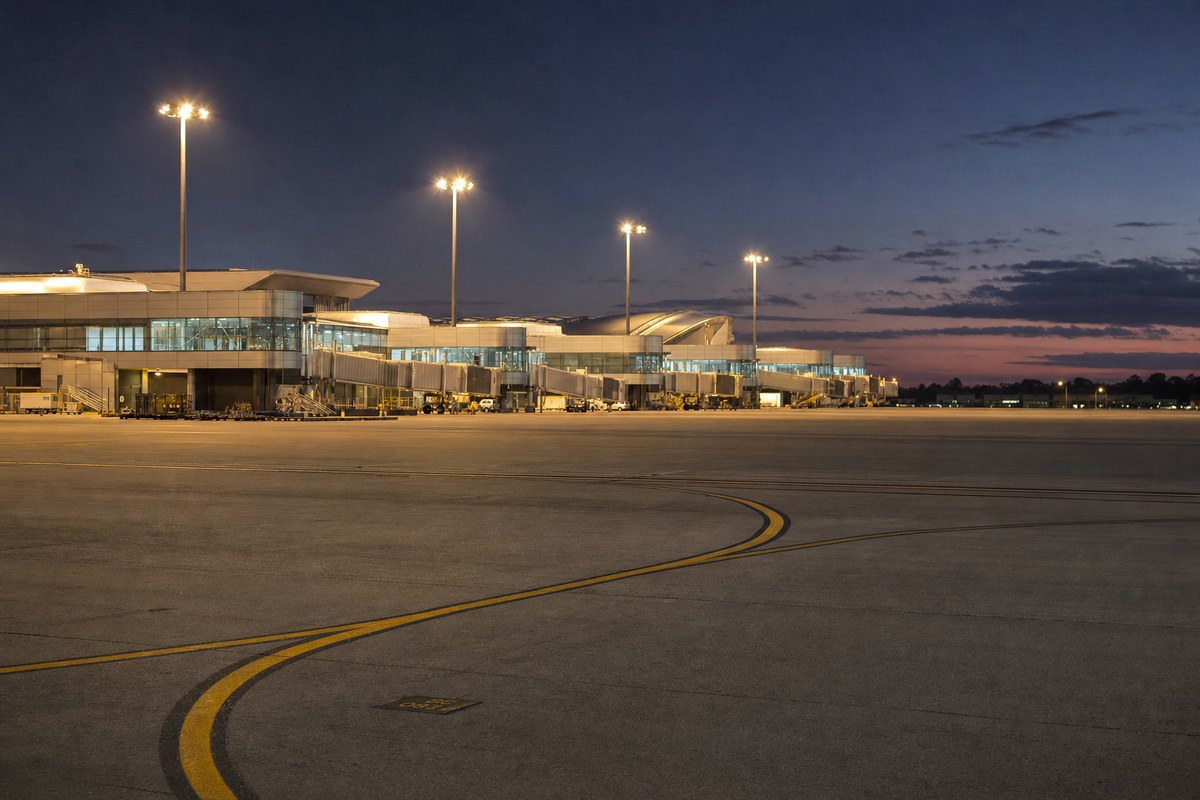
Existing facilities must keep up as well. Public transport, roads, car parking, additional check-in counters, security checkpoints, passenger waiting areas and aircraft docking gates all come under more stress as flights increase. According to a 1982 Congressional study, efforts undertaken in response to growing demand for flights tended to have the largest impact on reducing delays.
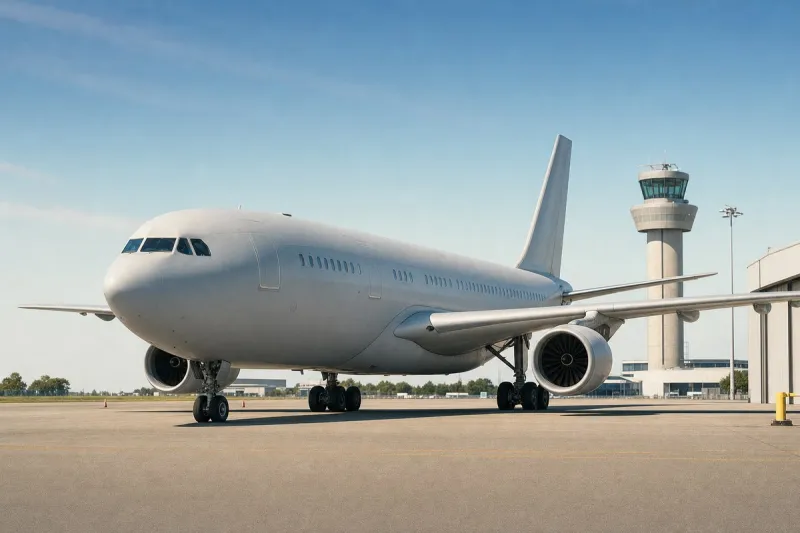
Runway spacing also matters. Where two or more runways run parallel, spacing between aircraft making approaches in the same direction at the same time must be ensured. The US Federal Aviation Administration (FAA) calls these simultaneous same-direction operations, and they require visual flight rules (VFR) conditions, maintained two-way radio communication with each aircraft involved, and a minimum distance between the centerlines of each runway. Where heavy aircraft such as the Boeing 787 and Airbus A350 were involved, that minimum distance was historically 700 feet (213 meters).
San Francisco International Airport (SFO) has two sets of parallel runways, but they sit just 750 feet (229 meters) apart in each direction. The airport had been allowed to use each adjacent set simultaneously until recently, before the FAA effectively banned the practice in response to a fatal crash in Washington, DC, last year. That allowed a maximum arrival rate of around 54 aircraft per hour. Now all aircraft flying into the airport must follow a staggered, diagonal sequence along the final approach path, which has reduced the arrival rate.
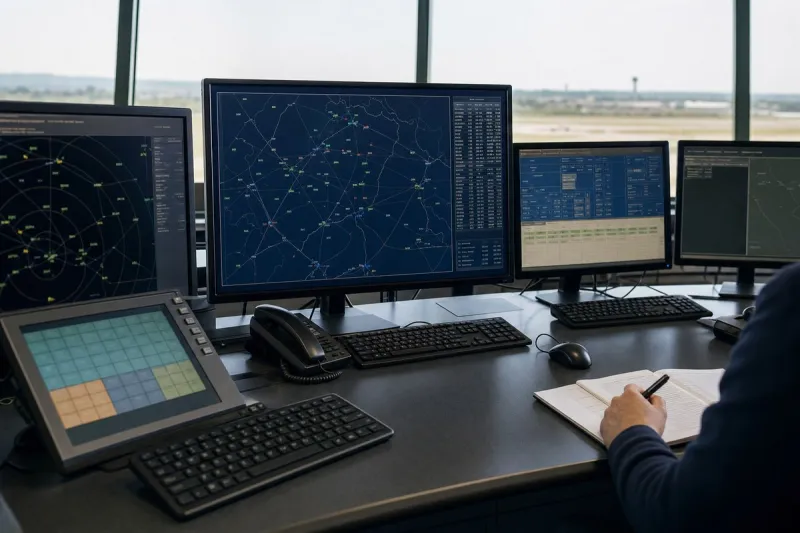
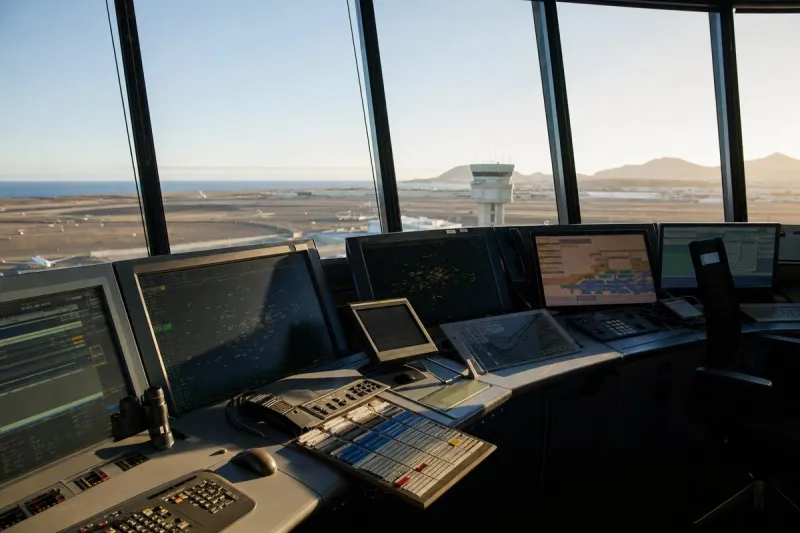
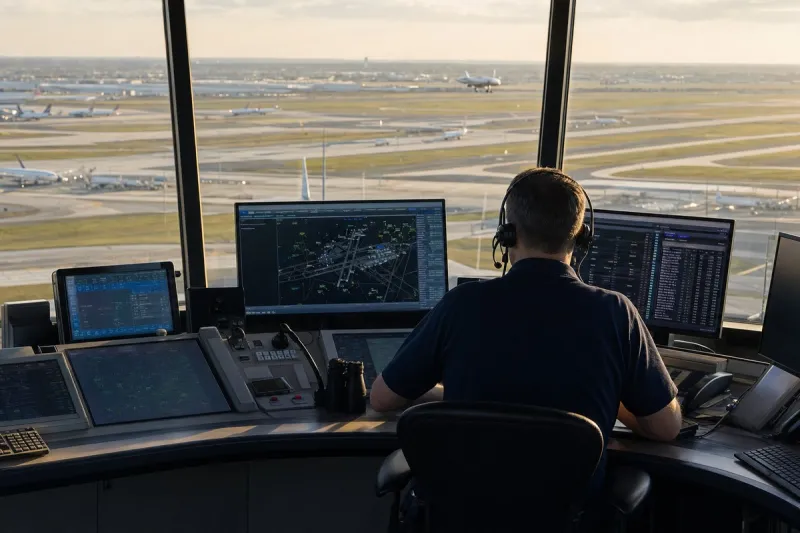
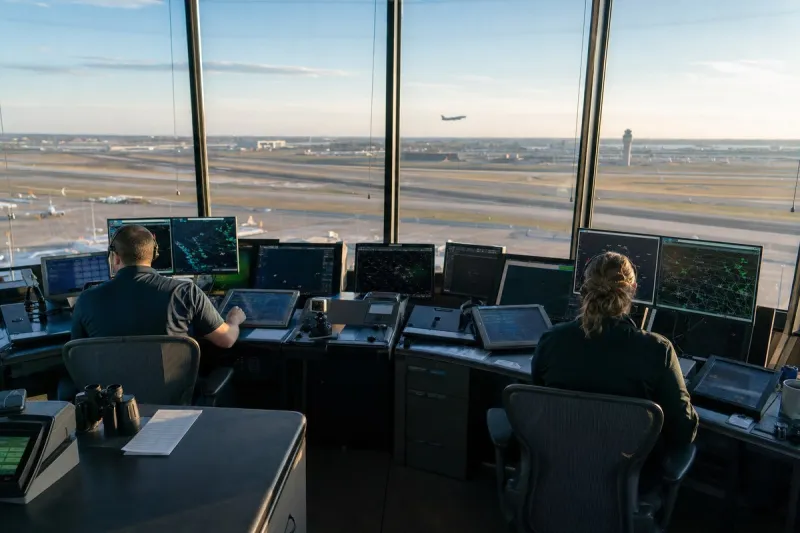
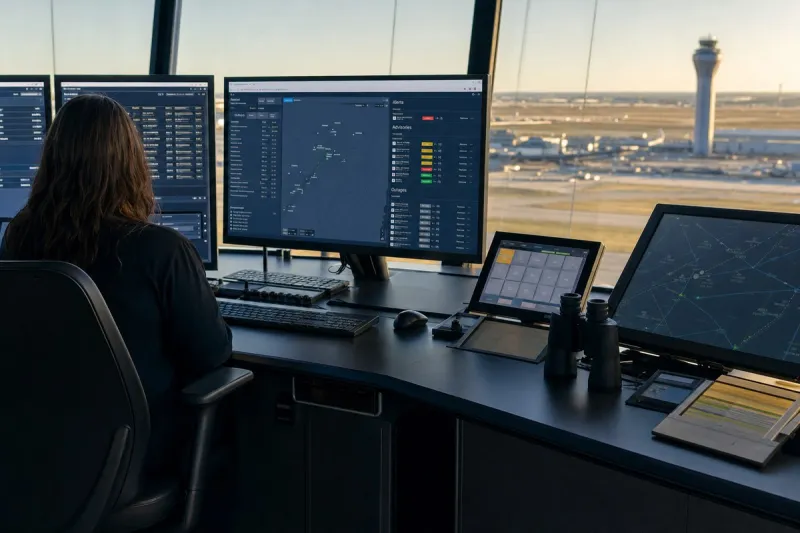
Air traffic controllers are ultimately responsible for how runway systems are managed: they select an appropriate configuration and sequence flights, and multiple landing strips make this more complex and may require additional monitoring positions. A 2026 review of runway systems published in MDPI concluded that any shortage of air traffic control personnel can limit the feasible set of configurations available at an airport. Such shortages are a global issue, with an aging workforce and high training requirements said to be driving a trend of cross-border recruitment.
London Heathrow Airport (LHR), considered among the most slot-constrained airports in the world, is in the process of seeking planning permission for its expansion. The UK government has laid out key tests that any plan will be assessed against, including the expansion's economic impact, environmental cost, and compliance with air quality and noise regulations.
Industry impact & what to watch
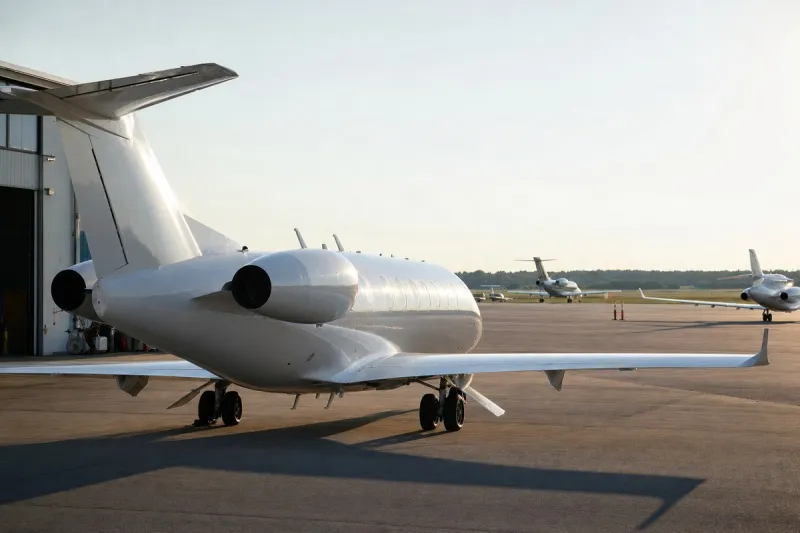
Airport capacity works as a chain, and the weakest link sets the rate. A runway adds pavement, but the number of movements per hour is decided just as much by whether aircraft have stands to park on, whether the airspace around the field can absorb more arrivals, whether the runways are spaced to allow simultaneous approaches, and whether enough controllers are on duty to run the more complex configurations. For business aviation, which shares the same runways, approaches and slots with airline traffic, that means expansion headlines say little about how much extra access will actually materialise.
The San Francisco case shows how a regulatory change alone can move the ceiling without any change to the concrete: the same two sets of runways now support a lower arrival rate than before. It also shows why spacing rules matter more as heavy aircraft such as the 787 and A350 become routine, since wake and separation requirements are tied to the distance between runway centerlines.
The next dated checkpoint is Heathrow's planning process, where the UK government's tests on economic impact, environmental cost, air quality and noise will determine whether an expansion proceeds. How controller staffing and airspace design are treated alongside the runway itself will indicate whether any added capacity is usable.