Dutch Foreign Minister Offers Parliament Confidential Briefing on Refused Landing of Machado's Aircraft in Aruba and Curaçao
Why It MattersThe case shows that landing permission for a private aircraft in the Dutch Caribbean can sit with several layers of authority, so a charter itinerary there depends on who ultimately signs off.
What happened
Dutch Foreign Minister Tom Berendsen has offered members of the House of Representatives a closed-door briefing on the refusal to allow an aircraft carrying Venezuelan opposition leader María Corina Machado to land in Aruba and Curaçao. In a letter to Parliament dated October 30, 2026, he said Ministry of Foreign Affairs officials were prepared to explain the circumstances of the unsuccessful landing requests and earlier developments involving Machado. He asked that the briefing remain confidential because of the sensitive nature of the information.
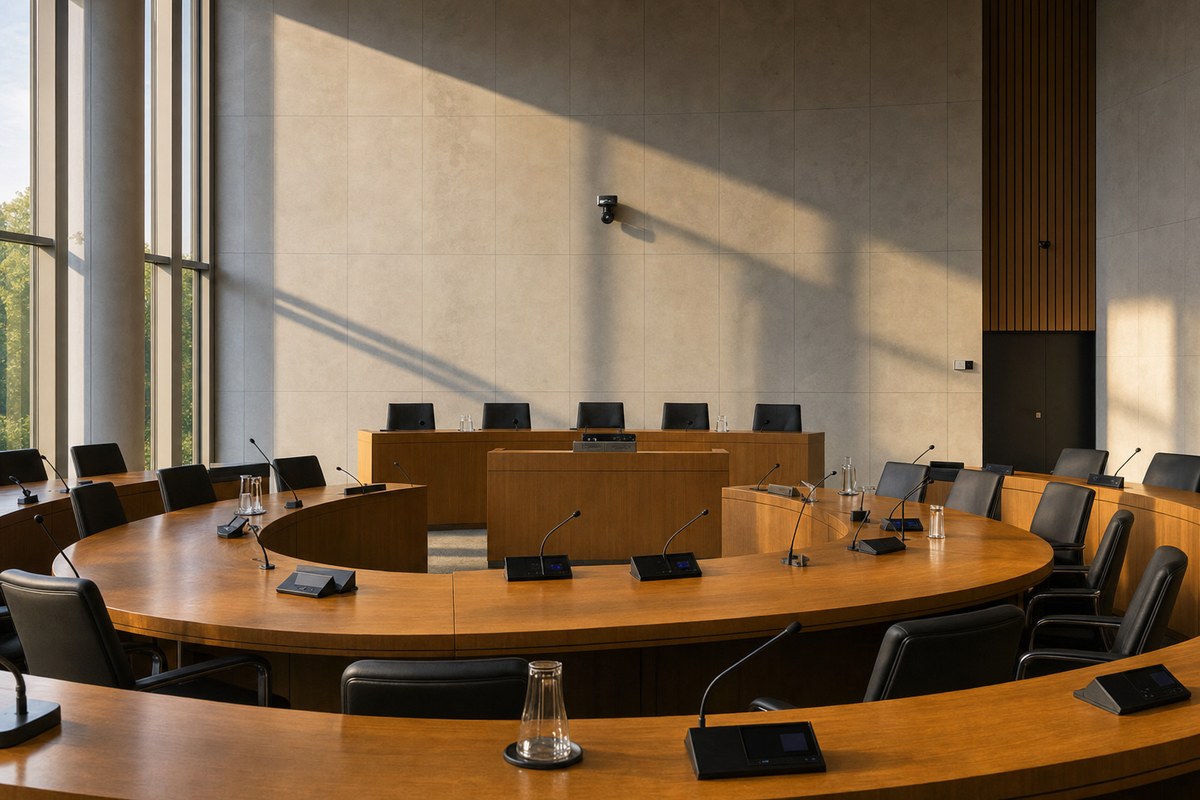
The offer follows a commitment Berendsen made during a parliamentary debate on human rights policy on October 5, when GroenLinks-PvdA parliamentarian Kati Piri questioned the government about the matter. The letter notes that Machado returned to Venezuela on October 25, which the minister said did not change his willingness to provide the explanation.
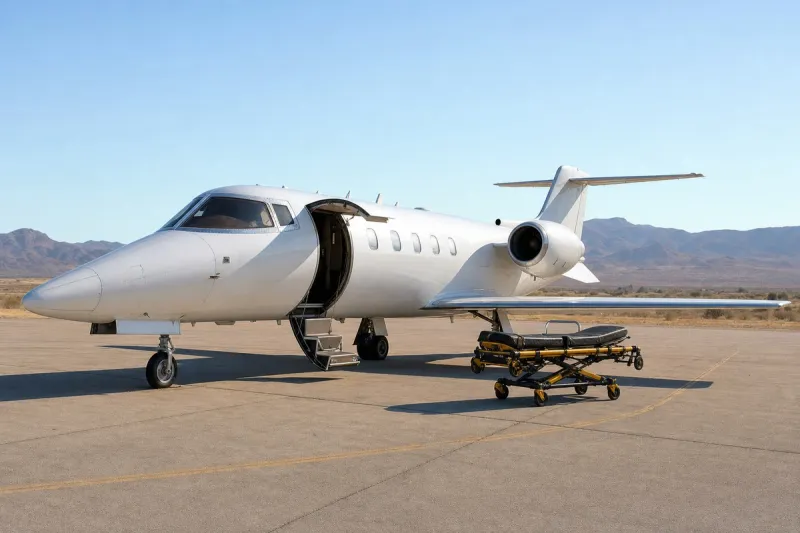
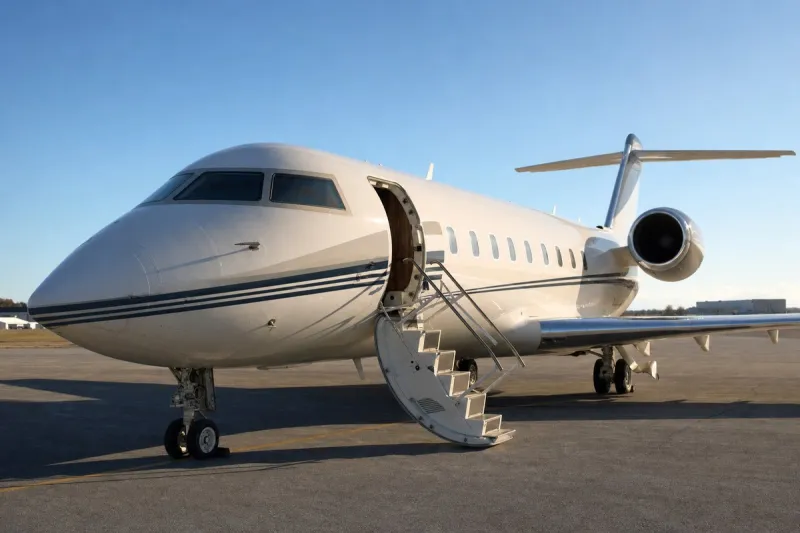
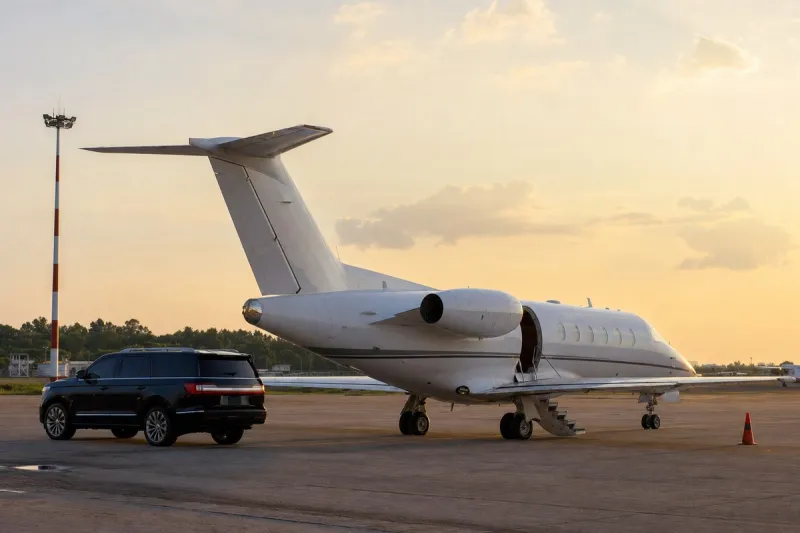
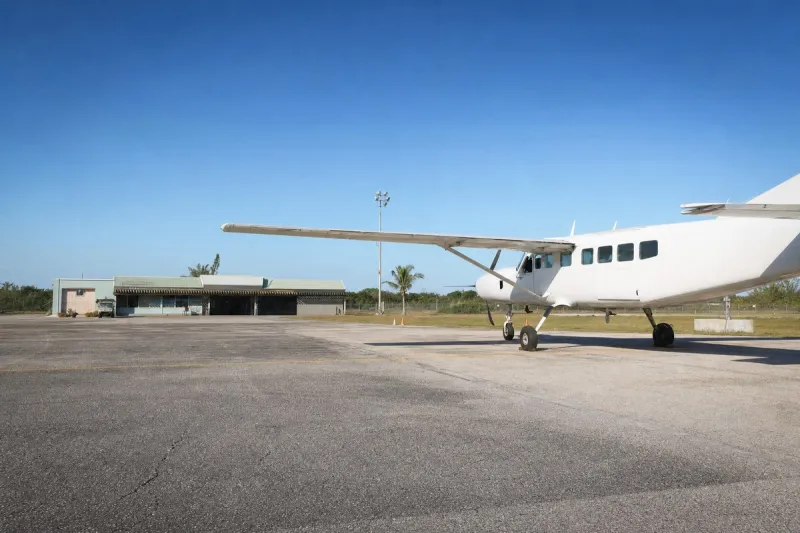
The controversy became public on September 30, when Dutch broadcaster NOS reported that the Curaçao Civil Aviation Authority (CCAA) had refused permission for a private aircraft carrying Machado to land on the island. CCAA Director Peter Steinmetz confirmed the decision followed a request from higher authorities but did not say who made it. The aircraft had sought to fly from Panama to Curaçao on September 22, and earlier attempts to obtain landing permission in Aruba had also failed.
Dutch Prime Minister Rob Jetten was also questioned. On September 25, when asked whether he could rule out Dutch involvement in preventing or complicating Machado's journey through Aruba and Curaçao, he did not answer directly; he referred instead to the Netherlands' contacts with Venezuela's democratic opposition and the importance of protecting opposition figures. On October 2 he said foreign affairs and diplomacy are Kingdom responsibilities requiring coordination between the Dutch government and the autonomous Caribbean countries.
Industry impact & what to watch
For operators and trip planners, the episode illustrates how a landing request for a private aircraft in the Dutch Caribbean can pass beyond the local civil aviation authority. The CCAA director described the decision as following a request from higher authorities, and the Prime Minister's remarks place foreign affairs and diplomacy at Kingdom level, shared between the Dutch government and the autonomous Caribbean countries. Permission for a flight with political sensitivity can therefore turn on decisions outside the airport and the regulator.
The practical lesson for charter and brokerage desks is that routing through Aruba or Curaçao for a passenger of this profile cannot be treated as a routine slot-and-handling question. Alternate airports and timing buffers need to be part of the plan when a passenger's profile could draw attention at government level.
The next concrete marker is the confidential briefing the minister has offered to parliamentarians. Whether it clarifies who requested the refusal, and on what grounds, will determine how much of the permission chain becomes visible to the industry.