Air Force Global Strike Command Launches BSTAR Program Using Contractor-Operated Light Business Jets to Build B-1B Aircrew Flight Hours
Why It MattersMilitary buyers are testing whether commercially operated light business jets can absorb routine foundational flying, a model that would open a recurring contractor-services market inside air force pilot training pipelines.
What happened
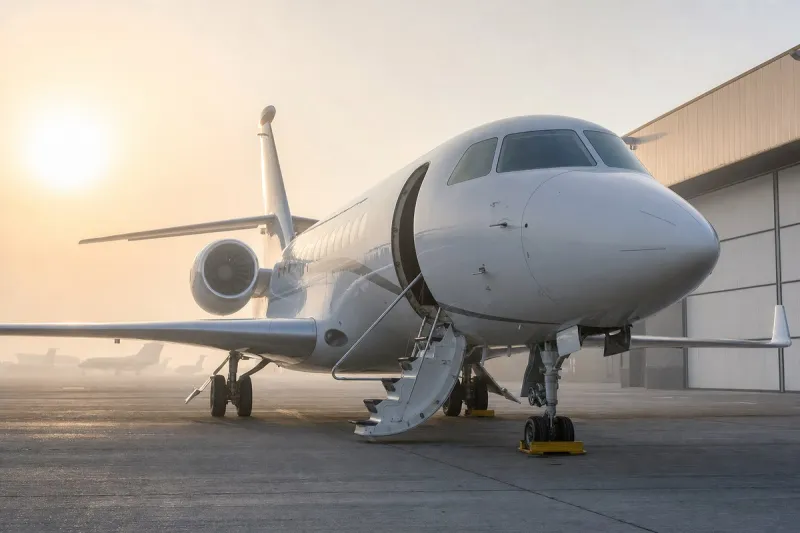
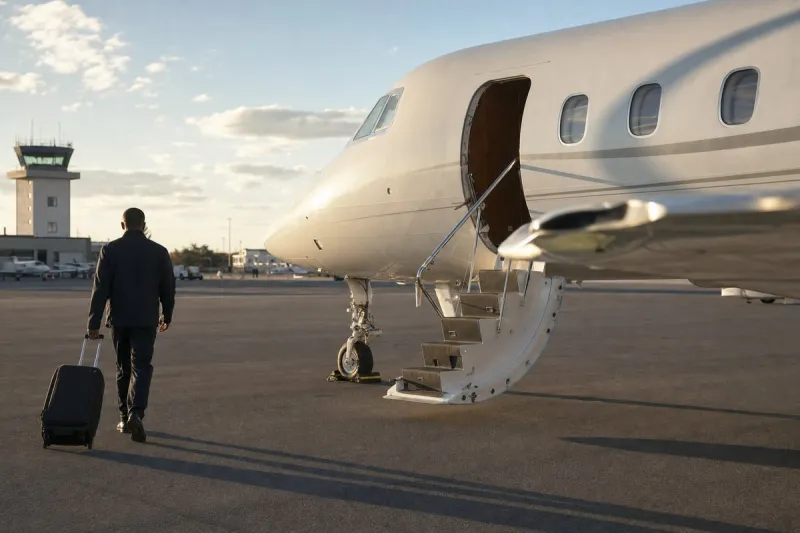
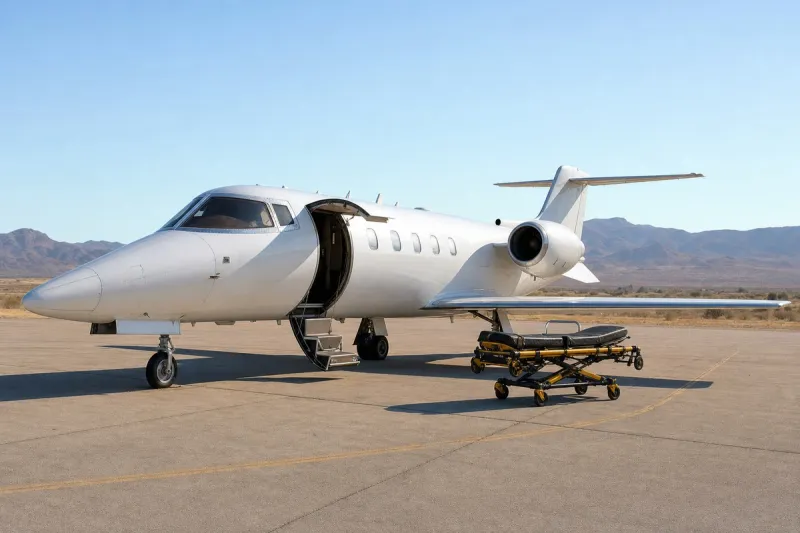
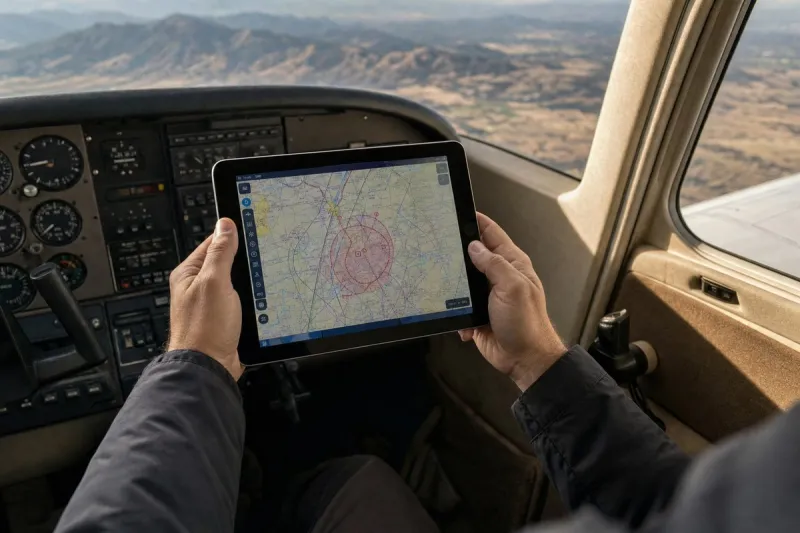
Air Force Global Strike Command has launched a pilot training initiative in Abilene, Texas, that uses contractor-operated light business jets to give B-1B Lancer aircrews additional flight experience. The program, called the Bomber Supplemental Trainer for Aircrew Readiness (BSTAR), officially began during the first week of November 2026.

On November 2, a pilot from Dyess Air Force Base completed the first BSTAR military training flight. Air Force Global Strike Command commander Gen. S.L. Davis and Eighth Air Force commander Maj. Gen. Ty Neuman arrived shortly afterward and evaluated the prototype capability through observer flights.
The program is intended to address flight hour constraints by letting bomber pilots build airmanship outside the primary B-1 fleet. It focuses on foundational airmanship, including aircraft handling, instrument procedures and crew resource management. By moving routine foundational hours to more cost-effective companion aircraft, the command preserves B-1 flight hours for mission-specific requirements.
Col. Robert Sturgill, 7th Bomb Wing and installation commander, said: "Every additional hour they spend in the air builds experience they bring back to the B-1." He added that the program provides additional flying opportunities without diverting resources from core bomber training.
Industry impact & what to watch
BSTAR treats flight hours as a resource that can be sourced from two places: the expensive primary platform and a cheaper companion aircraft. Contractor-operated business jets are an established way to deliver that second category of hours, because the airframes, maintenance and crews already exist in the commercial market. That arrangement keeps the heavy bomber's limited hours for work only the bomber can do.
For the business-aviation segment, the relevant question is whether a prototype in Abilene becomes a repeatable demand source. A one-site trial generates little volume; a model adopted across several commands would turn light jets into a standing training service. The program's design points toward that outcome, since it is explicitly framed as a test of whether supplemental training can scale.
The next milestone is the prototype's own measurement phase. Military officials will track and debrief every training sortie to gauge effectiveness and aircrew readiness, and leadership will use that data to decide whether the approach extends to broader air combat commands.