HEGGEMANN, Deutsche Aircraft Complete Initial Flight Tests of New Landing Gear for Dornier 328 and D328eco
Why It MattersFitting one landing gear architecture to both a legacy fleet and a new-build type shows how regional OEMs can use in-service aircraft as test platforms and spread support costs across two variants.
What happened
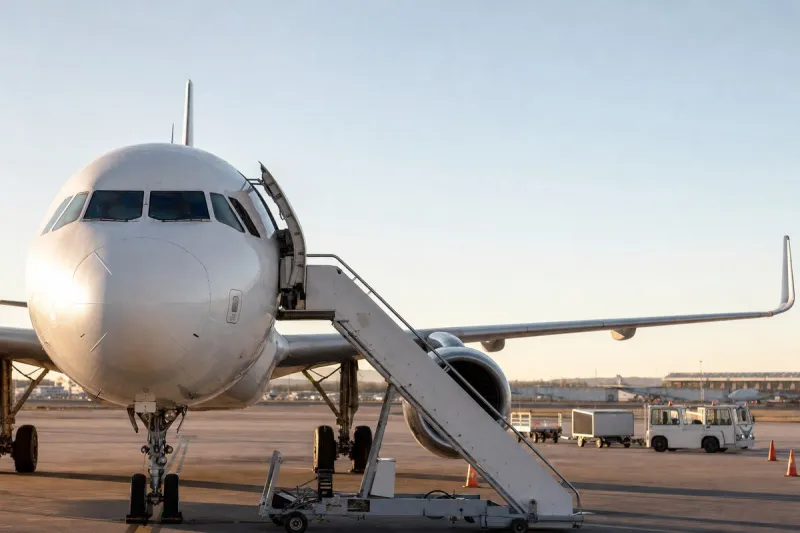
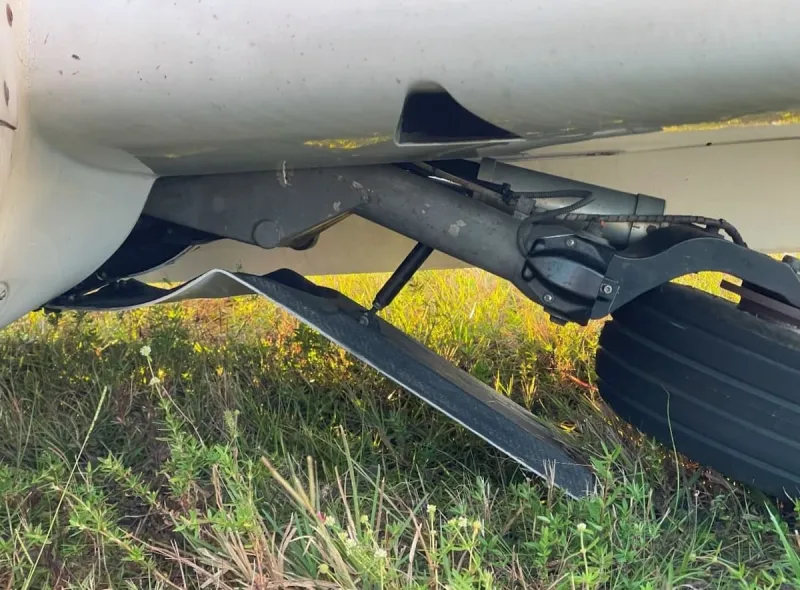
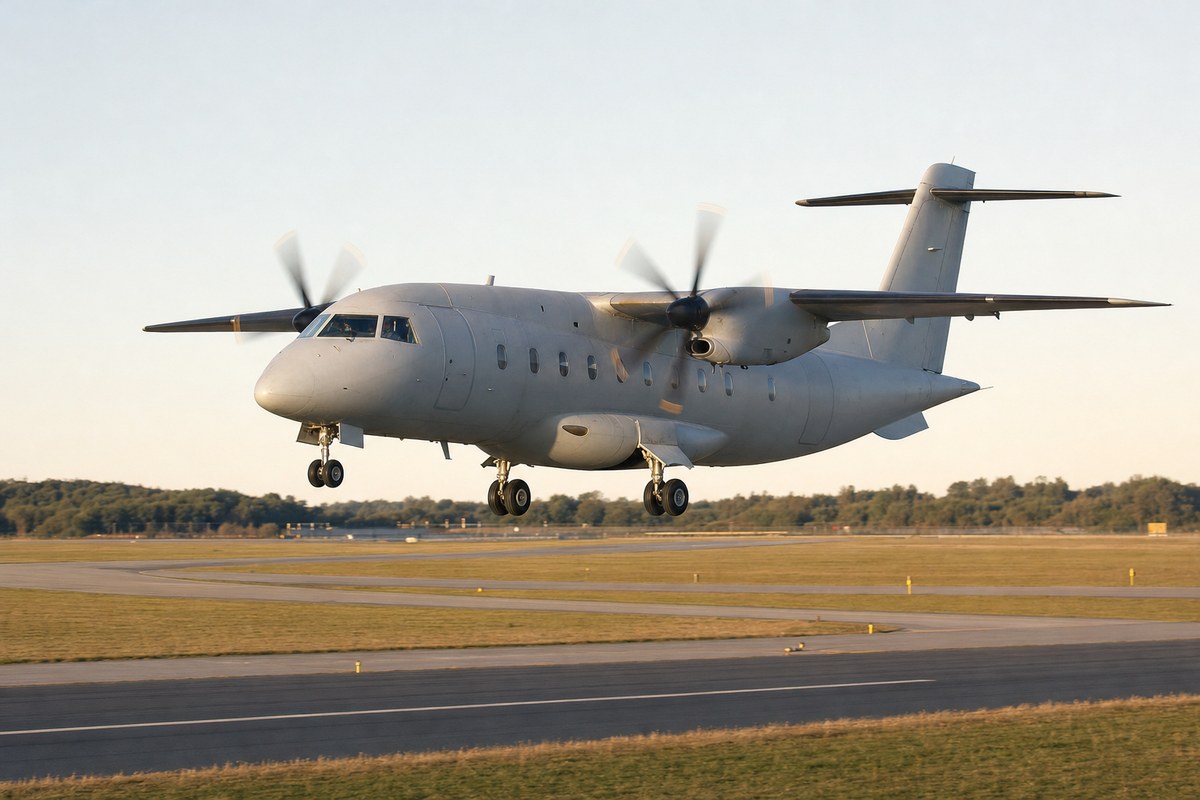
HEGGEMANN AG and Deutsche Aircraft have completed initial flight testing of a new landing gear system designed for both the existing Dornier 328 fleet and the next-generation D328eco regional aircraft. The system went through low-speed and high-speed taxi testing before its first phase of flight testing aboard a modified Dornier 328. That aircraft finished its initial development flight campaign in September 2026, and the campaign provided data for the next stages of certification.
HEGGEMANN has worked with Deutsche Aircraft on the landing gear since the D328eco program began in 2020. The two companies designed the equipment to fit within the existing aircraft installation space. HEGGEMANN handled design and engineering analysis, including drop tests, structural evaluations, performance and endurance testing, and environmental testing under RTCA DO-160. It also supported the ground and flight-test campaign.
Deutsche Aircraft used an existing Dornier 328 as a dedicated test aircraft instead of waiting for the D328eco to enter flight testing. That let engineers evaluate the gear on the ground and in flight and identify needed changes before further certification testing. The design uses established subsystem technologies and aims to improve corrosion resistance.
HEGGEMANN plans to produce landing gear shipsets for existing Dornier 328 aircraft while development continues for the D328eco. Further evaluations and certification testing are required before the system can enter service.
Why a legacy airframe is doing the testing
Flying new hardware on an in-service type is a well-worn route for derivative programs. The existing airframe supplies a real installation envelope and real loads, so problems in the gear surface early, long before the new-generation aircraft has its own flight-test hours. Here the Dornier 328 serves as that stand-in, and the data it produced feeds directly into the certification path for both variants.
The common architecture is intended to serve existing Dornier 328 operators and future D328eco customers, and it could simplify maintenance and parts support across both types. For a small regional fleet, a shared landing gear matters in practical terms: one set of spares, one body of maintenance knowledge and one supplier relationship can cover aircraft of different generations. HEGGEMANN's plan to produce shipsets for the current fleet while D328eco development continues points the same way, since legacy operators could benefit before the new type is certified.
Industry impact & what to watch
Landing gear is among the more conservative systems on a regional aircraft, and carrying one design across a legacy fleet and its successor reflects how derivative programs economize. Operators of older turboprops weigh support costs heavily, because spares availability and shared components often decide whether an aging fleet stays economical to fly. A retrofit-capable gear that also underpins the new-build aircraft gives both groups a stake in the same supply chain.
The testing also shows how a test-aircraft approach can compress development risk. Gathering ground and flight data on a modified Dornier 328 means design changes can be made while the D328eco itself is still ahead of its own flight testing, which is cheaper than finding the same issues on the new airframe.
The milestone that settles the question is certification testing, which the companies say is still required before the system can enter service. Until the further evaluations are complete, the benefits of commonality, including simpler maintenance and parts support, remain design intent rather than demonstrated outcomes.