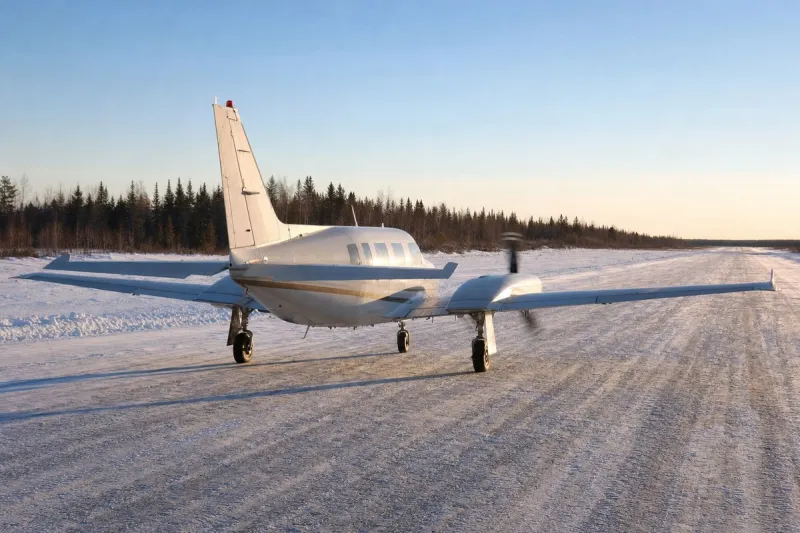
Pilatus PC-24 Certified for Grass, Wet Soil, Sand, Gravel and Snow-Covered Runways, Setting It Apart From Most Business Jets
Why It MattersRough-field approval turns unpaved-runway access into a certified design attribute of a jet, a niche that business-jet fleets built for paved runways have mostly served only through modification kits.
What happened
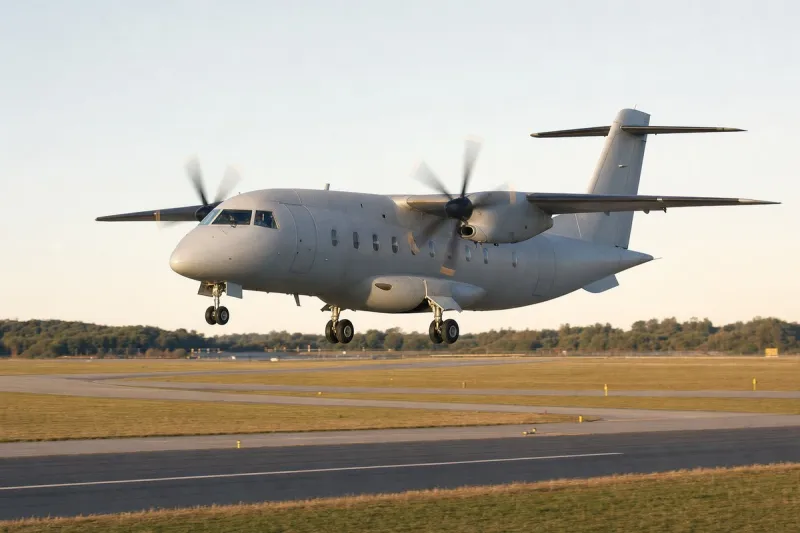
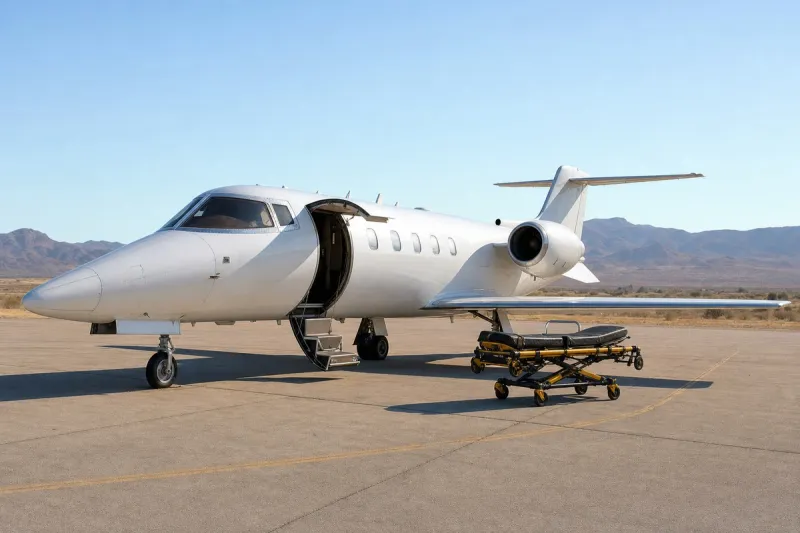
The Pilatus PC-24 is certified for takeoffs and landings on grass, wet soil, dry sand, gravel and snow-covered unpaved runways, according to Pilatus. Most business jets are optimized for paved runways, and turbofan engines are more vulnerable than propeller engines to foreign object damage from debris. The Dassault Falcon 20 and Falcon 50 can land on dirt and gravel only after being fitted with a special service bulletin kit and were not originally designed for it. The PC-24, by contrast, was developed for rough-field use from the outset, a mindset inherited from the PC-12 turboprop.
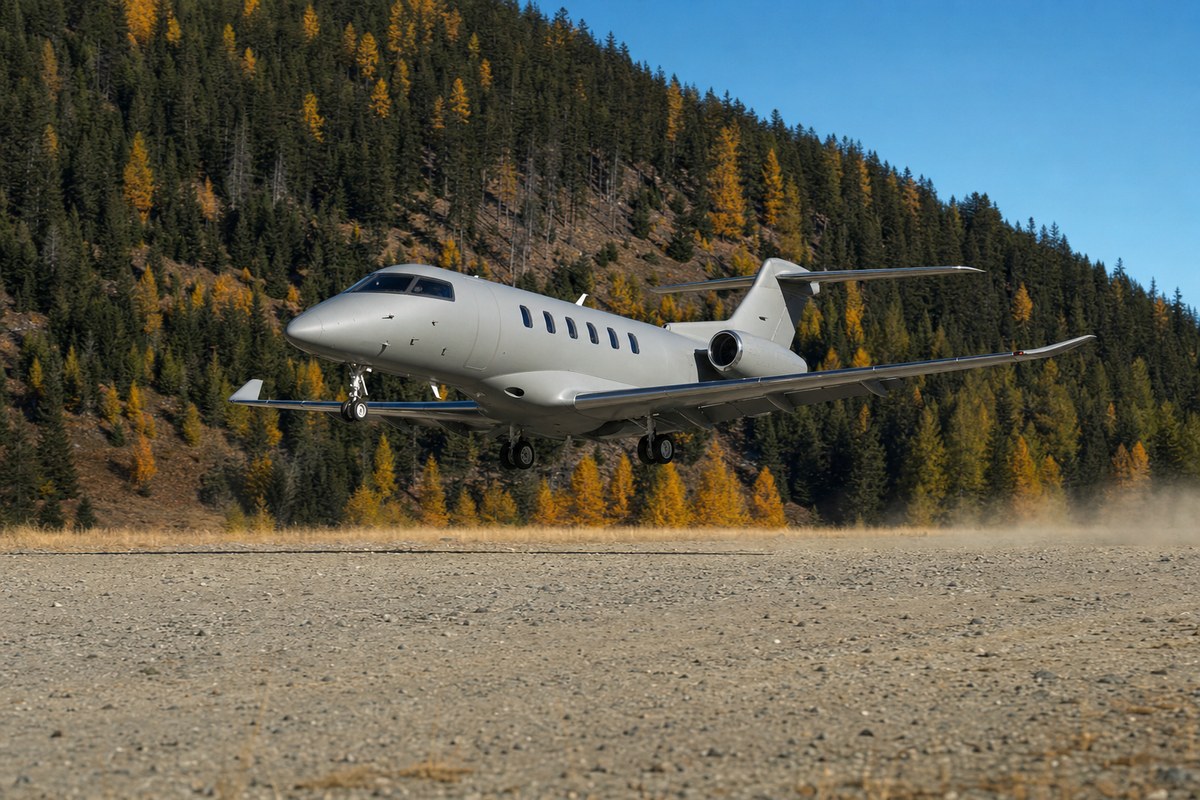
Pilatus first obtained certification for dry sand and gravel in 2018, then ran a post-certification test campaign through 2019. In a media release dated February 7, 2020, the company announced full rough-field approval that added grass, wet soil and snow-covered unpaved runways. European regulators approved the expanded capability, with US approval following, and the EASA requires tests on different surfaces. Grass-runway test sites included Goodwood and Duxford in England, Kunovice in the Czech Republic and Poitiers in France.
The aircraft uses long-stroke trailing-link landing gear, and its main tires run at 73-76.5 psi (5-5.24 bar) to avoid sinking into soft surfaces at takeoff weights of up to 18,700 pounds (8,500 kg). Its two Williams FJ44-4A turbofans, each producing about 3,400 pounds of thrust (15 kN), sit high on the rear fuselage, and the wing flaps shield them from debris. A large double-slotted flap system supports short-field performance. Pilatus lists a takeoff distance of 3,090 feet (942 meters) and a landing distance of 2,410 feet (734 meters) over a 50-foot (15-meter) obstacle.
In the 2020 announcement, Pilatus chairman Oscar Schwenk said the Royal Flying Doctor Service of Australia and operators in North America and Africa already used rough-field runways regularly. In a Pilatus release dated March 30, 2026, the Indonesian Ministry of Defense signed for twelve PC-24s for pilot training, air transport and liaison missions, with the aircraft's short and unpaved runway capability cited as a decisive selection criterion. The PC-24 is certified for single-pilot operation and has a standard cargo door.
Industry impact & what to watch
Most jets in this class reach unpaved strips, if at all, through retrofit kits fitted to airframes designed for pavement. A jet certified for gravel, sand, grass, wet soil and snow from the outset sits in a different position: the capability is part of the type's approval rather than an aftermarket modification, and regulators have tested it across several surface types.
The Indonesian Ministry of Defense order for twelve aircraft shows where that certification carries commercial weight. Government and medical-service users who fly to short and unpaved fields can write the capability into a selection process, as Indonesia did for training, transport and liaison roles. Engine placement high on the rear fuselage and flap shielding are the design features that make that case credible for a turbofan.
The next point to settle is how the capability is used in service: the Indonesian aircraft are the open test, since the ministry named unpaved-runway performance as a decisive criterion for twelve aircraft that have yet to enter use.