Turboprops Cost 30–45% Less Per Hour Than Light Jets, but Mission Length Decides the Better Buy
Why It MattersThe comparison shows light-jet and turboprop economics diverge by stage length, so the cost premium for speed only converts into a real door-to-door advantage once typical missions pass roughly 800 nautical miles.
What happened
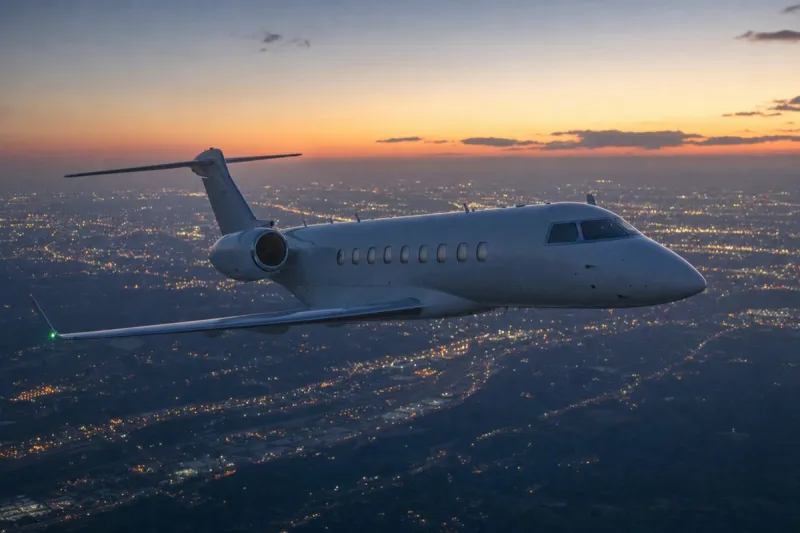
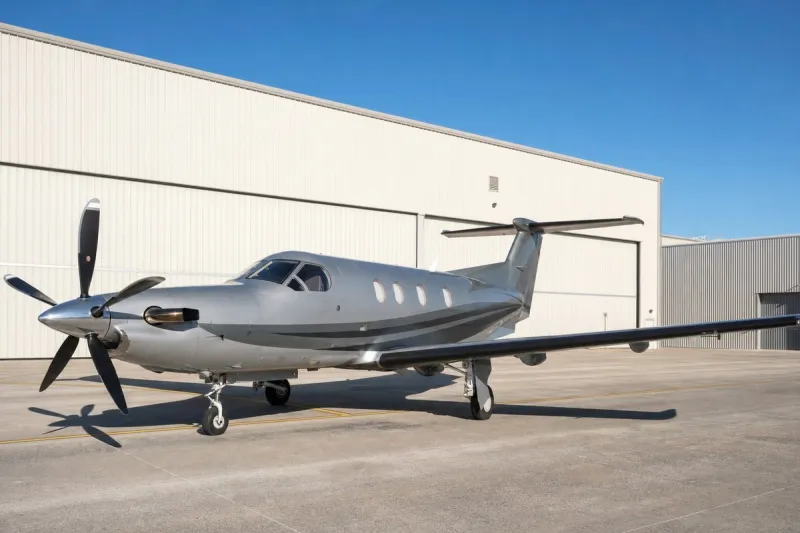
A comparison of turboprop and light jet ownership in 2026 finds that a modern executive turboprop costs 30% to 45% less to own and operate, on an hourly direct-cost basis, than a comparable light jet. Benchmark figures cited from SkyCost put the Pilatus PC-12 at about $1,100 per flight hour in direct operating expenses and the Beechcraft King Air 350i at roughly $1,500. The Cessna Citation CJ3+ comes in at approximately $2,200 per flight hour and the Embraer Phenom 300E at about $2,600, including fuel, engine reserves and routine airframe maintenance.
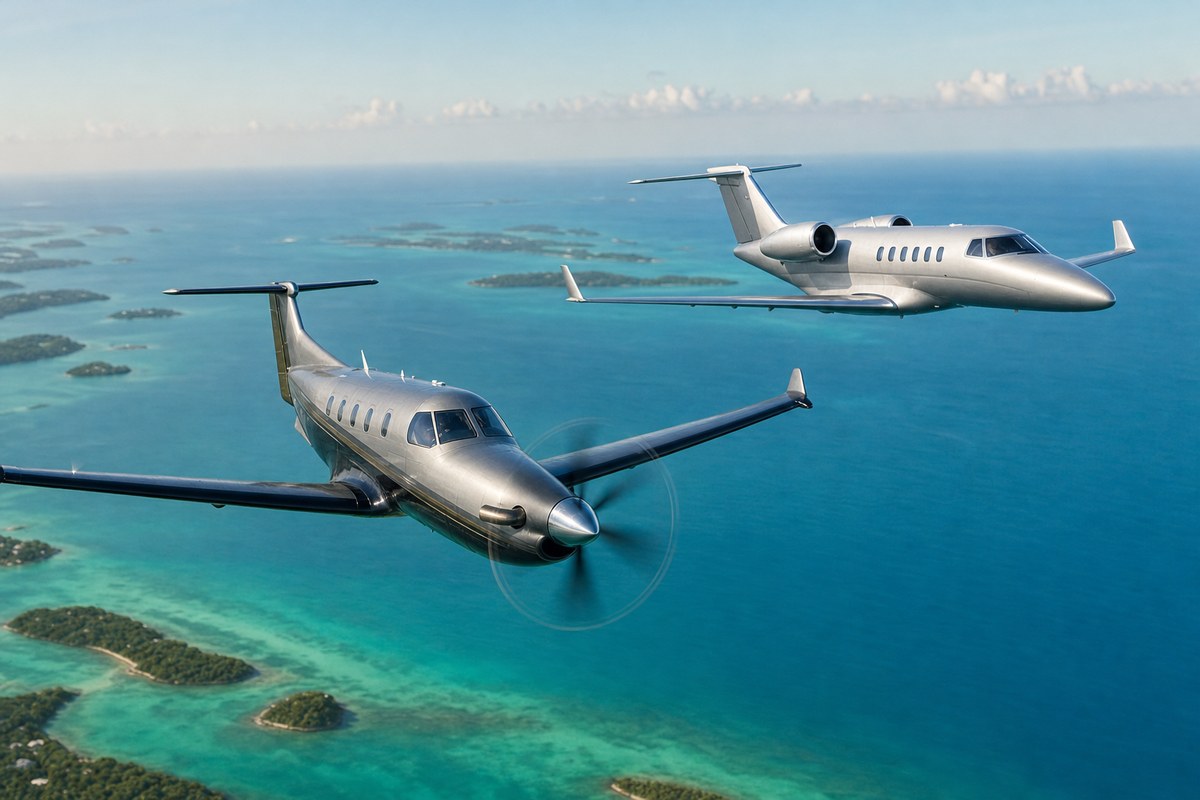
Typical fuel burn is given as about 66 gal/hr for the PC-12, 120 gal/hr for the King Air 350i, 150 gal/hr for the CJ3+ and 180 gal/hr for the Phenom 300E. Average cruise speeds are 290 knots, 312 knots, 416 knots and 464 knots respectively. For an owner flying 300 hours a year, direct variable expenses would be near $330,000 in a PC-12 versus more than $780,000 in a Phenom 300E, a difference of nearly half a million dollars before fixed crew and hangar costs.
On legs under 400 nautical miles, light jets spend a disproportionate share of flight time climbing and descending, and the block-time difference on a 350-nautical-mile trip between a King Air 350i and a CJ3+ is often under 15 minutes. Charter broker pricing summaries from FlightStratix indicate that paying a 40% to 60% hourly premium for a light jet on such hops yields negligible door-to-door savings. Beyond 800 nautical miles the jet's speed advantage grows: a Phenom 300E covers 800 nautical miles in just under two hours.
Light jets also cruise above 40,000 feet and fly at FL410 to FL450, above regional weather, whereas turboprops typically cruise between 25,000 and 30,000 feet, where turbulence and icing are more likely. The comparison lists further turboprop caveats: possible insurance and operating restrictions on single-engine types for commercial night or overwater flying in some jurisdictions, higher fuel burn on twins such as the King Air 350i that narrows their cost advantage over entry-level jets like the Citation M2, and recurring propeller blade inspection and governor overhaul costs that turbofan jets avoid.
Where each type pays off
The comparison concludes that for operators whose typical routes fall under 500 nautical miles, or who need access to short, unpaved or mountain airstrips, turboprops such as the PC-12 and King Air 350i offer most of a light jet's practical utility at a lower share of operating cost.
Missions over 800 nautical miles, or those requiring flight above severe weather, justify the higher acquisition and hourly costs of a light jet.
Industry impact & what to watch
The pattern here is one of crossover points rather than a single winner. Hourly cost is the number buyers see first, but the figure that drives value is cost per completed mission, and that depends on how much of a flight is spent at cruise. On short sectors the climb and descent phases dominate for every aircraft, which compresses the speed gap that justifies a jet's price; on long sectors the gap widens in the jet's favour. A fleet or ownership decision made on hourly cost alone therefore tends to misprice the trade in both directions.
The $330,000 versus more than $780,000 annual variable-cost spread at 300 hours is large enough to matter against fixed costs, but it is only one side of the ledger. Acquisition price, crew, hangar and insurance sit outside it, and the caveats on single-engine insurance terms and propeller overhaul cycles show where turboprop savings can erode. The twin King Air 350i illustrates the point: its heavier fuel burn narrows its advantage over entry-level jets such as the Citation M2.
For anyone testing the numbers against a real operation, the check is concrete: plot the actual trip-length distribution of the flying, then compare block times and per-trip cost at the stage lengths that dominate it, with weather exposure and local insurance conditions added as separate constraints.