Vietnam Pushes to Become Aviation Transit and MRO Hub as Prime Minister Asks Airbus to Study Maintenance Centers at Long Thanh and Gia Binh
Why It MattersVietnam's pitch shows how an aviation market with fast traffic growth but mostly outsourced maintenance can try to convert fleet expansion and new airport capacity into domestic MRO capability through OEM partnerships.
What happened
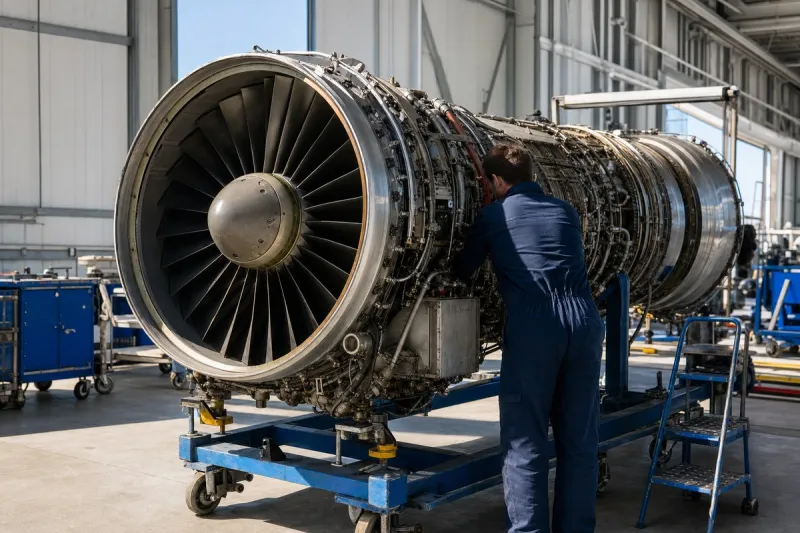
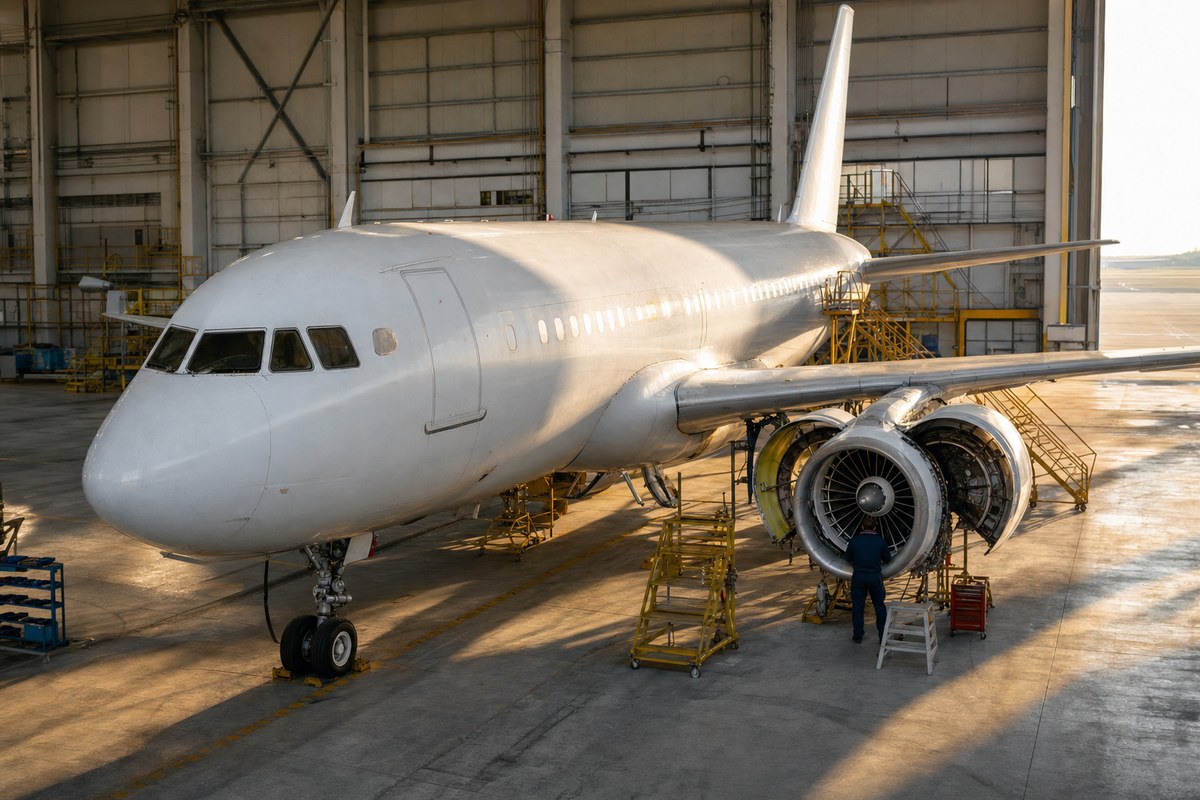
Prime Minister Le Minh Hung has asked Airbus to study the possibility of establishing world-class aircraft maintenance, repair and overhaul (MRO) centers in Vietnam, particularly in the Long Thanh and Gia Binh areas. He made the request in a meeting with Wouter van Wersch, International Executive Chairman of Airbus Group. Hung cited Vietnam's market of more than 100 million people with rapidly rising incomes and its need for fleet upgrades. Airbus representatives have previously forecast that Vietnam will need about 1,000 new aircraft over the next two decades.
The Vietnam Civil Aviation Authority reported that more than 110 million passengers passed through Vietnamese airports in the first 10 months of 2026, up over 10% year on year. That total included more than 16 million international and nearly 34 million domestic passengers. In the first nine months, passengers grew 12% and cargo more than 10%. By the third quarter of 2026, the Vietnamese-registered fleet reached nearly 280 aircraft, the largest ever.
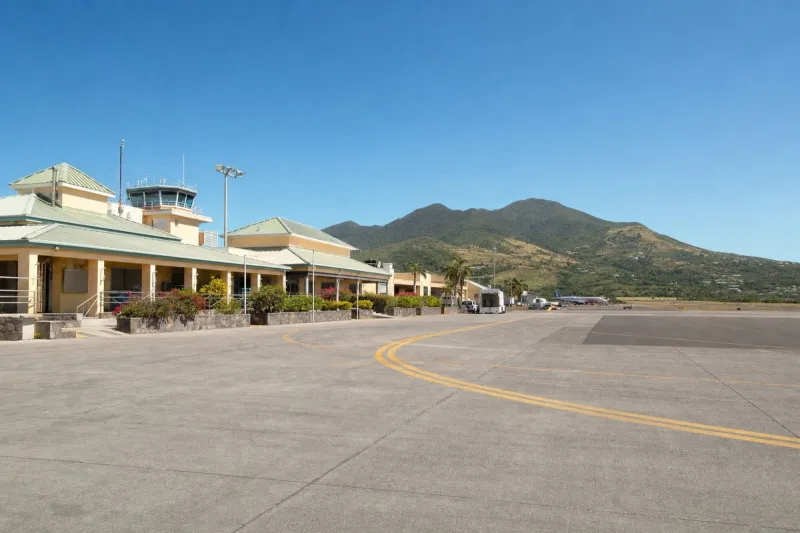
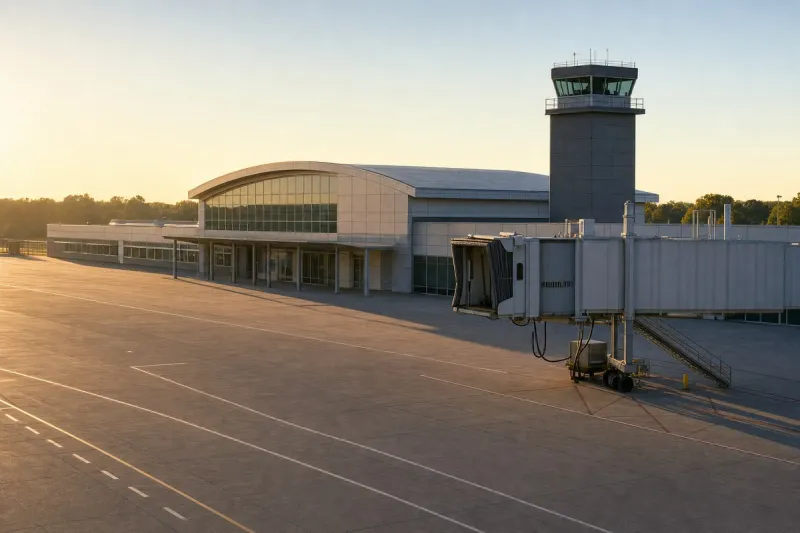
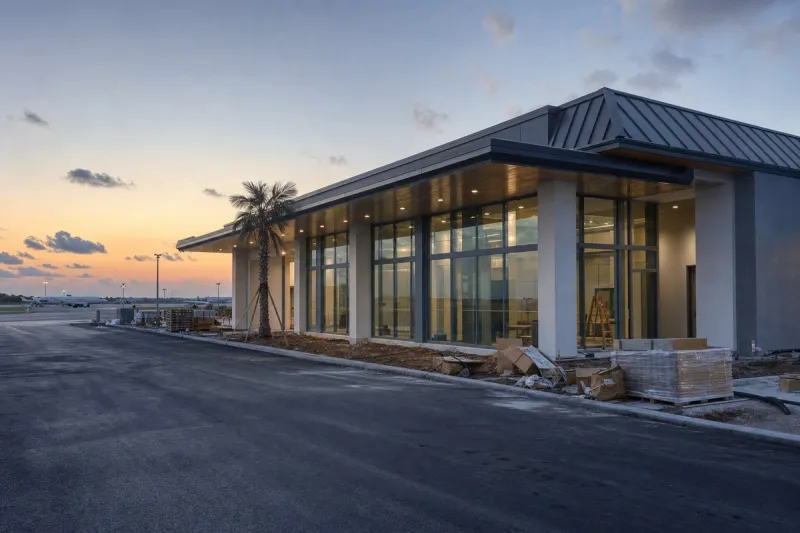
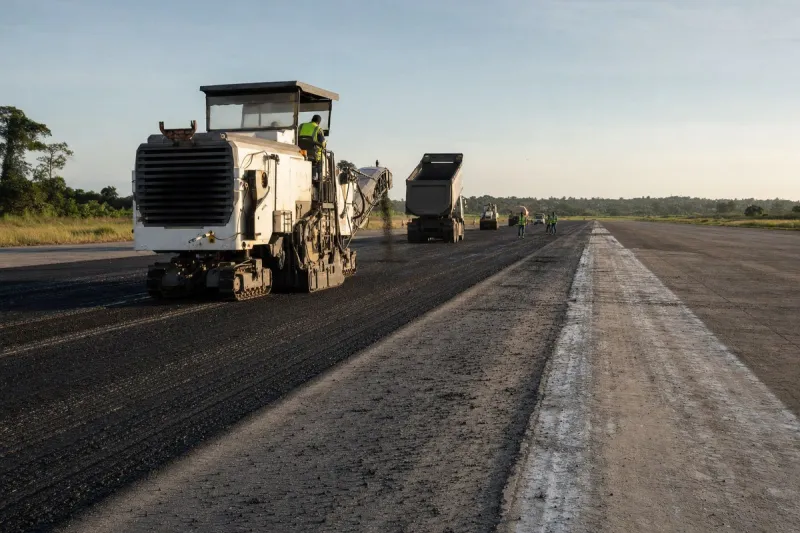
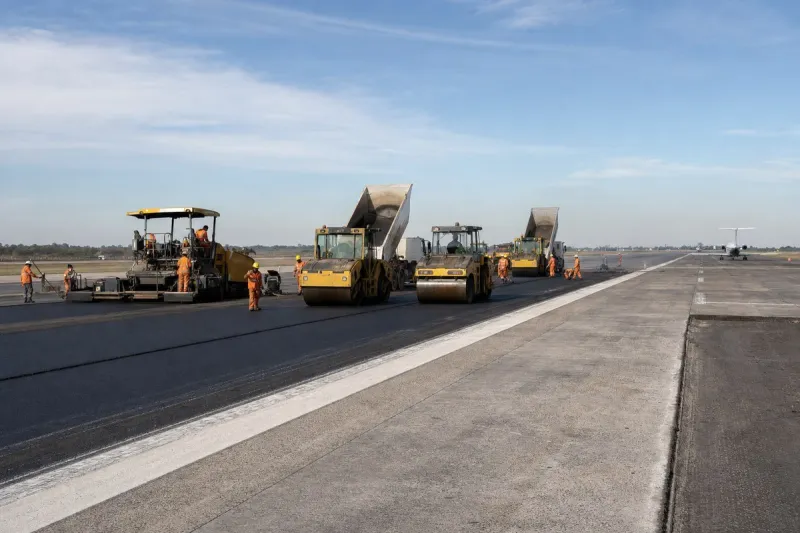
Long Thanh International Airport is just over a month from its official launch. It is designed for 25 million passengers and 1.2 million tons of cargo a year in phase 1, and aims for 100 million passengers a year. Gia Binh International Airport in the north is being developed alongside an industrial zone and high-tech logistics services. Phu Quoc International Airport has inaugurated a new runway, ready to serve events such as APEC 2027.
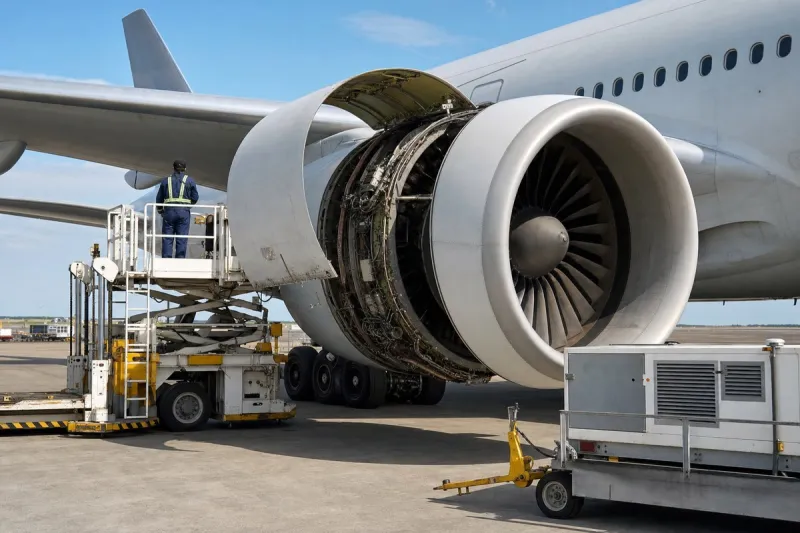
A report published on March 30 by the US International Trade Administration estimated Vietnam's 2024 MRO demand at about $654 million. Domestically served services were worth about $155 million, meeting roughly 23% of demand, with the rest outsourced abroad. VAECO, a Vietnam Airlines subsidiary, has performed major maintenance on Airbus A350-900 aircraft for Lufthansa after meeting European Aviation Safety Agency approval requirements and a direct client assessment. A planned MRO project at Van Don involving HAECO, Japan Airlines, Toyota Tsusho and Sun Group is also under way.
Industry impact & what to watch
The gap between the two MRO figures is the core of the story: demand of about $654 million against roughly $155 million served at home means most of the money spent on keeping Vietnamese aircraft airworthy leaves the country. Fleet growth to nearly 280 aircraft and a forecast need for about 1,000 more over two decades widen that gap unless local capacity grows with it. Asking an airframe manufacturer to study centers at new airports is a way of tying maintenance investment to the same expansion that creates the demand.
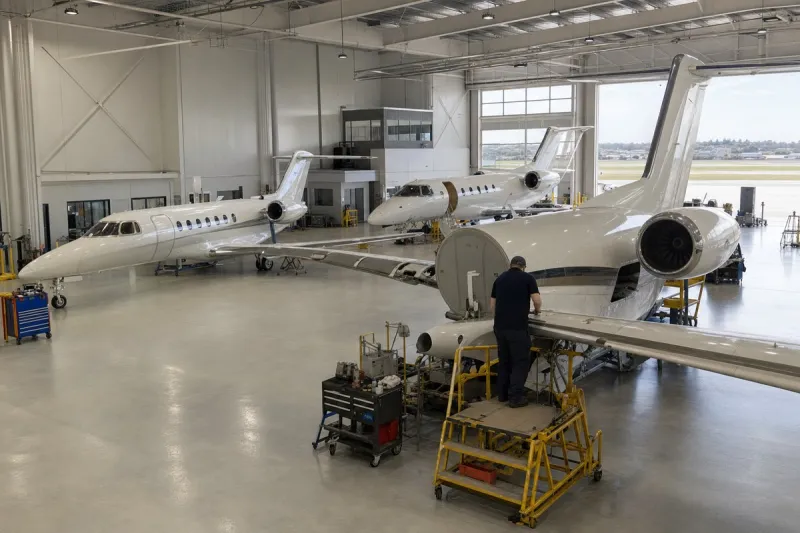
MRO capacity in a market like this depends on more than hangars. Regulatory approvals, customer audits and skilled labor decide whether a facility can win work from foreign carriers, which is the path VAECO followed with Lufthansa's A350-900 heavy checks after meeting European Aviation Safety Agency requirements and a direct client assessment. New sites at Long Thanh and Gia Binh would have to clear similar hurdles, and the airports' industrial and logistics zoning gives them space that older, congested airports lack.
The concrete milestones are the Long Thanh launch, just over a month away, and the Van Don project involving HAECO, Japan Airlines, Toyota Tsusho and Sun Group. Whether Airbus turns the prime minister's request into a formal study is the next signal on whether this stays a policy aspiration or becomes an investment decision.