Eve Air Mobility Says Cash Lasts Through 2028 as eVTOL Prototype Nears Full Transition Flight
Why It MattersCash runway that reaches the certification target without new capital, paired with prototype testing nearing full transition, shows how eVTOL developers are judged on funding cover against the certification schedule.
What happened
Eve Air Mobility (EVEX) said on its third-quarter 2026 earnings call that its cash resources should support operations through 2028 without new funding as it develops its electric vertical takeoff and landing (eVTOL) aircraft. The company reported a quarterly net loss of $58 million and cash consumption of $55 million. It ended the quarter with $356 million in cash and $471 million in total liquidity, including $114 million in undrawn standby credit loans. For the first nine months of 2026, cash consumption was $174 million and the net loss was $161 million.
Chief Financial Officer Eduardo Siffert Couto said Eve and Embraer have identified $100 million to $150 million in potential savings through certification, of which about $50 million had been captured in 2026. Full-year cash consumption is now expected near the low end of the $225 million to $275 million guidance range. He said the savings have not affected the development or certification timeline, and that he expects R&D spending around $50 million per quarter and cash burn near current levels next year, even as the six prototypes are assembled.
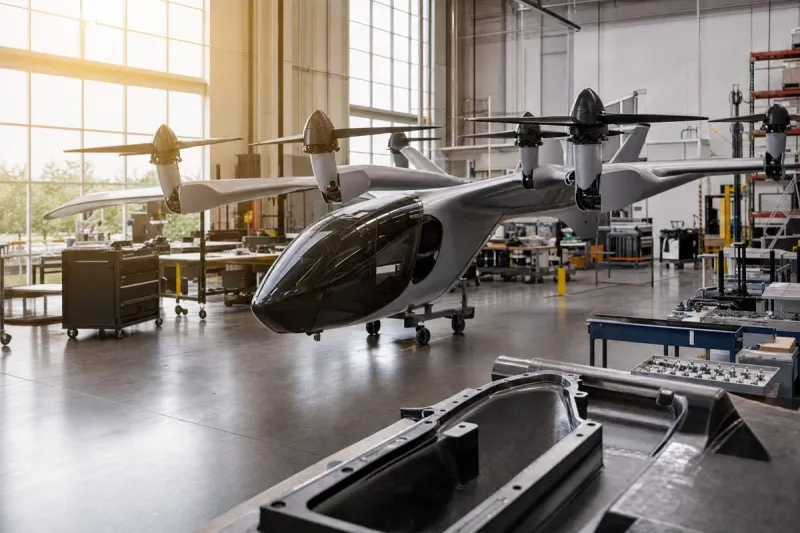
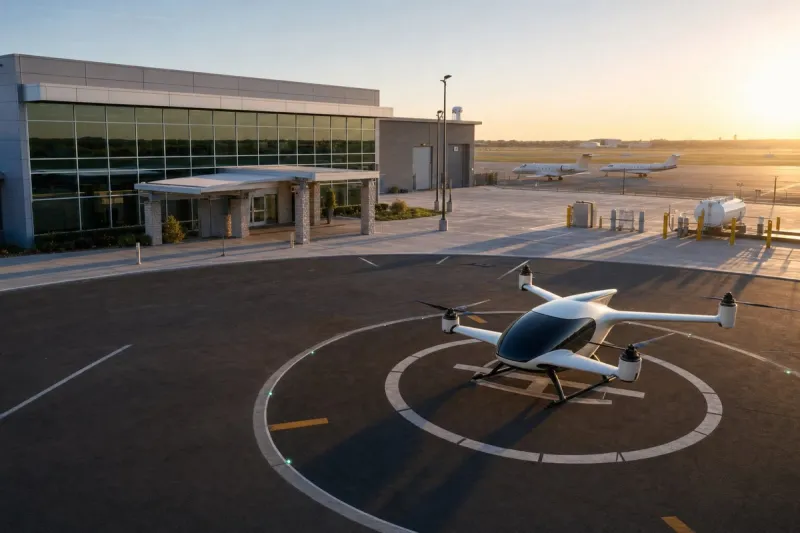
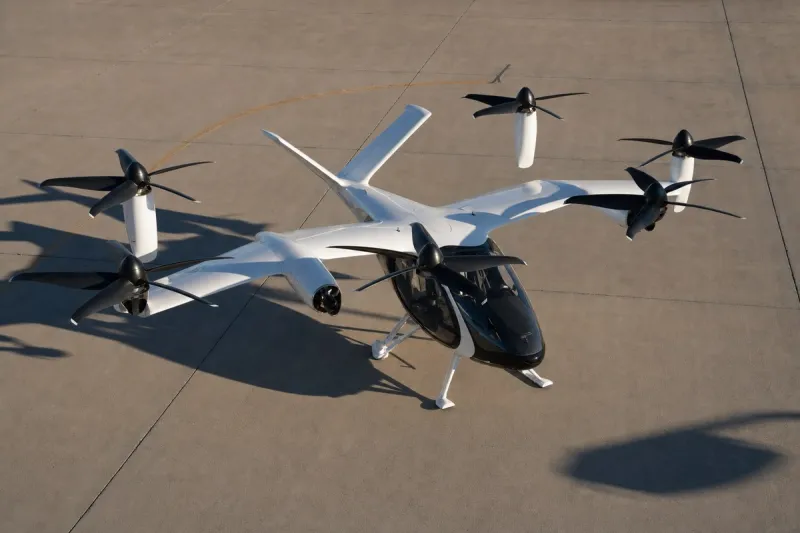
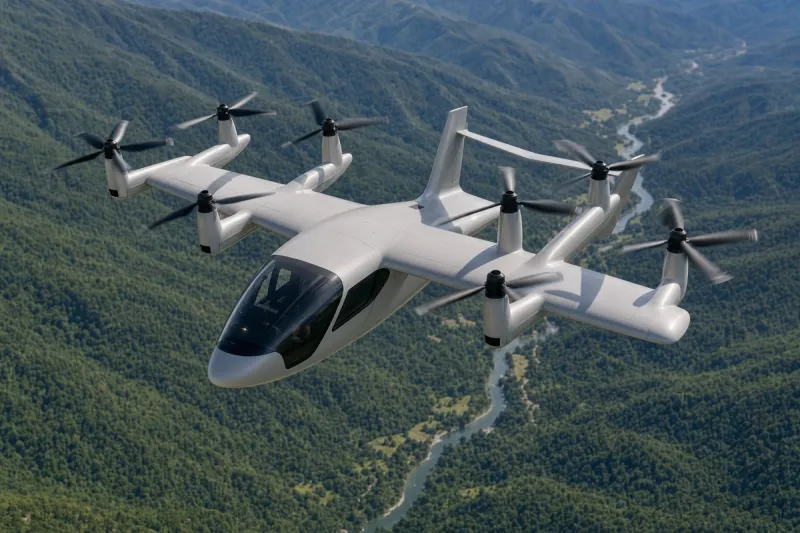
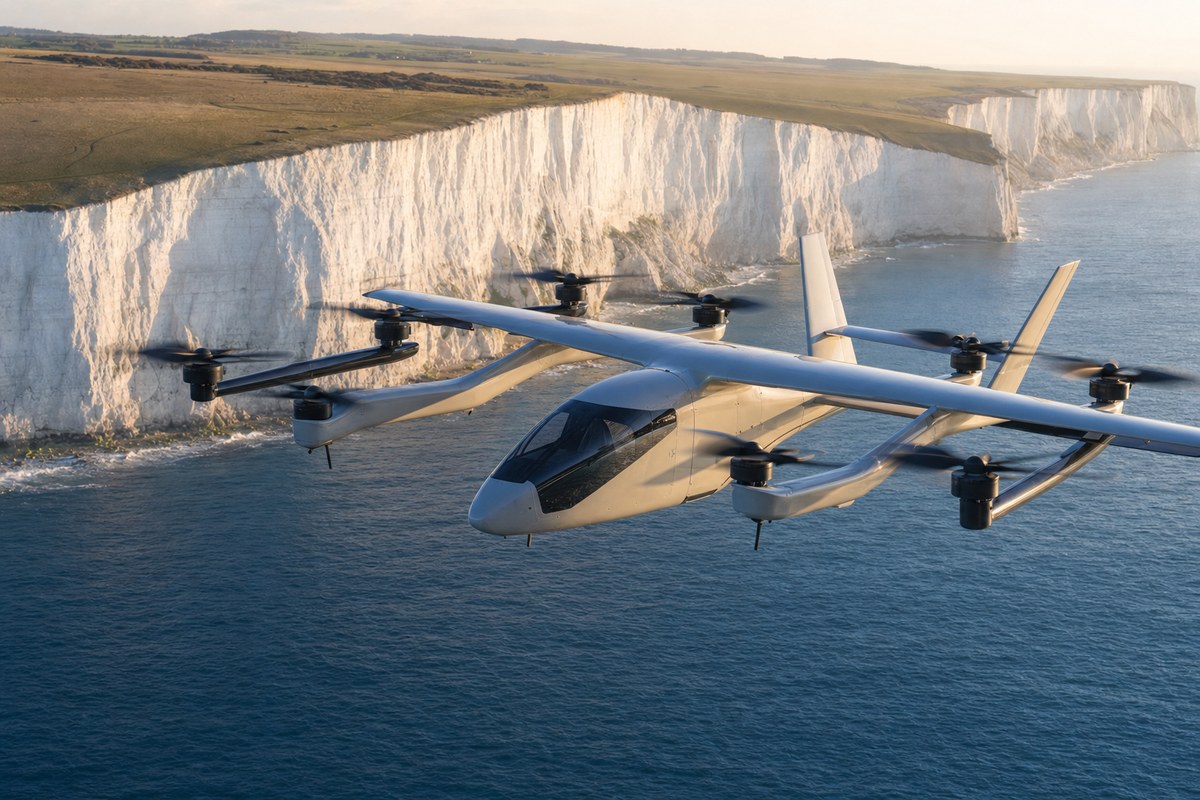
Chief Executive Officer Johann Bordais said the engineering prototype has completed 73 flights, logging three hours and six minutes of airtime. It reached 45 knots (about 52 mph) during partial transition testing with both the pusher and lifters operating, and the next phase targets a transition speed of about 100 knots. Eve is eight to 10 flights from full transition, plans its first full transition flight before year-end, and has validated 170 of 185 planned engineering test points. The company also reported successful containment of a battery pack thermal runaway event during component testing.
Eve plans to begin assembling the first of six conforming prototypes early next year, with the next piloted prototype flight expected in the second half of 2027. Chief Flight Prototype Engineer Marcelo Basile said the six aircraft are intended to support certification by the end of 2028, that detailed design standards were 99% complete, and that Brazilian regulator ANAC representatives will witness testing at Gavião Peixoto.
Eve signed an agreement with Brazilian regional operator FlyBIS for two firm orders and options for 10 more, with a potential value of $60 million. Total pre-order backlog is about 2,500 aircraft, valued at about $12.6 billion at list price. Couto said the focus is converting letters of intent into firm contracts and payments. The planned Brazilian production facility will have initial annual capacity of 120 aircraft, expandable in stages to about 500, with investment expected to rise toward the end of 2027 and into early 2028.
Industry impact & what to watch
For eVTOL developers, the gap between pre-revenue spending and certification is the central constraint, and a stated runway that reaches the certification target without a new raise changes how that gap is read. Eve's runway runs through 2028 and its stated certification goal is the end of 2028, so the two lines meet at the same point. The cost-savings programme with Embraer is the lever that makes the arithmetic work, and management says it has not touched the timeline.
The backlog illustrates a second feature of this segment. A pre-order book of about 2,500 aircraft at list price is a statement of interest, and Couto's own framing, converting letters of intent into firm contracts and payments, acknowledges that the firm portion is far smaller. The FlyBIS deal, with two firm orders and ten options, shows the typical proportion between firm commitments and options at this stage of the market.
The dated milestones are the ones management itself set: a first full transition flight before year-end, the start of conforming prototype assembly early next year, and the next piloted prototype flight in the second half of 2027. Whether the transition speed climbs from 45 knots toward the roughly 100-knot target within the eight to 10 flights quoted will be the first test of the schedule.