Qantas Project Sunrise A350-1000ULR to Fly With 18 Crew, Including Four Pilots, on 22-Hour Flights
Why It MattersUltra-long-haul nonstop flying turns on crew fatigue science and rest-rotation agreements as much as on aircraft range, and a 238-seat cabin shows how far seat density gives way to payload-range economics.
What happened
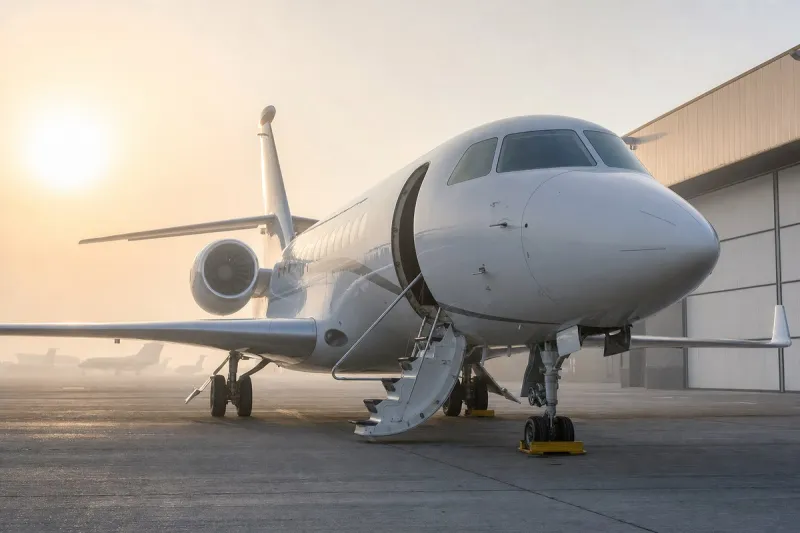
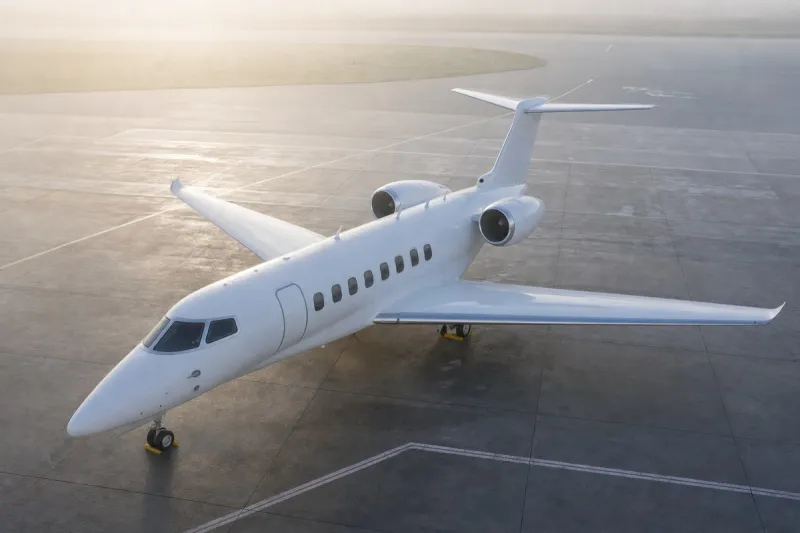
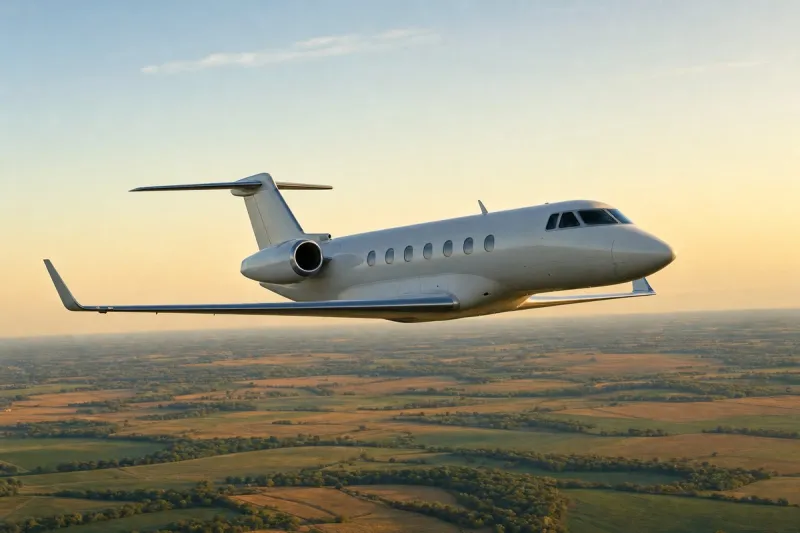
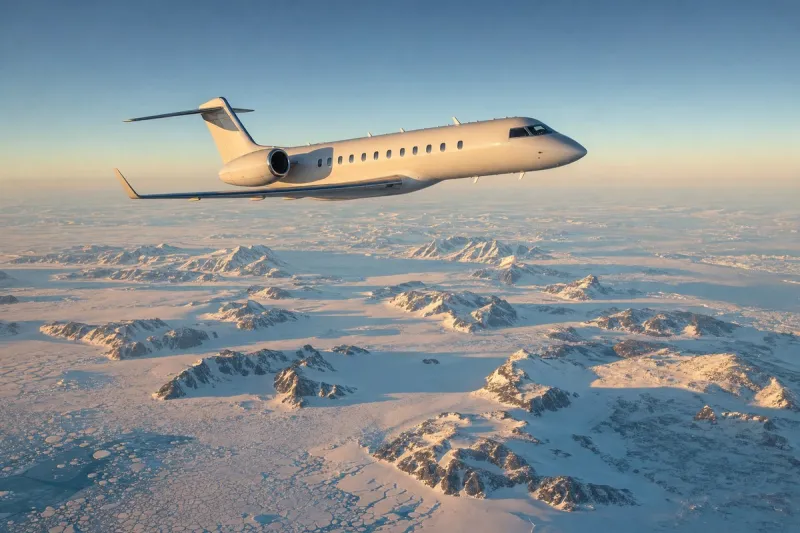
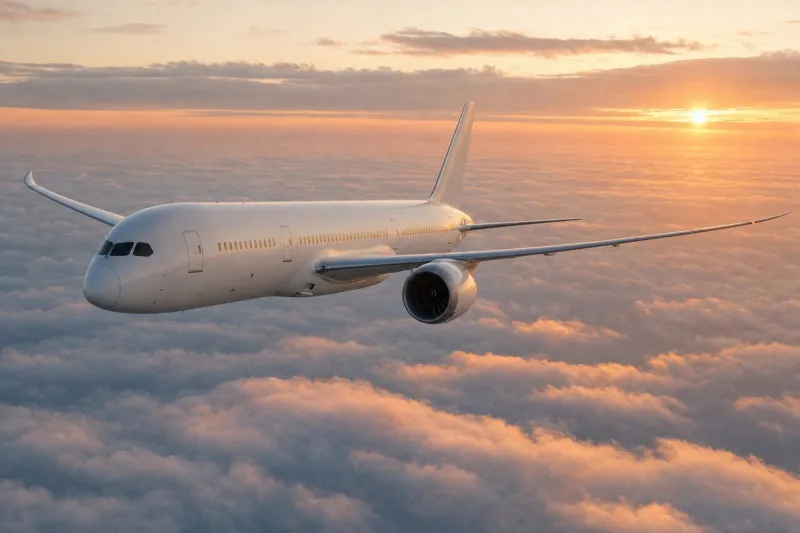
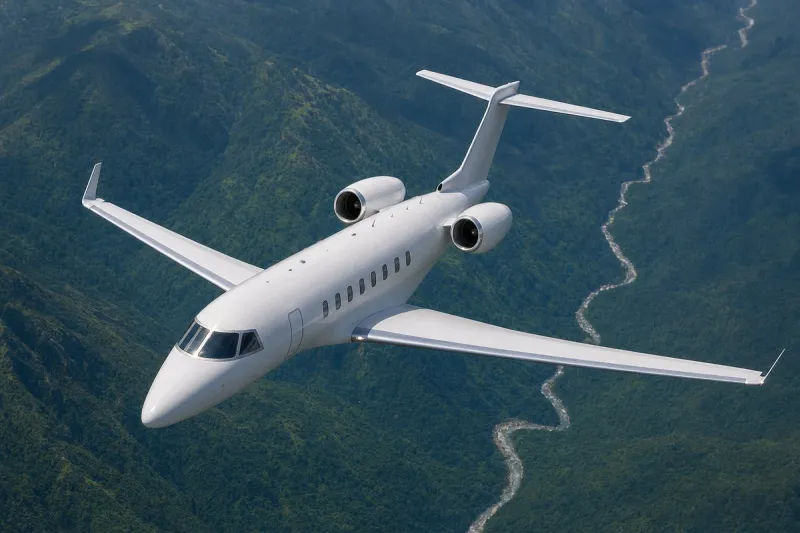
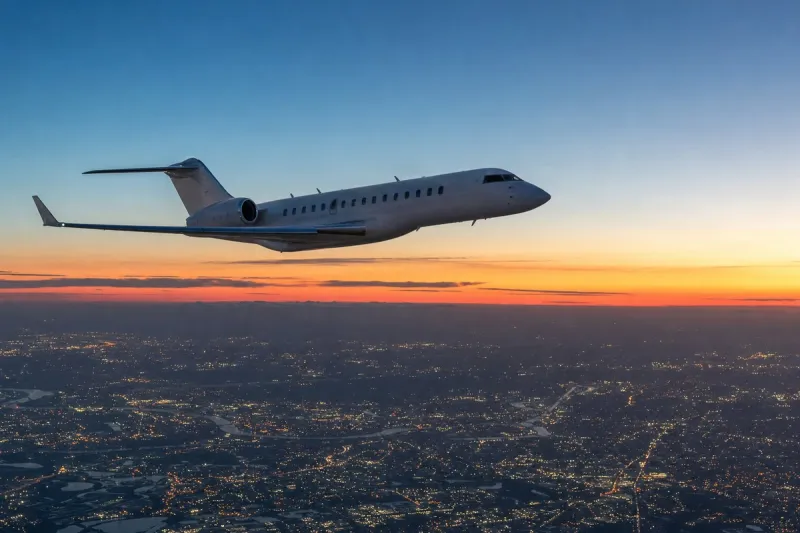
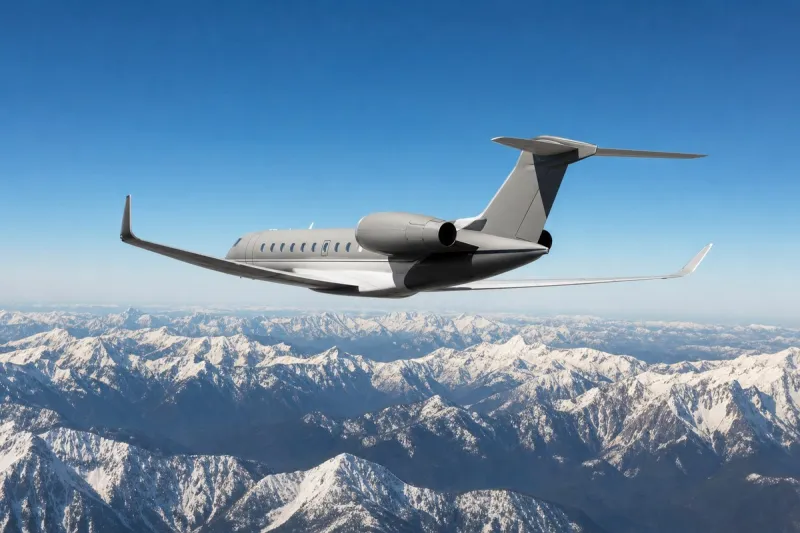
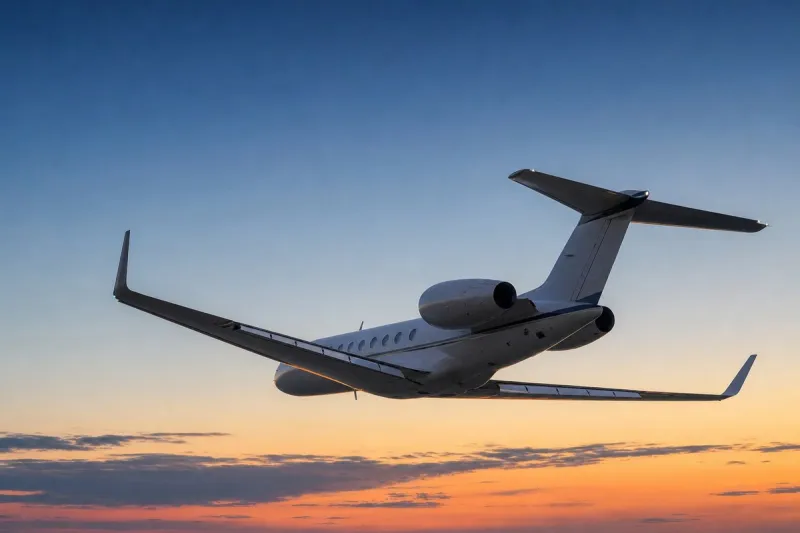
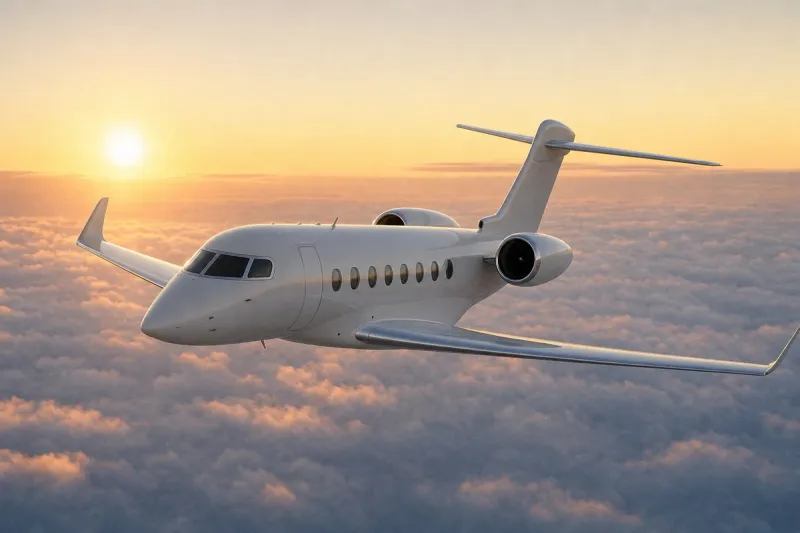
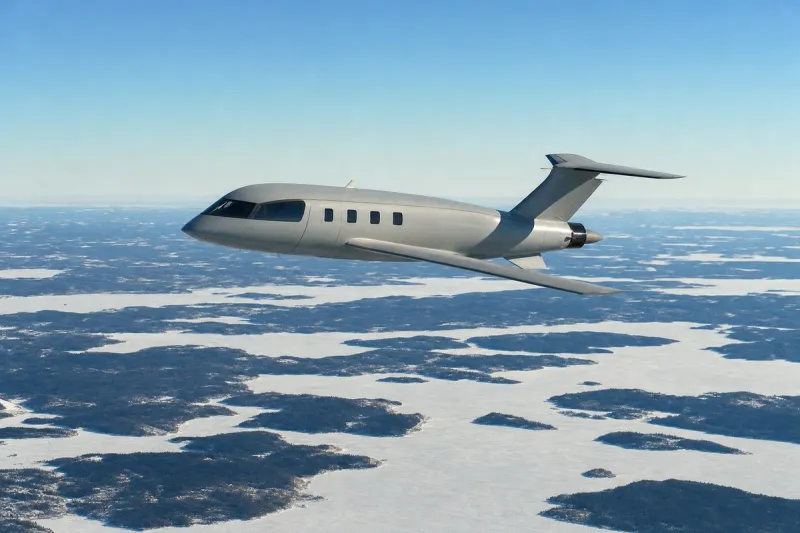
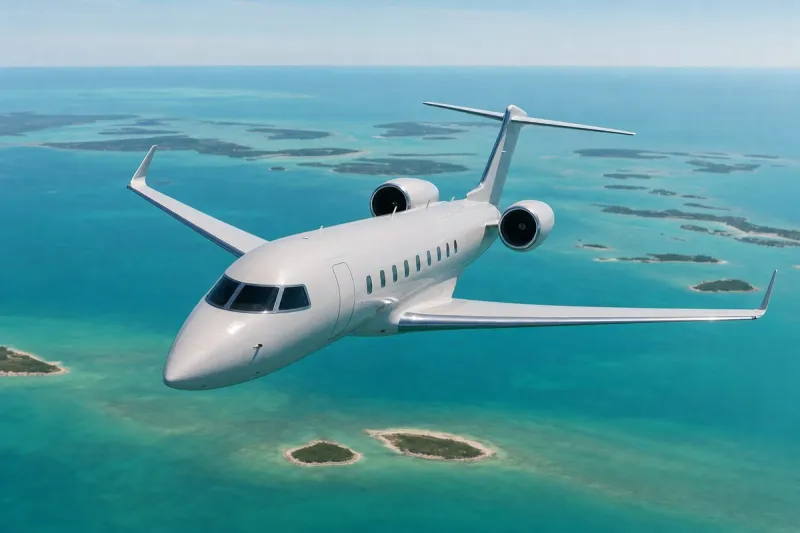
Qantas Airways plans to start its Project Sunrise ultra-long-haul service in October 2027 with a special Airbus A350-1000ULR, with 18 crew members on every flight. The first route, Sydney–London, spans close to 9,200 nautical miles (17,038 km) and would be the longest scheduled passenger service in the world, with flights of about 22 hours. It would remove stops on the Kangaroo Route for the first time since 1947.
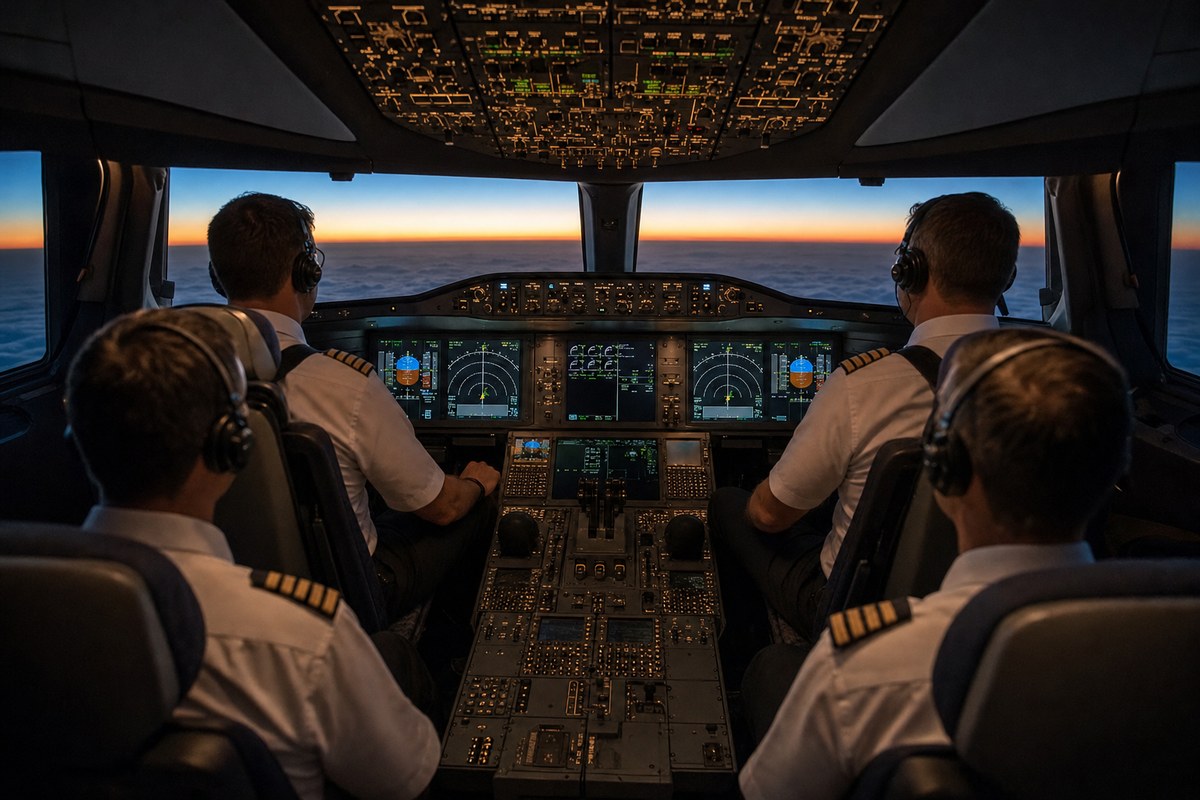
The flight deck will carry four pilots: two captains and two first officers, with no junior second officers. Qantas negotiated an agreement with the Australian and International Pilots Association to mandate this arrangement. The pilots split into two two-pilot teams that rotate between duty and rest, with the off-duty pair sleeping in an overhead crew rest area. The union had argued in early planning for three pilots, each qualified to land the aircraft, on flights of about 20 hours. Qantas's chief medical officer insisted from 2024 that the airline start with a more conservative crewing approach.
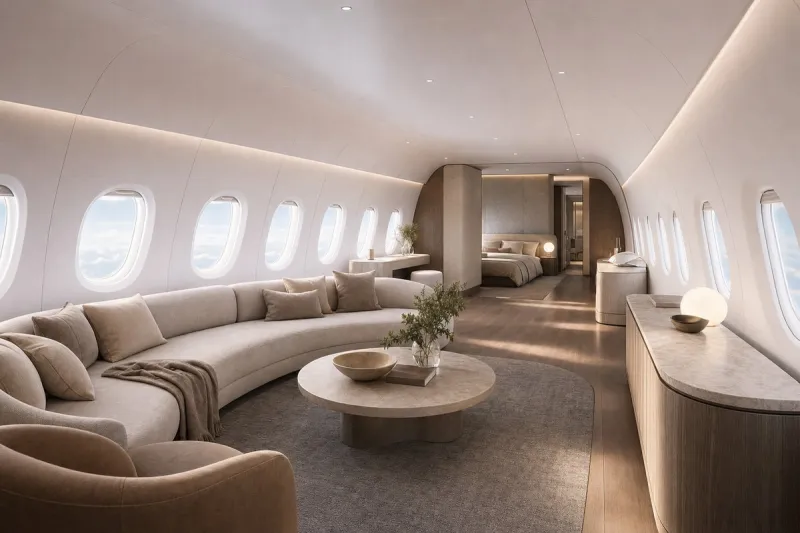
The aircraft will seat 238 passengers, against roughly 350 to 410 on a standard A350-1000: 6 first class suites, 52 business class seats and 40 premium economy seats. It will have the largest cabin crew complement of any twinjet in the Qantas fleet. Qantas worked with researchers at the University of Sydney's Charles Perkins Centre, aviation unions and Airbus on the crewing design.
Qantas has run research flights of 19 to 20 hours on its Boeing 787-9 fleet, with Monash University researchers tracking pilot alertness and the Charles Perkins Centre studying passengers. Changes to cabin lighting and meal timing improved post-flight recovery. From July 23 to 28, Airbus flew prototype MSN707 with six test pilots on a Toulouse–Melbourne round trip, staying airborne 24 hours and 23 minutes on the return. The test confirmed that the 5,283-gallon (20,000-liter) Rear Center Tank can deliver the required range without a payload penalty.
Timeline and route plans
Qantas hopes to receive its first A350-1000ULR, nicknamed 'Vega', in April next year and must complete a proving campaign with Australia's Civil Aviation Safety Authority. Ticket sales are expected to begin in February.
Sydney–New York is planned for mid-2028. Qantas has dropped references to direct Melbourne–London and Brisbane–London flights from its short-term plans.
Industry impact & what to watch
Project Sunrise shows that flights approaching 22 hours are being solved as a crewing and human-factors problem as much as an aircraft-range one. A four-pilot flight deck with two rotating teams, a union-agreed mandate and years of fatigue research on 19-to-20-hour flights suggest that the binding constraint on ultra-long-haul nonstops is how long people can operate safely, not only how far the aircraft can fly. Operators weighing similar routes will find that crew agreements and medical sign-off set the schedule as much as delivery slots do.
The cabin tells a similar story about economics. Seating 238 passengers where a standard A350-1000 carries roughly 350 to 410 means the airline is trading seat count for premium space and range. That model depends on a high share of premium revenue, and it works only if the aircraft can carry the fuel for the full distance without a payload penalty, which is what the Rear Center Tank test addressed.
The next dated milestones are the delivery of the first aircraft in April, the proving campaign with Australia's Civil Aviation Safety Authority, and the start of ticket sales in February. Those steps will show whether the October 2027 launch holds.