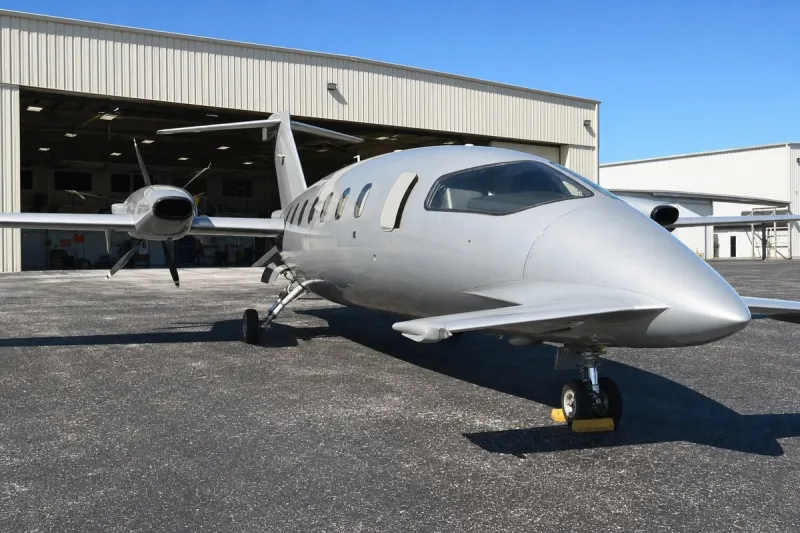
Learjet 60 Crash in Florida Kills Nine as Recent US Accidents Renew Aviation Safety Scrutiny; General Aviation Fatal Rate Fell to 0.68 in FY 2024
Why It MattersBack-to-back high-profile crashes sharpen scrutiny of charter operators and third-party carriers even as general aviation fatal-accident rates improve, pushing buyers and brokers to weigh operator oversight over headline statistics.
What happened
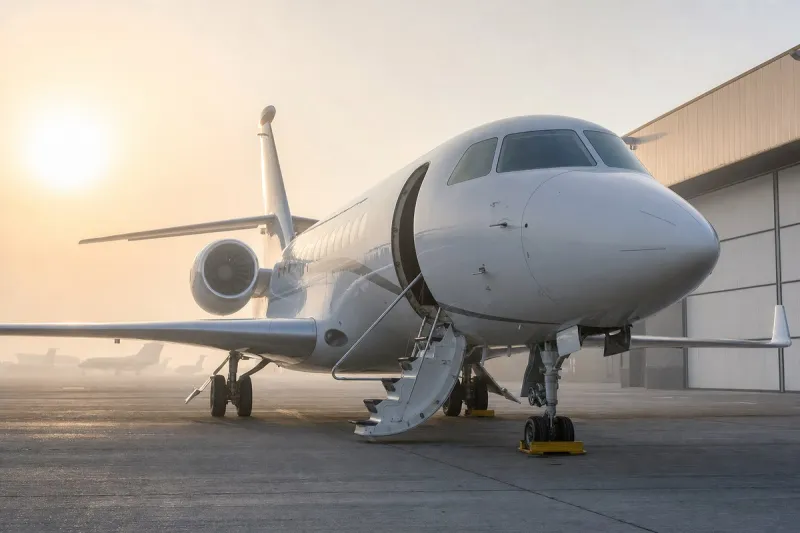
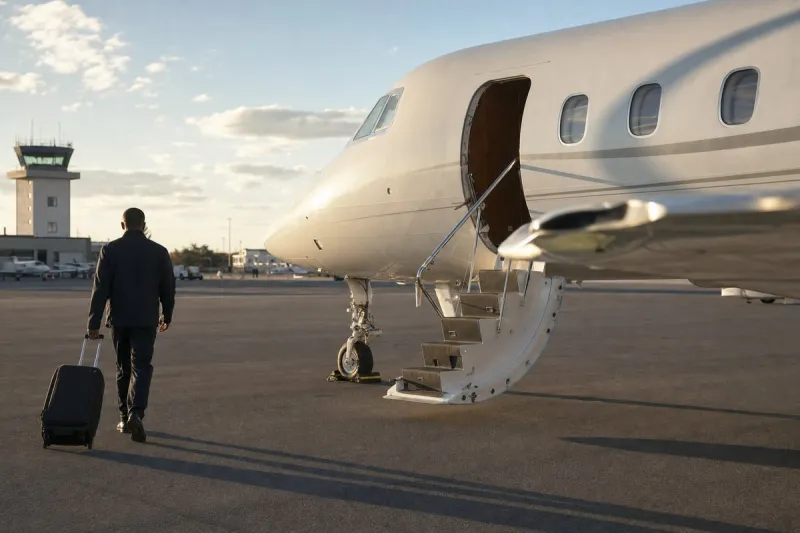
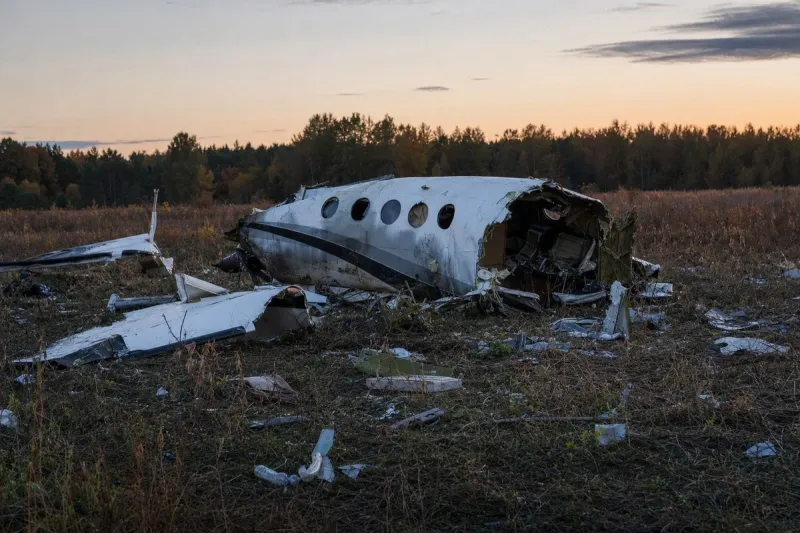
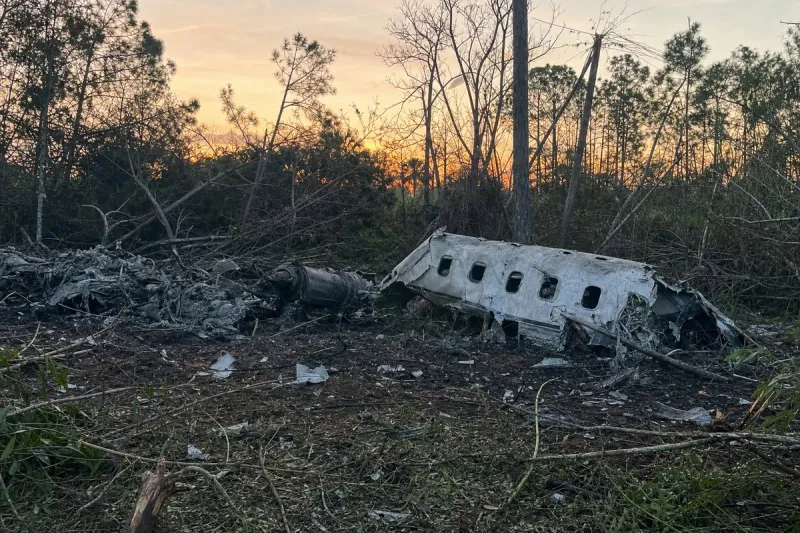
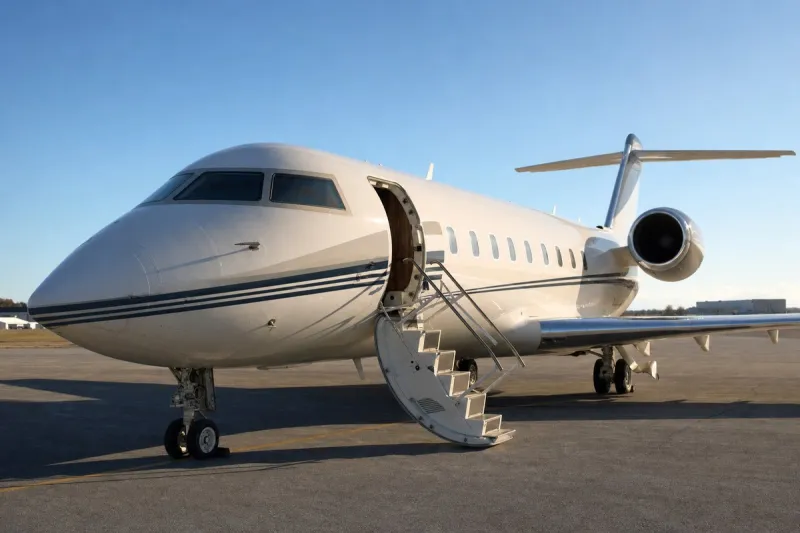
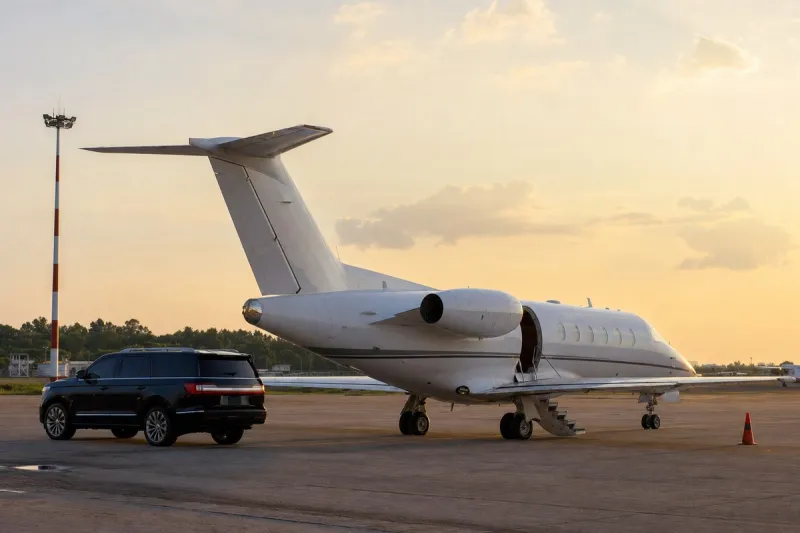
A Learjet 60, registration N722BD, crashed in Florida and nine people were killed. The aircraft was operated by Aurora Aviation, doing business as Upper Jet, and had departed Austin, Texas, for North Eleuthera Airport in the Bahamas. It left Austin-Bergstrom at roughly 10:37 a.m.

The crew reported light clear icing, moderate turbulence and precipitation, then requested a climb to Flight Level 370. Within 30 seconds the aircraft began an uncontrolled descent; an overspeed warning sounded, followed by a Mayday call. The aircraft fell roughly 27,000 feet in about one minute before radar tracking stopped, and wreckage struck near Military Trail and Cresthaven Bo…
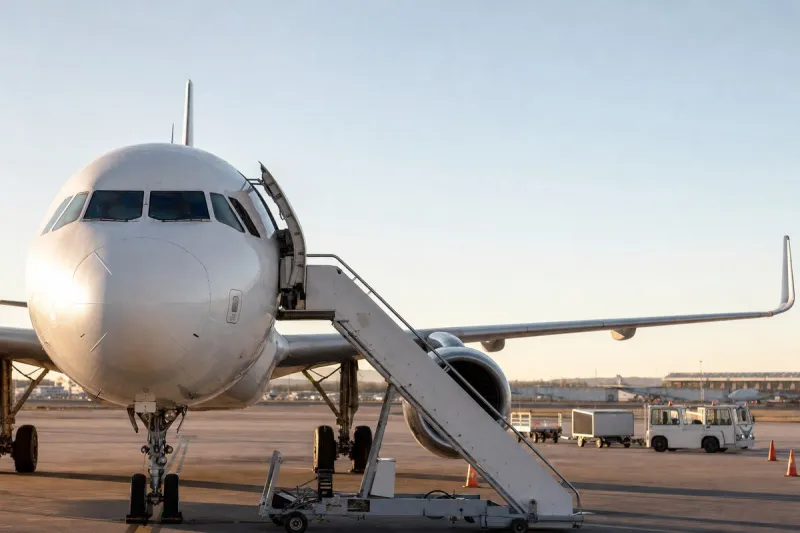
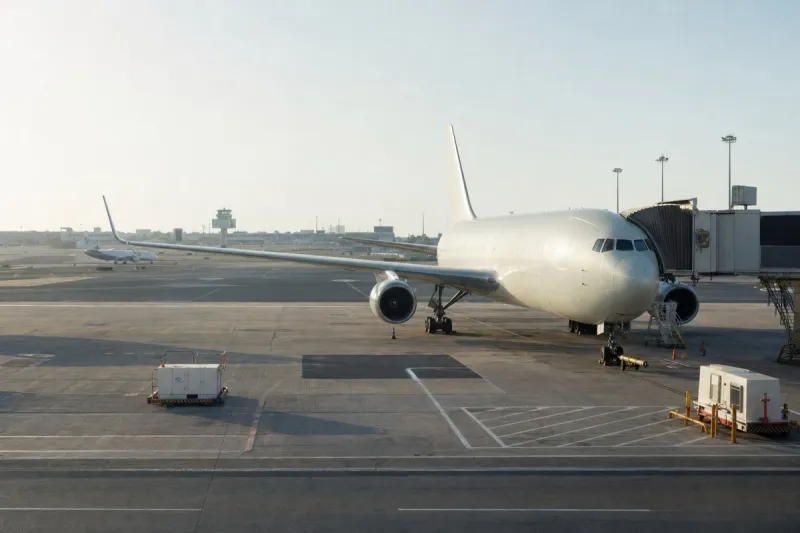
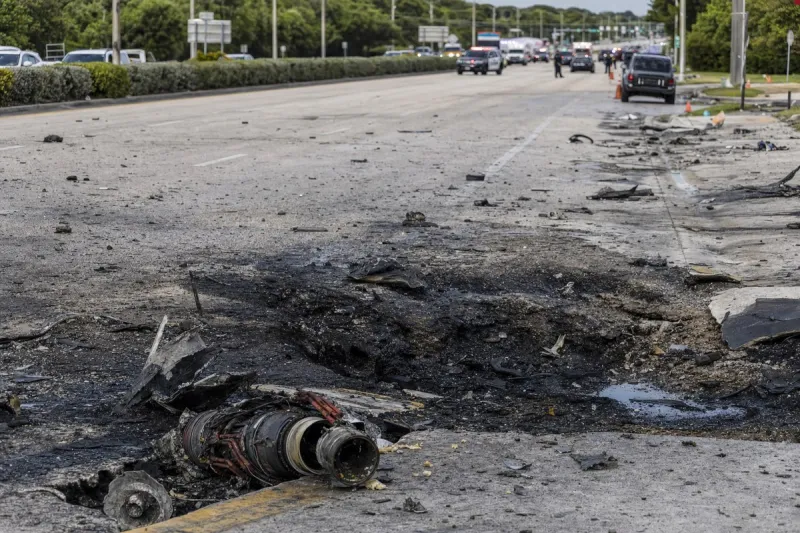
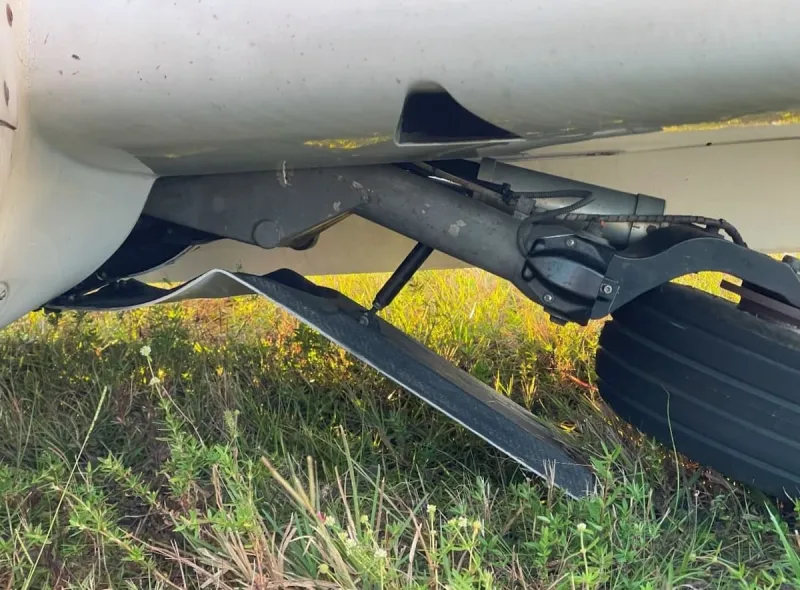
A second event involved a cargo jet overrun in Miami. Five people on the ground were killed and another was seriously injured. The aircraft, operated by 21 Air under contract to Amazon, was arriving from San Juan, Puerto Rico. The NTSB preliminary report says it crossed the runway threshold at approximately 177 knots, above the target speed, and touched down roughly 3,750 feet beyond the threshold.
The freighter broke through the airport perimeter fence and struck at least two vehicles on a public road; a woman in an SUV was seriously injured. The two-person flight crew received minor injuries.
On the statistics side, the FAA recorded a general aviation fatal accident rate of roughly 0.93 per 100,000 flight hours in FY 2022, falling to about 0.68 in FY 2024, the lowest since tracking began in 2009. General aviation has a higher accident rate per flight hour than scheduled airlines.
Industry impact & what to watch
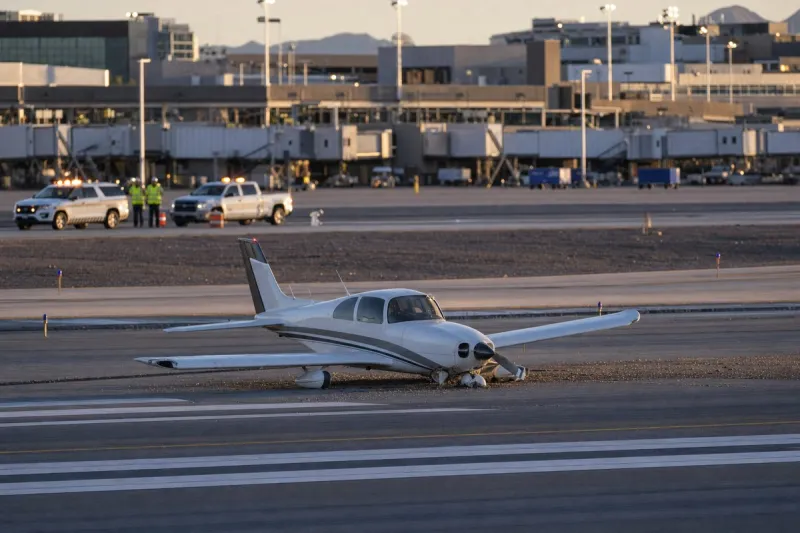
The two events sit at opposite ends of the operating spectrum: a business jet lost in a high-altitude upset, and a contracted freighter that ran off the end of a runway into a public road. Both put third-party and contract operators in the spotlight, because the party flying the aircraft is often not the party the customer or shipper dealt with. In charter, where brokers and marketplaces sell flights that certified carriers actually operate, that gap between seller and operator is central to how safety accountability is judged.
The improving general aviation fatal rate and the recent crashes do not contradict each other. A rate per 100,000 flight hours describes the whole fleet over a fiscal year, while a single accident with nine fatalities shapes public perception far more strongly. Buyers of charter lift tend to respond to the latter, so operator certification, crew experience and aircraft maintenance records become the points a customer is expected to verify, not the aggregate trend.
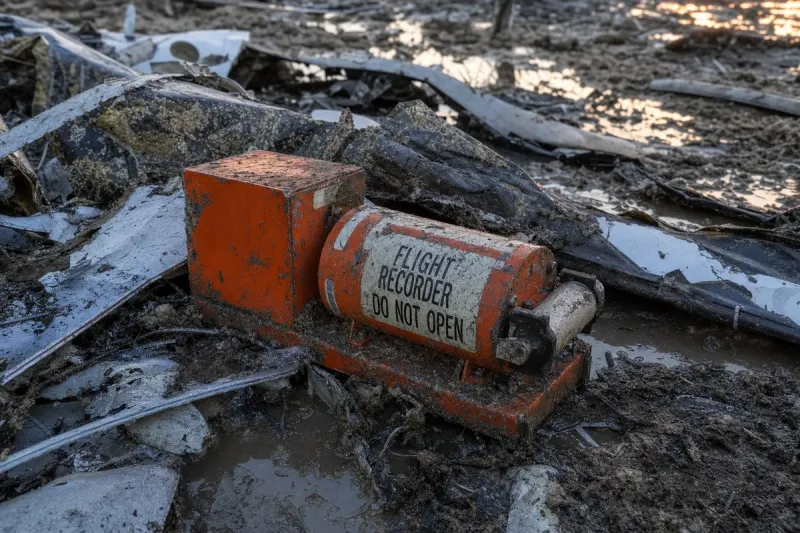
The next concrete marker is the NTSB process. Investigations can take 12 to 18 months and may produce recommendations for operators and manufacturers, so findings on both the Florida Learjet and the Miami overrun are likely to arrive well after the current wave of attention has faded.