Japan's Charter Jet Market Projected to Grow at 8.20% Annually, Constrained by Pilot Shortages and Airport Limits
Why It MattersJapan's charter segment is growing on demand while capacity, not appetite, sets the ceiling, so crew availability, airport access and operating cost shape which operators can actually expand.
What happened
Japan's charter jet service market is projected to expand at a compound annual growth rate of 8.20% over the next several years, as the market goes through structural change driven mainly by corporate demand.

Traditional customers have been executives of large manufacturers, financial institutions and foreign-affiliated firms flying between Tokyo, Nagoya, Osaka and major Asian cities. Since the COVID-19 period, wealthy individuals and small-business owners have increased their use of charter flights as a way to avoid crowded travel. Charters are also drawing attention as a way to avoid delay risks on bullet-train and airline routes and to improve access to regional airports.
Demand is supported by relaxed operating-hour limits for business jets, more flexible airport slots and a rising number of foreign business visitors to Japan. Growth is held back by shortages of pilots and mechanics, persistently high operating costs and insufficient airport capacity, with operating constraints especially evident at regional airports. Tighter environmental regulations create demand to replace aircraft with more fuel-efficient models, but the upfront investment is a barrier.
The main uses of charter jets are business travel, leisure and luxury travel, medical and emergency transport, government and diplomatic travel, sports, entertainment and events, cargo and time-critical logistics, and corporate shuttle and commuter services. Business travel is described as a mature market, with steady demand for Tokyo–regional city trips and visits by international investors. Leisure and luxury travel is a growth area, with rising popularity for access to resort destinations such as Hokkaido and Okinawa. Medical and emergency transport is also growing.
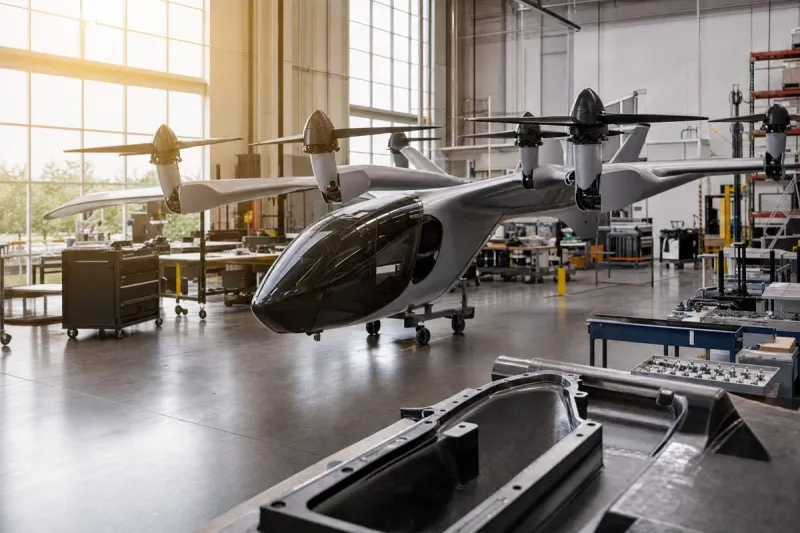
The growth outlook rests on two drivers: growing private-travel demand among high-income inbound visitors, and a shift toward more efficient travel in domestic business demand. Supply-side constraints, including chronic pilot shortages, airport congestion and high operating costs, are expected to strongly influence the outlook. Fuel-efficiency improvements and infrastructure development, including urban vertiports and helicopter use, will shape convenience and price competitiveness.
Industry impact & what to watch
A market growing at 8.20% a year while hitting limits on crew, airport capacity and cost is one where supply, not demand, decides who captures the growth. In Japan, pilots and mechanics cannot be added as quickly as bookings, and slot availability at constrained airports caps how many flights any operator can schedule, however strong the inquiry volume.
The demand mix also matters. A mature business-travel base provides steady volume, while leisure access to resort destinations and medical transport are the segments described as growing. Operators with crew and aircraft already in place are positioned to take that incremental work; those that must first recruit or re-fleet carry the upfront cost the environmental rules push toward.
The items that would show whether the projection holds are concrete ones: further relaxation of operating hours and slot rules, progress on urban vertiports and helicopter access, and whether regional airports can lift their operating constraints so demand outside the major cities can be served.