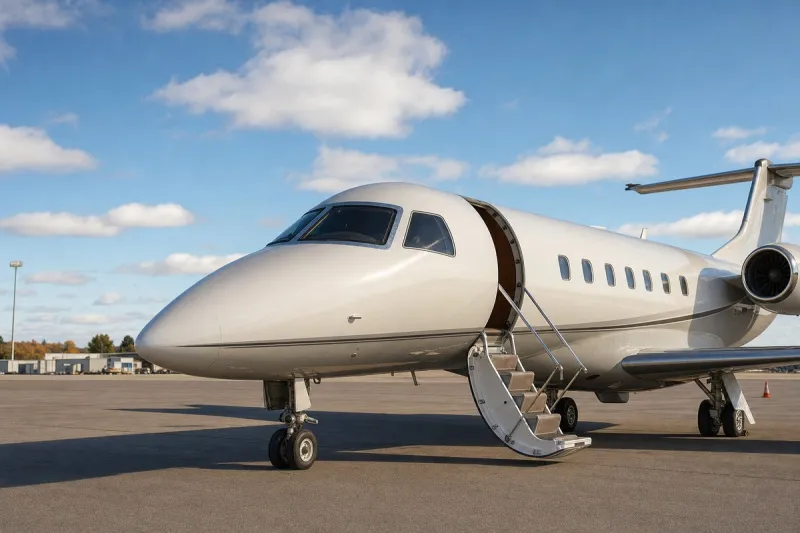
US Airports Replace Regional-Jet Gates and Concourses With Capacity for Larger Mainline Aircraft
Why It MattersTerminal capital is shifting toward fewer, larger-aircraft gates, which ties airport investment to mainline fleet plans and leaves smaller regional-jet operations exposed as the older, smaller facilities are removed.
What happened
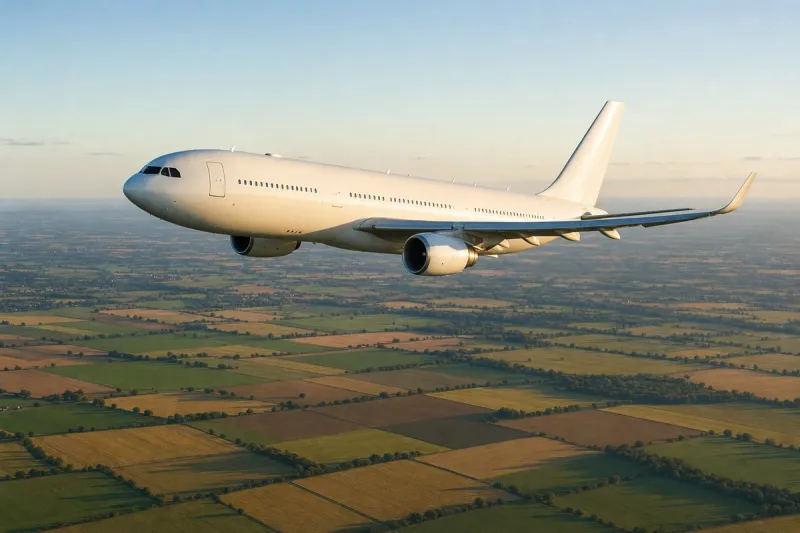
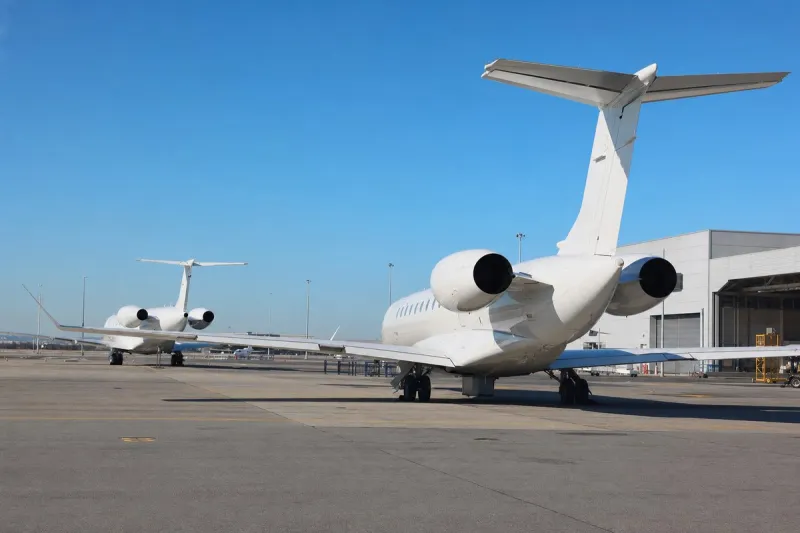
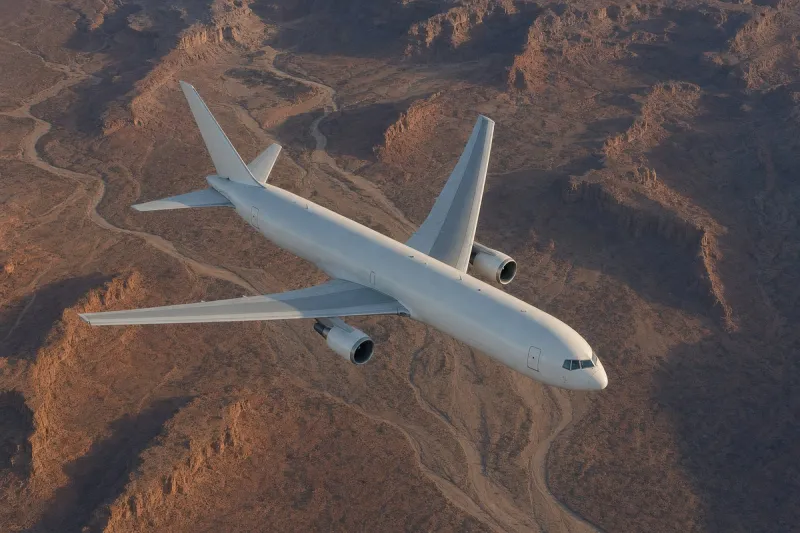
Airports across the United States are rebuilding or scaling down facilities designed for regional jets to better handle larger aircraft such as the Boeing 737 and Airbus A320 family. Airlines continue to retire aging 50-seat regional jets, while Airbus and Boeing maintain substantial backlogs for their narrowbody families. The U.S. Government Accountability Office cites low-cost carriers, pilot shortages, air traffic control shortages, airport congestion and airlines' drive for efficiency as reasons behind the trend.
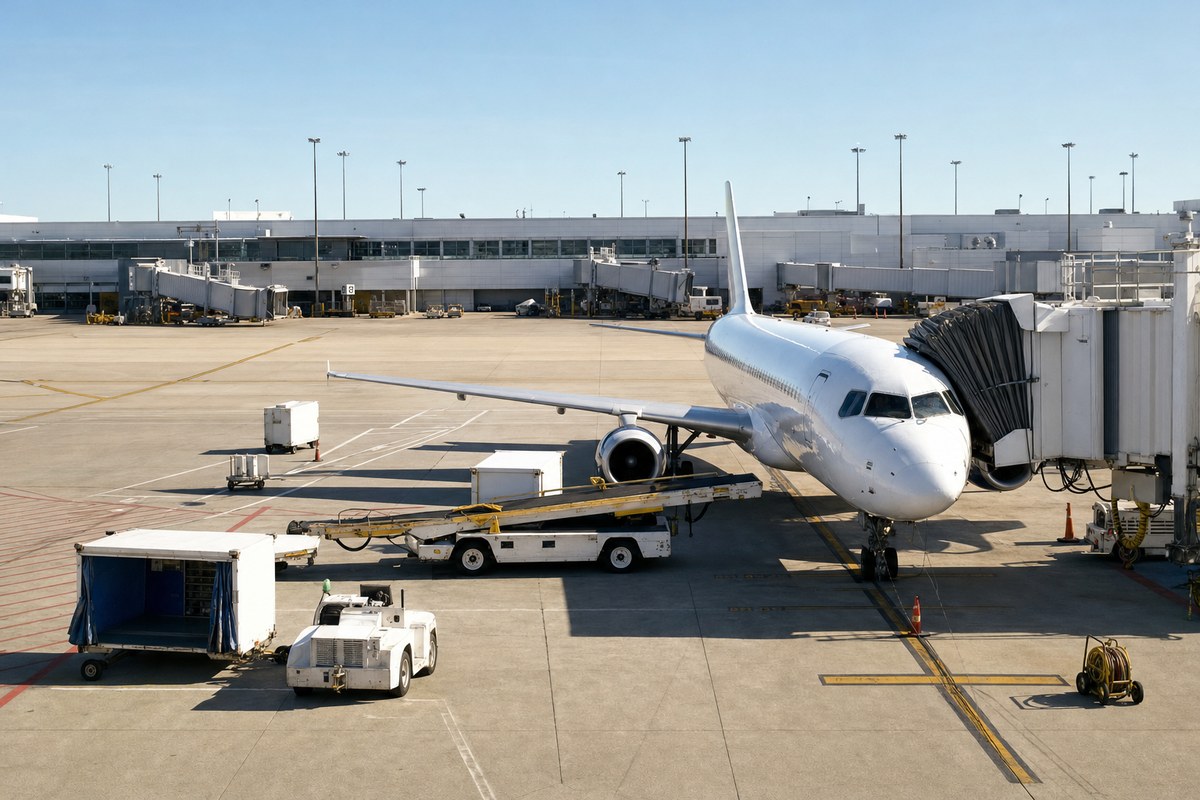
At Pittsburgh International Airport, USAir's former commuter facility, Concourse E, became obsolete after US Airways ended its lease and began closing the hub in 2004. The concourse was demolished under The Transformed PIT program as the airport shifted to accommodate more A320 and 737 flights from carriers such as Frontier Airlines and Allegiant Air. At Northwest Arkansas National Airport, long a regional-aircraft operation, A320 and 737 service now comes from Allegiant, United Airlines, Delta Air Lines and American Airlines, and a new terminal addition is under construction, with design development having begun only in 2025. Envoy Air remains the market leader at nearly 30 percent, American's mainline service accounts for 12.1 percent, and Allegiant, which flies only A320 and 737 family jets, reached about 10 percent.
Wilmington International Airport reported a record 907,753 enplanements in 2025. Sun Country Airlines, Avelo Airlines and JetBlue have added service alongside mainline Delta service to Atlanta and American service to Charlotte, sometimes on an Airbus A321. A terminal expansion that began in 2018 at $69 million has since grown to include an extended departures/arrivals curb, a commercial drop-off curb, a pedestrian tunnel and added parking.
Charlotte Douglas International Airport, once heavily dependent on regional jets in the US Airways era, is investing in concourse expansions and gate projects under its CLT Master Plan 2050, including work on Concourse A, as American upgauges routes from 50-seat regional jets to Embraer E170s and mainline Airbus and Boeing jets.
Minneapolis-St. Paul, Dulles and Bemidji
At Minneapolis-St. Paul International Airport, six of the seven Terminal 1 concourses were renovated from 2023 to 2025, with Concourse E excluded. Concourses A and B, which serve Delta Connection carriers Endeavor Air and SkyWest, now see Embraer E175s and Bombardier CRJ-900s rather than Saab 340s and CRJ-200s. Concourse A's 14 gates are slated to be reduced to accommodate fewer, larger aircraft, and Concourse B is slated for complete demolition by 2040.
At Washington Dulles International Airport, the outdoor regional A-gate facilities are being replaced under the Global Gateway program. The eastern portion of Concourse A is being redeveloped into enclosed, international-capable gates, and a planned 14-gate Tier-2 Concourse will accommodate larger narrowbodies and international services.
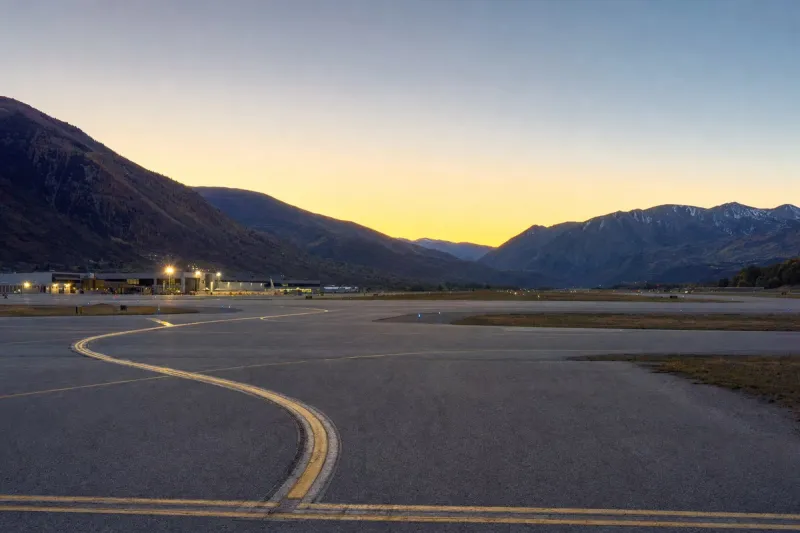
Bemidji Regional Airport has no current capacity plans, but a project completed in 2012 doubled its passenger facilities and added its first jet bridge, rated for aircraft up to the Boeing 737-900 and A320. Sun Country Airlines has operated periodic 737 charter service to Laughlin/Bullhead International Airport, and SkyWest flies twice daily to Minneapolis-St. Paul under the Delta Connection brand.
Industry impact & what to watch
The cases share one logic: gate and concourse space is being sized to the aircraft airlines are keeping and ordering, not to the ones they are retiring. Where a facility was built around 50-seat jets, it is either demolished, as at Pittsburgh's Concourse E, or cut back to fewer gates for larger aircraft, as planned for Minneapolis-St. Paul's Concourse A. That puts airport capital plans in step with mainline fleet strategy, and with the carriers, such as Allegiant, that operate only A320 and 737 family jets.
For regional airlines and the communities they serve, the effect is structural. Smaller aircraft such as the Saab 340 and CRJ-200 have already given way to the Embraer E175 and CRJ-900 on Delta Connection flying at Minneapolis-St. Paul, and Concourse B there is slated for demolition by 2040. Hub facilities built for small-aircraft frequency are being replaced by space that favours larger gauge, while smaller airports such as Bemidji keep jet-bridge capability for aircraft up to the 737-900 and A320 even without current expansion plans.
The next concrete markers are the Minneapolis-St. Paul Concourse A gate reduction, the 14-gate Tier-2 Concourse planned at Dulles, and the Northwest Arkansas terminal addition now moving through design development.