Airbus A350's Lower Cabin Altitude and Humidity May Ease Long-Haul Fatigue Versus Older Boeing 777s, but No Direct Study Exists
Why It MattersCabin physiology is becoming a marketable widebody feature, yet seat width, airline service practices and individual health leave comfort claims unresolved until independent comparisons exist.
What happened
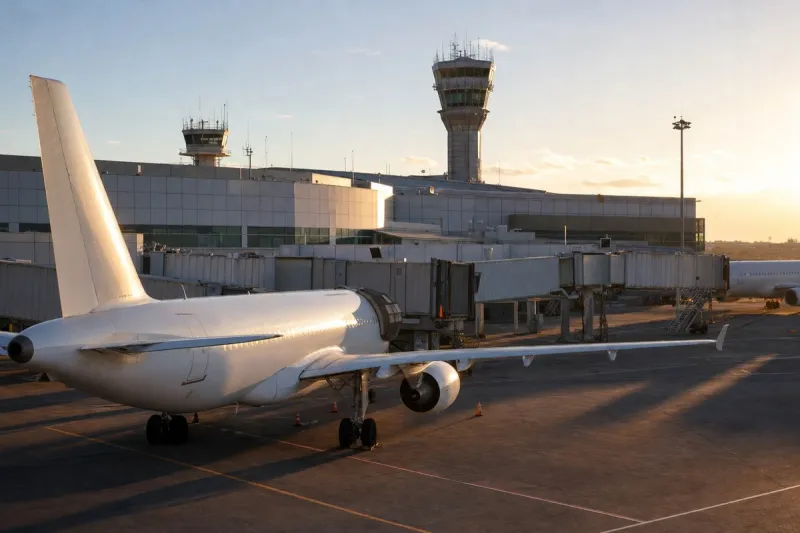
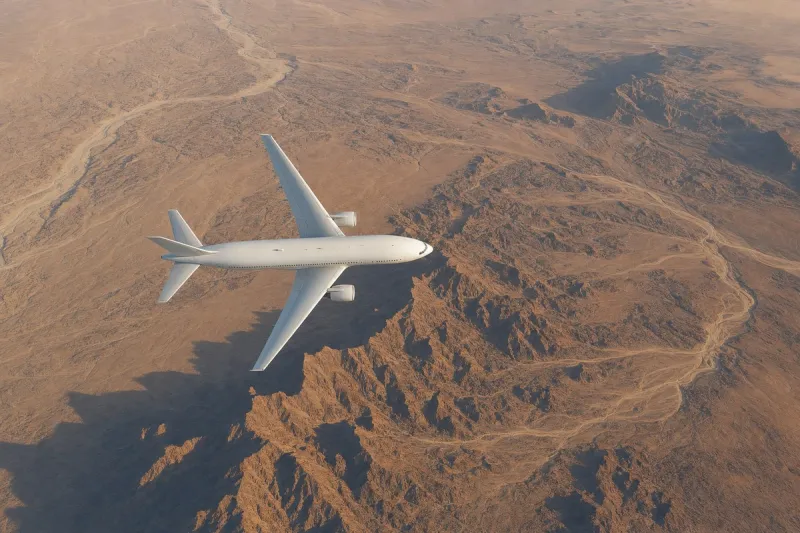
Passengers on long-haul flights aboard the Airbus A350 may feel less tired on arrival than after similar journeys on older Boeing 777s, though the evidence requires qualification. No major controlled study has directly compared passenger fatigue after equivalent A350 and 777 flights, and aircraft configuration, airline operating practices, seating density, sleep opportunity and individual health all influence how travelers feel.
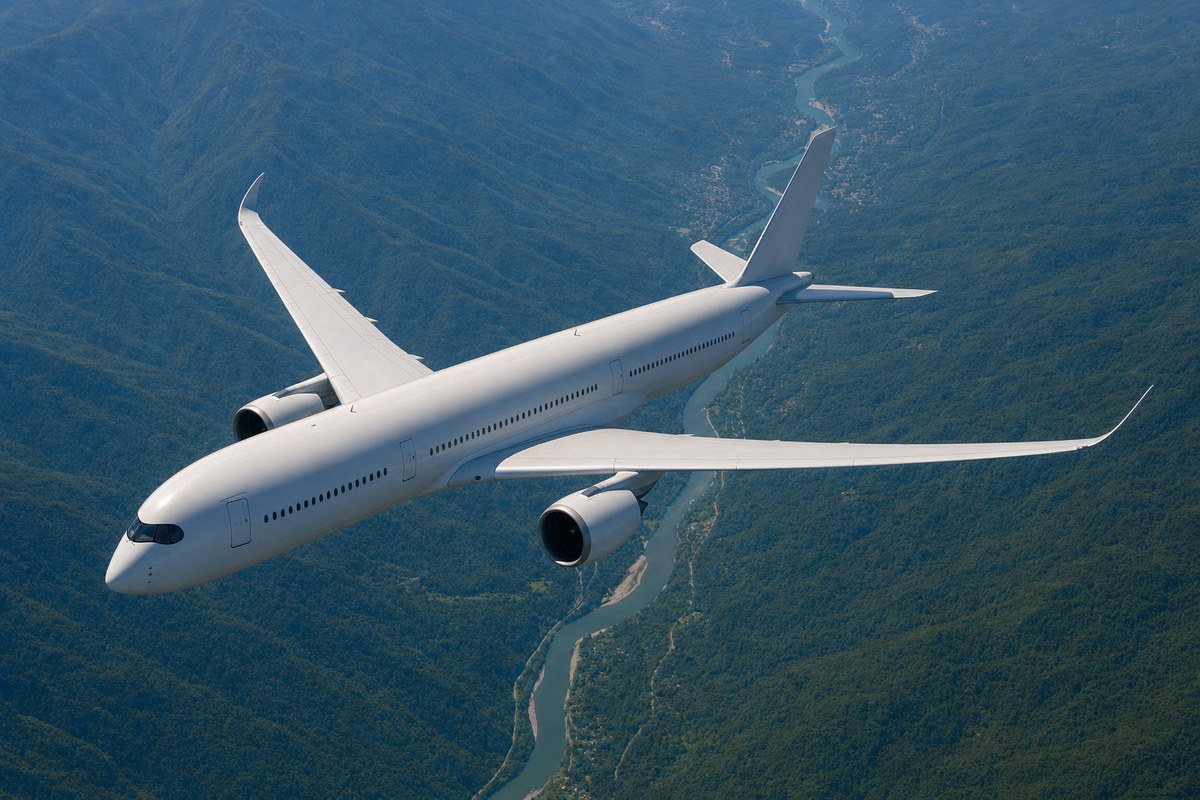
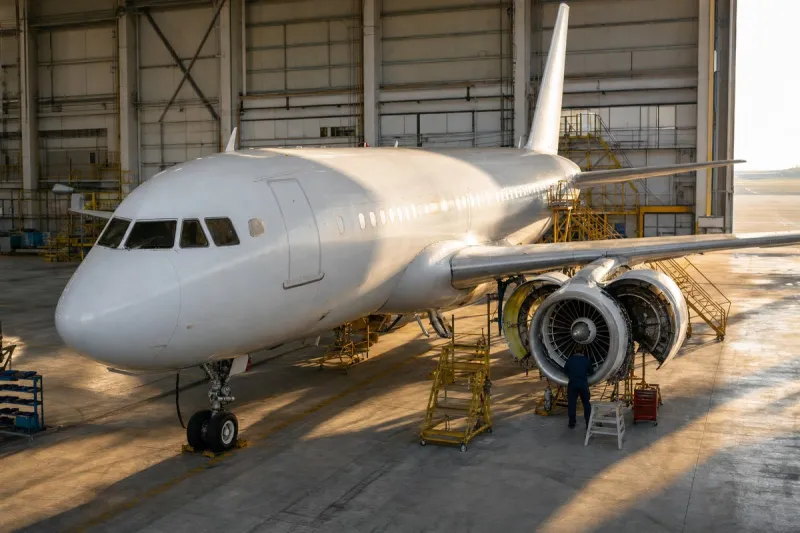
Airbus specifies a cabin altitude of 6,000 feet (1,828 meters) for the A350, made possible in part by its carbon-fiber-reinforced plastic fuselage. Older 777 variants generally operate within the conventional 8,000-foot (2,438-meter) limit at maximum operating altitude; this is a regulatory ceiling, not a guarantee that every flight sits at exactly that level. A 2007 New England Journal of Medicine study of 502 volunteers in a hypobaric chamber simulated cabin altitudes from 650 to 8,000 feet, with average oxygen saturation falling by as much as 4.4 percentage points at the highest altitude.
Cabin air at cruise is very dry, with relative humidity on many long-haul flights commonly between 10% and 20%. Low humidity does not normally cause clinically significant dehydration in healthy passengers but can dry the eyes, nose, throat and skin. Airbus says the A350 combines its carbon-fiber structure with improved cruise humidity, and cruise humidity around 15% has been reported in some cases, though it varies with passenger numbers, ventilation and operating conditions.
On noise, Airbus describes the A350 as the quietest aircraft in its category, up to nine decibels quieter than competing aircraft. Independent measurements found differences among the widebody aircraft sampled to be relatively small, within about three decibels, and the Airbus A380 recorded the lowest levels, not the A350.
Where the A350 does not lead
Seat width depends on airline layout: the 777 can have nine or ten seats across in economy, and the A350 commonly has ten across. Singapore Airlines' 777-300ER economy layout can offer wider seats than its A350-900.
Seat design, privacy, bedding, service and lie-flat capability may affect rest more than small differences in pressure or noise. Airline practices such as cabin lighting, meal timing and service interruptions also matter, and none of these features eliminates jet lag.
Industry impact & what to watch
Cabin altitude, humidity and noise are increasingly used to differentiate widebodies, because composite fuselages give designers room that aluminum structures did not. That makes physiological comfort a selling point, but a claim built on engineering specifications is not the same as a measured passenger outcome, and the gap between the two is where this comparison stays unsettled.
The practical determinants of how rested a passenger feels sit largely with the airline: seat layout, bedding, lighting and service timing can outweigh small differences in pressure or noise. The same A350 or 777 airframe can therefore deliver quite different experiences depending on who operates it.
The A350's edge over older 777s may narrow as Boeing introduces the 777X, designed with a quieter cabin, improved humidity and cleaner air. Boeing's 6,000-foot cabin altitude figure currently applies to its BBJ 777X business-jet offering at maximum cruise altitude and should not be treated as the confirmed specification for every future commercial 777X configuration.