Snowdonia Aerospace Test Centre Selected as Wales' Only Flight-Trial Site for ARIA High-Altitude Platforms Programme
Why It MattersSiting high-altitude platform trials at a Welsh coastal airfield with extendable danger-area airspace points to regional test ranges becoming part of the UK's route to stratospheric alternatives to satellites.
Snowdonia Aerospace Test Centre has been selected as the only site in Wales to provide test facilities for flight trials under the Advanced Research + Invention Agency's (ARIA) Enduring Atmospheric Platforms programme. ARIA was created by an Act of Parliament and is sponsored by the Department for Business, Innovation, Science and Trade.
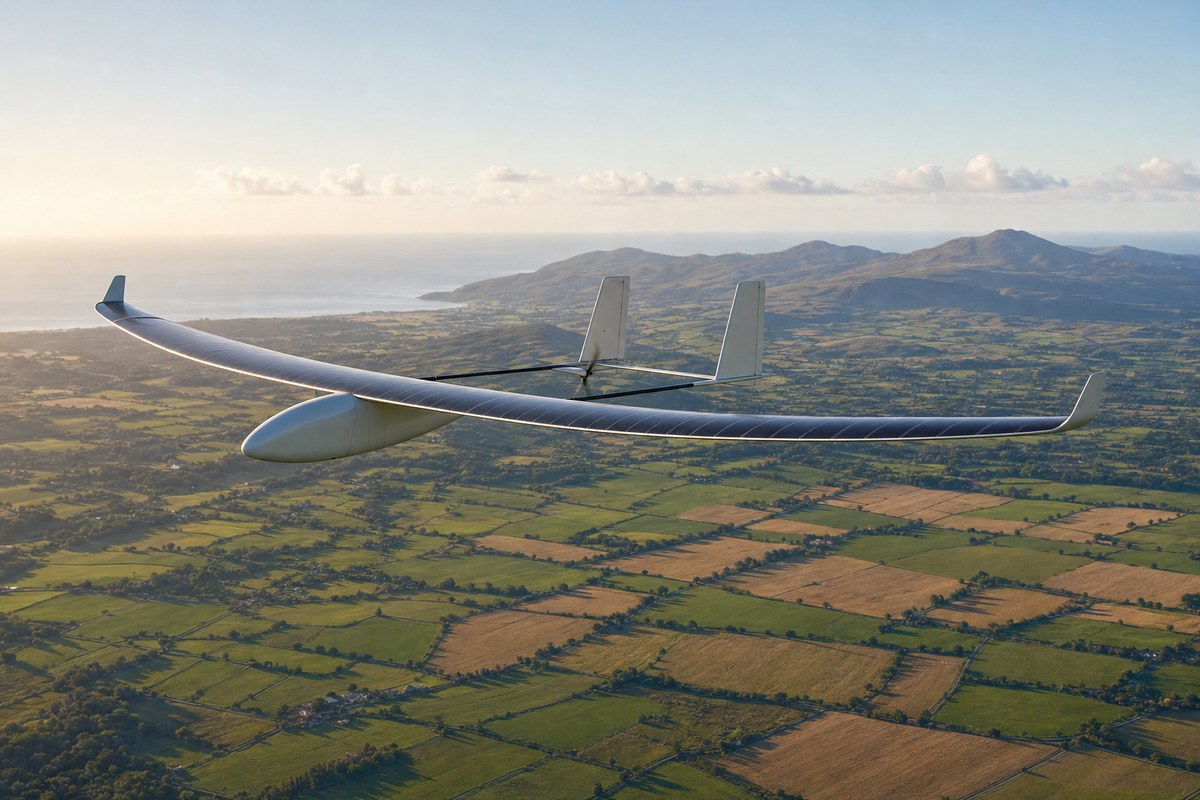
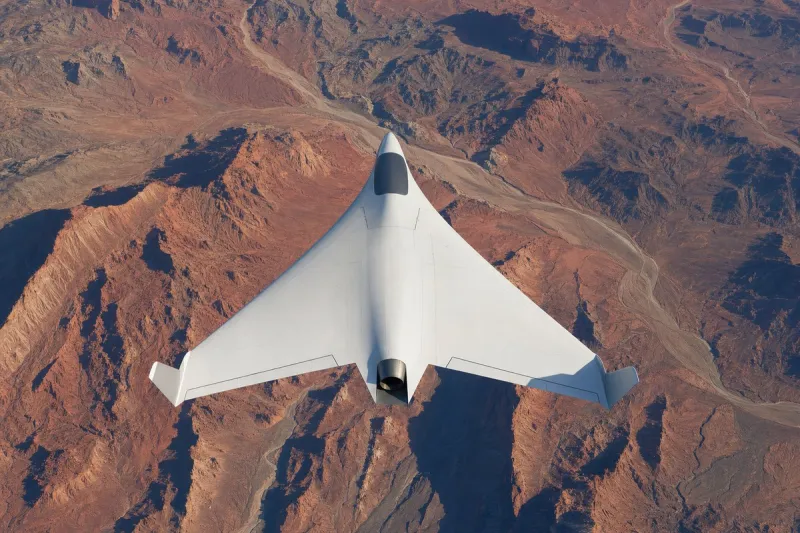
The programme is backed by £70 million over 3.5 years and will fund technologies enabling High Altitude Pseudo-Satellites (HAPS), which could offer a new class of digital services with greater capability, more sovereignty and potentially lower costs than satellites. Eighteen teams, known as R&D Creators, have been awarded funding to test their platforms across three areas: Enabling Technologies, Downstream Applications and Air Platforms.
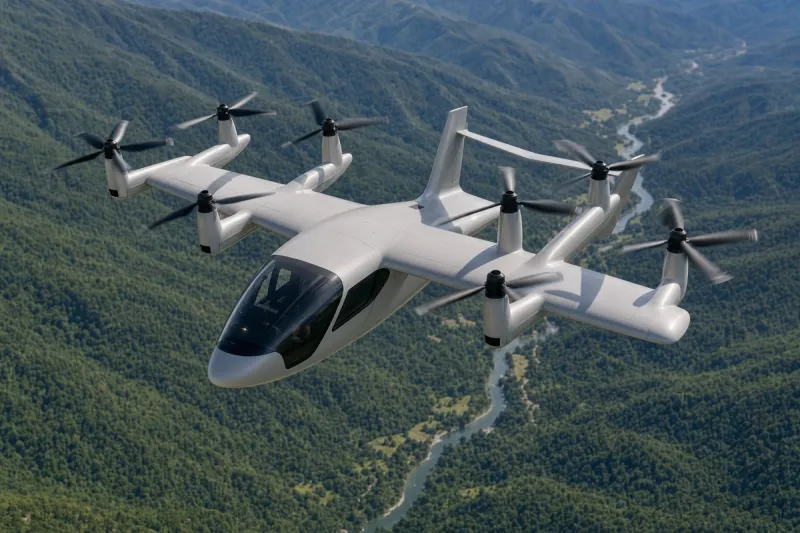
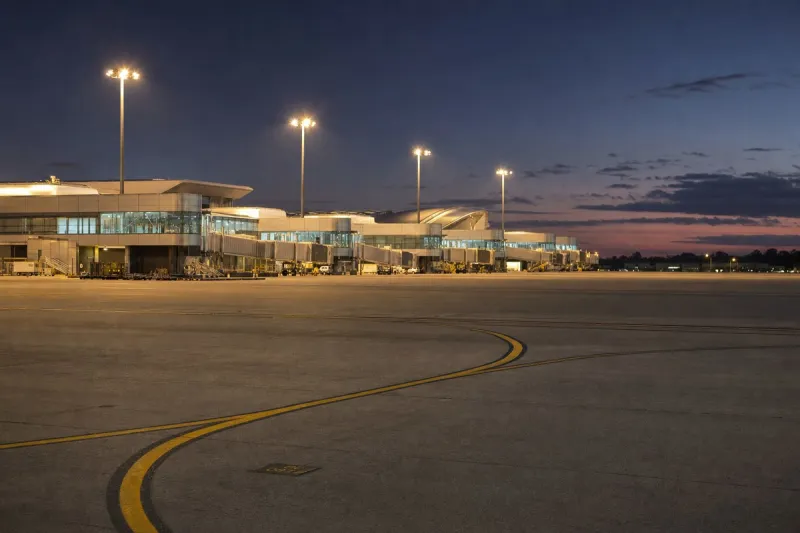
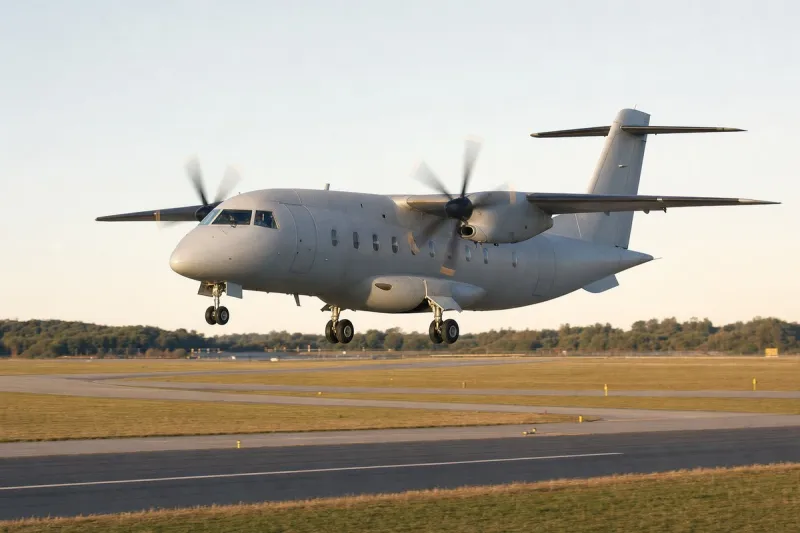
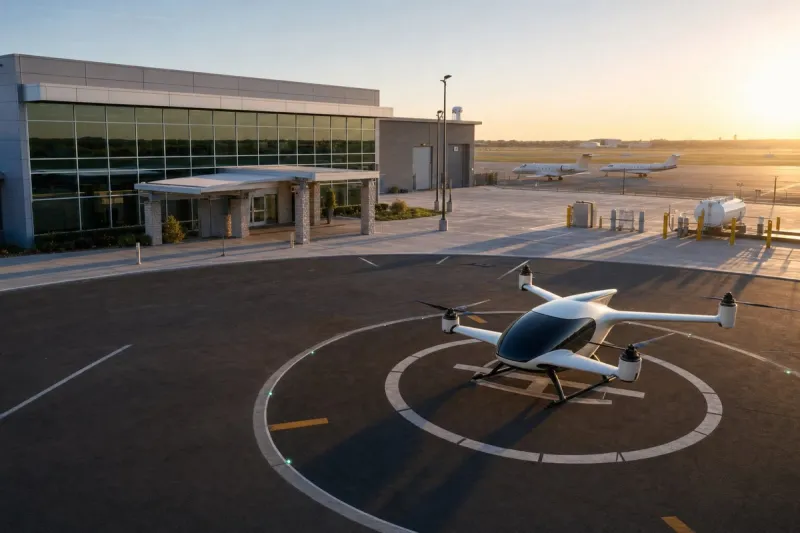
The Llanbedr site will be used to test high-altitude platforms reaching up to 50,000 feet, comprising High Altitude Long Endurance (HALE) aircraft and multi-rotor drones. The airfield on the Snowdonia coastline has its own danger area over Cardigan Bay, which is intended to be extended as part of the programme to allow the testing. The project partners provide the test sites and will help Creator teams prove that their platforms can fly safely and maintain station above commercial aviation altitudes, continuously delivering 300W to a 20kg payload for a full week.
Lee Paul, Chief Executive Officer of Snowdonia Aerospace Test Centre, said the centre is proud to be at the forefront of research, development and innovation in the emerging aerospace sector. Jeremy Howitt, Technical Director, said the centre will provide testing services and facilities and support the TA2 platform teams, which focus on system integration and testing, with regulatory advice and planning. The centre will also co-chair an airspace and regulatory working group with Cranfield Aerospace to coordinate the TA2 teams' interface with the Civil Aviation Authority (CAA).