EHang Signs Non-Binding Framework Agreement With Huantian International Air Rescue to Explore Air-Ground Aeromedical Rescue Using eVTOLs
Why It MattersThe deal shows eVTOL makers positioning for emergency medical roles alongside established air-ambulance fleets, where regulatory compliance and coordinated dispatch, not aircraft alone, determine whether pilotless rescue flights become operational.
What happened
EHang has signed a non-binding cooperation framework agreement with Huantian Sanjiu International Air Rescue Co. (Huantian International Air Rescue) to explore coordinated use of pilotless eVTOL aircraft, helicopters and other aviation equipment alongside ground-based medical resources. The announcement follows China's State Council release in June 2026 of the Plan for Modernizing the Emergency Response System During the 15th Five-Year Plan Period, which calls for an aviation rescue network able to reach disaster-prone areas within one hour.
The two parties will assess aircraft adaptation for medical rescue missions, digital dispatch and medical information coordination, personnel training and joint exercises, and potential application scenarios. They aim to explore a tiered rescue model covering short-range patient transfers, regional rescue, and intercity and cross-border transport, taking into account patient condition, response time, aircraft capabilities, takeoff and landing conditions and ground transfer arrangements.
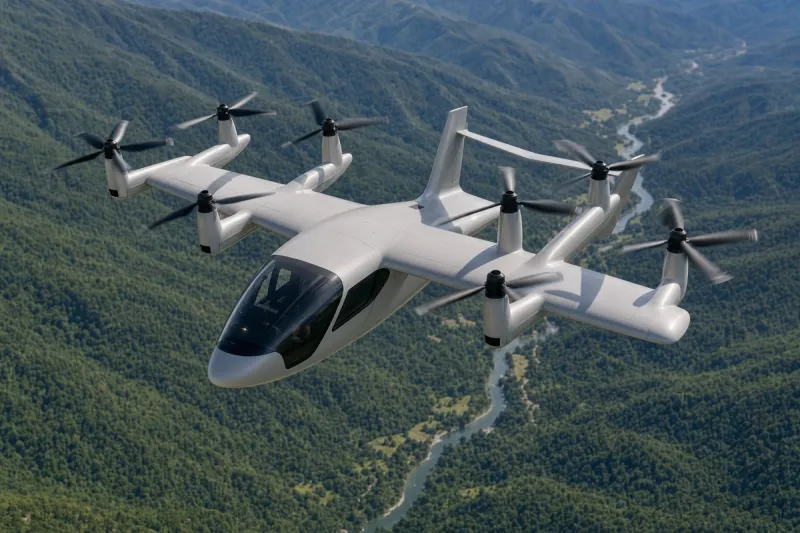
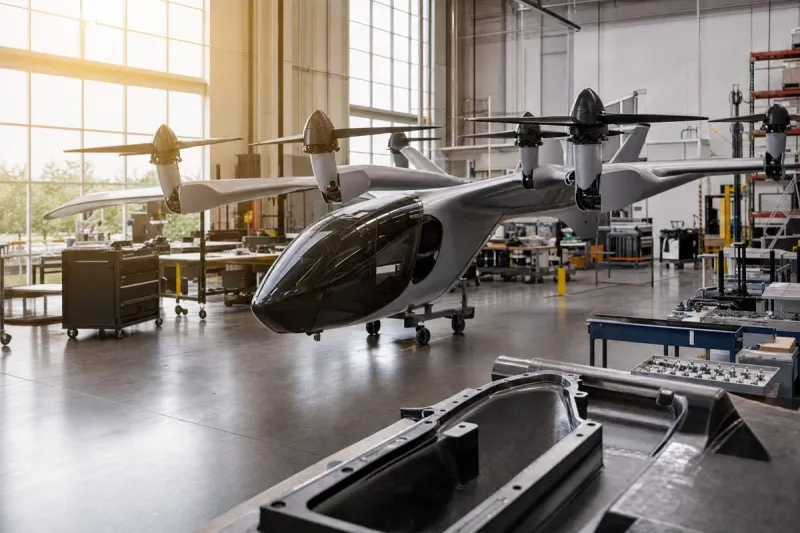
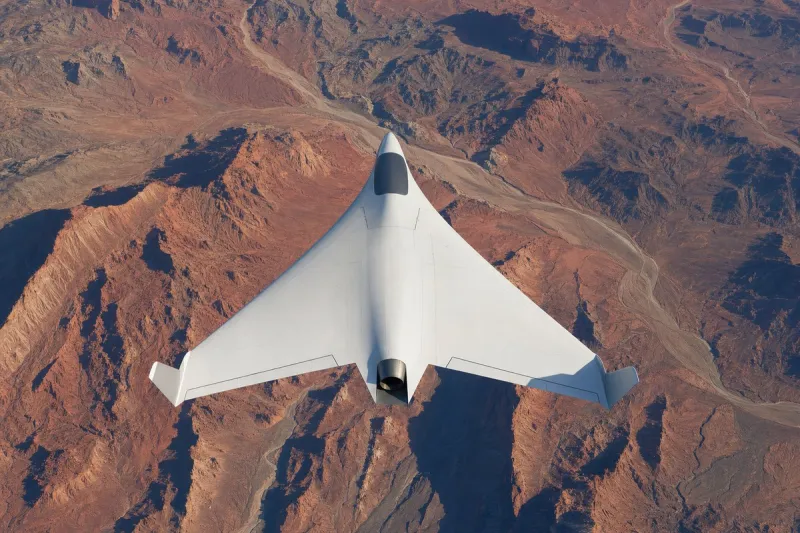
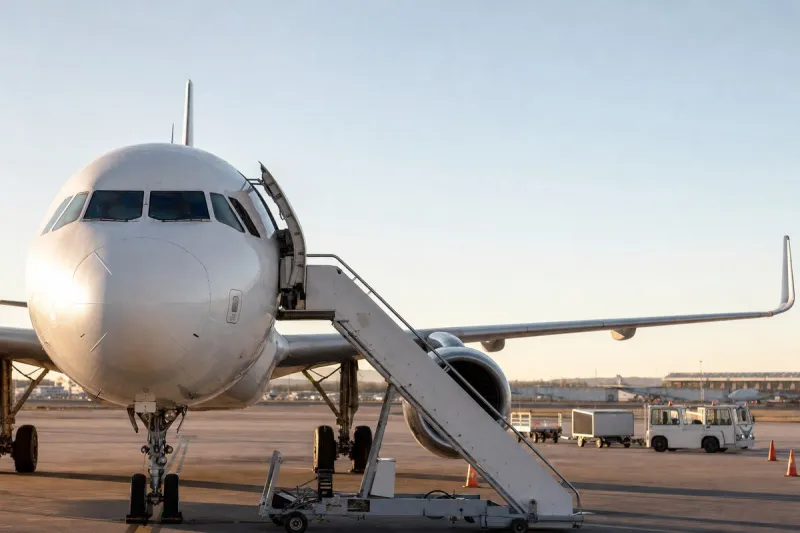
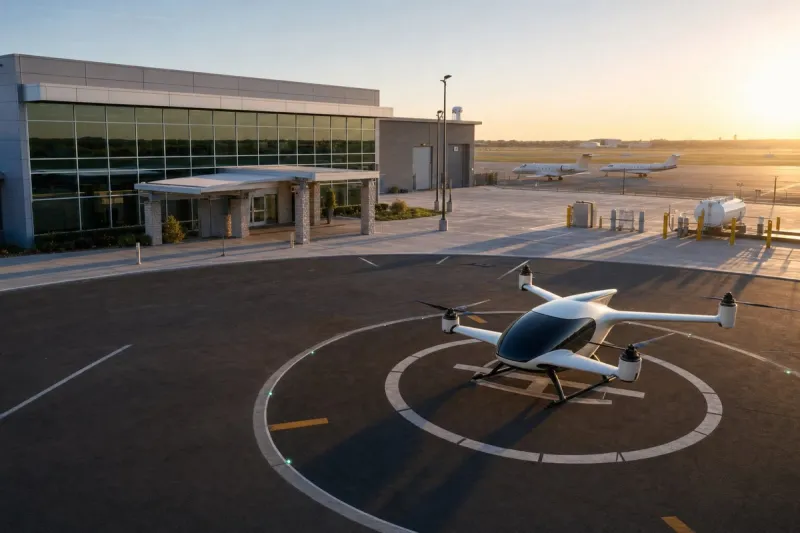
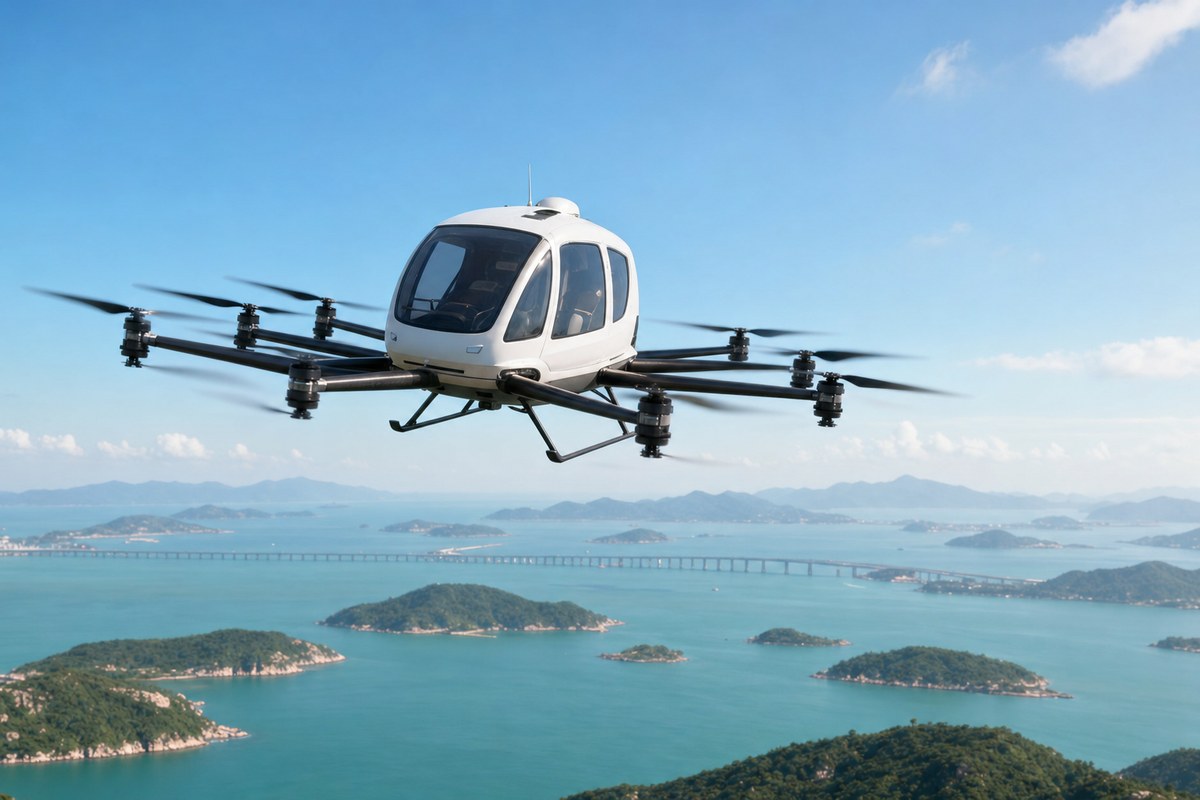
EHang will use its EH216-S and VT35 pilotless eVTOL aircraft together with its proprietary command and control platform. The parties intend to assess the EH216-S for short-range point-to-point missions in urban areas and the VT35 for cross-regional routes in the 100-kilometer range, including intercity and island connections. Both models are expected to complement Huantian International Air Rescue's helicopters and fixed-wing air ambulances in a future coordinated rescue system.
The partner's fleet and the parties' statements
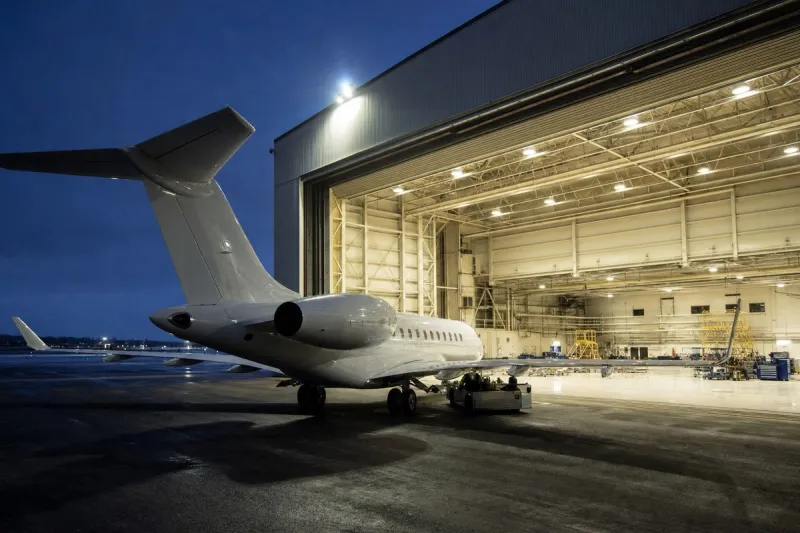
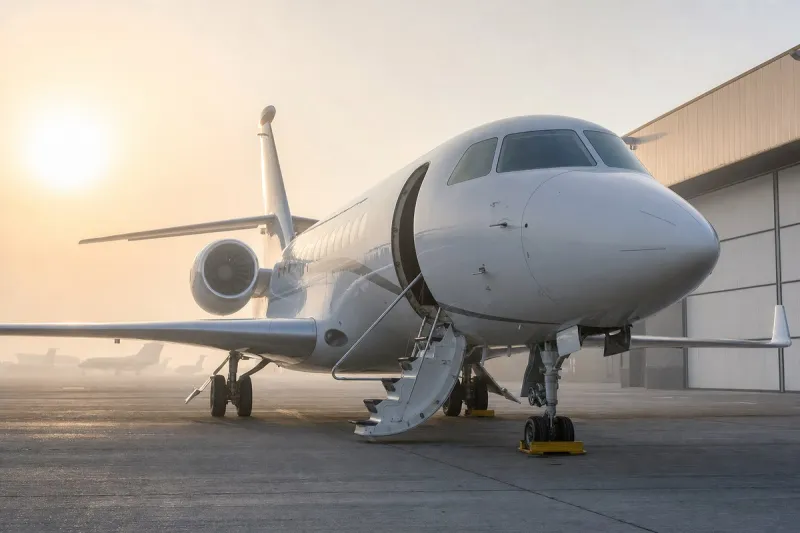
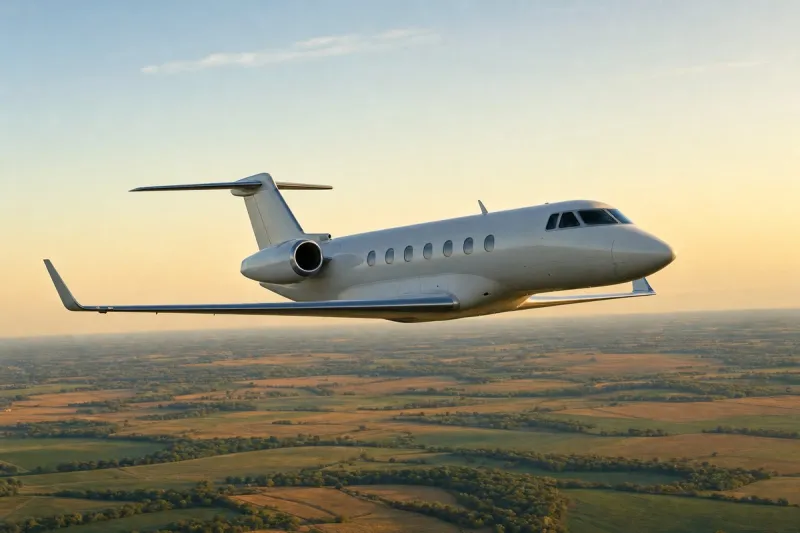
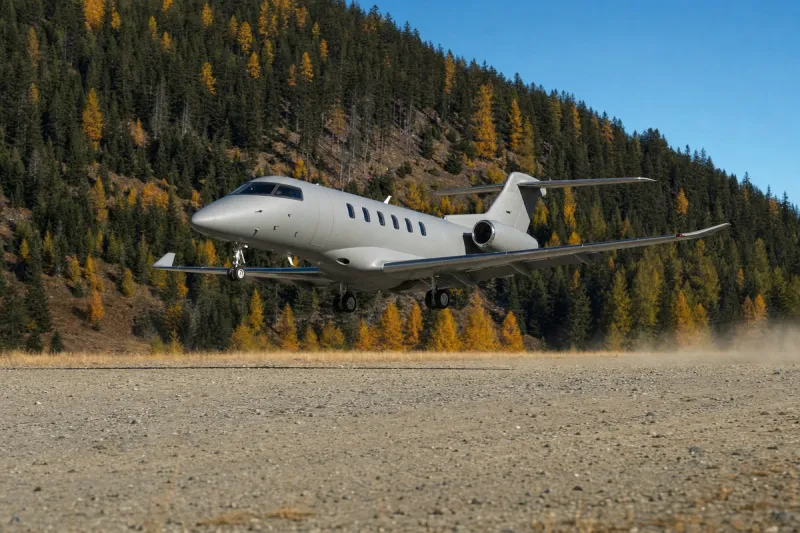
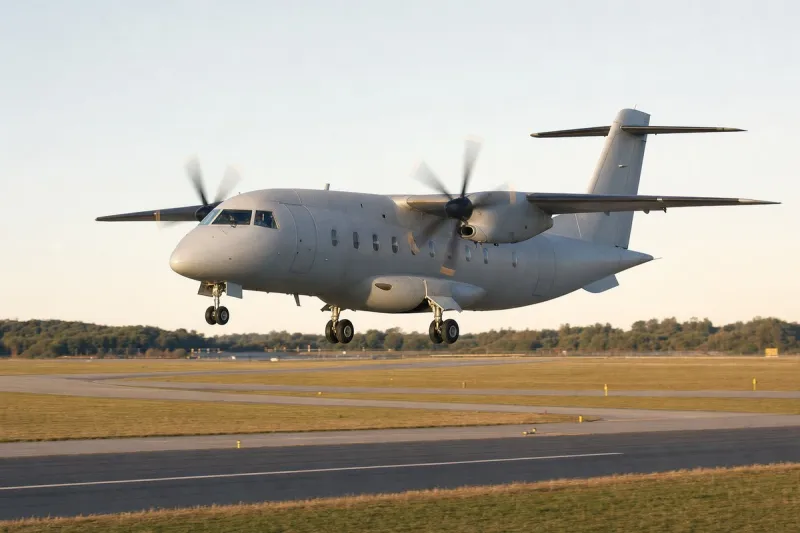
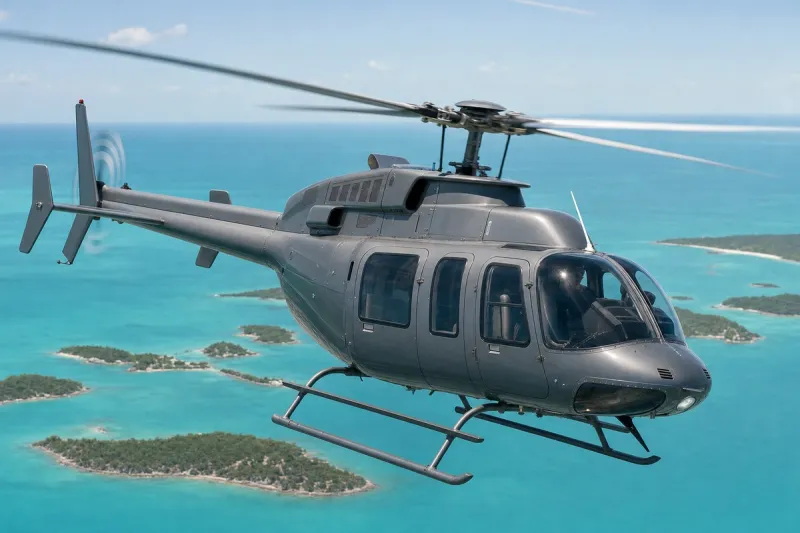
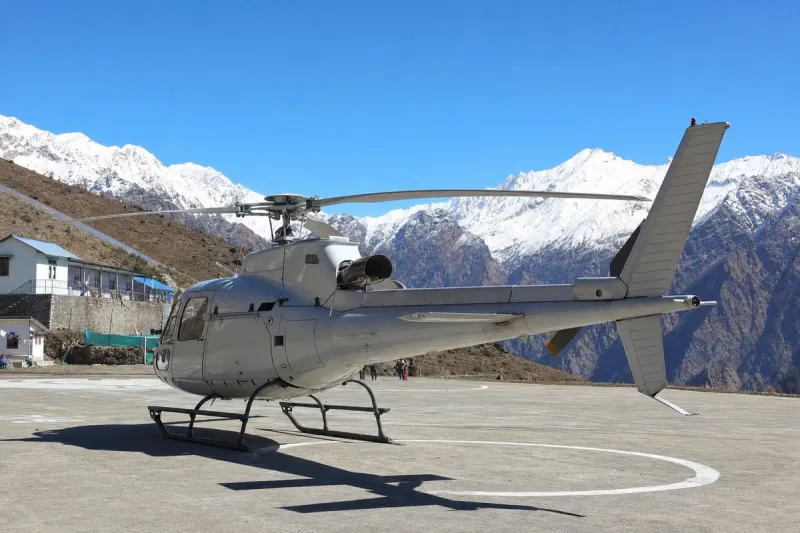
Huantian International Air Rescue holds a CCAR-135 operating certificate issued by the Civil Aviation Administration of China (CAAC). Its fleet includes Gulfstream G550 and Dassault Falcon 2000LX fixed-wing aeromedical aircraft and Airbus H135 rescue helicopters, equipped with onboard medical equipment including ECMO systems, ventilators, patient monitors and defibrillators. According to the company, it has completed more than 1,000 aeromedical rescue and transport missions across more than 100 countries and regions.
Jia Chongyue, head of the company's Guangzhou Branch, said the partners hope to expand short-range air transfer options in densely populated urban areas and shorten medical response times. EHang Chief Operating Officer Wang Zhao said EHang will put safety first and prioritize regulatory compliance in technical assessments and demonstration projects.
Industry impact & what to watch
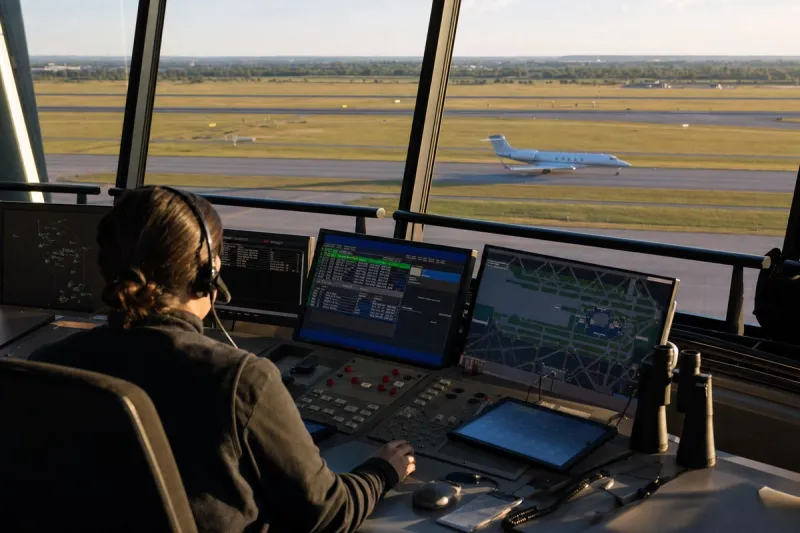
Air-ambulance work is built around a certificated operator, a medical crew and a dispatch chain, and the aircraft is only one link in it. A pairing between an eVTOL developer and an operator that already holds a CCAR-135 certificate reflects how new aircraft types usually enter that market: through an established operator's procedures rather than on their own.
The tiered model the parties describe splits missions by distance and patient condition, with the 100-kilometer-range VT35 and the short-range EH216-S sitting below the helicopters and fixed-wing aircraft. Whether that split holds depends on takeoff and landing conditions, ground transfer arrangements and how medical information moves between aircraft, crews and hospitals, which is why digital dispatch and joint exercises are listed among the first workstreams.
The agreement is non-binding and covers assessment, training and exploration. The first concrete markers would be the demonstration projects and technical assessments EHang says will proceed under regulatory compliance, and any scenario the two parties actually put through a joint exercise.